
Tea Knowledge
Huagang Tea vs Lishan Tea: Origin Names, Flavour and How to Compare
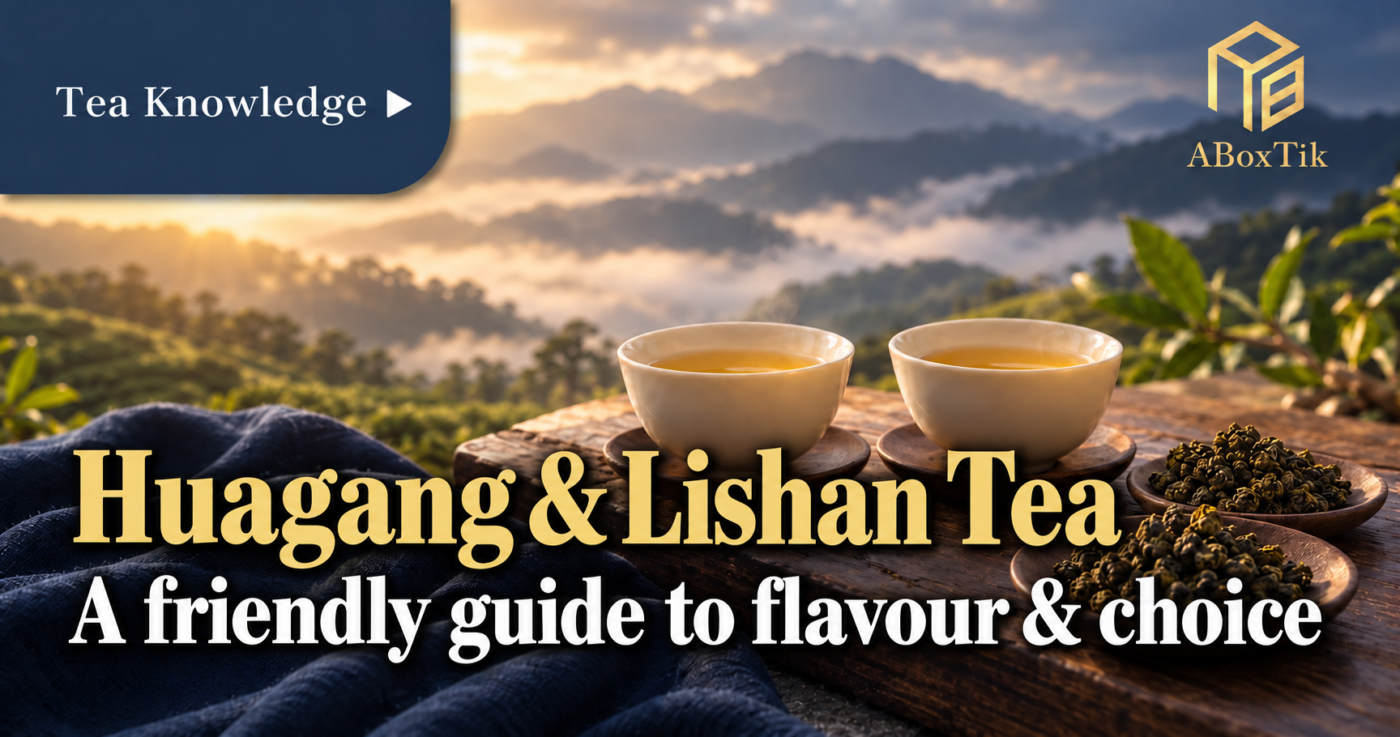
Mountain names open the conversation. A particular season, a maker’s choices, and the cup in front of you complete it.
Huagang tea vs Lishan tea is best approached as a question of names and batches, not a contest with one permanent winner. Lishan is usually a broader regional cue, while Huagang is often used for a more local place, garden, or sourcing cue. Neither name fixes cultivar, harvest, oxidation, roast, or flavour. When two packets are in front of you, origin details and a matched brewing comparison will tell you more than asking which mountain is “higher”.
Official tea research describes the Lishan area through its cool conditions, Qingxin Oolong plantings, and lightly oxidised semi-ball oolong traditions. A Ministry of Agriculture producer record for a Huagang maker also lists work across several named high-mountain areas. That is a useful reminder: a mountain name is like a family name, not a report card. Begin with our Lishan tea guide, or place both names in context with the Taiwan tea regions guide.
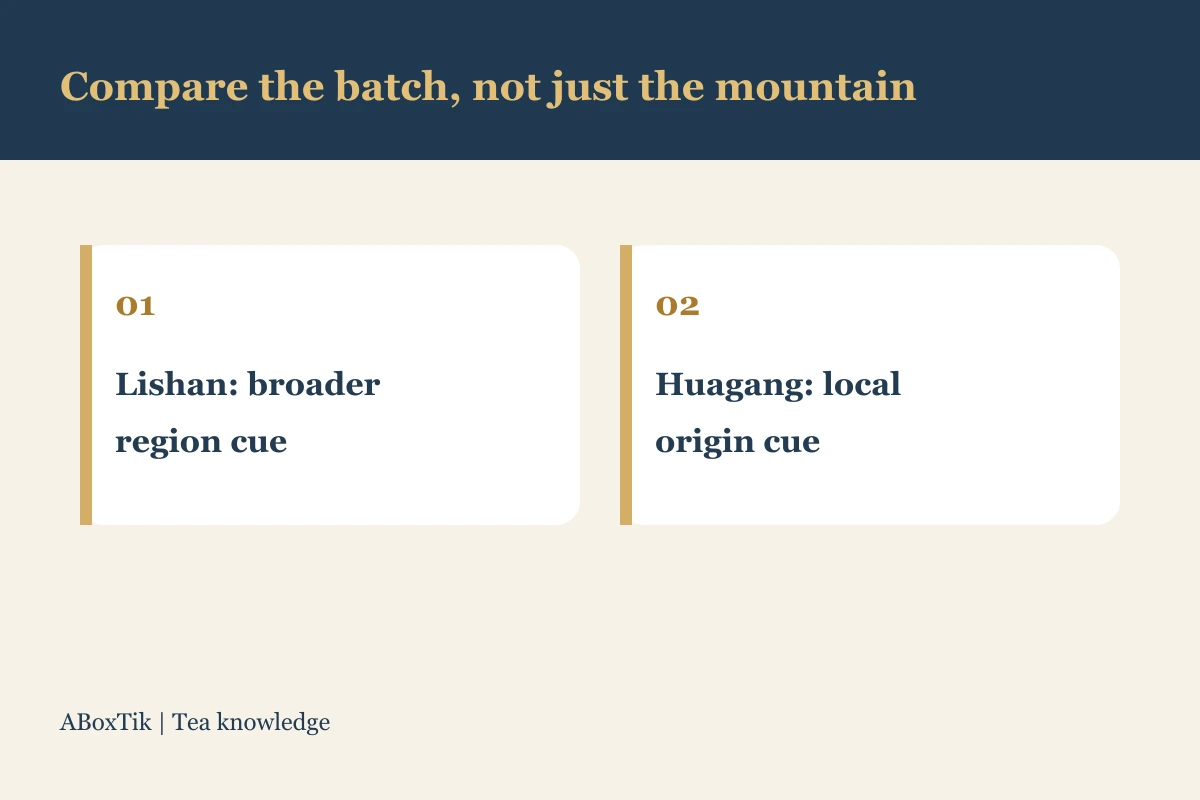
Start with the scope of each name
| Name | A useful first reading | What still needs checking |
|---|---|---|
| Lishan tea | A broad high-mountain region cue | Garden, batch, cultivar and process |
| Huagang tea | A more local place, garden or sourcing cue | Whether it identifies a specific garden, leaf origin and current production |
| Comparing them | A prompt for better questions | Not a fixed altitude, grade or taste result |
The Tea and Beverage Research Station notes that parts of the Lishan area may harvest two to three times a year and commonly make lightly oxidised, semi-ball oolong from Qingxin Oolong. These are regional patterns, not a guarantee for every packet. Treat Huagang in the same careful way: it can be a valuable, more precise clue, then ask the seller whether it refers to a garden, leaf origin, or product series.
Where flavour differences actually come from
Cooler growing conditions, cloud, slope and soil participate in how a leaf develops. Cultivar, leaf maturity, weather at picking, withering, tossing, oxidation, roast and storage shape the finished tea as well. Two Lishan batches can therefore taste quite different; two Huagang batches can also change with season or a maker’s clean-fragrance and roast direction.
Floral notes, sweetness, body and returning sweetness are useful tasting words. They should remain observations of this cup, rather than proof of an origin. For a fuller method, continue with how to assess high-mountain tea and our aroma-recording guide.
Use a seven-field card before buying
| Field | Look for | It helps avoid |
|---|---|---|
| Name and place | How precisely the seller identifies the area or garden | Assuming one mountain name supplies every detail |
| Batch | Year, season, pack date or lot | Applying an old tasting memory to new tea |
| Cultivar | What the maker or packet actually states | Guessing cultivar from geography |
| Tea style | Shape and clean-fragrance or roasted direction | Treating a regional name as a process |
| Oxidation and roast | Production notes and brewing advice | Missing a major source of aroma and body |
| Storage | Seal, date and care notes | Calling a storage difference a regional difference |
| Responsible seller | Maker/seller and a way to ask | Having no one to clarify the information |
“Is this the better one?” Before the mountain names enter a beauty contest, read how this batch was made and stored. A missing field can simply become the next question for the seller.
Try a small comparison exercise before shopping. Suppose packet A identifies a Huagang garden, a spring harvest and a light roast, while packet B identifies the Lishan area, a winter harvest and a more noticeable roast. Circle season and roast as two different fields. If A smells brighter, record that observation beside this batch rather than turning it into a rule about Huagang. For a closer look at origin, choose two teas with similar cultivar, season and processing next time. This is a way to organise the information; the cups will provide the tasting notes.
A gift conversation can be just as simple: “Would you enjoy the floral style you already love, or a little more roast this time?” A preference is more helpful than appointing the most famous mountain on somebody else’s behalf. If both teas appeal, smaller packs can make an easy first comparison. Keep the opening date with the notes and reseal the tea carefully, so the second session starts with a useful memory rather than a mystery.
A good note is brief and concrete. Write “floral aroma while warm, rounded body, a gentle finish” if that is what you notice; leave space if you cannot name an aroma. There is no entrance exam at this tea table. Returning to the cups after they cool a little can add another observation. Keep that timing similar for both teas, and give each cup the same attention.
Make the brewing comparison fair
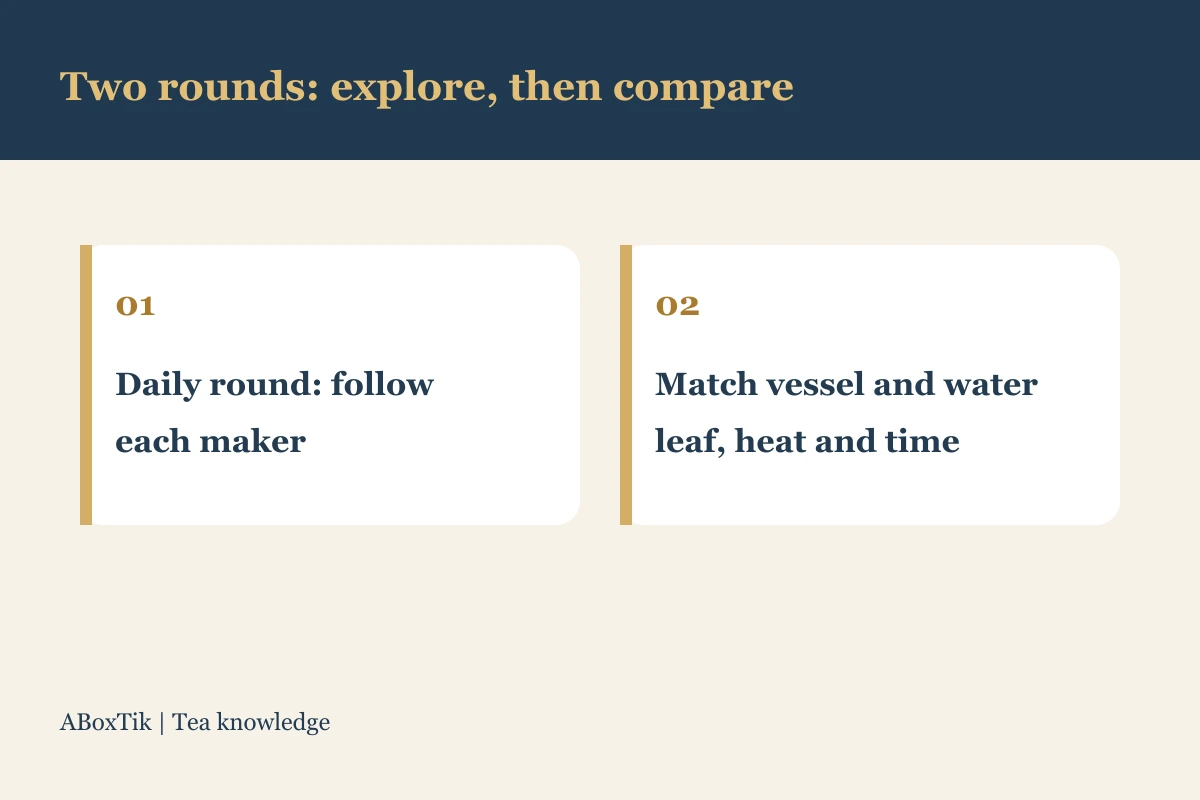
Begin with an everyday round, following each maker’s suggested brewing method so each tea has a chance to show its intended style. Then run a separate comparison round: match vessel, water source and volume, leaf weight, water temperature and steeping time. The first round gets to know each tea; the second makes the differences easier to discuss.
- Smell the dry leaf: write down the first clear impression.
- Keep the first cup simple: aroma, body and finish are enough.
- Change one variable: shorten the next steep if it is too strong; do not change everything at once.
- Return another day: a note with date, vessel and time makes the next comparison kinder and clearer.
Which should you choose?
A Huagang tea with a clear garden or batch description and a Lishan tea with stated season, cultivar and process deserve the same table. If you enjoy floral, fresh-fragrance or gentle finishes, compare teas with similar processing. If you prefer roast, body or warmer aromas, give roast information more weight. When details are sparse, choosing a seller willing to explain origin, batch and brewing is often more useful than choosing the loudest mountain name.
Follow ABoxTik
High-mountain tea becomes more rewarding when place, craft and personal taste are allowed to meet slowly. A small tasting note can make the next cup feel less like a test and more like a conversation.
| Continue with | When it helps |
|---|---|
| Lishan tea guide | For a deeper regional reading |
| High-mountain tea quality guide | To build a comparison checklist |
| ABoxTik tea collection | To browse current product-page information |
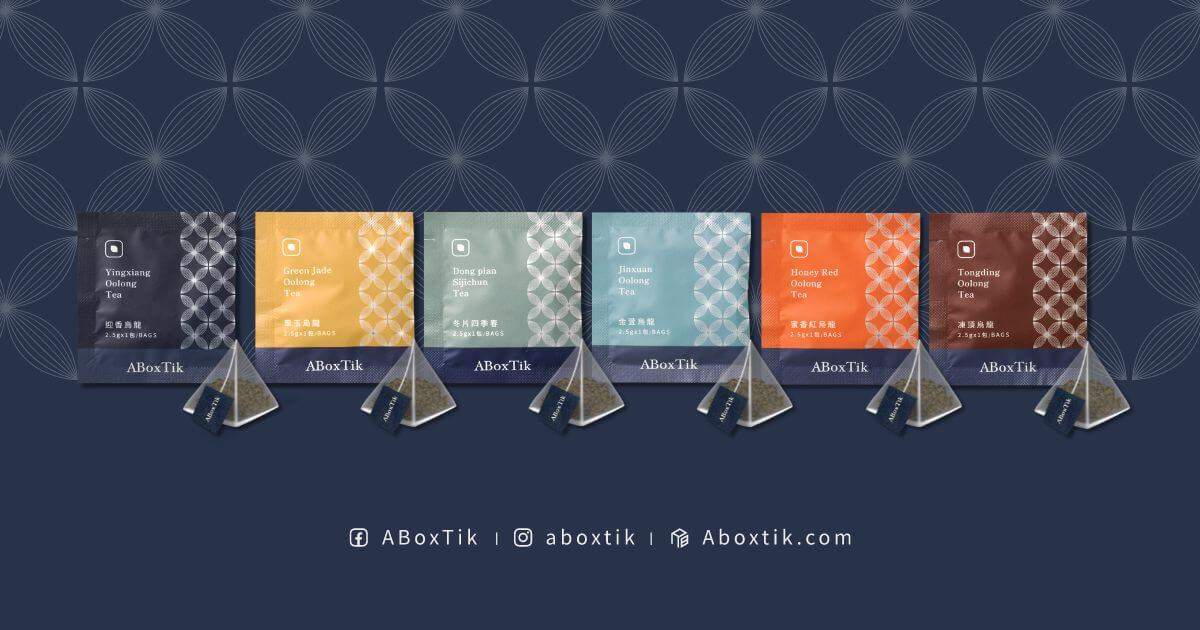
The Classic Taiwanese Tea Gift Set lets you choose four of six tea styles. Bring floral, roasted and sweet-fruit directions to the same table, then use the notes above to explore what feels familiar and what feels new.
Sources
- Tea and Beverage Research Station: Characteristics of tea areas in central and southern Taiwan (checked 2026-10-06)
- Taichung City Agricultural Bureau: Lishan tea information (2026-07-25; checked 2026-10-06)
- Taiwan Quality Tea Information: Huagang tea producer record (checked 2026-10-06)