
Tea Mixology
Halloween Tea Mocktails: Three Dark Taiwanese Tea Drinks
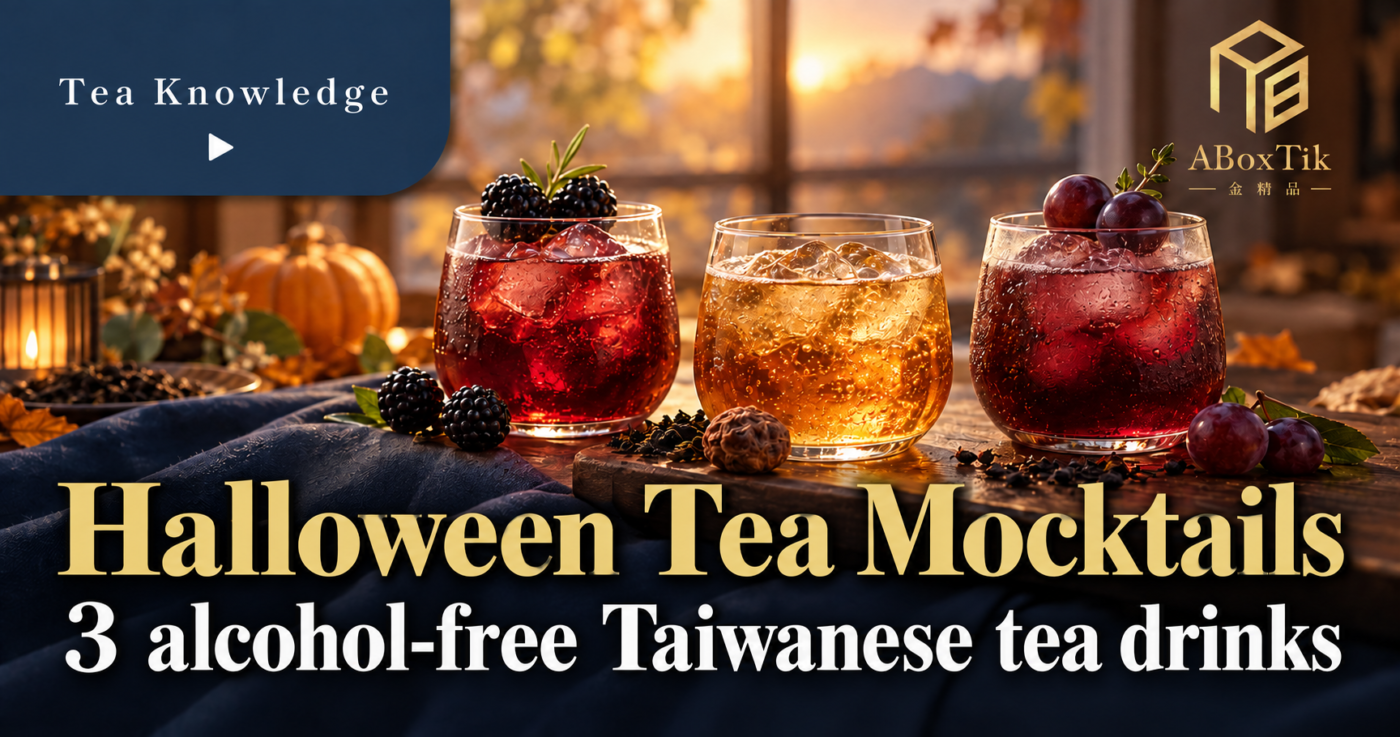
A good Halloween drink need not hide the tea. Let colour, aroma and a little room for ice do the atmospheric work.
For Halloween tea mocktails, start with berry red, chestnut amber and grape purple, all with the natural glow of tea. These three alcohol-free drinks keep Taiwanese tea at the centre. Each gives a concentrated tea base, exact additions, ice and a glass size, so a first trial is simple and a second can be adjusted with confidence.
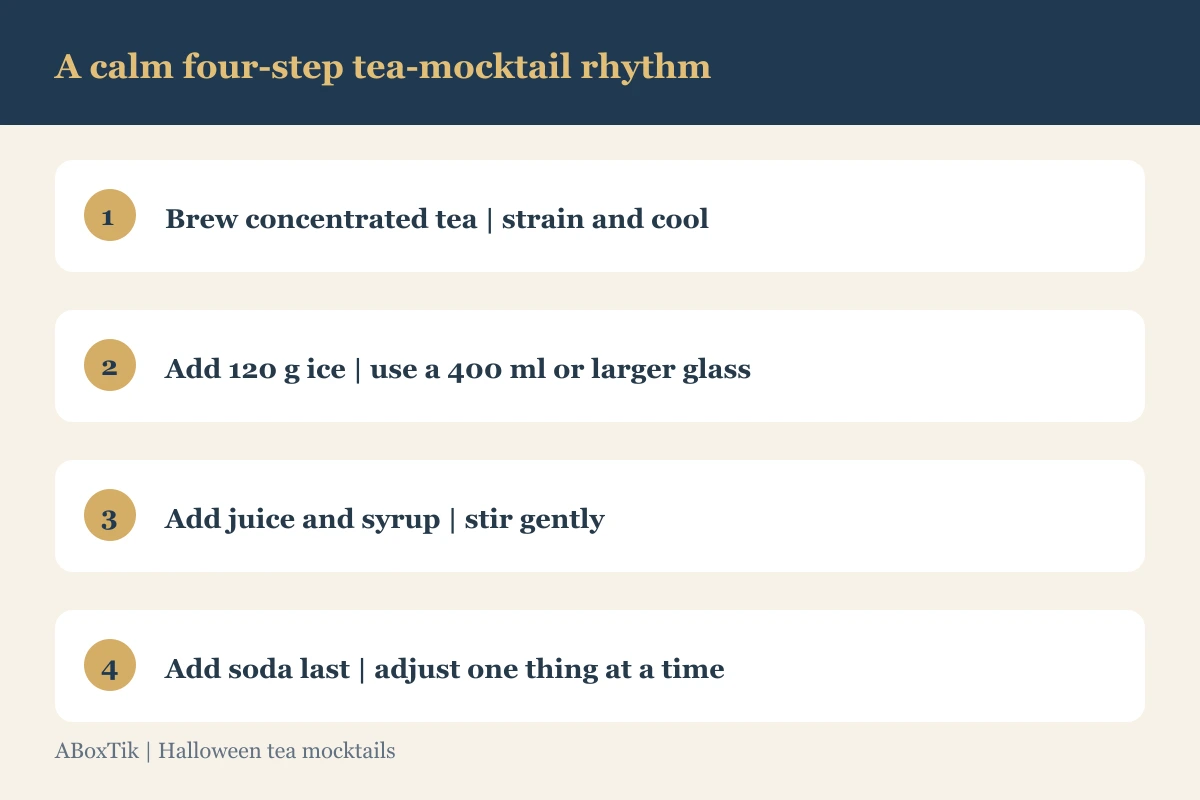
The measures are practical starting points, not a test of how precisely one can own a jigger. Use a clear 400 ml or larger low glass. Each drink contains 120 g ice as well as liquid, so the extra height gives the drink somewhere to settle. Brew the tea a little stronger than a usual cup, strain it into a clean heat-safe vessel, cool it in a cold-water or ice-water bath, then chill it before mixing. That order protects the tea from being immediately thinned by melting ice.
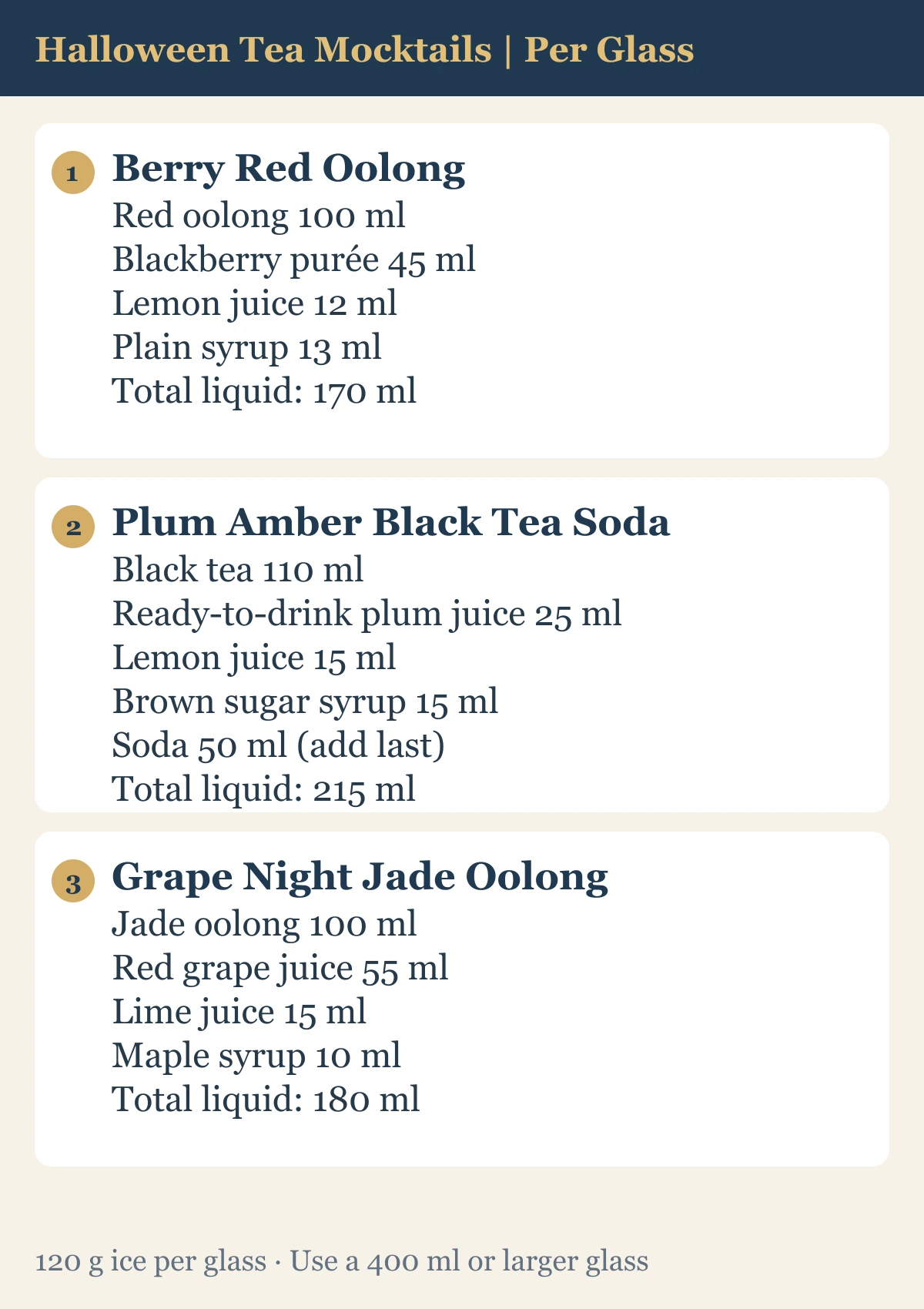
Set up the tea, ice and fruit ingredients first
Leaf quantity, water volume and steeping time shape the strength of a tea base. There is no useful reason to pretend every leaf has one perfect number of seconds. If a tea’s package offers brewing guidance, start there. The short steeps below are a sensible base when the finished drink will include juice, syrup and ice. Change one thing at a time: tea strength, acidity or sweetness. It is the quietest route to a drink you can make again.
- Use fresh, food-safe ice with no freezer odour. Put 120 g in the glass before measuring the liquid.
- Choose alcohol-free ready-to-drink plum juice and grape juice. If a product is a concentrate, dilute it by the maker’s directions before measuring.
- Keep soda water cold and add it last. It is there for lift, not for an endurance test with a spoon.
- Make blackberry purée by washing and removing the stems, then crushing the berries; strain if a smoother drink is wanted. If using a bought purée, read whether it is already sweetened.
Berry Red Oolong: a deep berry-red opening drink
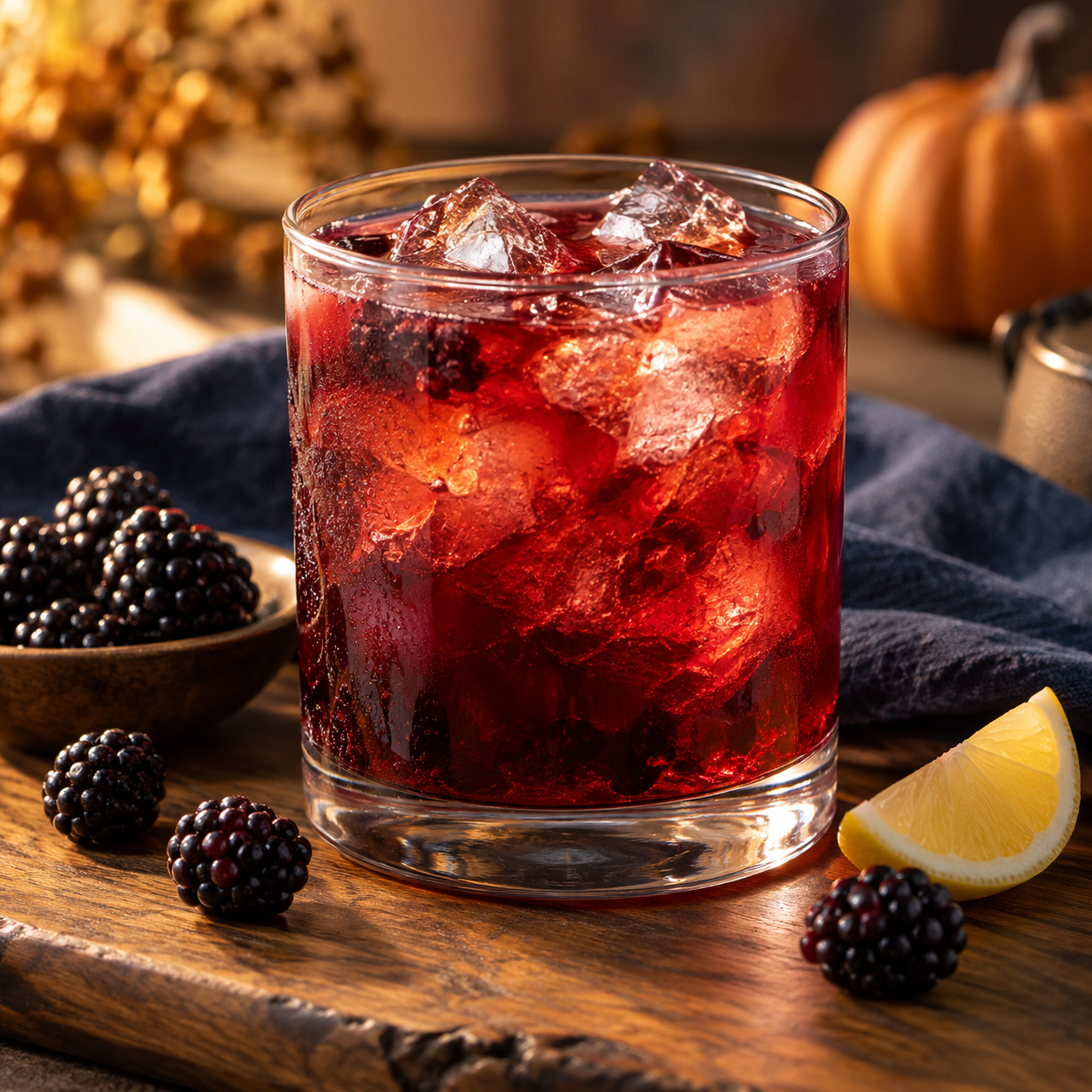
Red oolong is a particularly graceful foundation here. Taiwan’s Tea and Beverage Research Station describes its orange-red liquor and suitability for hot and cold preparation. With blackberry, the glass becomes a deep berry red with warm brown edges in the light. It has the look of an autumn table while still tasting like tea.
One drink, in a 400 ml or larger glass
- 7 g red oolong leaves
- 120 ml water at 95°C; steep 90 seconds, strain and use 100 ml cooled concentrated tea. If the strained amount is short, top up to 100 ml with cooled drinking water.
- 45 ml alcohol-free blackberry purée
- 12 ml lemon juice
- 13 ml plain syrup
- 120 g ice
- Total liquid: 170 ml, plus ice
Add the ice, blackberry, lemon and syrup, then pour the cool tea over the ice and stir gently six to eight times. Want it sweeter, or want the tea aroma to lead? For more tea presence, reduce the purée to 35 ml. For a rounder result, add syrup in 5 ml increments. When the purée is already sweetened, begin without extra syrup and decide after the first sip.
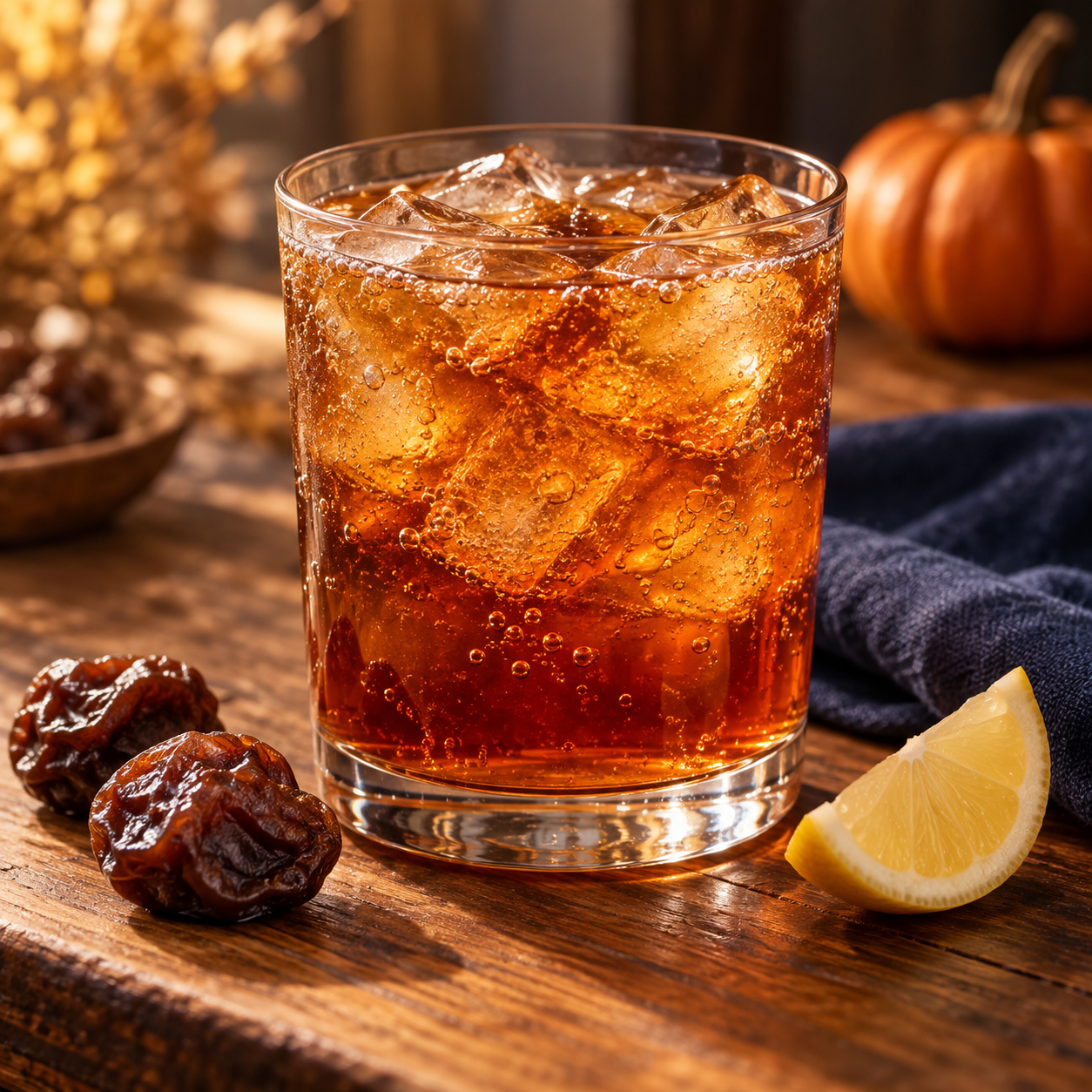
Plum Amber Black Tea Soda: chestnut-amber with a bright finish
Taiwanese black tea supplies a deep amber backbone; plum juice adds a tart, dried-fruit direction; soda gives the final lift. The colour will range from dark amber to chestnut brown according to the tea and plum juice. It is a lovely visual cue for a party table, especially when the final bubbles are added at the last moment.
One drink, in a 400 ml or larger glass
- 7 g Taiwanese black tea leaves
- 130 ml water at 95°C; steep 2 minutes, strain and use 110 ml cooled concentrated tea. Top up with cooled drinking water if required.
- 25 ml alcohol-free ready-to-drink plum juice
- 15 ml lemon juice
- 15 ml brown-sugar syrup
- 50 ml unsweetened soda water
- 120 g ice
- Total liquid: 215 ml, plus ice
Put ice, tea, plum juice, lemon and brown-sugar syrup in the glass. Stir until the syrup disperses, then slide the soda down the side of the glass. Reduce lemon to 10 ml when the plum juice is sharply tart; reduce syrup to 10 ml when it is sweet. For a still version, replace soda with the same amount of chilled water: the texture becomes calmer.
Grape Night Jade Oolong: a clear grape-purple option
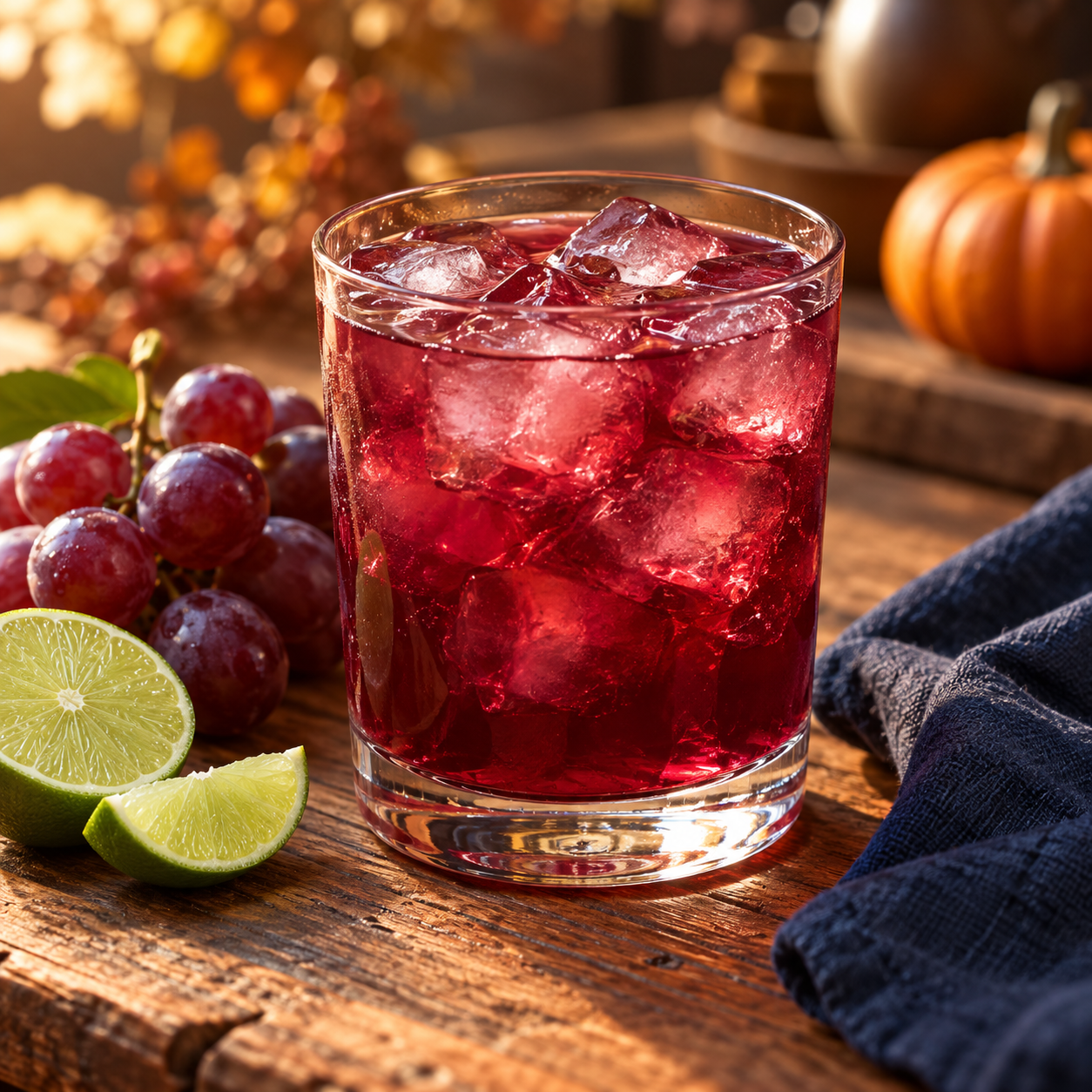
Jade oolong brings a lighter, fresher tea line to red grape juice. The result is deep grape purple with a red edge, depending on the juice. Choose a juice without alcohol or fermented-wine wording, then let lime supply the small flash of acidity that keeps the sweetness from becoming heavy.
One drink, in a 400 ml or larger glass
- 6 g jade oolong leaves
- 120 ml water at 90°C; steep 75 seconds, strain and use 100 ml cooled concentrated tea. Top up with cooled drinking water if required.
- 55 ml alcohol-free red grape juice
- 15 ml lime juice
- 10 ml maple syrup
- 120 g ice
- Total liquid: 180 ml, plus ice
Mix maple syrup and lime in the bottom of the glass, add grape juice and ice, then pour in the cooled tea and stir lightly. For a drier drink, use 5 ml maple syrup or omit it if the juice is sweet. Green grape juice can still make a pleasant drink, although its colour will be golden rather than purple; let the ingredient lead the expectation.
Halloween tea mocktails for a gathering: prepare only the bases ahead
For a gathering, brew and chill the three concentrated teas in advance, then portion the purée, juices and citrus separately. Mix with ice only when serving; add soda by the glass. Pre-mixing too early makes the ice dilution difficult to predict and lets the carbonation escape before anyone arrives. If scaling up, multiply the tea, juice and syrup by the number of servings, but keep the final assembly individual.
A measuring cup, long spoon, strainer and three small labels are enough. “Berry red”, “amber” and “grape purple” work better than a complicated haunted menu when people are deciding between sweet and tea-forward. An unflavoured chilled tea over ice is also a thoughtful fourth option for a guest who would rather keep the fruit aside.
Taste one glass, then make one small adjustment
Begin with the drink that sounds most appealing and note the tea, juice and syrup used. Taste it just after stirring, then again after a little ice has melted. Is the tea still present? A guest who likes sweetness can add syrup to their own glass; someone who prefers tea can start with less fruit. Keeping that choice at the table saves the host from holding a committee meeting about everyone’s ideal sweetness.
If the tea tastes bitter or drying, shorten the steep for the next base before reaching for more sugar. If the citrus dominates, reduce lemon or lime by 5 ml and try again. If the tea disappears after the ice melts, use a little more leaf for the next batch while retaining a short steep. Taste the base on its own before adding fruit. Changing just one measure makes the result easier to understand and repeat.
Strain blackberry seeds before measuring if a smooth texture matters. Leave maple syrup aside when the grape juice is already sweet. Plum juices vary particularly widely, so taste a little of the ready-to-drink juice before deciding on the full brown-sugar syrup measure. Write the successful adjustment on a small card. When someone asks why the second glass tastes better, the answer can be pleasantly simple: “We gave the lemon a little less work.”
Follow ABoxTik with a tea you already enjoy
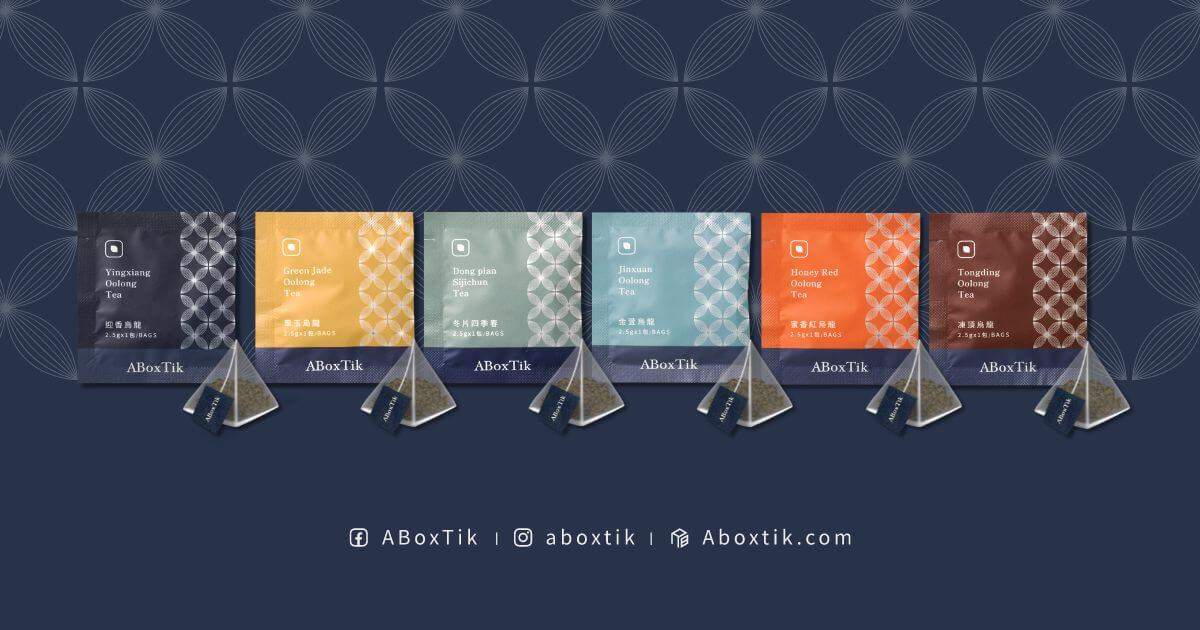
For a little more context on chilled tea, read our cold-brew tea guide; for the wider story of Taiwanese tea, visit why Taiwanese tea is special. The Classic Taiwan Tea Gift Set is a useful way to taste styles side by side, while the Taiwan tea-bag gift set makes portioning easy for a gathering. Or begin with a familiar leaf from our Taiwan tea collection and let the mocktail grow from its aroma.
Sources
- Tea and Beverage Research Station: Origin of Red Oolong (checked 2026-10-06)
- Tea and Beverage Research Station: tea-information FAQ (checked 2026-10-06)