
Tea Knowledge
Tea Cultivar and Product Name: What Does Each Name Tell You?
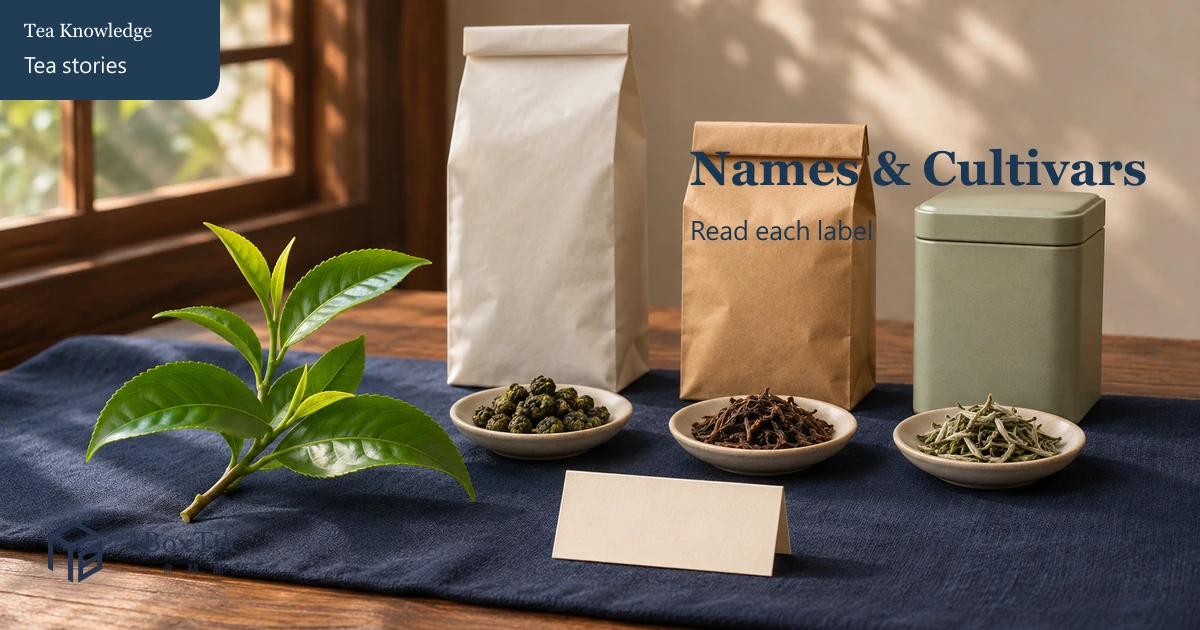
The name on a tea package might describe a cultivar, a place, a processing style or a brand’s product. When all four are not written on the same line, there is no need to guess. Separate the questions each name answers, then ask which details apply to the actual product and batch.
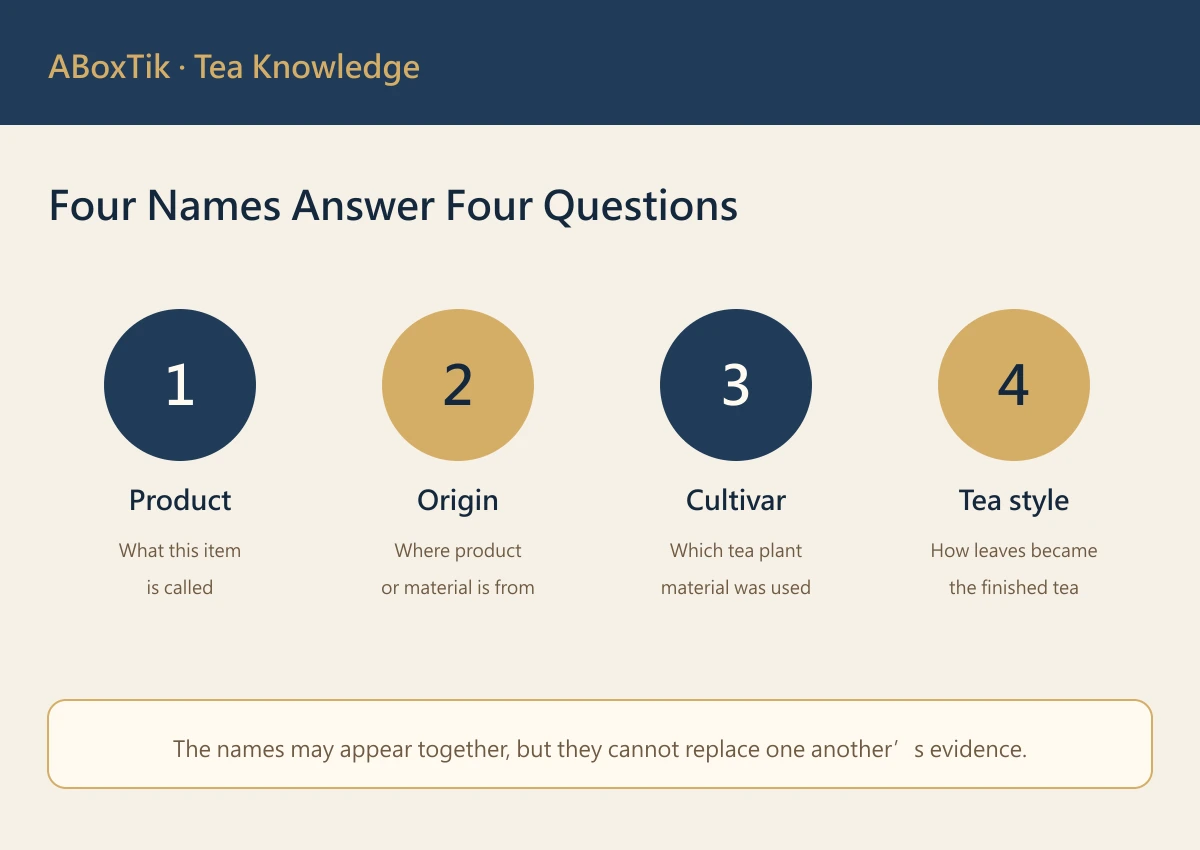
Four names, four different questions
A cultivar identifies the plant material. An origin refers to geographic information about the product. Tea style and processing describe how leaves are made. A product name identifies what is being sold. These labels may appear together or separately; none automatically supplies all the others.
Try a hypothetical example
Imagine a product called “light oolong from a named area.” Record the place and style, then ask the seller about the cultivar and production and packing details. If a cultivar is supplied, check which batch the answer covers. This is an exercise in asking questions, not a claim that an area uses only one cultivar.
What if the cultivar is not on the pack?
Read the ingredients, product description, business information, weight and storage guidance. If cultivar matters to your decision, ask the seller or maker. Record the reply, its date and the product version; if the answer is uncertain, leave that field open instead of treating a tea style as a plant name.
Read cultivar alongside flavour
Cultivar can be a useful clue, while growing conditions, harvest, processing and preparation also influence the cup. Check the current product description against your own preferences and consider a small quantity. Record vessel, tea and water amounts, temperature and time. Flavour words help people compare impressions; they are not answers everyone must find.
A name and evidence card
Product name: ____; stated origin: ____; cultivar or question for the seller: ____; tea style and process: ____; batch and date of information: ____; preparation: ____. Give known information and open questions their own boxes; choosing tea need not turn into a detective drama.
Common questions
Does the same name guarantee the same cultivar? No: check the product information. Does a cultivar name establish origin? The two answer different questions. Is a purchase impossible without a cultivar name? Consider what matters to you and ask for the information you need.
Practice with one package and leave room for questions
Copy the product name and any origin, cultivar, tea style and ingredients actually shown on a package. If a field is absent, write “not found on the package” rather than “none.” A product page or seller may provide more information, or further checking may be necessary. Record whether each detail came from the package, a page or a customer-service reply, and when it was checked. If the package version or batch changes, confirm again instead of transferring an old answer automatically.
When a name includes a place, ask whether the term refers to growing, making, packing or part of a brand name for this product. When a cultivar is supplied, ask whether it describes the entire product or a particular batch of leaves. Explain what you are comparing without assuming the answer. For origin or quality evidence, read the actual document and the scope it covers.
Put flavour descriptions beside cultivar information, not an equals sign
The Taiwan Tea and Beverage Research Station’s introduction to Wenshan bao zhong discusses tea style, common cultivars and growing areas together. The fields can complement one another without becoming interchangeable. A cultivar may have descriptions associated with it under particular conditions, while garden, harvest, processing and preparation also affect the cup. Separate a seller’s description, documented cultivar information and your own tasting notes so that the source of each statement is clear.
Your own note can include the amount of tea and water, vessel, temperature, time and infusion number. For a first comparison, follow each package’s guidance. If you later try a more consistent setup, record both the similar conditions and necessary differences. “This cup felt lighter” is easier to revisit with context than a conclusion drawn solely from the name of a tea you have not tried.
Use the card for a gift or procurement
A gift buyer can first ask whether the recipient prefers bags or loose leaves and a lighter or more roasted style, then review current product information. If a name is unfamiliar, ask the seller to explain it in ordinary language. A procurement team can add the information provider, applicable batch, version, confirmation date and approving owner. Before repeating cultivar or origin wording on a card or proposal, check that it matches the actual product and the information that may be shared.
The card does not need every field completed immediately. Record what is confirmed, keep open questions in their own column and update them when an answer arrives. Each name then stays within the question it can actually answer.
Official cultivar records describe a plant, not every retail tea
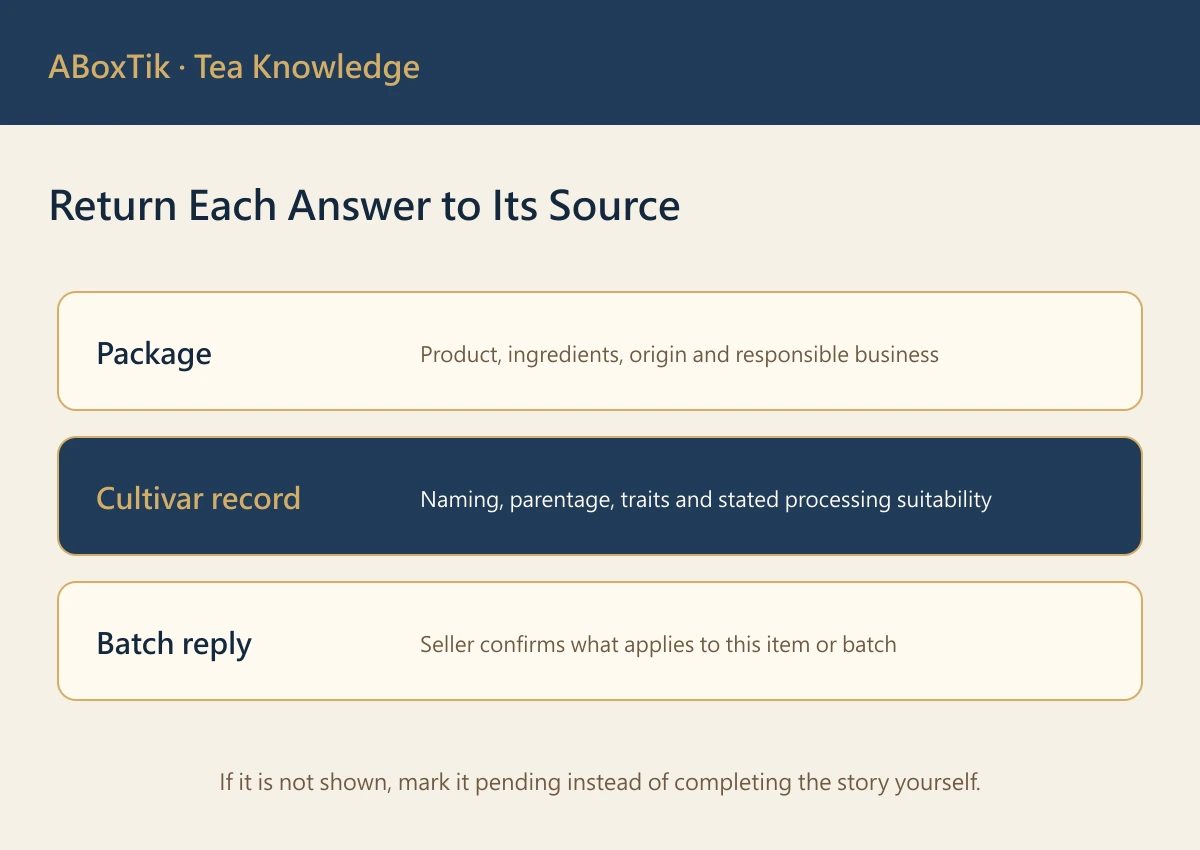
The Tea and Beverage Research Station’s cultivar table separates cultivar number, name, breeding line, parentage, naming year, plant traits and processing suitability. That structure is a useful reminder: a formally named cultivar is not the same thing as a product name or a tea style. “Suitable for” a tea type also does not prove that every retail package bearing a related name used that cultivar, or that every batch will taste alike.
The Station’s explanation of tea line 2028 offers an especially helpful caution. It distinguishes a breeding line that was not formally named from named TTES No. 12 and TTES No. 13, and explains why a number circulating in tea areas may not identify the plant as confidently as it appears to. For a buyer, the practical lesson is gentle but firm: an impressive number still needs a source, scope and batch connection.
Start with the package, then ask the unanswered question
Taiwan FDA guidance lists the required fields for packaged food, including product name, ingredients, quantity, responsible business information, country of origin and expiry date. Those fields help identify the product that is actually being sold. They do not necessarily require a cultivar field, so “cultivar not printed” should remain exactly that observation—not a claim that the tea has no identifiable cultivar.
When cultivar affects your purchase, send the seller a compact question: “For this product and current batch, what cultivar or blend is stated, and where is that information recorded?” If the answer covers a blend, seasonal change or only one lot, keep that limit beside the reply. For gifts or procurement, confirm whether the wording may be repeated on a card or proposal. A careful blank is more useful than a confident guess wearing a tiny bow tie.
A five-minute package exercise
- Photograph the front, back and date or lot area for your own record.
- Copy only the product name, ingredients and origin that are actually shown.
- Put cultivar, growing area, processing and flavour in separate fields.
- Mark each field package, official record, seller reply or personal observation.
- Add the check date and product version before comparing another package.
After the exercise, ask which missing field would truly change your decision. If none would, enjoy the tea without turning the cupboard into an archive department. If one would, you now have a precise question instead of a vague suspicion.
Explore next
Qingxin cultivar · Taiwan tea regions
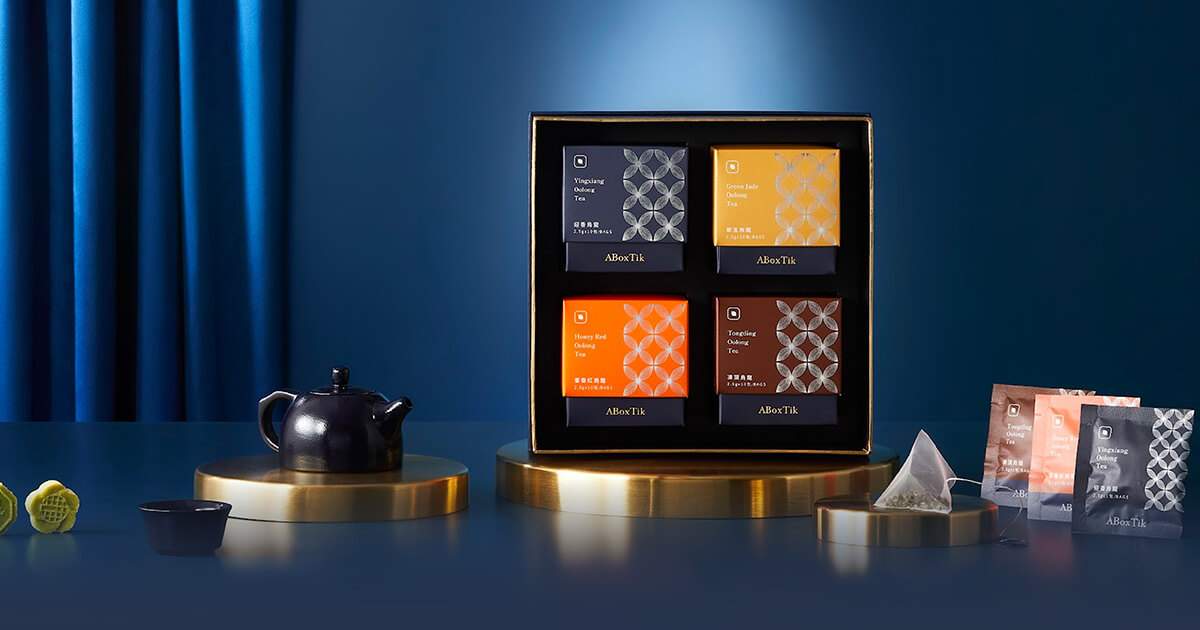
Cultivar names and product names now have their own places; the three labels below are easier still: premium tea gifts, further reading, and the latest boutique selections. Happily, none require a botany exam.
Sources
Tea and Beverage Research Station — named tea cultivars · Tea and Beverage Research Station — tea line 2028 and named cultivars · Taiwan FDA — packaged-food labelling guide