
Tea Knowledge
Local Craft Partnerships: What to Verify Before You Buy
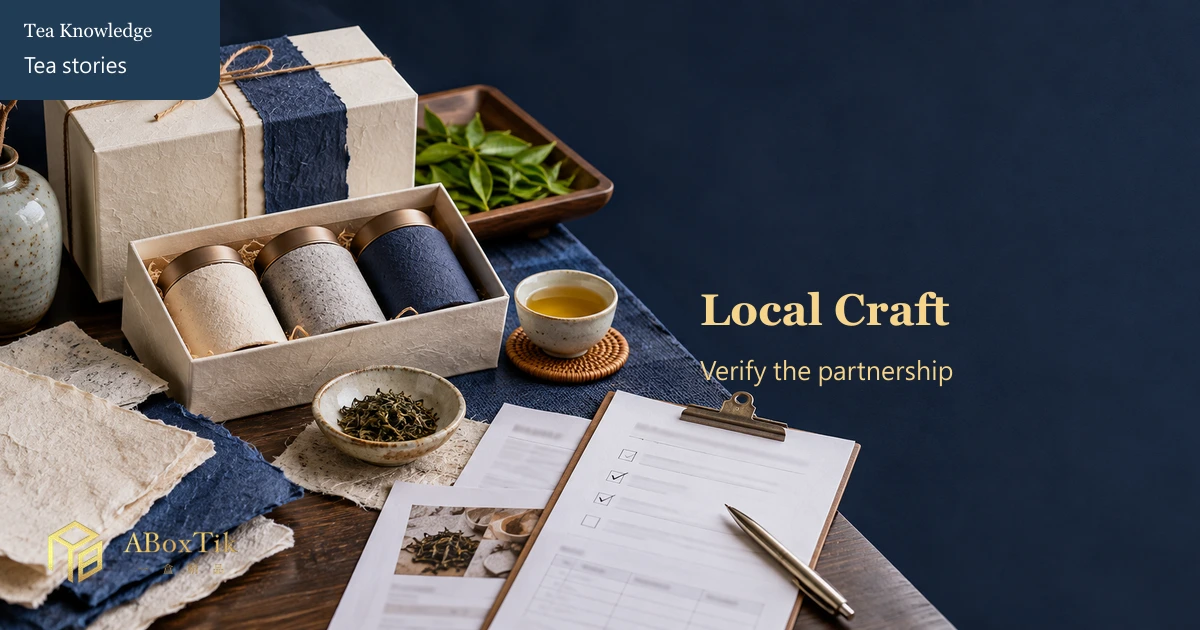
A local craft partnership is most useful to a buyer when the story can be followed back to people, roles and a particular object. This guide is a warm but practical way to check that trail without treating every maker like a suspect under a desk lamp. Start with the exact claim on the product page, then compare it with the named maker or studio, the item or edition, and a dated source. The goal is not to demand that every workshop publish private contracts. It is to understand whether the words describe design, production, finishing, inspiration or an official selection—and whether that description actually belongs to the item in your hand.
Two related ABoxTik guides can help frame the check: the Taiwan ceramic craft history guide provides historical context, while the premium tea value guide separates a good story from the practical details behind price. Keep a simple record as you read. Note what is verified, what comes from the brand, what is reported by a third party and what remains open. That small distinction makes a generous story more trustworthy rather than less charming.
Also check whether the information is current. A genuine collaboration may end, a studio may change its name, or a later production run may use another workshop. Save the access date and ask which edition the description covers. If the seller corrects an older page, that is useful transparency, not an automatic warning sign. The important test is whether the current buyer can understand the object, the people behind it and the route for care or repair.
Turn “local” and “partnership” into answerable questions
When a brand says it uses local craft, pause before letting the wallet perform its one-second opening trick. The phrase may mean that a local maker designed the form, a workshop made the object, a brand commissioned production, an artisan added one finishing stage, or the design simply drew inspiration from a place. Each can be worthwhile, but they are not interchangeable. Look for the partner’s full name, public identity, location, role, named product and collaboration period. If a page repeats “artisan spirit” without an identifiable person, object or edition, treat the gap as a question rather than completing the story yourself.
A partner may be an individual maker, studio, workshop, design team or manufacturer. The name should connect to public work, an official site, an exhibition record or a credible interview. A brand may lead planning and sales, a designer may define the form, and a workshop may execute production. That is a legitimate division of labour. What matters is stating it accurately instead of allowing “collaboration” to imply that every named person touched every stage.
Connect the collaboration to the exact object
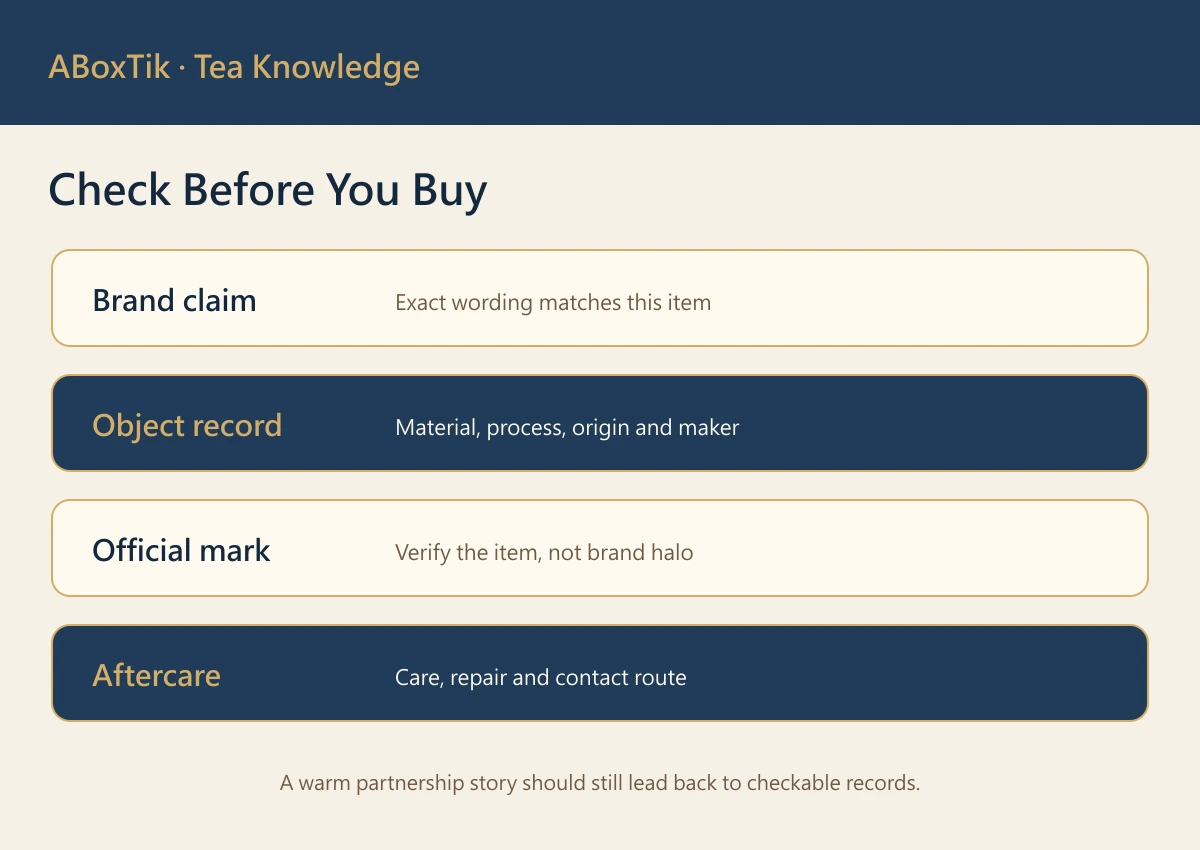
Record the product name, model or edition, material, principal processes, maker or production unit, designer, year and the page carrying the claim. Compare limited numbers, signatures, packaging, care cards and the order page. If later batches use another material or method, keep them separate. A first edition’s story should not be lent to the third edition like a borrowed coat.
Concrete process terms are easier to verify: clay body, glaze treatment, wheel throwing, slip casting, joinery or weaving. Broad terms such as natural, traditional and sustainable each require their own scope and evidence. Nor does handmade have to mean that no tools were used. A buyer needs to know where handwork enters the process, where variation may appear, and what limits follow for use and care.
Verify official selections and marks item by item
The National Taiwan Craft Research and Development Institute’s Taiwan Green Craft programme publishes a selection process and rules for use of its mark. Listed entries identify works, designers or makers, materials and descriptions. Such a record supports the listed work in the relevant selection. It does not automatically endorse every product sold by the brand, every later edition, or every broad local-craft statement. When a shop cites a mark, match the work name, year, catalogue page and object.
Official catalogue entries also model useful disclosure: collaborators, production units, materials, dimensions or specifications, and a work description can be inspected separately. A collaboration need not belong to an official programme to be genuine. Its evidence will instead come from both partners’ product pages, interviews, a public collaboration summary, exhibition records or clearly identified process documentation. A similar-looking mark is not a substitute.
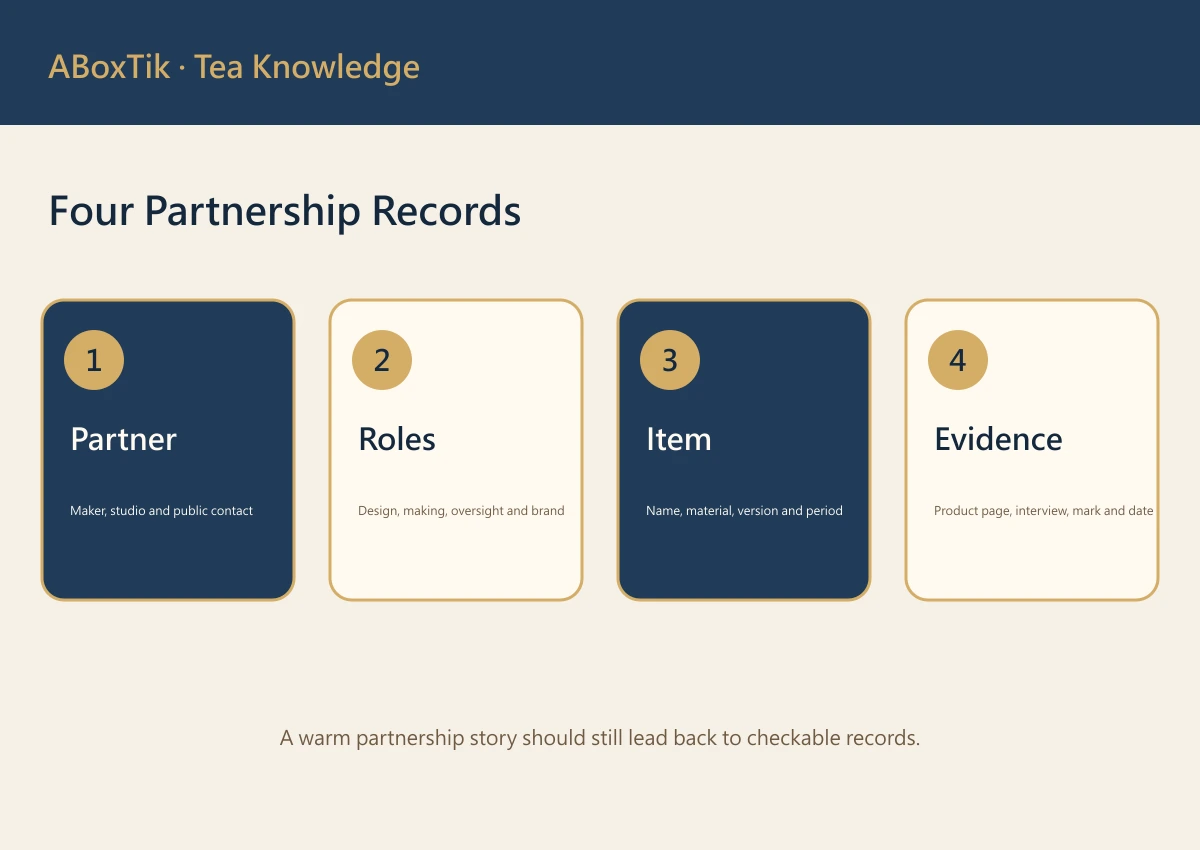
Use four layers of partnership evidence
At the first layer, both the brand and craft partner publicly acknowledge the collaboration. The second explains their different roles. The third ties those roles to a named item and version. The fourth provides traceable details such as material, process, quantity, period or an official selection. Not every detail must be public in every case, but higher prices and more specific claims justify a fuller record. If only a short brand post exists, ask politely for the partner name, production location, relevant stages and aftercare contact.
Save the URL and access date because product pages change. For an interview, keep the publication, interviewee, date and exact claim. A process video may show a genuine workshop while still depicting another product, prototype or season. This is not an attempt to turn teaware shopping into a detective exam. It keeps a purchase from resting on a glowing adjective with no address.
Eight useful questions before purchase
What is the maker or studio’s full name? What did each party contribute? Which item and edition does the statement cover? What are the main material and processes? Where was it actually made? Does an official selection or mark lead to this item? What variation, care and use limits should be expected? If repair is needed, should the buyer contact the brand or workshop?
The answers do not need to resemble an academic paper, but they should agree with one another. If customer service and the product page differ, save the page and ask which version is current. For a high-value, limited or collectible object, also check the certificate, serial number, maker’s signature, returns and repair conditions. When the answer remains unclear, keep the option to wait. The time taken to drink one more cup is often cheaper than living with a question mark on the shelf.
A checklist that can survive handover
Partner: ____; public identity and contact: ____; brand role: ____; craft partner role: ____; product/edition: ____; material and process: ____; production location: ____; collaboration period: ____; official listing or mark: ____; source URL and access date: ____; care and repair route: ____; unresolved points: ____.
Separate verified facts, the brand’s own statements, third-party reporting and pending questions. The story can keep its warmth while the record keeps its manners. A sound local craft partnership is not weakened when readers learn who did what. Giving proper visibility to names, skills and responsibility can make an object more meaningful—and much easier to use with confidence.
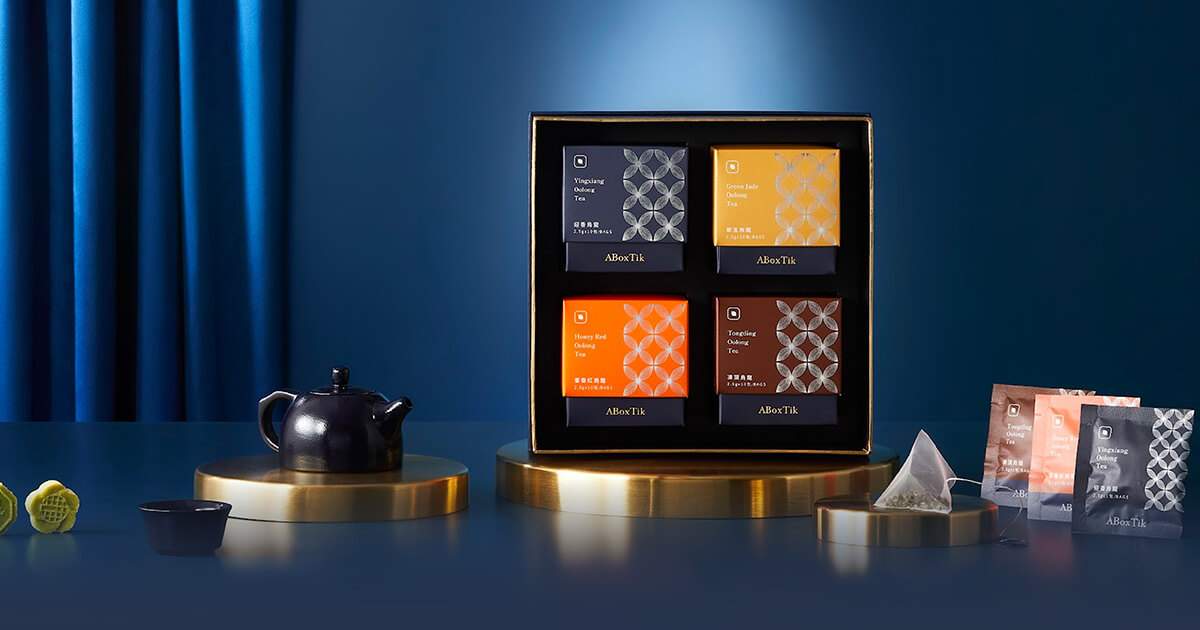
A genuine craft partnership welcomes a careful check; a relaxed browse can come afterward. The links below open premium tea gifts, more articles, and the latest boutique selections—curiosity is welcome, a magnifying glass is not mandatory.
Sources
NTCRI—Taiwan Green Craft selection process · Taiwan Green Craft catalogue—collaboration and material example · Taiwan Green Craft catalogue—maker and specification example