
Tea Knowledge
A Winter Dinner Tea Sequence for Sharing
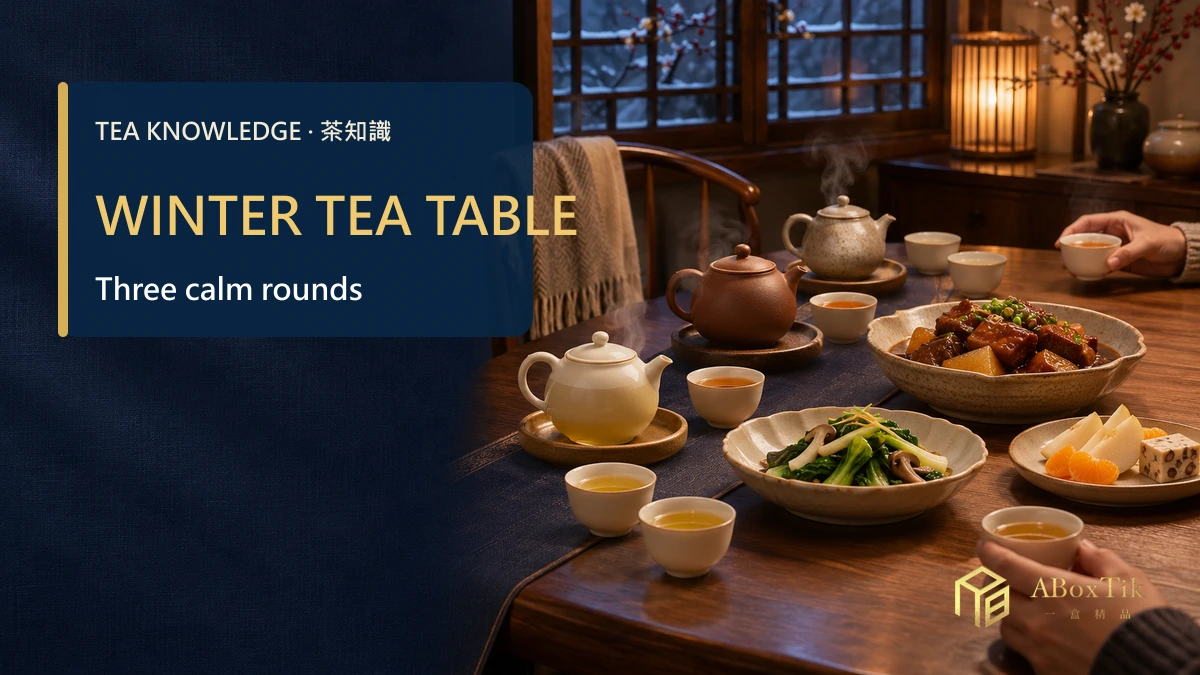
Serving hot tea at a winter dinner can turn hospitality into a small endurance sport: three pots appear at once, the host asks “More tea?” every two minutes, and the kettle has a busier social life than anyone else. A calmer plan divides the meal into three small tea rounds, following the actual intensity of the dishes instead of asking every tea to work from arrival through dessert.
This is an adaptable menu design, not the one best pairing and not a controlled recipe. Read the dishes, the brewing guidance on each tea and the guests’ preferences, then test a small pot. Give each round one owner so the table can keep its attention on people rather than timers.
Round one: leave room for a light opening
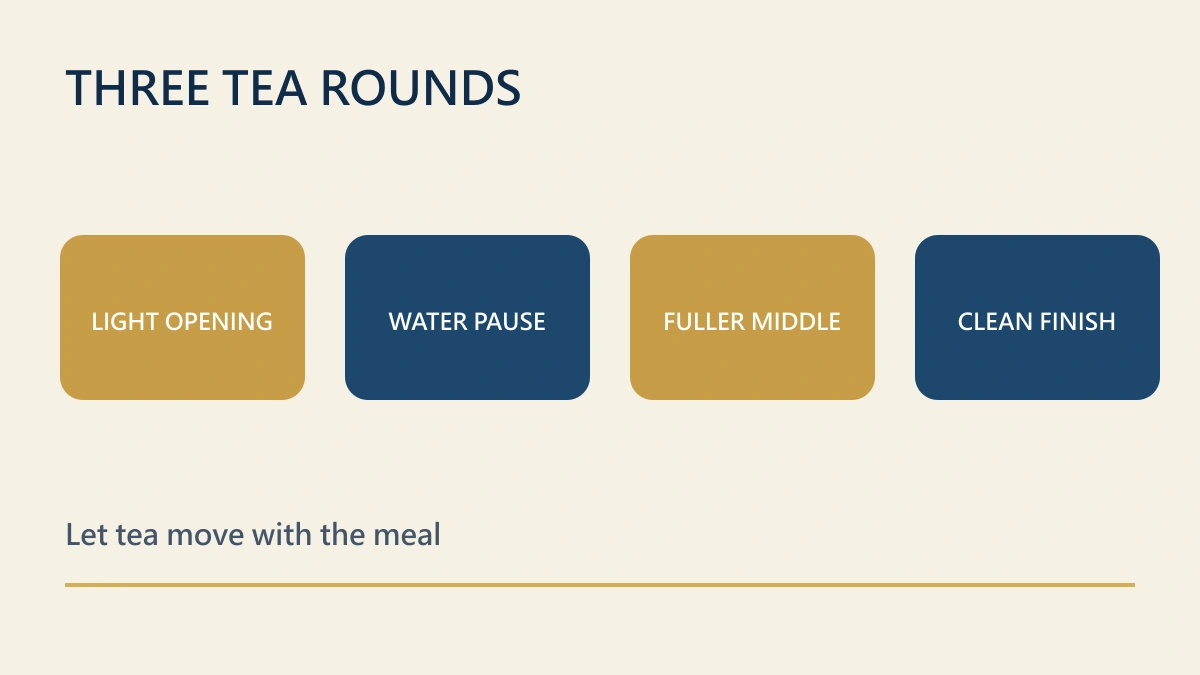
For vegetables, steamed dishes, tofu or delicate seafood, begin with a tea that has clear aroma and a lighter structure, such as a lightly oxidised oolong or pouchong style. Start from the package guidance with a small volume and modest infusion. Let the round owner taste first; the tea should be present without pushing the opening dishes off the stage.
Pour a small cup for each guest. Small servings stay warm and leave room to adjust. Anyone who wants more can have another pour, while a guest who prefers water does not have to pass a surprise enthusiasm test.
Round two: give richer dishes a firmer tea
For braised, roasted, savoury-sauced or mushroom-rich mains, move to an oolong or black tea with more structure, roast character or ripe-fruit aroma. This is not a claim that strong tea “removes oil.” It is a sensory contrast: a light first tea may become too quiet beside a fuller dish.
Offer water before changing tea and clear any remaining first-round liquor from the cups. If one pot must be reused, check that its aroma will not dominate the next tea. The easier option is one small pot per round with leaves portioned in advance—less chance of an improvised tea-tin treasure hunt in the kitchen.
Round three: finish cleanly, not automatically stronger
After fruit, nuts or a lightly sweet dessert, choose a tea with open aroma and a clean finish. If the dessert is very sweet, reduce the serving first and taste whether the tea still feels comfortable. The final round needs a clear full stop, not a row of exclamation marks.
Ask in advance whether anyone avoids caffeinated drinks in the evening. Keep warm water or a non-tea hot drink available at the same time. Brewing duration, strength or a label such as “low caffeine” cannot guarantee suitability for an individual guest.
Put the three rounds on one table card
| Round | Dish cue | Tea direction | Service move |
|---|---|---|---|
| Opening | Steamed, vegetables, tofu, light dishes | Clear aroma, lighter structure | Test a small pot; pour small cups |
| Main | Braised, roasted, savoury sauce, mushrooms | More structure or roast character | Serve water, then change tea |
| Finish | Fruit, nuts, lightly sweet dessert | Clean finish; not necessarily stronger | Reduce volume; keep a non-tea option |
The card is a plan, not table law. A menu that clearly moves from light to rich can follow the sequence. If all dishes are shared together, treat each tea as a chapter rather than pairing one tea with every plate. Nine dishes with nine teas quickly turns dinner into an exam.
Start small and refill according to the table
Estimate one small cup per person from pot size and guest count. Begin tea-to-water ratio, temperature and time from the producer’s package or retailer guidance. Tea and Beverage Research Station material also shows that different tea styles do not perform identically at one water temperature, so one temperature-and-seconds rule need not govern the whole table.
If the first infusion is too strong, shorten the next infusion, reduce leaf or divide the pour—change one variable at a time. Changing three at once only proves that the next pot is different; it does not show which adjustment helped.
Give each round one owner
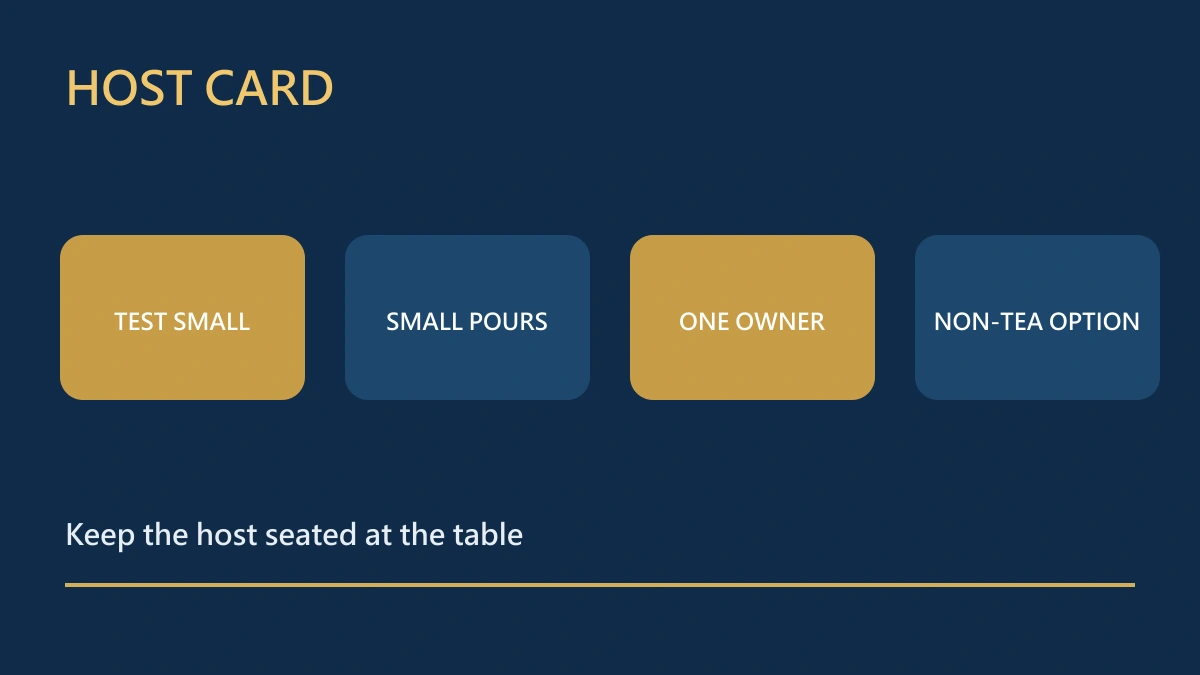
- Set out the three teas, pots and cup count before guests arrive; portion and label the leaves in sequence.
- Assign one person to each round instead of having several people manage the kettle at once.
- Taste one small cup before serving the table.
- Keep drinking water available throughout the meal.
- When a guest says they have had enough, treat it as a complete answer—no third round of persuasion required.
Rehearse with one familiar dinner
Do not use the most important gathering as the first trial. Choose three or four familiar dishes and two or three teas. Note which round was finished, which pot cooled and where the change felt natural. Remove one unnecessary task next time; the table will become calmer with every rehearsal.
Continue with ABoxTik’s tea pairing planner, cup shape and aroma guide, and tea water-temperature guide. A good sequence does not need every sip to be dramatic. If guests can eat comfortably, talk naturally and keep the host seated, the tea has already served the table well.
A sample flow for a table of six
Imagine six people sharing two light starters, one braised main and fruit to finish. Before dinner, portion three teas for small pots and prepare one pot of warm water. A person familiar with the lighter tea owns round one. Water is offered before the main, then a second person takes round two. Before round three, ask whether the table still wants tea; brew it only when it will be enjoyed. “We prepared it” does not need to become “everyone must finish it.”
This is a service example, not a fixed tea-to-water recipe. Actual pot volume depends on cup size, guest interest and product guidance. If several guests decline the first round, reduce the second. Precise hospitality sometimes means brewing one pot less, not displaying one tea more.
Plan temperature, vessels and movement together
Tea continues to cool after it leaves the pot, and a winter table does not benefit from water that is simply as hot as possible. Check that cups are comfortable to hold, the spout never crosses another guest’s plate and the hot-water kettle sits where sleeves cannot catch it. When children, older guests or anyone with limited mobility are present, keep the route clear and give one person responsibility for moving hot water. This is table safety and service design, not a contest for the most dramatic pour.
Write down what the table actually used
After the meal, note pot volume, approximate cups served, which round was refilled and which tea remained. Add one sensory sentence: “too strong beside the starter,” “worked once the main arrived,” or “third round was not needed.” Those plain notes are more useful next time than an elaborate pairing vocabulary nobody at the table remembers.
Also record the practical friction: a pot that poured slowly, cups that were too large, or a kettle placed too far from its owner. Improving the tea sequence often means improving movement, not buying another tea. The best sign is a host who can sit down before the food gets cold.
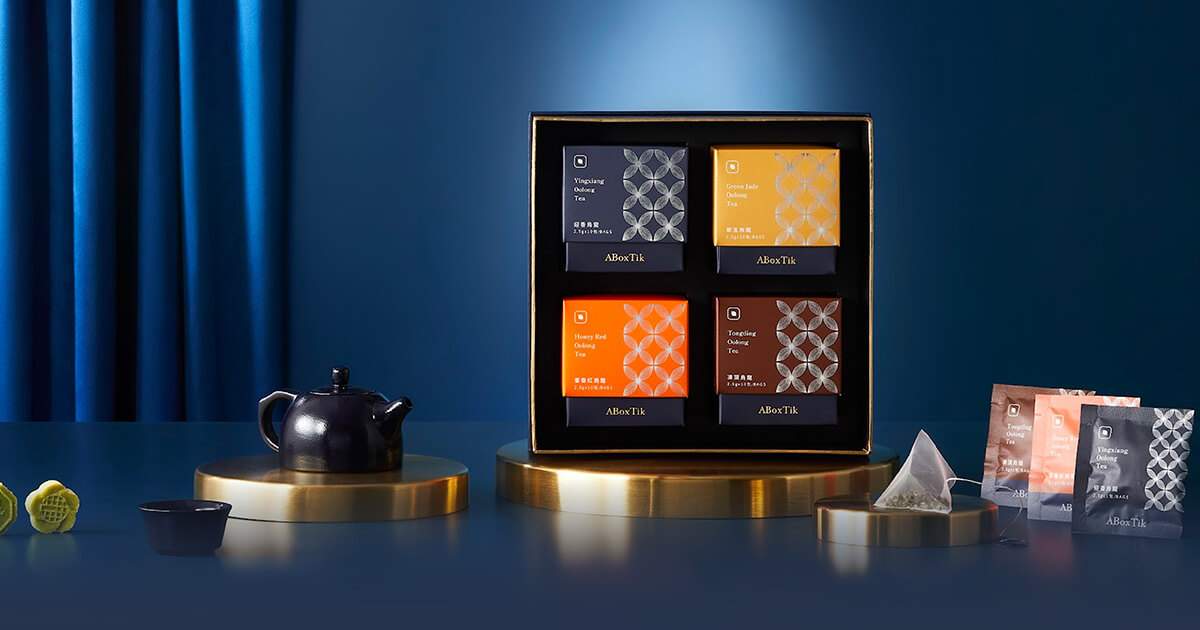
After the final cup, let the winter table keep its unhurried glow. The links below offer premium tea gifts, more reading, and the latest boutique selections—the only fourth round is entirely optional.