
Tea Knowledge
Taiwan Tea and Cheese Pairing: Three Designs and a Note Sheet
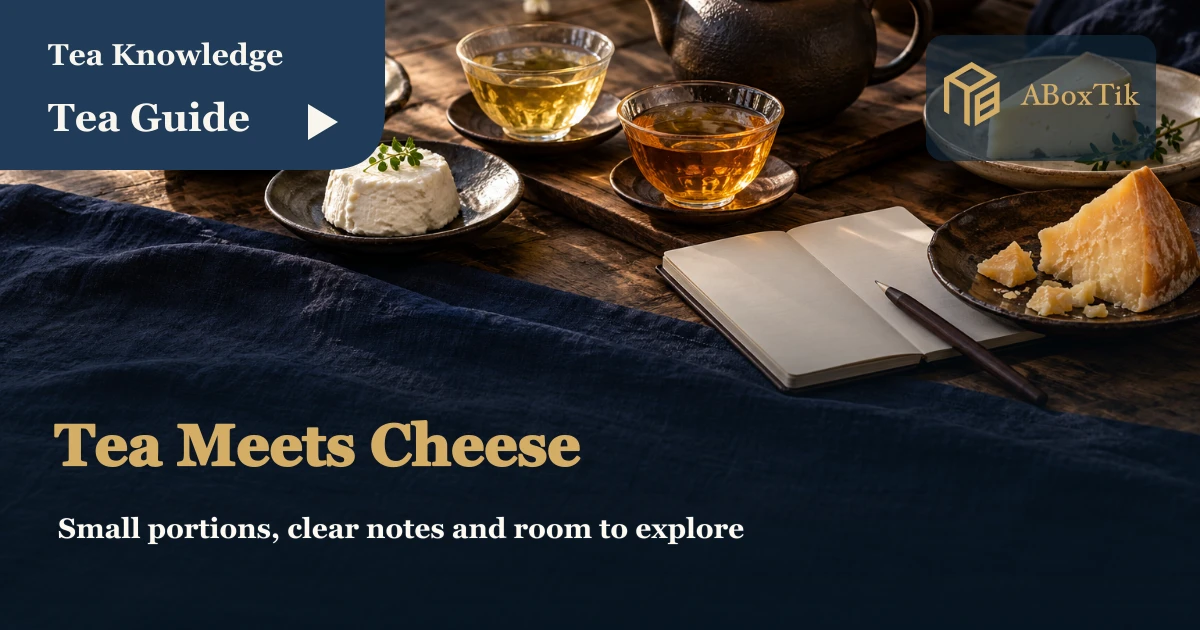
A good pairing session does not need a winner. It needs enough quiet space for two flavours to meet.
Taiwan tea and cheese pairing becomes more useful when it follows a clear sensory sequence. Taste tea alone, cheese alone, then a small bite with a sip; compare two conditions and write what the table actually notices.
This planner uses small pours, plain resets, a stable tasting order and a blank sheet. It is designed for a relaxed home table: curious enough to learn from, simple enough to clear before the conversation wanders elsewhere.
Taiwan tea and cheese pairing: choose one clear question
Choose one tea and one cheese for the first round, then decide what you want to notice: aroma, texture, saltiness, or the finish after swallowing. A pairing plan is a way of paying attention, not a contest in which the louder flavour gets a medal.
Read the package and cheese label before the table is set. Record tea name, preparation, cheese style, date, and serving temperature. Those plain details make a later note useful; “nice together” is charming, but it cannot tell tomorrow’s self what to repeat.
Set cups, a timer, plain crackers and drinking water within reach. Avoid strongly scented candles or foods during the first comparison, so the tea and cheese remain the main conversation. Keep cheese labels beside the board and follow their storage and serving directions.
Choose the tea first, then select two cheeses whose descriptions suggest different textures rather than declaring either one a match. For example, a lightly oxidised Taiwan oolong can be set beside a fresh, mild cheese and a semi-firm cheese. The design question is whether the tea’s aroma remains legible after each bite. Check the Green Jade Oolong information for one actual fresh-style option.
Label the cups A and B, not “good” and “bad.” Begin with the same tea preparation for both. If one cheese arrives colder than the other, note that condition instead of pretending temperature has no voice at the table.
Tea Research and Beverage Station information describes how brewing water and temperature affect a cup. Keep those conditions stable within a comparison, starting from the actual packet instructions. The brewing guide and oolong temperature guide offer context for making the first preparation repeatable.
Build a calm tasting order
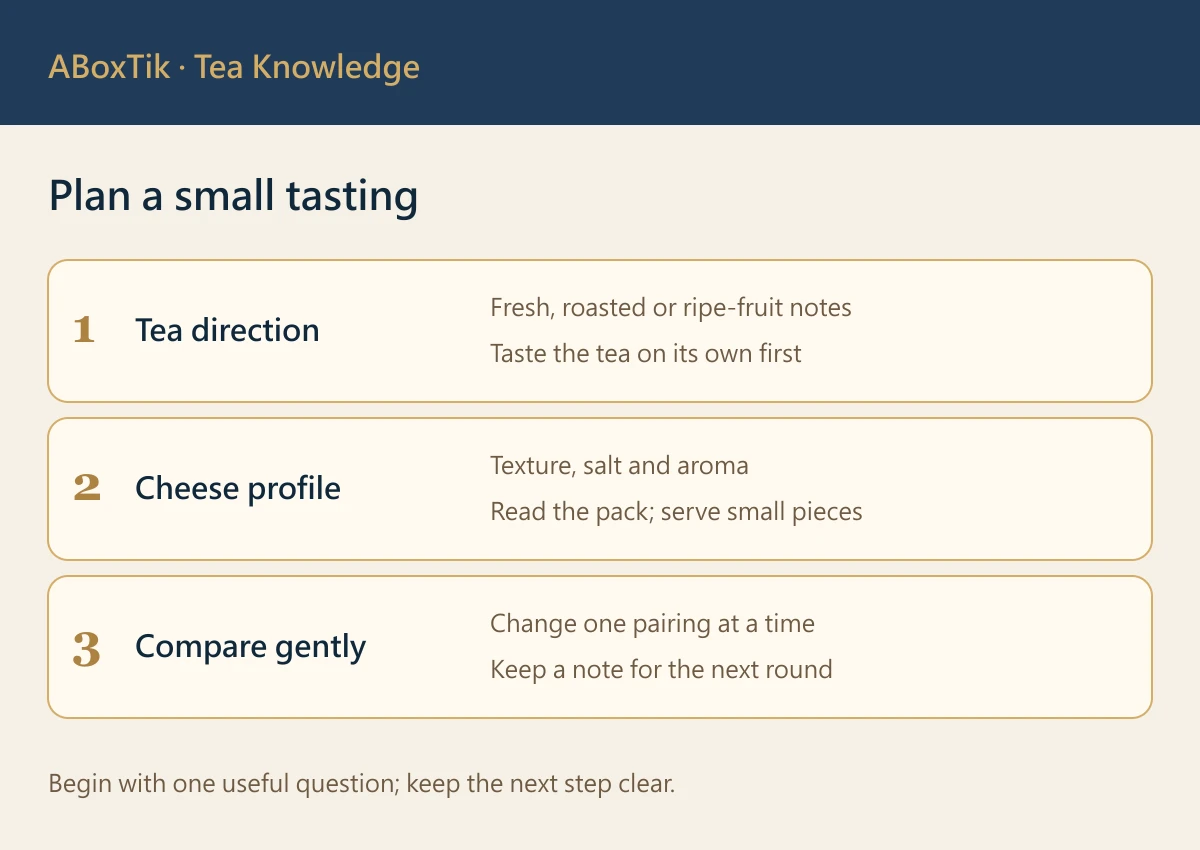
Begin with a lighter, less assertive cheese and move toward firmer, saltier, or more aromatic choices. Brew one tea at a time using its own directions. This sequence is a starting design, not a ranking.
Taste the tea alone, taste the cheese alone, then try a modest bite followed by a sip. Pause long enough to notice whether the tea feels quieter, clearer, rounder, or simply different. Different is not automatically better.
Reset with water and a plain cracker when needed. If everything begins to taste heroic, the palate is probably asking for a small intermission. A good host notices before the notes become dramatic literature.
Prepare the tea in advance only far enough to serve it at a comfortable temperature. Pour a small amount into each cup and keep the pot or infuser nearby for a second, equivalent round. A rushed top-up changes concentration without announcing itself.
Place the mildest cheese first, then the more aged or salty one. Do not ask guests to remember a long route. A card reading tea alone, cheese alone, cheese then tea, and pause will do the quiet work.
Choose contrast or echo on purpose
To explore delicacy, place a fresh or lightly oxidised oolong beside a mild cheese and compare how clearly each remains noticeable. To explore weight and linger, try a roasted direction with a firmer, savoury cheese. Choose one question for each round and let the notes describe the cup actually served.
Keep cheese portions and tea volumes similar between comparisons. Changing three variables at once makes any result hard to interpret. If a cup is too concentrated, adjust the brew before judging the pairing.
Use familiar language: “brighter after the sip,” “the salt stayed longer,” or “the aroma disappeared.” Nobody has to identify an imaginary orchard before lunch.
A second design can place a roasted oolong beside a semi-firm cheese and a firmer aged cheese. The question is not whether roast “cuts” anything; listen for where the tea’s warmth, savoury notes, or finish become more or less distinct. The Dong Ding Oolong page and fresh-versus-roasted guide can help identify a starting direction.
For a third possible design, use a ripe-fruit red oolong with a mild cheese and, if the group wishes, a small amount of a stronger aromatic cheese. Look at the honey red oolong information first. Compare the order in which aroma and savoury impressions appear, rather than trying to complete every suggested design in one sitting.
Use a blank tasting sheet
Make one row for each pair: tea, brewing details, cheese, serving condition, first impression, aftertaste, and “change one thing.” This turns a vague preference into a practical next round.
Place the blank sheet on the table before the first sip. Ask everyone to write separately before talking, so the group keeps a range of impressions rather than inheriting the first confident adjective. A brief answer or an empty field can guide another question.
When several people taste together, ask everyone to write before discussion. Agreement is pleasant; difference is also data, and often makes the conversation better.
| Field | A | B |
|---|---|---|
| Tea and actual brewing conditions | ____ | ____ |
| Cheese, portion and serving condition | ____ | ____ |
| Separate tasting impressions | ____ | ____ |
| Changes when tasted together | ____ | ____ |
| Aroma, salt and finish | ____ | ____ |
| One next adjustment | ____ | ____ |
For the “together” column, choose one observable sentence. The table gains value when it records a sensory sequence, not when it pushes everyone toward the same adjective. Write what happened first, then decide whether another round is useful. The honey and fruit aroma guide can help separate two familiar descriptive families.
Set up a table you can repeat
Use small cups, label the teas and give each cheese its own clean utensil. Keep the packages available for ingredient and storage information. Take out only what is needed for the current round and store the rest as directed, so attention can stay on the tasting rather than on a crowded board.
Plan the finish: cover remaining cheese as its label directs, empty and rinse tea vessels, and photograph the completed sheet if it will help later. A calm reset protects both the kitchen and the next cup.
For a gift-sized version, choose a tea format the recipient can actually brew and include the blank sheet. A beautiful pairing idea should not arrive with a surprise equipment requirement.
After brewing, separate the leaves from the tea at the intended strength. If making another round, record its actual preparation rather than treating a hurried top-up as identical to the first pour. The whole-leaf tea-bag guide offers one convenient removal format; an existing strainer can serve the same practical job.
Keep the table short: two teas with two cheeses is already four comparisons plus repeat pours. Finish while curiosity is still awake. A smaller session leaves room to test a changed brew or serving temperature another day.
Turn notes into the next invitation
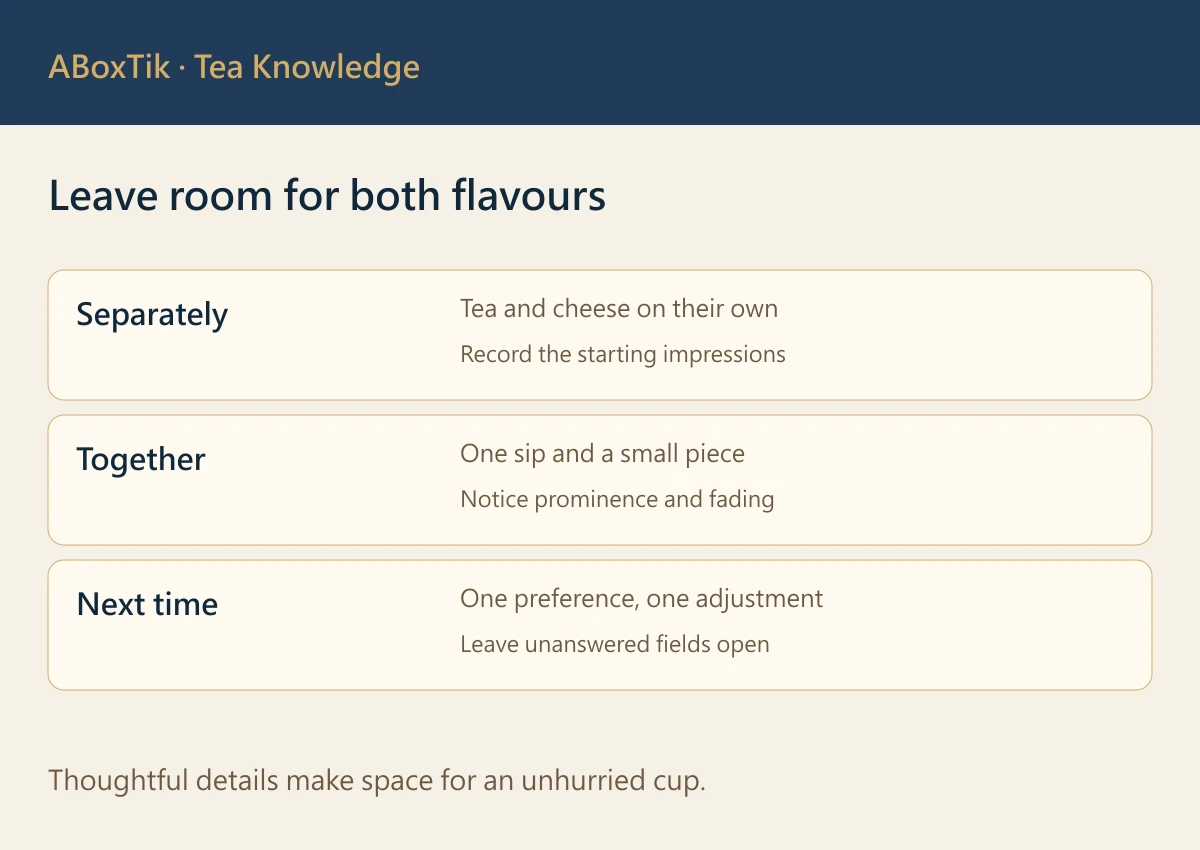
Review the sheet after the tasting. Keep one pair to revisit, one question to test, and one detail that was not worth repeating. That is more useful than pretending an afternoon has settled every flavour question.
Explore tea aroma notes and the guide to giving tea when deciding which part of the session to share. Keep the format suited to the recipient’s existing tools, and include the actual tea name and brewing directions with the blank sheet.
The generous result is a table people want to return to: one clear question, small portions, and notes that belong to those who tasted them.
Before the next session, choose one revision only: swap cheese order, change tea concentration, or alter serving temperature. Copy the tea’s package direction first; experiment around it rather than replacing it with a universal formula.
If the session is a gift, include the table and a note about the actual tea format. The recipient may use a mug, infuser, or tea bag; the best design is the one that can be repeated after the evening’s plates are gone. The mixed tea-bag guide can support that format decision.
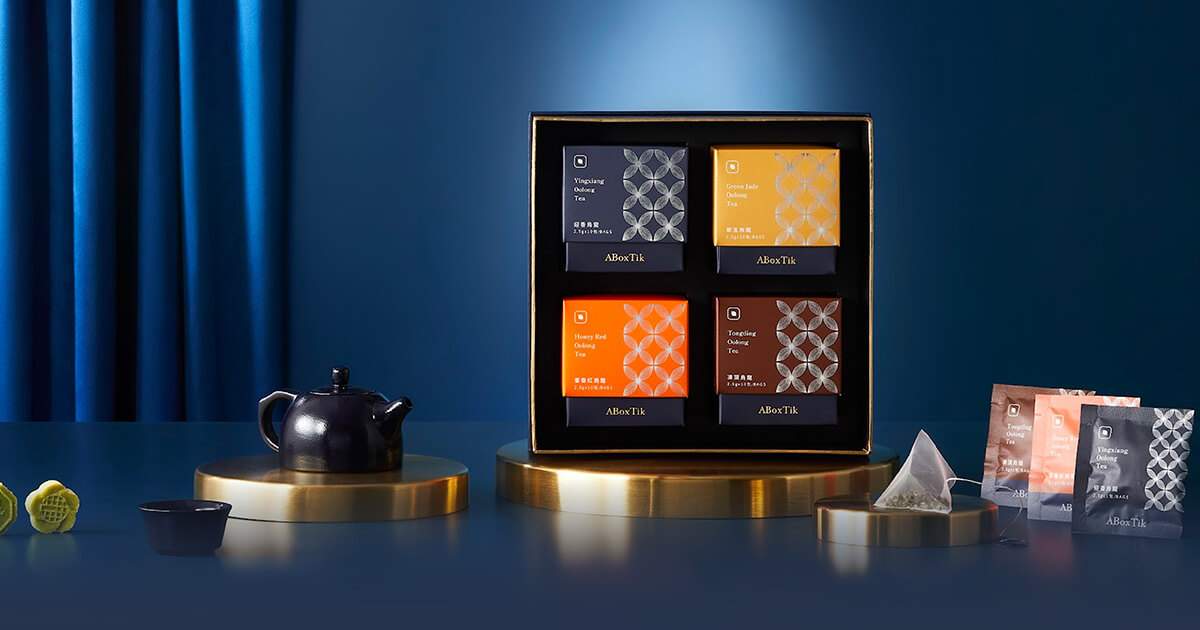
ABoxTik | Make room for a considered cup.
Leave the next tasting open
Review the sheet once, keep one question for another session, and simplify anything that made the table harder to use. A measured tasting leaves plenty of room for pleasure.
A good pairing does not need to win a debate. It only needs to invite another attentive cup.
Related reading
Sources
Sources checked 17 October 2026.