
Tea Knowledge
Baozhong vs High-Mountain Oolong: Shape, Aroma and Choice
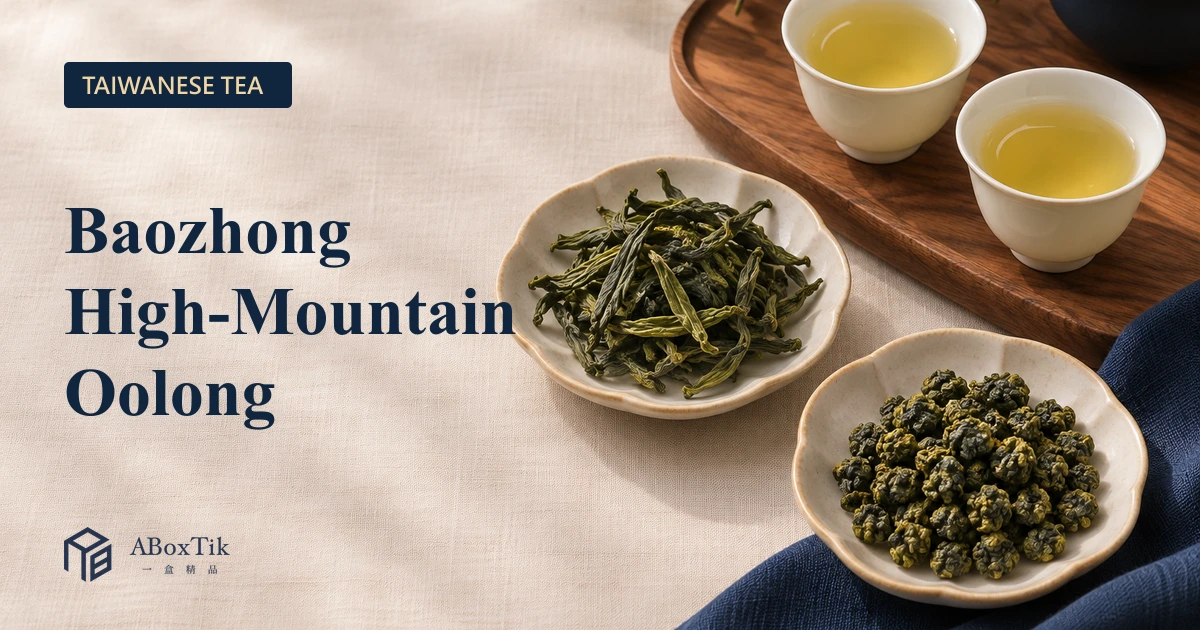
Baozhong and high-mountain oolong can both offer a lighter aromatic starting point. Choose between them by reading the actual tea, its leaf shape and its brewing instructions. Wenshan Baozhong is commonly strip-shaped; lighter high-mountain oolong is commonly rolled. Neither a green-looking leaf nor a pale cup turns Baozhong into green tea.
If only one packet is coming home, start with the moment it will serve. Is this a covered-cup tea for an unhurried break, or something to explore through several small-pot infusions? This editorial guide provides a buying comparison and a two-round home exercise. Use the exercise to keep a personal reference for the next purchase.
Read the names before predicting the flavour
Wenshan Baozhong connects a northern Taiwanese tea tradition with a lighter, strip-shaped style. High-mountain tea first points towards growing conditions and origin; the particular cultivar, processing and source still need checking. The Tea and Beverage Research Station uses Baozhong and high-mountain oolong as examples of different characteristic tea shapes. That distinction is a useful starting point, rather than a promise that every packet in either group tastes alike.
A cultivar can participate in more than one style of tea. Seeing the same cultivar alongside two finished-tea names is therefore not necessarily an error. Put cultivar and finished style in separate columns. The broader Taiwanese tea comparison guide helps place these choices among other teas; here, the task is simply to choose between the two packets in front of you.
Use a comparison table for information you can check
| Question | Wenshan Baozhong | Lighter high-mountain oolong |
|---|---|---|
| Common shape | Looser twisted strips | Rolled or partly rolled leaves |
| Buying details | Actual source, cultivar, harvest and style | Specific region, cultivar, harvest and roast |
| Measuring | Weigh the leaves; avoid judging by bulk | Weigh the leaves; avoid counting pellets |
| Brewing space | Room for leaves and easy separation | Room for rolled leaves to open and drain |
| First exercise | Follow each product’s instructions and identify what suits the routine | |
There is deliberately no row saying that one is always more fragrant or always lasts longer. Aroma, strength, texture and later infusions belong to the particular teas. If a seller supplies only a dry-leaf photograph, ask for the product details and brewing guidance. A photograph can help describe shape, but cannot perform a tasting on your behalf.
Leaf shape changes preparation, not the quality verdict
A spoonful of loose strips need not weigh the same as a spoonful of tightly rolled oolong. If one cup seems thin and the other strong, first check the leaf weight. Otherwise, a difference in loading can quietly become a supposed difference in quality. A small scale and a note of the water volume provide a more useful foundation than counting spoonfuls or individual leaves.
Give the leaves enough room to open. A cramped infuser and slow drainage deserve attention before buying another set of expensive teaware. Begin with a clean covered cup, filter cup or small pot that can be handled consistently. The right everyday format is the one that makes the next cup manageable, not just the first photograph attractive.
For a large mug, decide how the leaves or bag will be removed before leaving tea on the desk. Different contact times can change the comparison considerably. The guide to separating and reinfusing tea offers a practical next step. Shape remains useful information, but it should not be asked to explain every difference in the cup.
Try two rounds with different questions
Round one asks how each tea works with its own instructions. Use the same drinking water and similar clean vessels, but retain the recommended leaf quantity, water temperature and steeping time for each product. Record the full names. Separate both teas from their leaves before drinking, so one cup is not still extracting while the other has already stopped.
Round two can ask about common conditions, provided both teas are suitable for them. Keep leaf weight, water volume, temperature and time the same, and describe the result as that particular comparison. If the instructions differ substantially, there is no need to force a shared setting. These two rounds answer different questions; label them clearly rather than combining their conclusions.
- Write one aroma word and one texture word independently.
- Return when both cups have cooled slightly.
- On another occasion, reverse the order of the first sip.
- Change only one brewing variable and record the reason.
A floral association does not itself mean flowers were added. Ingredients are a separate label question. Equally, there is no need to find the orchid mentioned in someone else’s notes. “Light aroma,” “green impression” or “quiet today” can all be useful descriptions. The note should help a future purchase, rather than demonstrate that a particular flower has been correctly identified.
Choose one packet, a small comparison or a gift
For one everyday vessel, favour clear instructions and a quantity that matches the drinking routine. For exploration, ask about currently available smaller packs without assuming free samples are offered. Buying both can make sense, but avoid opening more tea than will reasonably be used. The comparison budget should support useful cups rather than an overfilled cupboard.
For a gift, ask about the recipient’s teaware and preferred aromatic direction. High-mountain tea need not automatically be the more impressive choice, and Baozhong need not be reserved for beginners. A short card naming the tea and its starting method often does more practical work than a general claim that the gift is premium.
The ABoxTik Taiwanese tea and gift selection helps explore formats, while the six-tea product comparison describes the actual classic range. Check each selected set’s tea names, contents and quantities directly. If both styles appeal, choose the quantity and preparation that fit life now, leaving the other for another afternoon.
Common questions about Baozhong and high-mountain oolong
Is Baozhong simply a weaker green tea?
No. Wenshan Baozhong belongs to the partially oxidised tea tradition. Cup strength also depends on the actual preparation, so keep processing category separate from concentration.
Do rolled leaves always provide more infusions?
Shape alone cannot settle that. Record leaf weight, brewing conditions and the strength still enjoyable to you. Equal spoonfuls are not automatically equal quantities of tea.
What if I enjoy both?
Give them different roles, or begin with the packet that best suits the current vessel and drinking frequency. A useful choice does not require a permanent winner.
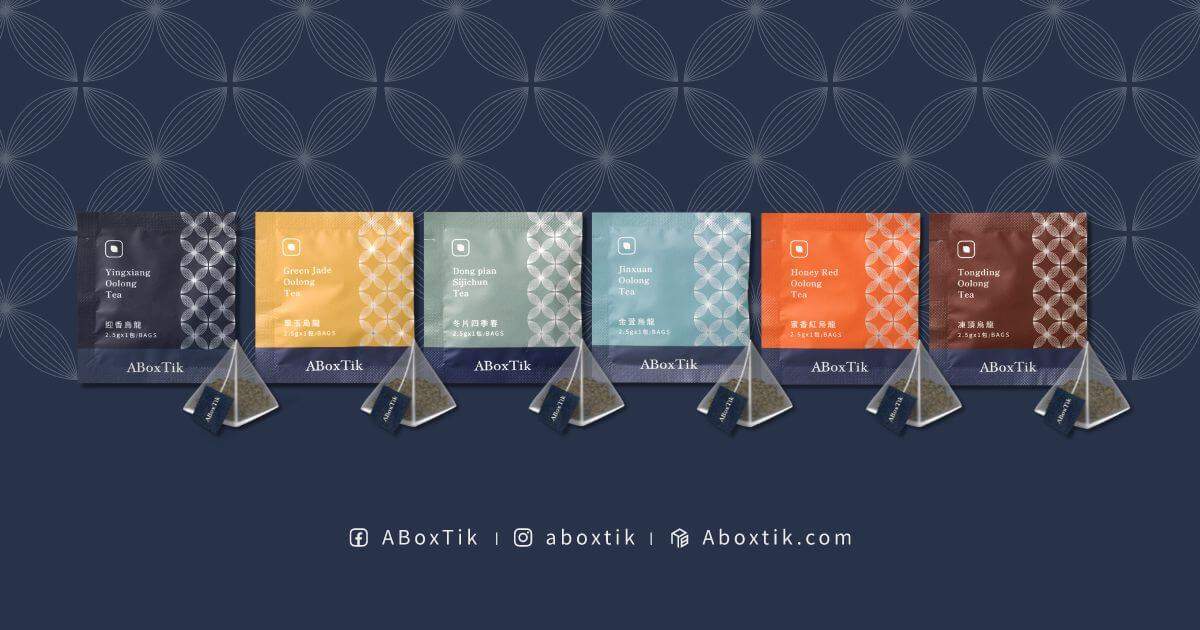
Strips and rolled leaves can share a cupboard without a debate. Tea gifts, further reading and the latest selections below offer a few relaxed next steps.
Sources
- Tea and Beverage Research Station: Tea Categories and Processing
- Tea and Beverage Research Station: Brewing Water and Temperature
- National Museum of Natural Science: Tea Cultivars
Sources reviewed 17 November 2026. Methods and fictional calculations are editorial tools; product details follow the current listing.