
Tea, Tea Knowledge
Taiwan Tea Ranking 2026: 10 Teas and How to Choose

How should you read a Taiwan tea ranking in 2026? This guide compares ten familiar Taiwanese teas by style, flavour and drinking occasion. The numbers retain the original article’s reading order; they are not competition results or quality scores. For a first choice, start with floral, roasted, honey-fruit or black-tea flavours, then explore the original introductions below.
Taiwanese tea developed through native tea plants, introduced cultivars and generations of tea-making craft. Its natural environment, growing regions and processing traditions have created a wide range of styles, particularly oolong.
As Taiwan has a mountainous landscape, the taste of the tea produced is different according to the height of the altitude, and each has its own supporters and characteristics. Today we are sorting out the top ten famous Taiwanese teas, including: Dongding Oolong, Wenshan Baozhong, Oriental Beauty Oolong, Alishan High Mountain Oolong, Sun Moon Lake Black, Muzha Tieguanyin, Biluochun Green, Jinxuan, Cuiyu, and Sijichun Oolong.
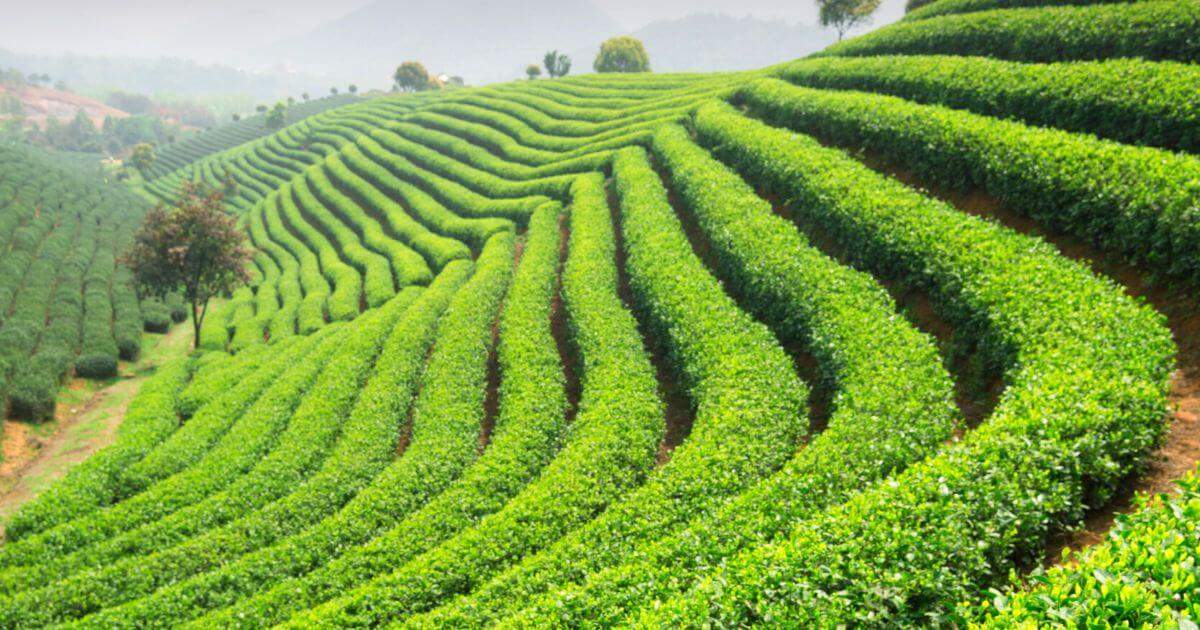
What is Taiwan Tea Ranking?
Ten Taiwanese teas: the original introductions, updated for 2026
Compare the ten teas before choosing
There is no need to memorise every name at once. Pick a flavour direction that sounds appealing, then read the corresponding introduction below. This editorial comparison is a starting point: cultivar, season, processing and brewing can all change what appears in the cup.
| Original order / tea | What the name describes | Flavour direction to explore | A useful starting point for |
|---|---|---|---|
| 1. Tieguanyin | A cultivar name and a distinctive tea style | Roasted notes and a defined tea character | Someone who enjoys roasting aromas |
| 2. Oriental Beauty | An oolong shaped by leafhopper feeding and processing | Honey and ripe-fruit notes | Exploring honey-fruit aromas |
| 3. Sun Moon Lake black tea | A regional name covering different cultivars | Black-tea body; Ruby may have spicy notes | A regular black-tea drinker |
| 4. Wenshan Baozhong | A strip-shaped, partially oxidised tea | Fresh floral aromas | A preference for lighter aromas |
| 5. Four Seasons oolong | Oolong made from the Sijichun cultivar | Fresh and floral notes | Everyday exploration |
| 6. Alishan high-mountain oolong | A region rather than a single cultivar | Fresh, gently sweet character | Comparing mountain-tea styles |
| 7. Biluochun green tea | A green-tea style associated with Sanxia in Taiwan | Fresh, vegetal notes | A green-tea drinker |
| 8. Dongding oolong | A name connected with Lugu and a processing tradition | Ripe-fruit and roasted directions | A rounder tea character |
| 9. Cuiyu / Jade oolong | Cuiyu is cultivar TTES No. 13 | Floral notes, sometimes reminiscent of ginger lily | Learning about cultivar aromas |
| 10. Jin Xuan oolong | Jin Xuan is cultivar TTES No. 12 | Floral; milky notes under suitable conditions | Softer aromatic styles |
Region, cultivar and tea style answer different questions
Jin Xuan and Cuiyu name tea cultivars. Alishan and Sun Moon Lake mainly identify regions. Baozhong, Oriental Beauty and Dongding also describe processing traditions and local styles. Jin Xuan can therefore grow in Alishan, while Sun Moon Lake black tea need not be Ruby. Asking where a tea was grown, which cultivar was used and how it was processed makes a label much more useful. The Taiwan Tea and Beverage Research Station’s classification provides background on tea styles.
1.Tieguanyin Oolong Tea – Taiwan Tea Ranking
Tieguanyin is a fairly full-bodied oolong tea that has undergone a complex production process to create a unique and distinctive roasted tea flavour. The main production areas are Maokong and Mucha in Taipei.
How much do Taiwanese love Tieguanyin Oolong tea? You can know from how frequently Tieguanyin latte can be seen on the menus of bubble tea shops throughout Taiwan.
It is very common to drink brewed Tieguanyin tea with fresh milk as the strong taste of Tieguanyin is close to black tea, a very suitable choice for those who feel that other Taiwanese oolong and green teas are too weak.
⚑ Read More ⚑
Taiwan Champion Tea & The Birth of the Tea King?
2.Oriental Beauty Oolong Tea – Taiwan Tea Ranking
Taiwanese Oriental Beauty Tea, AKA Champagne Oolong Tea, is the favourite of many tea lovers. Oriental beauty tea is made from tea leaves that have been bitten by an insect known as “little green leafhopper”. Leafhopper feeding is known as zhuo yan; it is not the name of a single compound. Leaf condition and subsequent processing help develop honey and ripe-fruit aromas.
Compared with other Taiwanese oolong teas, Oriental Beauty has a strong aroma of candied fruit with a fresh aftertaste, and is regarded as one of Taiwan’s most premium teas. This tea is believed to have been named Oriental Beauty by the Queen of England, but due to the appearance of the leaves, some people refer to it as “Pekoe Oolong Tea”.
The leaves of Oriental beauty tea are heavily fermented, closely resembling black tea. The most unique thing is that when the growth of the young leaves is affected by the little green leafhopper, the authenticity of Oriental Beauty Tea is instantly made present.
3.Sun Moon Lake Black Tea – Taiwan Tea Ranking
Although Taiwan is famous for its oolong tea, in recent years, the black tea from Sun Moon Lake has gradually gained recognition on the market and has become one of the representative teas in Taiwan.
The history of black tea cultivation in Taiwan can be traced back to the Japanese occupation period. Following the example of the British in India, the Japanese colonists used Assam tea trees to start large-scale black tea production in the Sun Moon Lake area of Taiwan.
Although black tea was introduced by the Japanese, Taiwan also developed a distinctive cultivar, Hongyu, which is known as Taiwanese tea No. 18. Ruby was bred from Burma large-leaf tea and Taiwanese wild tea, and can show mint and cinnamon notes. Sun Moon Lake black tea includes different cultivars, so the flavour depends on the individual tea.
⚑ Read More ⚑
Top 10 World Most Expensive Teas in History!
In the tapestry of Taiwanese tea, where oolongs dance and high-mountain teas whisper, the tea styles reveal a symphony of flavors. From the emperors of Alishan to the artisans of Dong Ding, each tea has a place in this aromatic ballet.
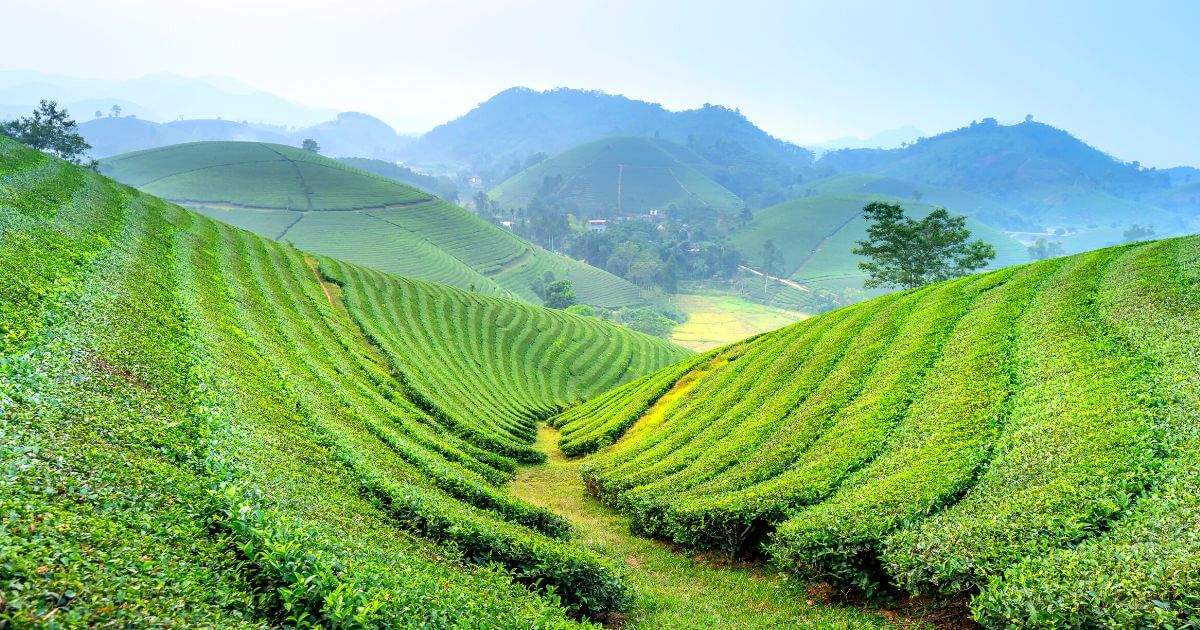
Tea Classroom – Taiwan Tea Ranking
4.Wenshan Baozhong Tea – Taiwan Tea Ranking
Wenshan Baozhong is the representative of northern Taiwanese tea, as stated in the slogan – “Baozhong in the North and Dongding in the South”. Wenshan Baozhong tea is unique in that the leaves are only slightly curled after oxidation has stopped during processing, before immediately being dried. This allows the leaf to maintain more structural integrity both visually and within the compound, retaining the original, fresh green leaf character.
Wenshan Baozhong is partially oxidised, unlike green tea. Its light aromatic style can be compared with high-mountain oolongs. Wenshan Baozhong tea has a strong, yet fresh herbal aroma, and is regarded as one of the most famous teas in Taiwan.
5.Four Seasons Oolong Tea – Taiwan Tea Ranking
If you don’t know what kind of tea to drink in Taiwan, you can start with Four Seasons Oolong Tea, which is one of the most popular teas in Taiwan. The Four Seasons Tea, which originated in Maokong, Mucha, Taipei, can be harvested all year round, and therefore is now produced all over Taiwan.
Taiwanese Four Seasons tea is lighter in colour than other teas and has no obvious bitterness, making it a great choice for those new to tea. To compare a different harvest, you can explore Dongpian Four Seasons tea which is harvested and produced during winter. Compare the floral character and texture of the particular batch rather than assuming that a winter harvest is always superior.
6.Alishan High Mountain Oolong Tea – Taiwan Tea Ranking
The name Alishan is well-known among Taiwanese specialty teas. It is absolutely true to say that Alishan Oolong tea is the representative tea of Taiwan, especially internationally, Alishan Oolong is synonymous with high-quality tea.
The tea grown in Alishan has all the basic conditions of a high-quality high-mountain oolong tea, which is a representative high-mountain tea producing area in Taiwan.
It is surrounded by clouds and mist all year round, with high humidity and a large temperature gap, which is advantageous of tea growth. In addition, the climate is warm and sunny, so the tea grown is particularly delicious. Among them, “Alishan Zhulu” is one of Alishan’s classic high mountain teas.
⚑ Read More ⚑
How to Brew Tea? ABoxTik of Tea Series

7.Biluochun Green Tea – Taiwan Tea Ranking
Taiwanese Biluochun green tea is mainly produced in the Sanxia District of New Taipei City, which is a tea planting area with a long history. The main tea tree produced is “Qingxin Ganzai”, and Biluochun is made from the young leaves of the newly grown “Qingxin Ganzai”.
The slender, gently curling leaves are a vibrant turquoise colour, and the leaf buds are rich in amino acids. Biluochun green tea from Taiwan’s Sanxia District has a fresh herbal and wheatgrass flavour, with a touch of saltiness. The exquisite and unique tea flavour makes Biluochun green tea one of the representative teas in Taiwan.
8.Dongding Oolong Tea – Taiwan Tea Ranking
Dongding Oolong Tea is produced in Lugu, Nantou and its characteristics derive from the “cloth kneading tea” technique used, which is essentially rolling cloth-wrapped tea leaves into balls. The tea brew of Dongding Oolong Tea is bright and clear amber-gold in colour, with the aroma of ripe fruits. After brewing, you can still see the “green leaves and red borders”, which is one of a few to display almost completely intact.
⚑ Read More ⚑
Chinese Tea Culture [6 Tea Types] – Origin of Tea
9.Jade Oolong Tea (aka Taiwanese No. 13) – Taiwan Tea Ranking
Jade Oolong Tea is a unique semi-fermented oolong tea variety from Taiwan. The tea brew colour is bright orange-yellow and the taste is sweet. The aroma of wild ginger and flowers in the throat is obvious, and the fresh herbal aroma after brewing is the reason why it is so popular.
10.Jin Xuan Oolong Tea – Taiwan Tea Ranking
Jinxuan is a Taiwanese specialty that is mainly produced in Nantou County and Chiayi County, and is well suited for making oolong tea. Suitable leaf material and processing can bring out natural milky or floral notes in Jin Xuan. The planting altitude ranges between Alpine Jinxuan Oolong and Flatland Jinxuan Oolong.
⚑ Read More ⚑
6 Herbal Teas to Explore – Premium Herbal Series
The world of Taiwanese tea ranking is a testament to the diversity of the island’s terroir. From the mystical heights of Li Shan to the tranquil valleys of Pinglin, each tea is a note in the melodious composition of Taiwan’s tea culture.
Four practical checks when choosing Taiwanese tea in 2026
- Choose a flavour before a famous mountain: start with floral, roasted, honey-fruit or black-tea character. A smaller pack can make the first comparison easier.
- Compare like with like: look at origin, cultivar, harvest season, roast and net weight. Distinguish loose leaf, a single tea-bag container and a multi-item gift set before comparing prices.
- Match the format to the routine: loose leaf suits someone who enjoys adjusting the amount and making successive infusions; tea bags can be easier at work or while travelling. Check the ingredients, quantity and brewing instructions of each product.
- Think about the recipient’s usual cup: a familiar flavour can be a thoughtful gift. If their preferences are unknown, compare smaller combinations offering different styles, then confirm the contents and packaging.
The loose-leaf catalogue is currently available in Traditional Chinese. For English-language shopping, compare our two-item and four-item tea-bag gift sets.
Questions about Taiwan tea rankings and buying tea
Is Tieguanyin listed first because it is the best Taiwanese tea?
No. The ten teas follow the original article’s order, rather than a shared competition, sales table or blind-tasting score. A suitable flavour, clear sourcing information and good storage matter more than a position in this list.
Is all Taiwanese tea oolong?
No. This article also includes Biluochun green tea and Sun Moon Lake black tea. Baozhong is partially oxidised. Processing, region and cultivar are separate pieces of the description.
Does Sun Moon Lake black tea always mean Ruby?
No. Sun Moon Lake is a region; Ruby, or Hongyu, is cultivar TTES No. 18. Check which cultivar the individual product uses rather than treating a regional name as a single cultivar.
Must Jin Xuan have a strong milky aroma?
No. Jin Xuan is TTES No. 12. Suitable leaf material and processing can produce natural milky notes, while floral aromas may also appear. The strength of a milk-like aroma is not a quality score by itself.
Should a beginner choose loose leaf or tea bags?
Choose for the brewing routine. Loose leaf offers flexibility with leaf amount and successive infusions; tea bags can be convenient at work or while travelling. Compare the tea, ingredients and quantity before choosing the format.
Follow ABoxTik
Find a Taiwanese tea for everyday drinking or gifting
There are many famous teas in Taiwan, and high-quality teas for export are the pride of Taiwan. Tea not only represents the taste of Taiwan, but also warms people’s hearts, which makes it the ideal gift for Taiwanese to bring abroad, or to give to those visiting Taiwan.
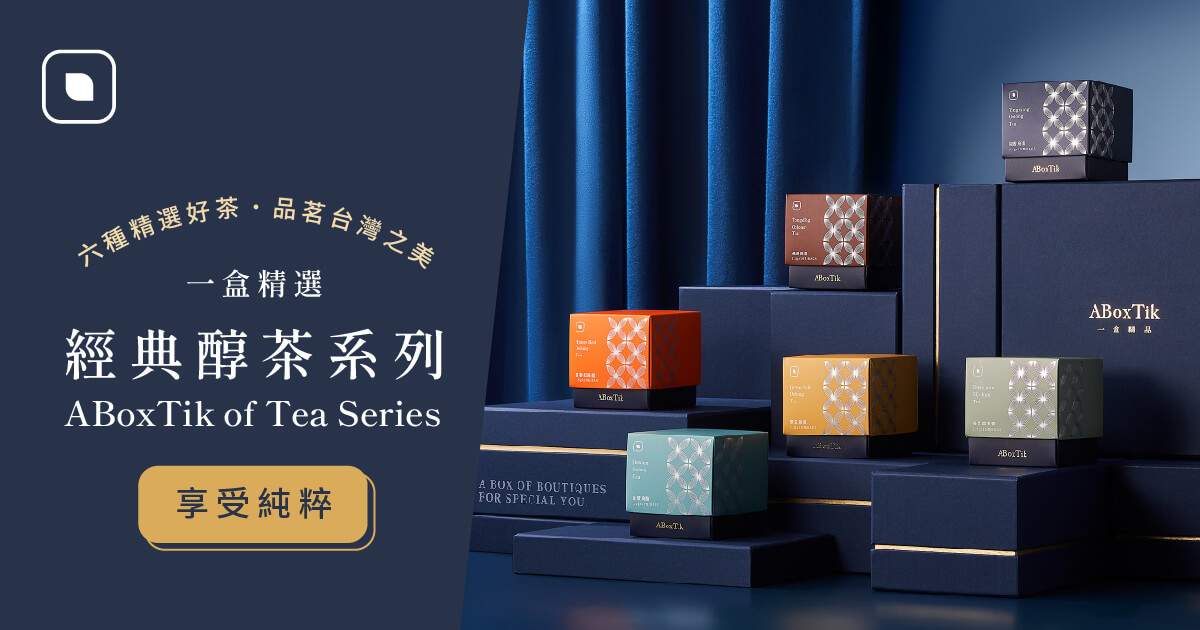
ABoxTik strictly selects the tea produced by local tea farmers in Taiwan, and uses Taiwanese elements to design the gift box packaging. There are various types of tea to choose from, including Dongding Oolong, Jinxuan Oolong, Honey Fragrance Red Oolong, and Dōng Piàn Four Season. Choose a gift around the recipient’s usual tea preferences. We welcome you to come and experience the authentic taste of Taiwanese tea!
To narrow down a preference, read our guide to lighter and roasted Taiwanese teas. For the connection between place names and tea, explore the Taiwan tea regions guide.
Sources
- Taiwanese tea classification and processing
- Oriental Beauty tea
- Black-tea cultivars including Ruby
- Jin Xuan aroma and processing conditions
- Jin Xuan / TTES No. 12 cultivar