
Tea Knowledge
Prepare Your Tea Gear the Night Before
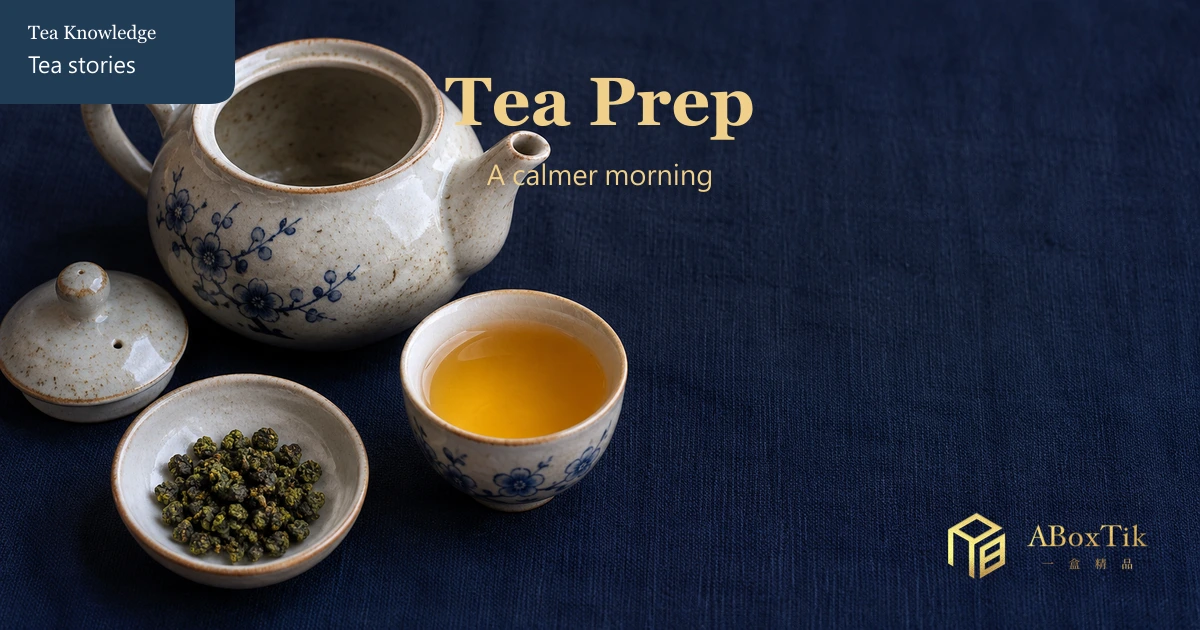
Prepare the equipment, then brew in the morning
A clean cup, strainer, spoon and tea in one place can make a busy morning feel less crowded. Preparing equipment ahead does not require brewing the tea ahead.
A three-minute reset
Wash the lid, strainer and seals, let them dry and place them in a clean spot. Check cup capacity and the tea package’s guidance. Keep the tea sealed, dry and away from strong odours, and put the timer where it is easy to find.
Choose the format for the day
A tea bag reduces measuring; loose leaf needs a clean spoon and strainer. If portioning loose tea, use a clean dry food-contact container, seal it and label the tea and original date information.
Morning order
Check the equipment, then follow the tea’s guidance for water, amount and steeping. If the cup is too strong, reduce the time or tea quantity next time, changing one variable at a time. Place hot water and cups securely.
Questions
Should wet leaves stay in the strainer overnight? Cleaning and drying the equipment after use makes the next brew easier. Must you buy new teaware? Start by checking the capacity and condition of what you own.
A gentler start
A small place for the equipment and tea turns the morning search into a simple routine.
Prepare a dry station at night; leave water and brewing for morning
The night-before job is not to make tomorrow’s tea early. It is to remove the small delays around the brew: find a clean cup, match the infuser or tea bag to that cup, place a drip dish nearby, keep a timer visible and decide where wet leaves will go. Water, heating and the actual infusion stay with the morning routine and the instructions for the tea and appliance.
Use one wipeable tray or a small section of the counter. Arrange items in use order—cup, tea, water source, timer, leaf-removal point—while keeping dry tea sealed away from the sink, steam, sunlight and strong odours. The Taiwan Tea and Beverage Research Station notes that moisture, light, heat, oxygen and odour exposure can affect stored tea; convenience should shorten the walk, not leave the tea open overnight.
| Prepare at night | Leave for morning | Reason |
|---|---|---|
| Clean, completely dry cup and infuser | Final visual check before use | A dry setup is easier to store without trapping yesterday’s moisture |
| Sealed tea package or one labelled dry portion | Open and add tea | Preserves the original label and limits exposure |
| Timer, coaster and drip dish | Start timer when water meets tea | The reminder follows the real infusion |
| Stable space for kettle and cup | Heat and pour according to equipment guidance | Hot-water work is not performed half-awake the night before |
Choose one of three morning routes
Route A: one tea bag, one cup
Best for a very short morning: confirm the tea bag’s suggested cup volume, place the bag in a suitable hot-drink cup, add water and start the timer. When time is up, move the bag to the prepared dish. The convenience comes from a clear removal point, not from leaving the bag in the cup until lunch.
Route B: loose tea with a removable basket
Measure a short-use portion only after the basket and spoon are fully dry. In the morning, use the package guidance as the first setting, then lift the basket at the chosen time. If pre-portioning helps, label the container with tea name, portion date and a reference to the original package; do not let the new label replace the original expiry or storage information.
Route C: travel cup
Check the manufacturer’s material, heat and sealing instructions, and make sure all lid parts and gaskets are clean, dry and correctly seated. A vessel being marketed for travel does not mean every lid may be opened under pressure or every tea may remain with the leaves for the whole commute. Brew and separate leaves in the way the actual vessel supports, then confirm the lid before moving it.
Use a two-minute sequence that still has a finish line
- Look over the cup, infuser, lid and gasket; stop using damaged equipment.
- Take the sealed tea from its dry storage place.
- Prepare water and operate the kettle or dispenser according to its instructions.
- Add tea and water, then start the timer immediately.
- Separate leaves at the planned time and place them on the drip dish.
- Before leaving, put the hot vessel on a stable surface and confirm any travel lid.
The TBR water-and-temperature guidance explains that tea style and brewing conditions affect the cup, so there is no need to invent one universal morning temperature. Start with current package information. If the result is too strong, change only dose or time next morning; if too light, adjust one factor. A tiny record—tea, cup volume, time, “keep / lighter / stronger”—is enough.
Reset the station in the evening, not during the next rush
After use, discard or store spent leaves appropriately, wash the cup, basket, lid and gasket according to their material instructions, and let them dry completely before reassembly. Taiwan FDA guidance for reusable food-contact items emphasises cleaning after use, drying and protecting clean utensils from recontamination. At home, the practical version is simple: do not stack wet parts, do not close a damp gasket inside a lid, and keep the clean set away from splash and dust.
Once dry, return only the pieces used by the chosen route. Extra scoops, three filters and the heroic teapot that appears twice a year do not need to attend every weekday briefing. A station is successful when it can be reset in one calm minute.
In a shared kitchen or office, label personal tea and keep it out of splash zones without blocking common equipment. Agree on where used infusers and drip dishes wait for cleaning; never leave a wet basket in the clean-tool area and hope everyone recognises the plot. If the kettle, dispenser or cup belongs to the workplace, follow its posted cleaning and operating rules. The most considerate station is one that disappears neatly after the cup is made.
Run a one-week friction log before buying new tools
| Morning | Where did time disappear? | One next change |
|---|---|---|
| Mon | Could not find drip dish | Keep it under the basket |
| Tue | Tea was too strong | Shorten time; keep dose |
| Wed | Travel lid still damp | Dry parts separately overnight |
| Thu–Sun | ___ | ___ |
At the end of the week, solve the repeated problem, not the most photogenic one. The mug brewing guide compares four ways to separate leaves; the mini tea bar guide handles a broader home zone; the steeping-time guide explains controlled adjustment. This page owns the night-before dry setup, two-minute morning route and reset loop.
Browse the ABoxTik Taiwanese tea selection and confirm the current brewing and package information before preparing portions. The goal is not to make breakfast obey a tea ceremony; it is to stop the infuser from playing hide-and-seek before the first meeting.
Sources
- Taiwan Tea and Beverage Research Station: tea packaging and storage
- Taiwan Tea and Beverage Research Station: brewing water and temperature
- Taiwan FDA: selecting, cleaning and using reusable food containers
Sources checked 11 November 2026. Cup, kettle and travel-vessel limits must follow their current manufacturer instructions.