
Tea Knowledge
Lemongrass vs Lemon Verbena Tea: Plants, Labels, and Citrus Aroma
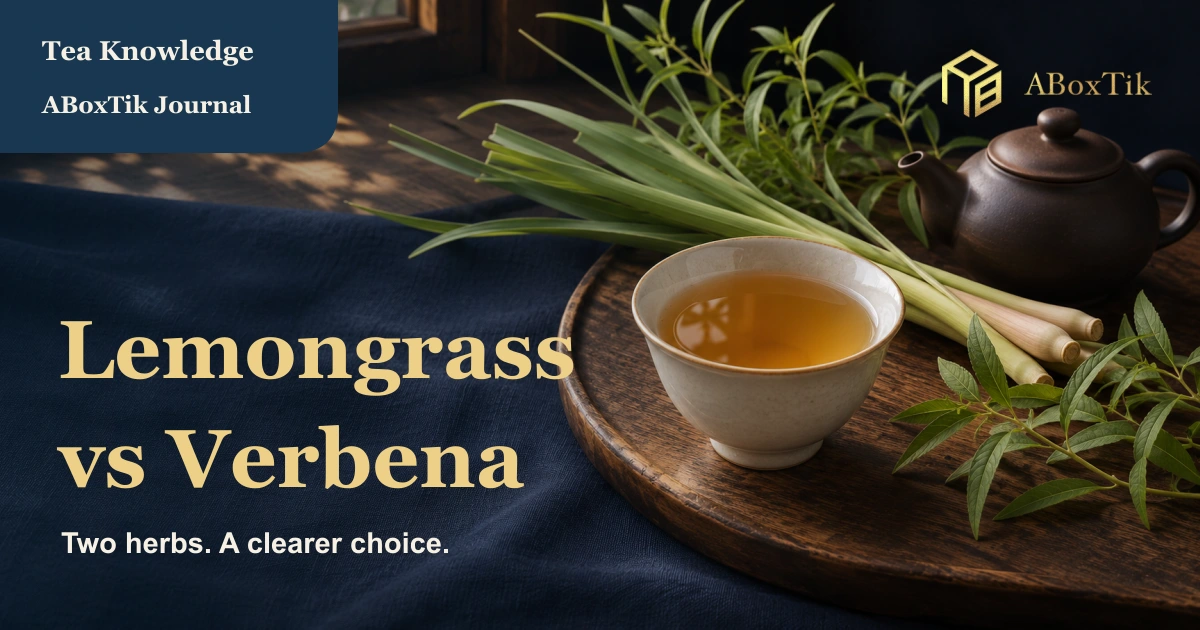
For lemongrass vs lemon verbena tea, the useful first answer is simple: they are different plants that can share a lemony aroma. One may bring a grassy citrus line; the other comes from aromatic leaves. When both appear on a label, the blender has not repeated itself—it has built a small conversation in the cup.
No botany exam is required. Read the full ingredient list, then choose the aroma you want to meet first.
Lemongrass vs lemon verbena tea: begin with the plant names
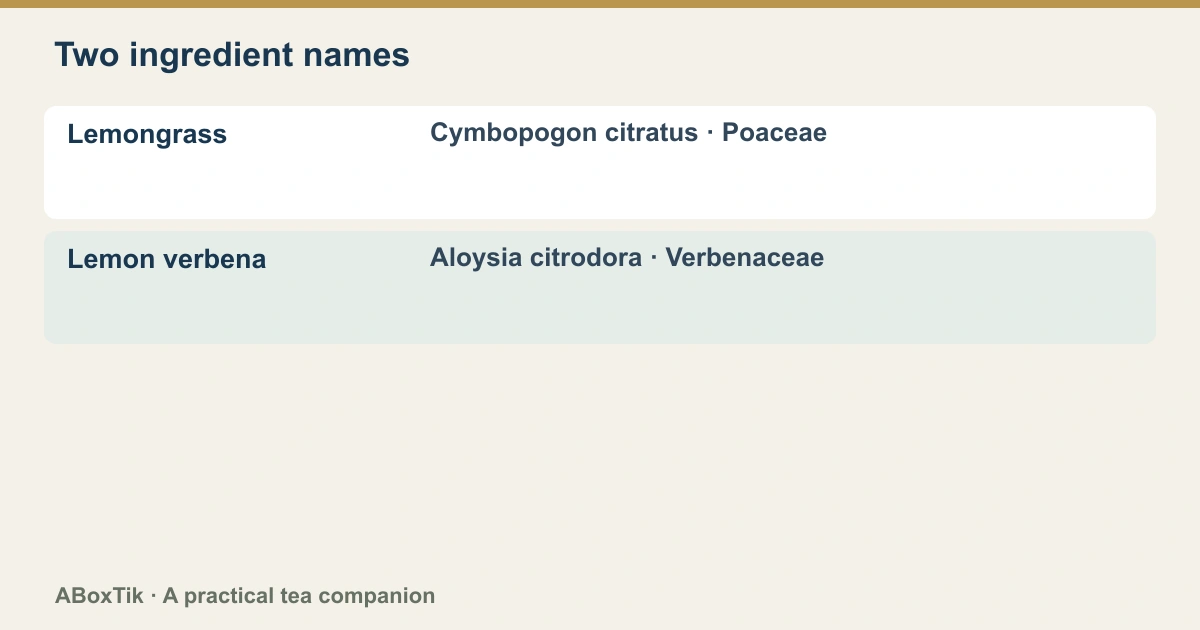
Lemongrass is commonly identified as Cymbopogon citratus; lemon verbena as Aloysia citrodora. Their shared lemon association does not make either one a lemon fruit, or a substitute for reading the pack. A grass-like ingredient and a fragrant-leaf herb can arrive at a similar citrus impression by different routes.
That distinction is useful even when buying blends: names tell you the botanical story; the ingredient list tells you what is actually in your cup.
Kew places these plants in different families: Poaceae for the lemongrass species above and Verbenaceae for lemon verbena. Treat the names as reference points, then return to the product label. A common ingredient name does not, on its own, establish the exact botanical species used in a particular box. Ask the supplier when that detail matters.
How to read a lemon-herbal-tea ingredient label
Start with the full names, then notice the company they keep. ABoxTik’s Lemon Stress Relief Tea lists lemon verbena and lemongrass together. That is a pairing, not a label typo.
Mint, chrysanthemum, or stevia will change the direction again. In Royal Peppermint Herbal Tea, lemongrass is one voice among several. The label may be less poetic than the front of the box, but it is wonderfully specific.
Copy the complete list before comparing. Lemon Stress Relief Tea lists two herbs, while Royal Peppermint lists peppermint, lemongrass, chrysanthemum and stevia. Do not infer exact percentages from names alone. A repeated ingredient across two products does not make the complete recipes equivalent.
Choose by the cup, not just by the word lemon
If a clearer grassy citrus impression appeals, look for lemongrass in the blend. If fragrant leaf-led lemon notes sound more inviting, look for lemon verbena. When both are listed, treat the cup as a layered blend rather than a contest with a winner.
For a calm first comparison, taste unsweetened cups at the same temperature. Note citrus, herbiness, and the finish. Three ordinary notes beat an overconfident tasting vocabulary—and make the next choice much easier.
A lemon-like aroma also does not establish the presence of lemon fruit or juice. If you want fruit acidity, look for the actual fruit ingredients. Nor is there a universal rule that one of these herbs must be stronger or gentler in every cup: the blend and preparation matter. Start with a specific observation you can actually make, rather than a promised flavour hierarchy.
A repeatable brewing comparison for complete blends
A blend cannot reveal the isolated flavour of every ingredient. Mint, floral material, sweetness, water, temperature and the age of the ingredients all join the conversation. Rather than declaring that one herb must taste a fixed way, make a fair comparison. Use the preparation directions on each pack; use the same cup size, water, sweetener choice and resting point for both cups. If one pack asks for a different method, follow it and write that difference down. The aim is a useful record, not a heroic attempt to make two unlike blends behave identically.
Begin by smelling the dry blend, then the warm cup. Take a small first sip and a second sip after the cup has cooled a little. Mark whether the citrus impression feels immediate or stays in the finish; whether another ingredient becomes more noticeable; and whether you would choose the blend before food, with a snack, or simply when you want a fragrant pause. This method is deliberately modest. Keep the note focused on what the complete blend tastes like and which preparation you would use again. It gives the next purchase a better memory than “I think that one was nice.”
If you want a broader map after the experiment, use the herbal tea selection as a starting point and keep the original label beside your notes. A tea label is not a botanical field guide, and a garden plant should not be assumed food-grade merely because its name sounds familiar. For drinking, choose a product intended for food use and follow its own label.
A small label-and-cup record you can actually use
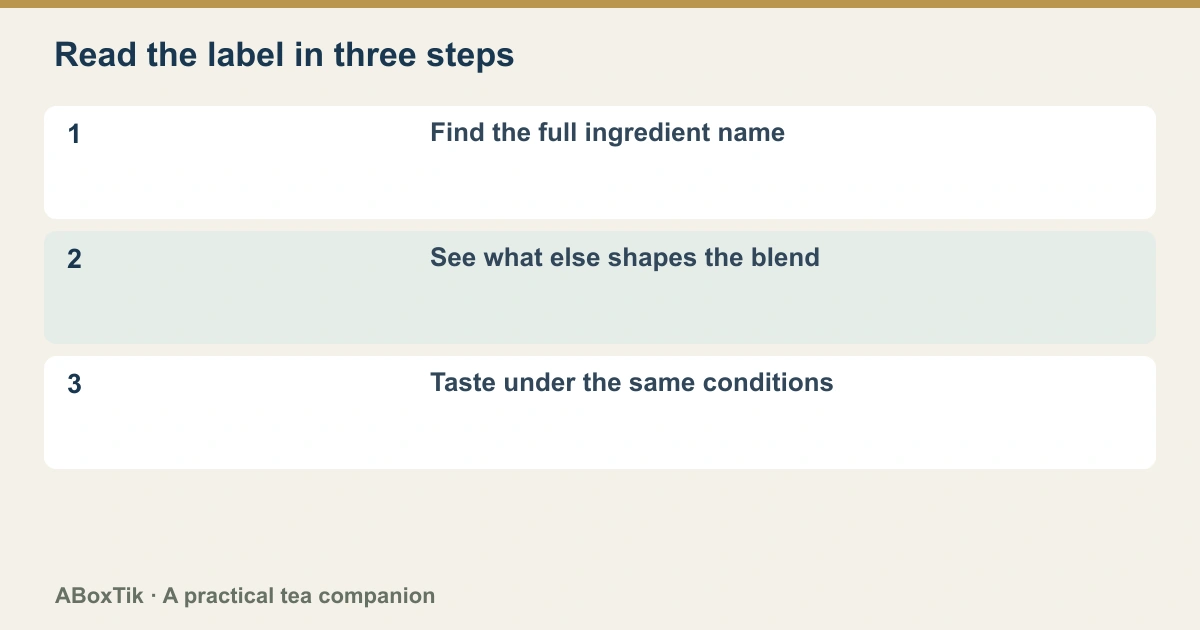
Copy four headings into a note: full ingredient list, first aroma, aftertaste, and next time. Under the first heading, copy every ingredient rather than only the lemon-sounding one. Under first aroma, write one plain observation such as grassy, leafy, minty, floral or sweet. Under aftertaste, note what remains after a short pause. Under next time, write one adjustment: same preparation, a different drinking moment, or a different blend. This little table is more useful than giving each cup an exam score.
| Label | Warm-cup impression | Finish | Next comparison |
|---|---|---|---|
| Full ingredient list | One or two words | One or two words | Keep one condition the same |
For the next comparison, change only one condition you want to observe. Keeping the water and preparation steady while changing the blend makes the note easier to use. Changing the water, sugar, dose and tea at once can make a lively tasting session, but leave its main character surprisingly hard to find.
Four checks before the next box
First, read every ingredient, including those that are not in the product name. Second, check whether the format and preparation directions suit the way you drink tea. The herbal tea-bag guide can help with that next question. Third, compare the net contents and bag count, rather than estimating from the size of the outer box. Fourth, keep the original pack and follow its storage directions so a later comparison still has a clear label beside it.
For a ready-made two-herb citrus direction, check the current Lemon Stress Relief Tea ingredients and specifications. If a mint-led blend sounds more appealing, read the Royal Peppermint recipe. The useful choice is between complete blends you would enjoy making, rather than between two impressive botanical names.
Questions readers commonly ask
Are lemongrass and lemon verbena the same as lemon? No. Their names describe lemon-like aroma, not lemon fruit in the ingredient list. Check the full label if citrus fruit matters to your choice.
Can I identify them from one leaf or a photo? Not reliably enough for food use. Botanical names are useful reference points, but a picture, a garden plant or an informal common name cannot confirm the contents of a tea bag. Choose labelled, food-intended ingredients.
Which one should I buy? Start with the actual blend, not a promise about one ingredient. A two-herb citrus blend and a mint-led blend answer different drinking moods. If you are comparing options, keep your first tasting conditions simple and buy the cup you would genuinely make again.
Does a blend containing lemongrass necessarily contain lemon verbena? No. They are separate ingredients; the complete label tells you whether one or both are included. For questions about caffeine and other recipe details, start with the complete pack and the herbal tea questions guide.
Lemongrass vs lemon verbena tea: choose a cup to return to
Keep three points together: different plants, a complete ingredient list, and your own repeatable cup notes. If the choice still feels uncertain, begin with the drinking direction you want today: a citrus-herb blend, or a mint-led recipe with other ingredients. That is already a useful decision, and it does not require ranking every herb in the cupboard.
For more recipe context, read the herbal tea blend introduction. For a wider selection beyond these two ingredients, return to the complete herbal tea guide. The aim is to find a welcome regular for your teacup, not award a botanical trophy.
Lemongrass vs lemon verbena tea is not a question of which one is more lemony. They are different plants with different roles in a blend. Read the ingredients first, taste with a little attention, and let your own notes choose the next cup.
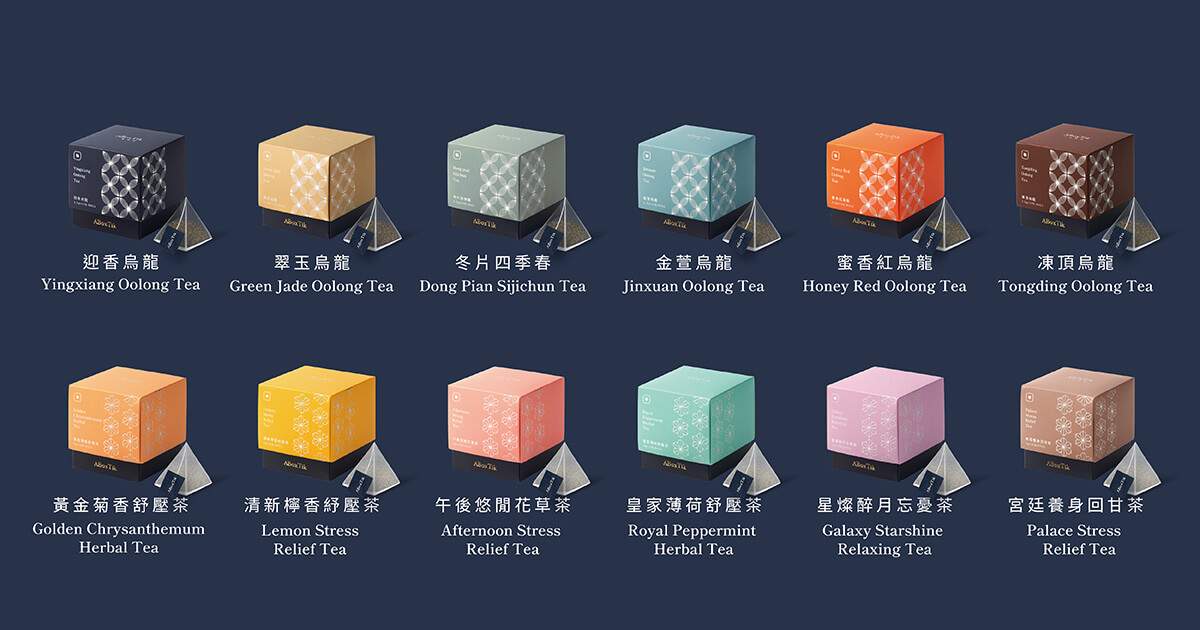
Browse premium tea gifts, further reading, and latest selections at an unhurried pace—no seating chart for lemongrass required.