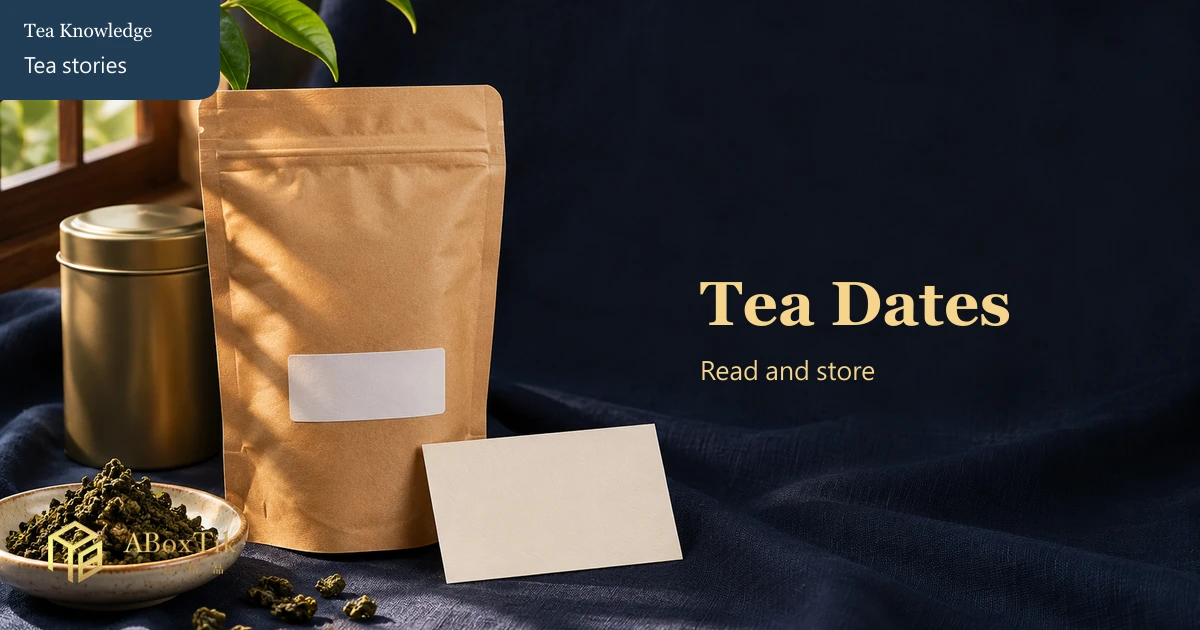
Read date wording alongside storage instructions and use a short question card when a tea package is unclear.

Read date wording alongside storage instructions and use a short question card when a tea package is unclear.
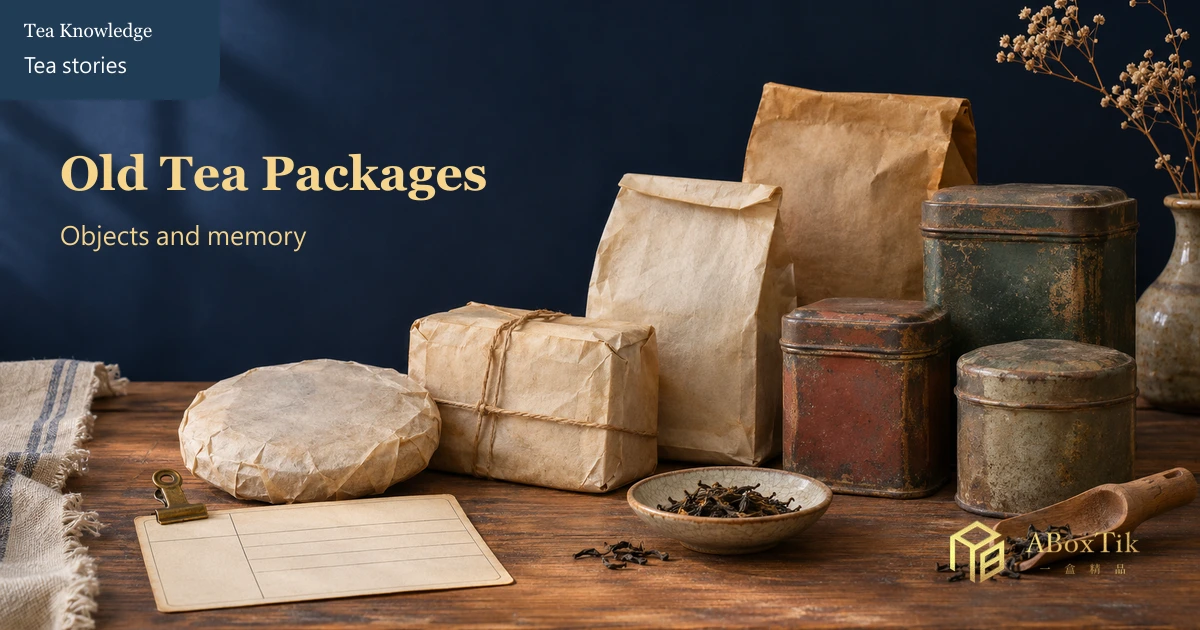
Use an observation card to record text, size, material and provenance before interpreting historic tea packaging.
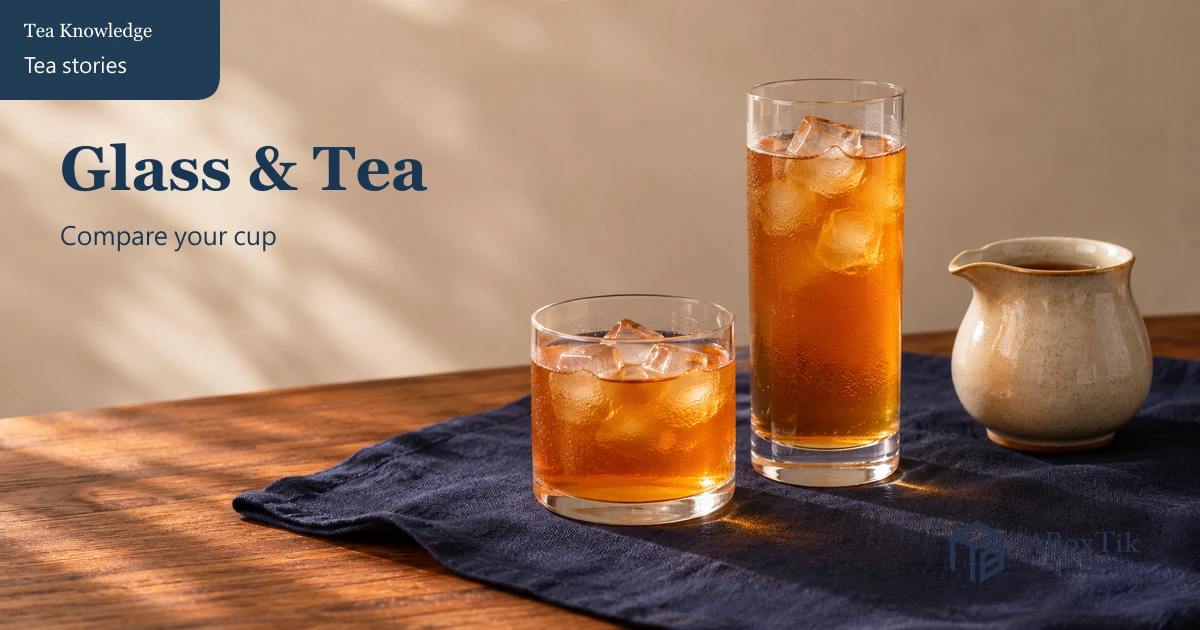
Compare rim, capacity, ice and drinking method with a simple observation card for the same tea mix.
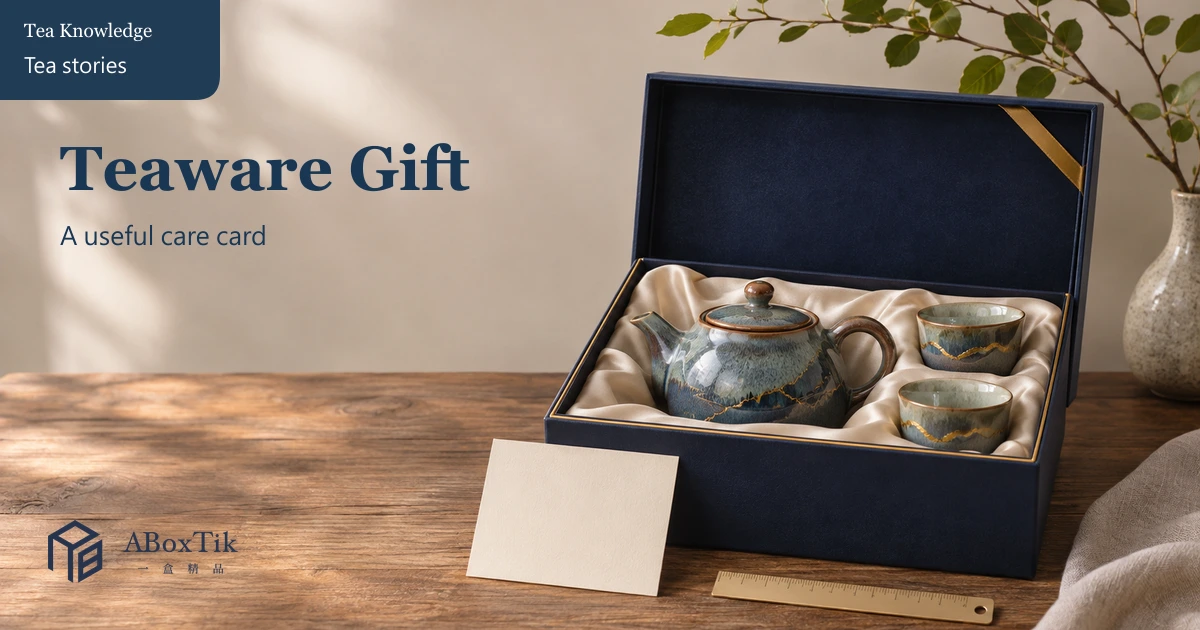
Include dimensions, capacity, material and the maker’s care instructions so the recipient can use a handmade piece with confidence.
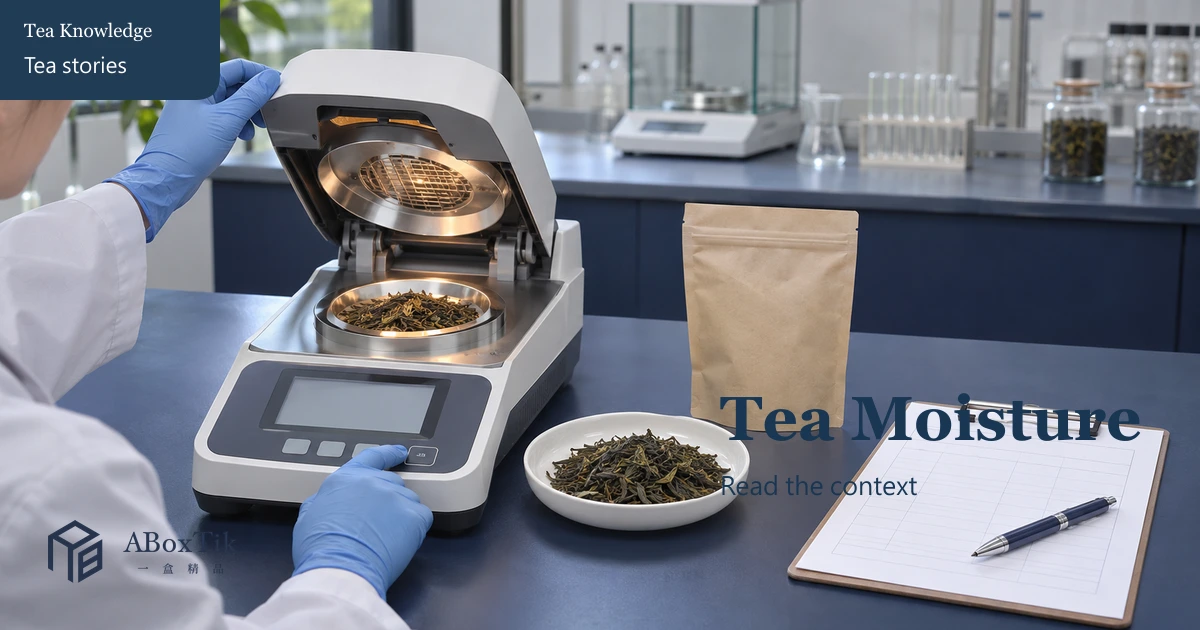
Read tea moisture results alongside the sample, method, date and packaging conditions, and avoid drawing conclusions about an entire batch from one number.
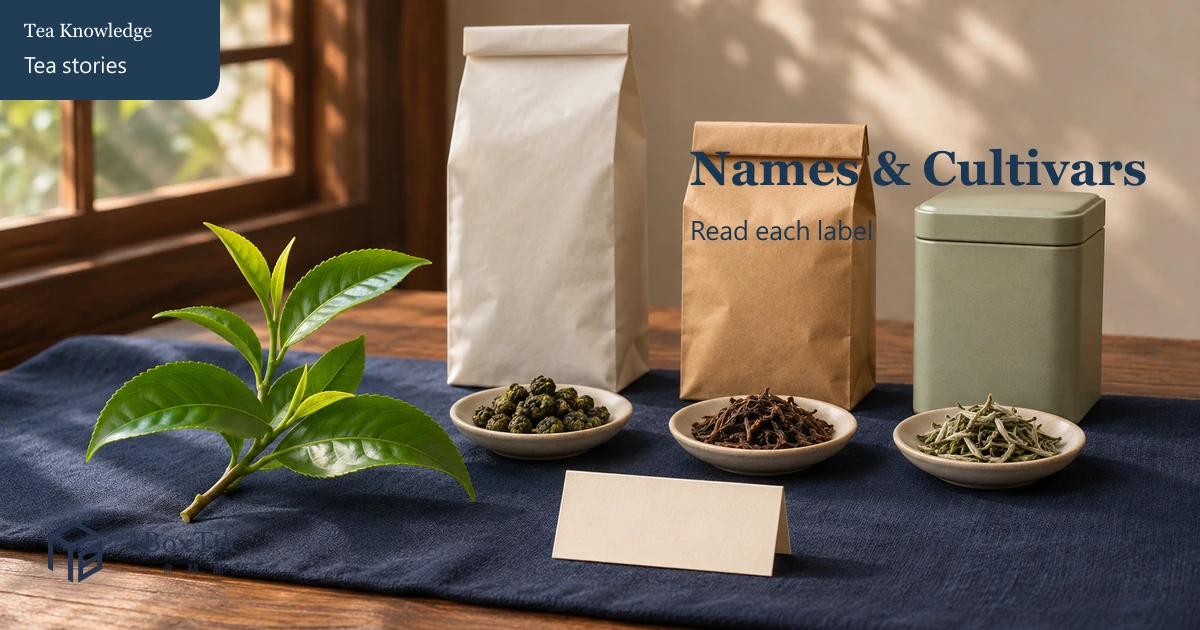
Distinguish a tea cultivar, origin, tea style and product name, then record questions for the seller about the specific batch.
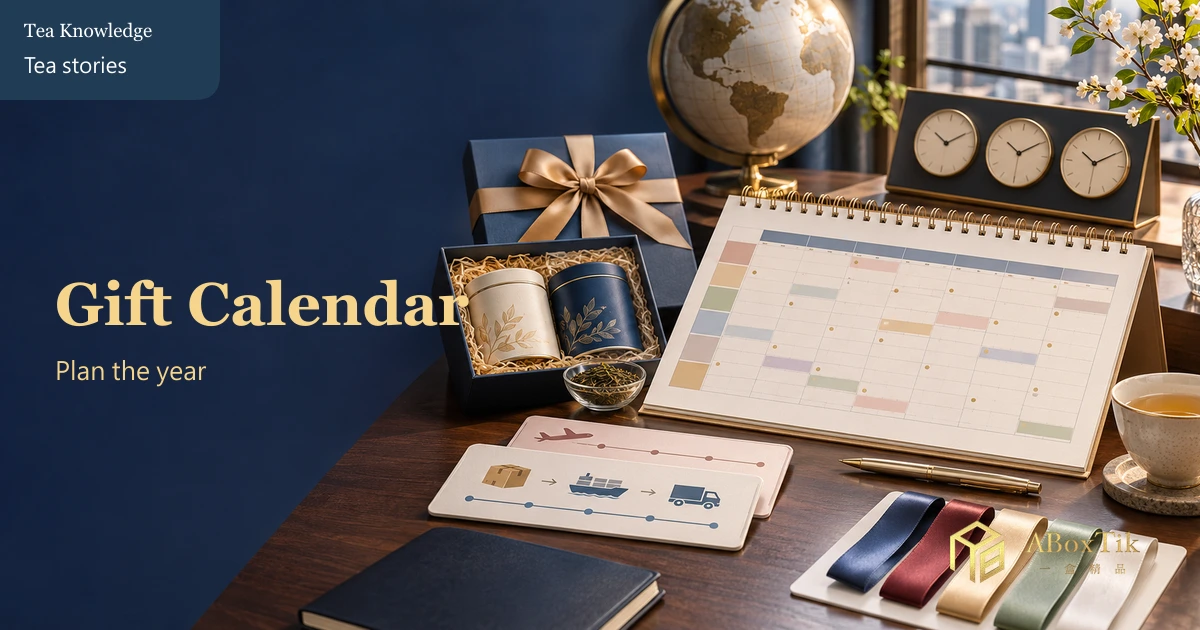
Count back from arrival and manage approval, supply and delivery as separate timelines.
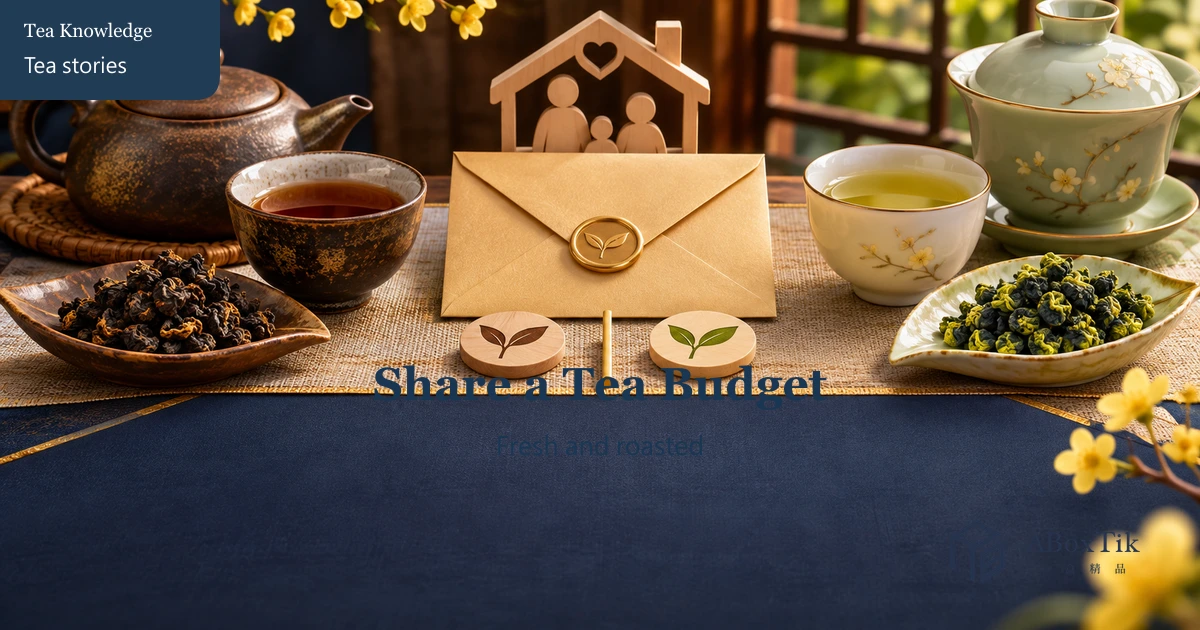
Use three budget envelopes, cost per brew and small trials for fresh and roasted preferences.
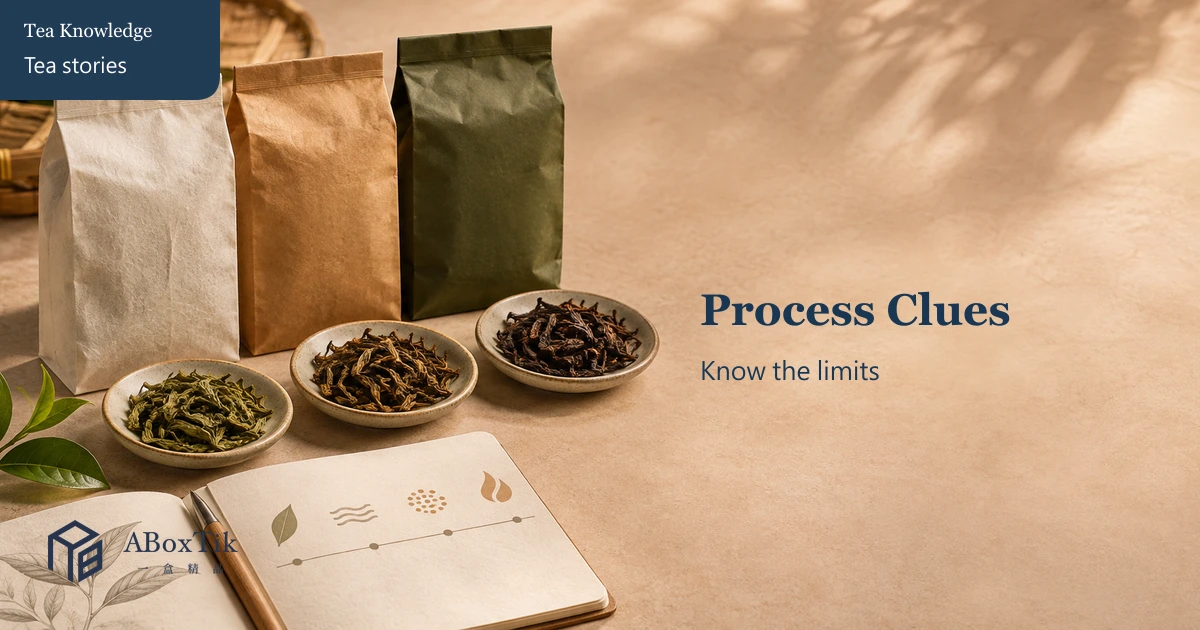
Separate printed facts, seller statements and sensory hypotheses when reading tea process clues.
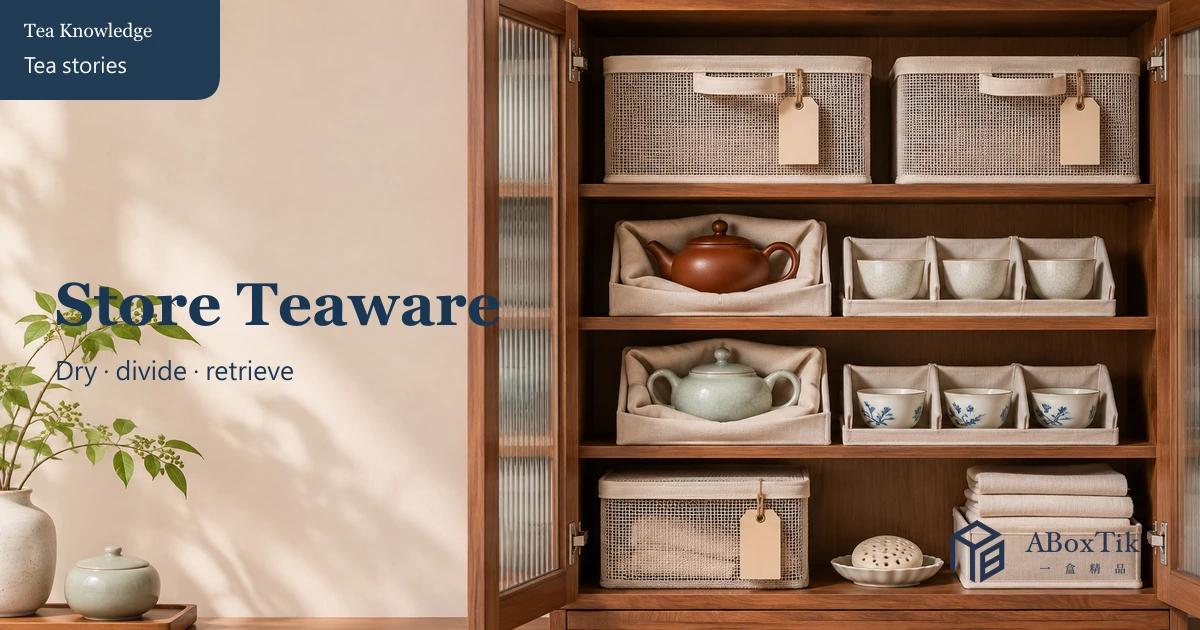
A practical checklist for drying, separating and safely returning stored teaware to use.