
Tea Knowledge
Year-End Party Tea Gifts: Carrying and Distribution Guide
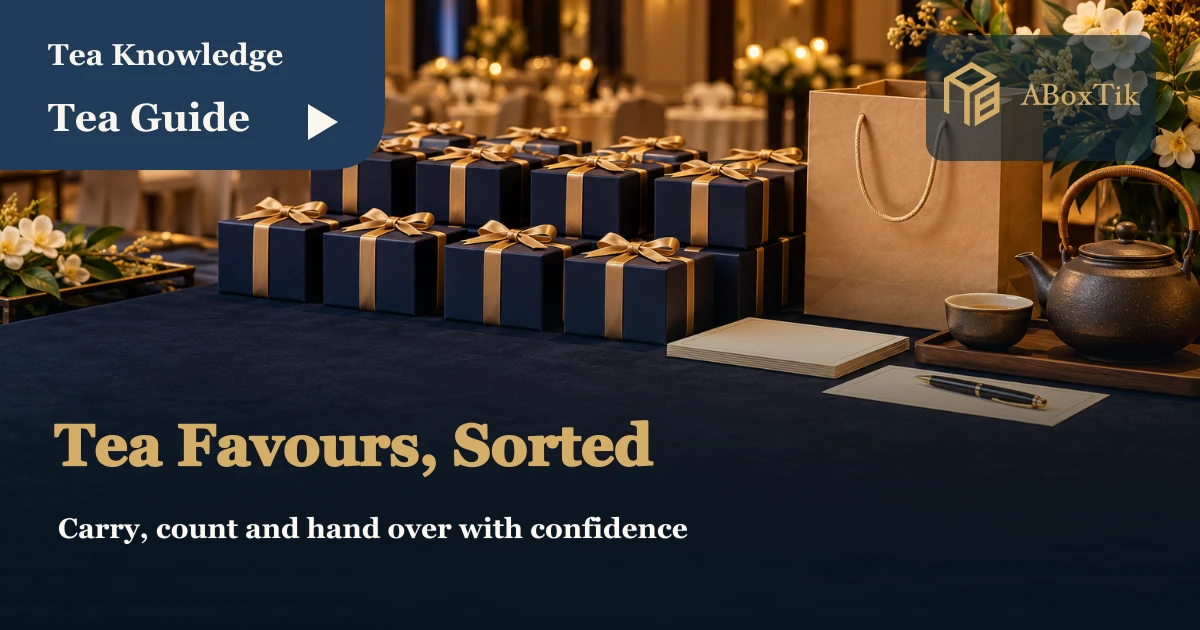
An easy-to-carry tea favour often has a very unglamorous handover sheet behind it.
Year-end party tea gifts should begin with the route through the event: how many pieces each person receives, whether a carry bag is needed, and how guests move from check-in to the exit. Attractive packaging matters, but people must also manage coats, phones and the journey home.
This guide concentrates on receiving, moving, distributing and closing out the gifts. Budgeting and custom design have their own discussions. Here, a useful plan tells the team which carton belongs where, what has been collected and who takes responsibility for anything left. That prevents the evening’s surprise entertainment from becoming a search for the missing blue box.
Year-end party tea gifts need a real carry test
Place one candidate gift in its actual carry bag and try handling it with a coat and everyday bag. Check the grip, the opening and the space needed to turn or pass another person. Test the real format, rather than the generous empty space in a product photograph. If a sample is unavailable, request dimensions and weights for the gift, bag and delivery carton separately.
Define the units. A guest receives a gift, a helper moves a bag, and a delivery team brings a carton; these are not necessarily the same count. Give each a field on the worksheet. Many apparent shortages begin when two colleagues use “ten” to mean different units. The quantity-planning guide supports the earlier estimate; the event plan must translate the approved order into physical handoffs.
Compare the current two-box tea-bag gift and mixed tea-bag gift information if these formats suit the brief. Box count alone does not establish weight or ease of carrying. Include the final walk to parking, a shuttle or public transport in the test, rather than ending the exercise at the reception table.
Give purchasing, delivery and event staff one reference
Use one dated master sheet with the item code, contents per gift, gifts per carton, expected cartons, delivery point and responsible contact. Put a short matching code on the cartons. “The blue one” is a weak identifier when two versions are blue. Keep personal lists with those who need them; exterior labels only need working information such as zone and count.
At delivery, check carton count, condition and item version before sampling the packing arrangement. Photograph a discrepancy and put it on the same sheet. Separate damaged or uncertain pieces so they cannot drift back into the normal stock during a busy setup. For split deliveries, distinguish received, outstanding and awaiting confirmation instead of asking every helper to reconstruct a message history.
Official tea-storage guidance discusses moisture, light and odours. Keep gifts in their intact packets and a suitable dry, shaded location, away from cleaning-product smells, following product directions. If corporate identification is required, the logo-placement guide can inform the design stage. Finish version approval before allocating cartons, so nobody is attaching last-minute labels at the venue.
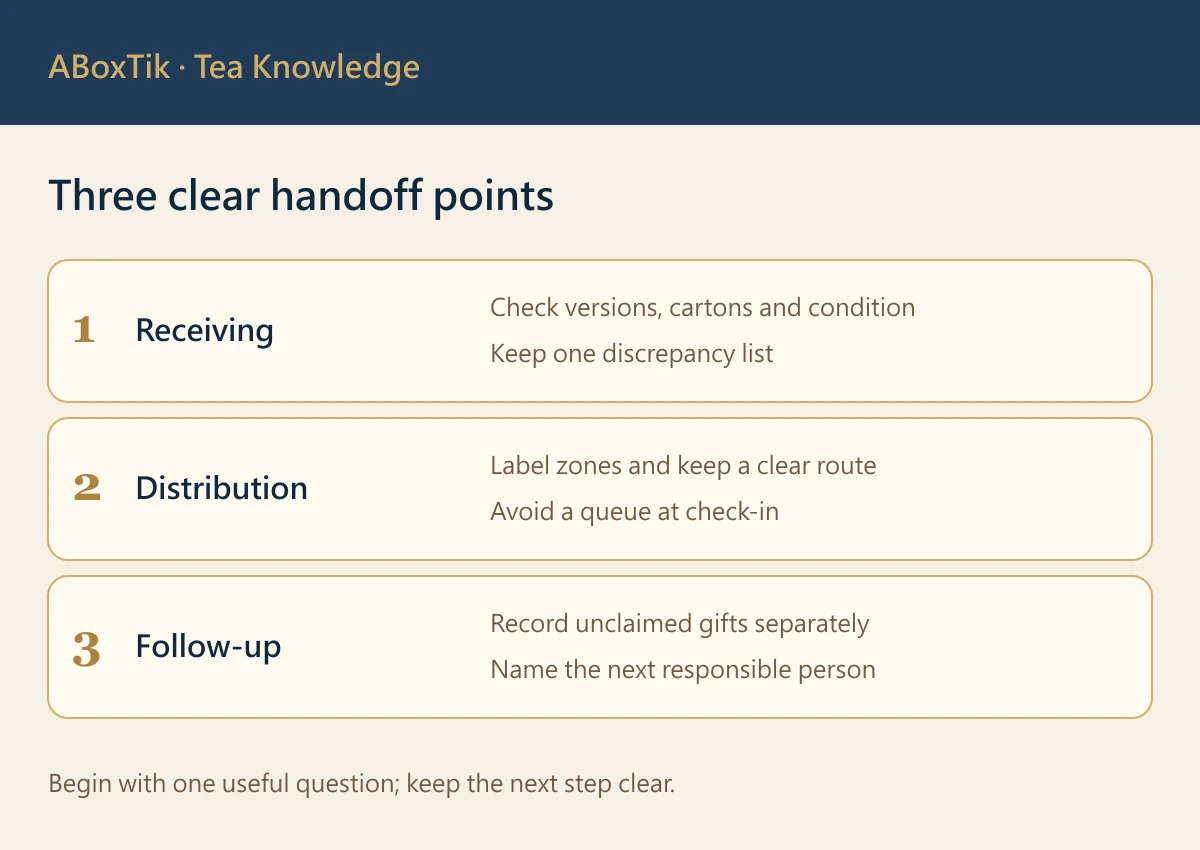
Choose one main collection route
Giving the favour at check-in works when the handoff is quick and guests have somewhere to put it. The gift becomes part of the welcome, but it also travels through the whole event. Rehearse the sequence of name check, collection mark and handover with one helper. A tidy arrow on a floor plan cannot tell you whether the desk has room for all three actions.
Collection on departure reduces handling during dinner but creates a possible concentration of people at the end. Consider table zones or a clear waiting space before the exit. Ask the venue which points are usable, then align the host’s announcement and the helpers’ instructions. Do not allow a gift queue to block an elevator entrance or vehicle route.
Write down a simple process for late arrivals, staff, early departures and guests who cannot attend. Gifts can remain consistent while the collection method accommodates different situations. The employee-gift guide considers consistency and use; the handoff rule here should ensure that moving between collection points never means receiving the same allocation twice.
Make collection status clear enough for a change of shift
Do not ask a team to recognise every face. Use a collection field in the existing check-in system or another suitable claim method chosen by the organiser. State who may mark it and when it is updated. Even with a digital sheet, prepare a simple fallback for a weak connection, so the venue’s signal is not quietly appointed head of gift distribution.
| Checkpoint | Count or location | Person and time | Outstanding action |
|---|---|---|---|
| Delivery and condition | ____ | ____ | ____ |
| Stock allocated to each zone | ____ | ____ | ____ |
| Collected and unclaimed | ____ | ____ | ____ |
| Remaining, damaged and exception pieces | ____ | ____ | ____ |
At a shift change, count the items on the desk and behind it before the next person signs for them. “About half left” is a puzzle, not a handover. Keep one current sheet per zone and consolidate afterwards. If stock moves between zones, record both the release and receipt, so the same carton does not seem to disappear and reappear by magic.
Give unclaimed gifts and spare stock different destinations
An unclaimed gift does not automatically become general spare stock. Confirm how the organiser will handle absent guests, late arrivals and staff. Separate pieces reserved for later delivery, using a zone code and responsible person rather than displaying a list of personal names on a carton. The controlled list can supply the individual detail when needed.
If later shipping is planned, confirm the receiving arrangements and what support is actually available. Putting leftover pieces into a delivery box does not complete the task. The tea-gift handover checklist offers useful fields for multi-location coordination; any cross-border requirements need their own destination-specific review. The event sheet has the narrower job of stating what is physically in hand.
Separate raffle prizes from favours intended for every attendee, and do not reuse their labels. The guide to different festive-gift purposes can support the discussion, but the organiser’s approved allocation decides collection. Clear gift types and conditions let helpers serve guests without improvising policy in front of them.
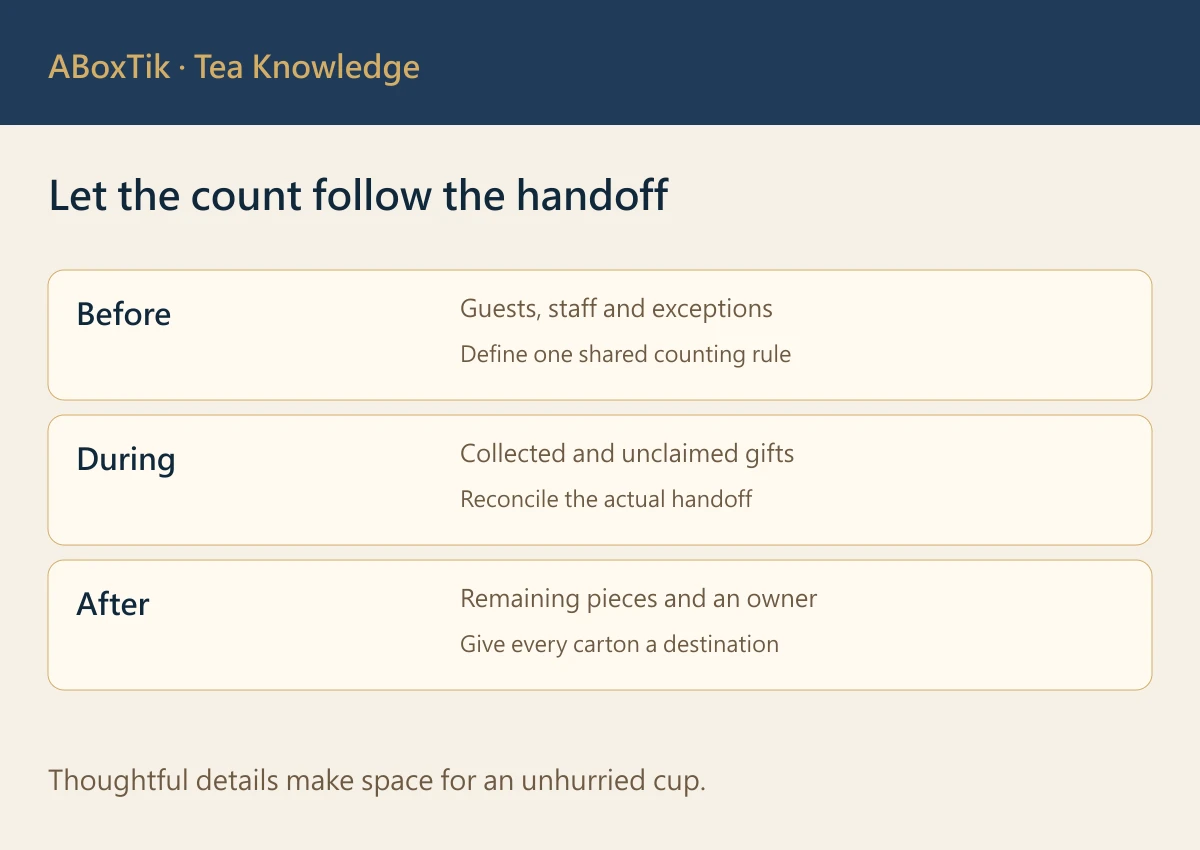
Use five closing minutes to name the next owner
Before the team leaves, reconcile collected, unclaimed, damaged and remaining pieces against what entered each zone. Record the reason for any difference or the person who will investigate it. A guessed number makes the sheet look tidy while leaving the physical problem behind. Then hand over reserved gifts, spare stock, bags and cartons to named owners.
Keep the packing method and route notes that actually helped. The customisation timeline supports supplier and design coordination; the budget guide supports cost discussion. Once those decisions are settled, event staff should be able to work from the same practical reference rather than reopening the whole procurement brief.
Save a simple sketch of crowded points and exceptions for next time. If another format is needed, the classic tea assortment offers a comparison, while Taiwanese tea’s places and craft can supply a short introduction. The task ends when gifts reach people and remaining stock has a destination—not when the last carton has merely been loaded into someone’s car.
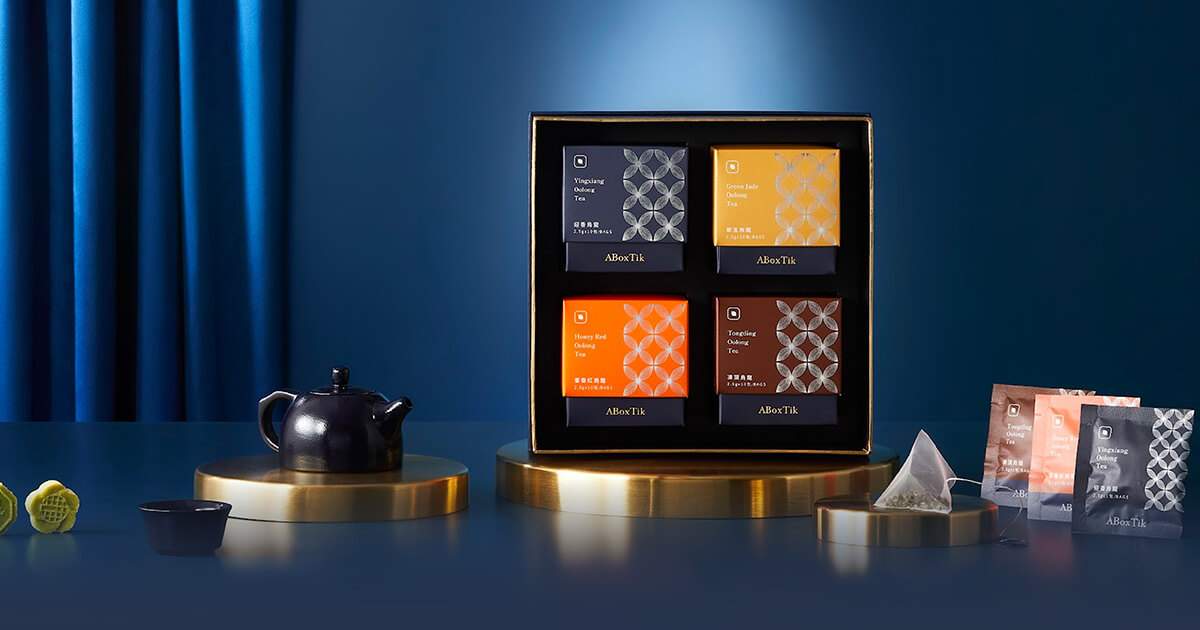
ABoxTik helps a thoughtful tea gift reach the right hands.
Give every tea gift a clear destination
Confirm the actual format and carrying method, then connect receiving, distribution and close-out on one sheet. The most considerate event detail may be one less question at the desk rather than another layer of packaging.
Walk a sample along the guest’s departure route and let a colleague try the sheet without an oral explanation. If both are straightforward, the plan is much closer to an event arrangement people can use.
Related reading
Sources
Sources checked 17 October 2026.