
Tea, Tea Knowledge
Dayuling Tea: Scarcity, History and Buying With Care
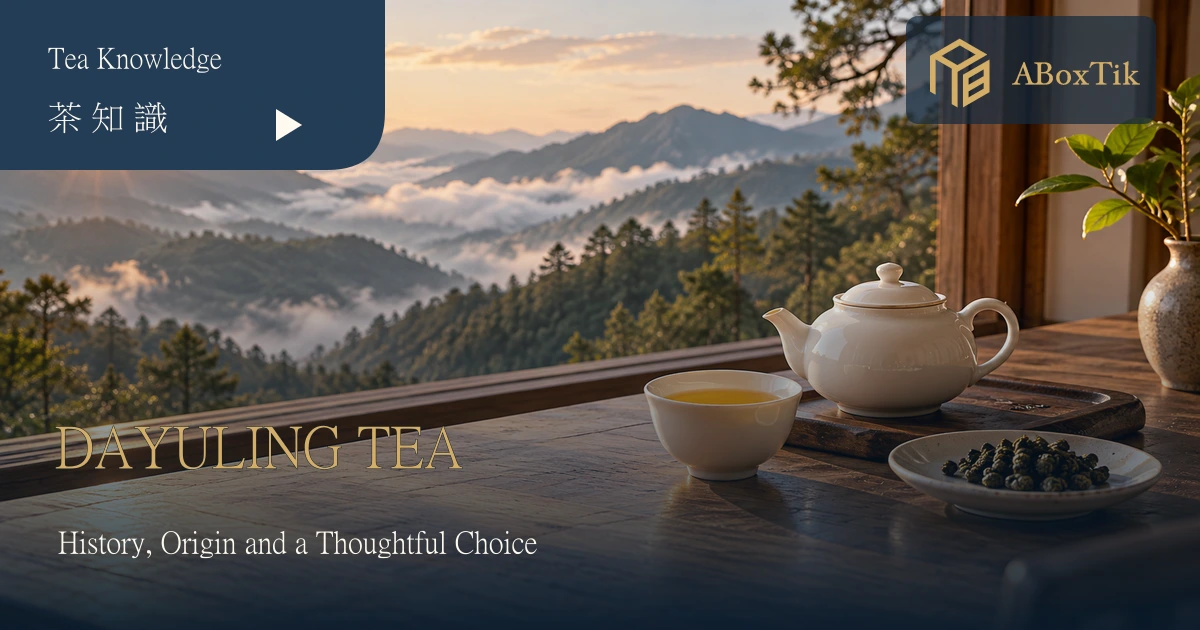
Whenever visiting a tea shop, two categories of Dayuling tea, “high mountain tea” and “high cold tea”, can always be seen. However, the distinguished differences between these two teas are often very confusing. What is it that makes Dayuling high mountain tea particularly delicious, and how does it differ from high cold tea?
In view of this, let us explore Dayuling tea together. I believe that after reading this article, everyone will have a deeper understanding of Dayuling tea!
Dayuling tea supply reflects mountain harvesting conditions and changes in tea-growing land. Keep historical dates attached to records, and check the actual origin and batch before buying; rarity is not a quality guarantee.
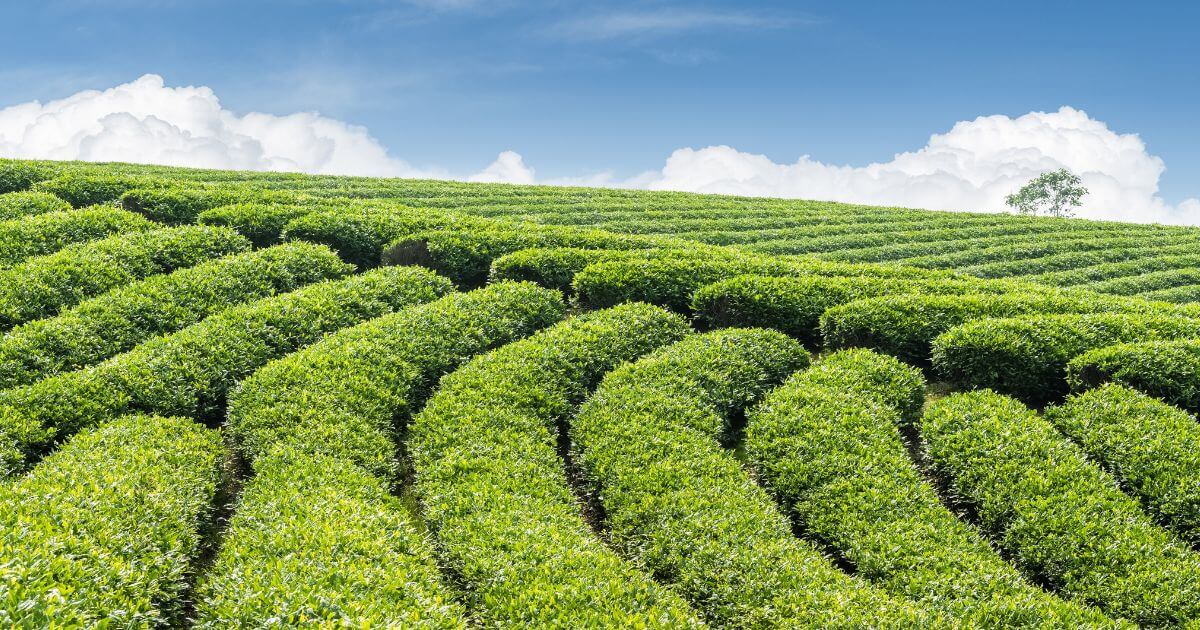
What is Dayuling Tea?
The introduction of Dayuling Tea
Dayuling tea takes its name from the area near Dayuling, Hehuan and Bilu in Taiwan’s central mountains. The name offers a geographical starting point; the actual garden and elevation still need to be checked for each batch.
Cool mountain conditions, cloud cover and sunlight contribute to tea growth, with differences between gardens and seasons.
Some people call Dayuling tea the “King of Taiwan’s Alpine Tea”. This is a market compliment, rather than an official grade. Some batches may offer delicate fragrance or fruity notes; manufacture and storage also shape the result.
The complete product of Dayuling alpine tea is achieved through tea-making techniques. The brew may show a clear golden colour, smooth sweetness and a lingering finish. These are tasting directions, rather than a promise for every packet; no mountain name guarantees the best tea.
Read More:
Chinese Tea Culture [6 Tea Types] & The Origin of Tea
In the mist-covered mountains of Dayuling, where the air is crisp and pure, the tea leaves unfurl like emerald treasures, steeped in the essence of nature. With each sip of Dayuling Tea, I am transported to a realm of tranquility, where time slows down and the soul finds solace in the delicate, floral notes of this exquisite brew.
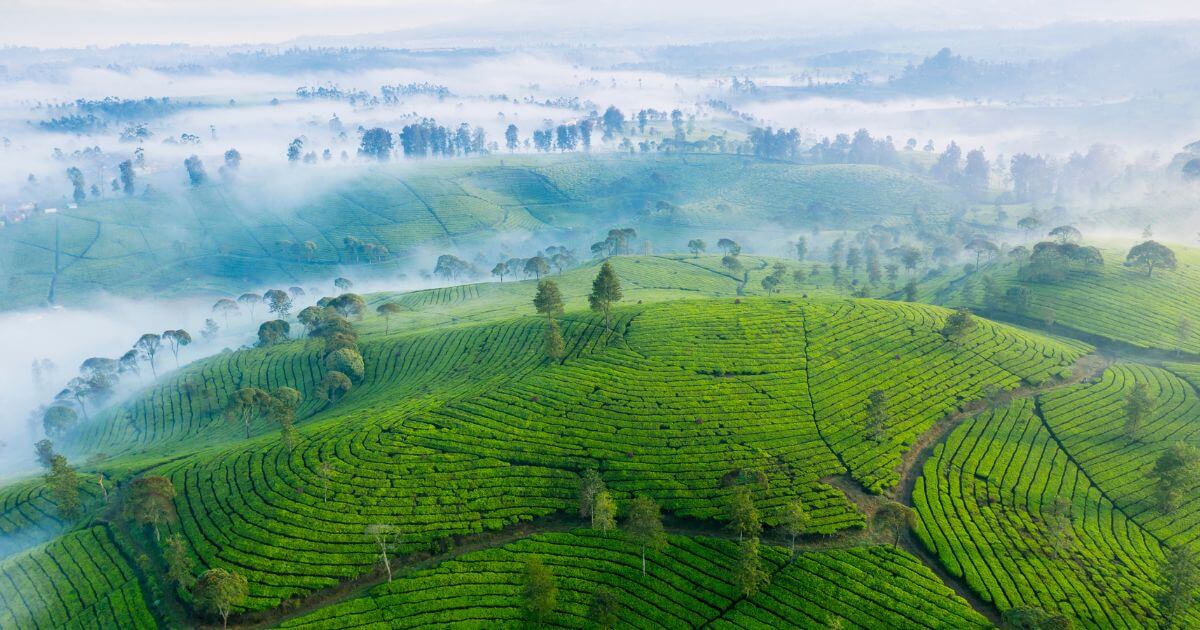
Tea Classroom – Dayuling Tea
Which teas can be considered Dayuling tea?
Dayuling alpine tea attracts attention for its mountain setting, where steep terrain can bring management and harvesting challenges. Highway kilometre markers are used in origin descriptions, but do not authenticate origin by themselves. Ask which road section, garden and batch the description refers to.
The history of returning tea gardens to forest involves particular gardens. The dated records below provide context; they do not establish that all gardens beyond a kilometre marker closed, or determine today’s production and prices.
ABoxTik Shop <Taiwanese loose-leaf teas>: consult the current product information and seller for availability and batch details.
Why is Dayuling tea scarce? Read history with its dates
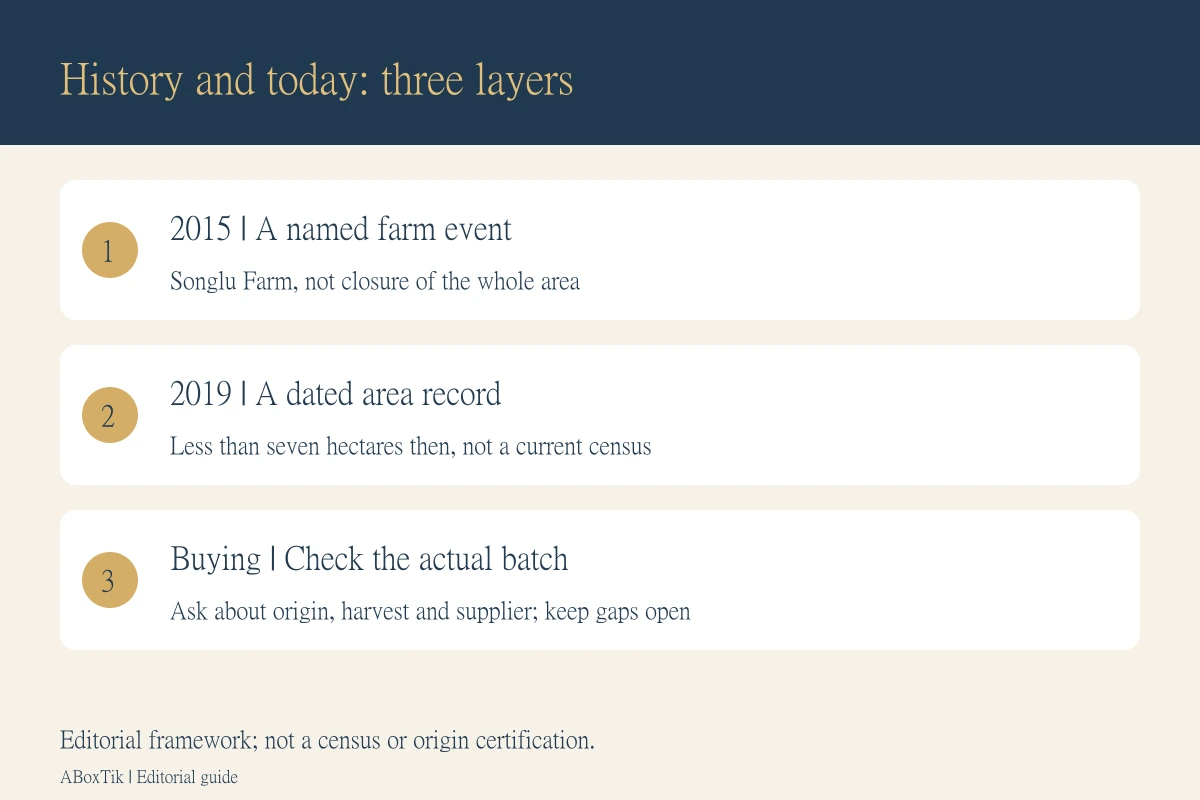
Mountain temperature and rainfall influence harvesting opportunities; changes in tea-growing land form another part of the supply story. Taiwan’s National Cultural Memory Bank records the last harvest at Songlu Farm on 3 October 2015, followed by tea-tree clearance from 5 November. This is an event at a named farm, not evidence that the entire tea area stopped producing at once.
A separate entry authored by Chen Yu-jen records that local tea gardens once exceeded 20 hectares and covered less than 7 hectares by 2019. This is a historical account, not a 2026 census. This review did not establish today’s total area or annual production, and these records cannot determine the origin or land-use status of every tea currently offered.
Before buying, gently ask about the batch
A kilometre marker or the word “rare” need not hurry the decision. Ask six practical questions: Which garden is the source? What is the harvest year and season? What cultivar, oxidation and roasting direction are stated? Can the batch and supplier be matched? What are the net weight, inner packaging and storage advice? Who can help with missing information or brewing questions? This editorial checklist is not official certification or origin authentication.
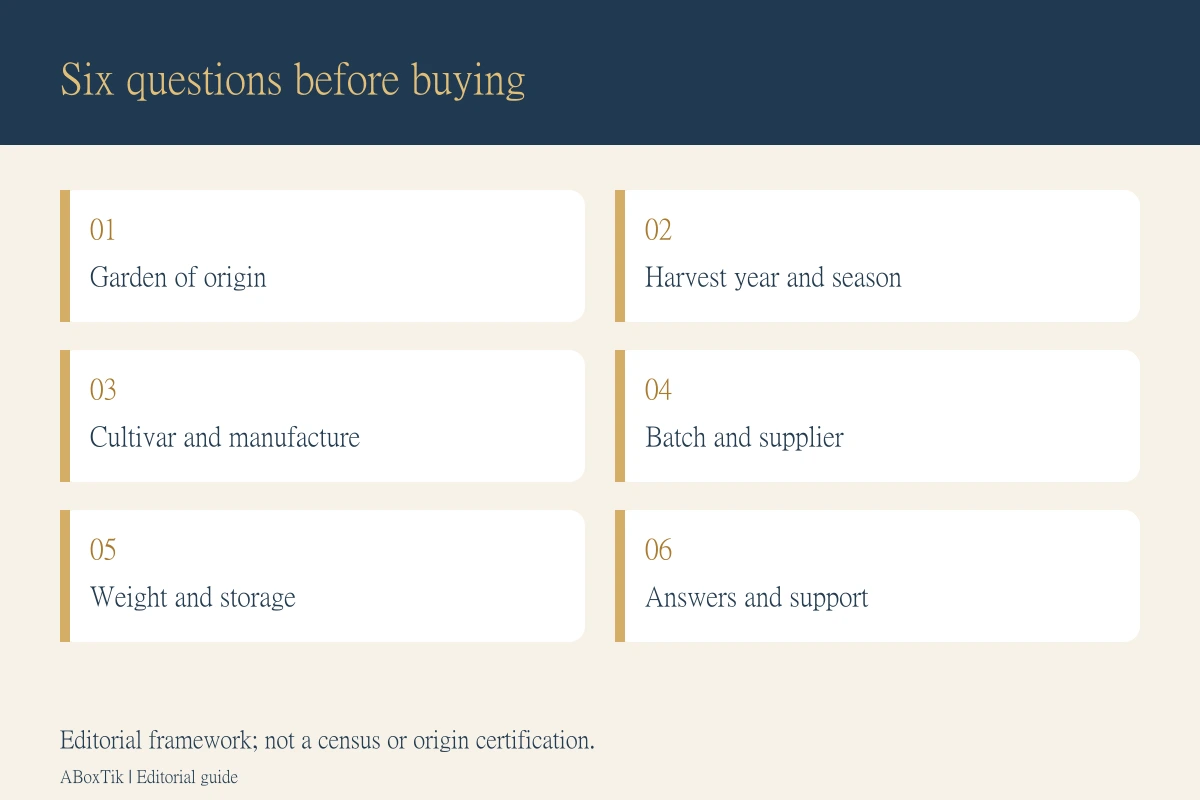
If a traceability code is provided, check its corresponding information. When a record cannot be found, ask for clarification rather than immediately declaring the tea counterfeit. The tea traceability guide and six conditions of high mountain tea quality offer further context. Rarity does not automatically mean a good fit; clear information and an enjoyable cup help tea settle gently into everyday life.
Is Dayuling high mountain tea the same as high cold tea?
Dayuling high mountain tea and “high cold tea” can be confusing names. Both occur in market descriptions; ask for the actual garden information rather than assuming that the names define a consistent difference.
This review did not establish a universal boundary between “high mountain” and “high cold” tea. The previous 1,600- and 2,200-metre thresholds should not be treated as definitions for every tea. Compare the stated garden, cultivar and manufacturing direction together.
Fragrance and a mellow finish are useful things to notice while tasting. They cannot establish altitude or origin, and altitude alone does not support a claim of stronger mood enhancement. A calm comparison in the cup leaves room for personal preference.
Read More:
What is Lishan Tea? High Mountain Tea of Taiwan?
2022 Taiwan Champion Tea – The Birth of the Tea King?
How to brew Dayuling tea?
Hot Brew Dayuling Tea
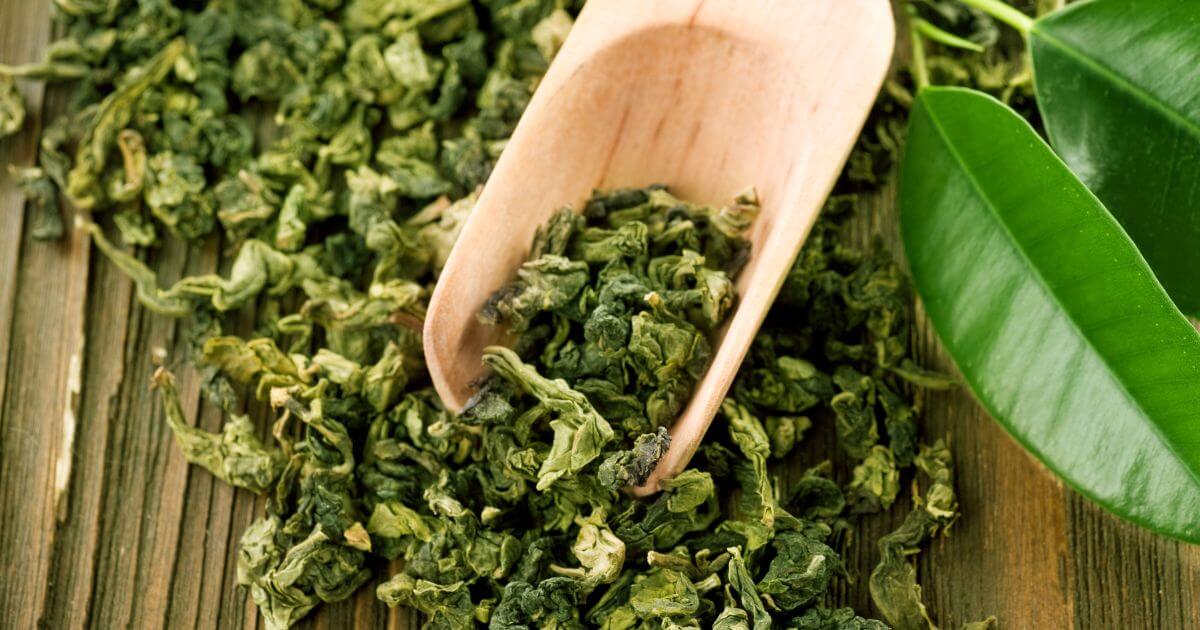
Dayuling tea may taste sweet and mellow after hot brewing. Warming the vessels is one way to begin exploring its fragrance. The steps for making tea are as follows:
1.Warm pots and cups – Dayuling Tea Brew Method
Warm the pot and cup first, so that the tea leaves can fully release the aroma through the residual temperature of the tea set.
2.Add tea leaves to hot water – Dayuling Tea Brew Method
Using a teaspoon, place the tea leaves into the tea set and add hot water.
3.Wait for the tea leaves to brew – Dayuling Tea Brew Method
Wait for the tea leaves to expand to allow the natural fragrance to fully release.
4.Smell and taste – Dayuling Tea Brew Method
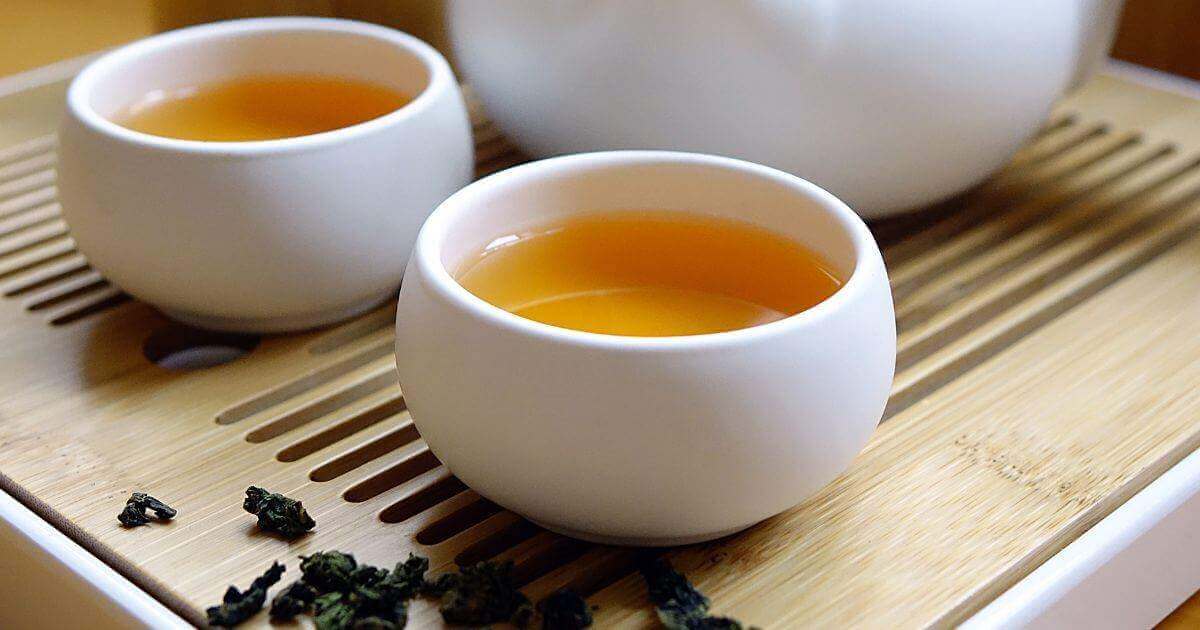
After the tea leaves are brewed, you can first taste it with the scent cup, and wait until the temperature is comfortable, then compare the fragrance and taste.
Cold Brew Dayuling Tea
Cold brewing is another option when suitable for the batch. It is not necessarily better suited than other teas, and this article does not establish an increase in catechins. Use clean vessels and drinking water, refrigerate, and follow the packet’s leaf-to-water ratio and timing; ask the seller when guidance is missing.
Smoothness also depends on the tea, concentration and individual preference. Altitude alone does not establish lower tannin content or an absence of bitterness. If the cup feels too strong, shorten the next infusion and notice the difference.
Read More:
How to Brew Tea? ABoxTik of Tea Series
On the mist-kissed slopes of Dayuling, where serenity resides, the tea leaves unfurl like whispers of nature, enchanting the senses with their delicate fragrance. With every sip of Dayuling Tea, I am transported to a realm of pure bliss, where the gentle caress of the tea’s flavors nurtures my soul and invigorates my being, reminding me of the timeless beauty that lies within the embrace of nature.
Follow ABoxTik
ABoxTik, enjoys the precious products of Dayuling Tea with you.
Dayuling tea is one doorway into Taiwan’s high mountain teas. Its mountain story connects gardens, seasons and the choices of tea makers. Fragrance, fruit notes and returning sweetness can guide exploration, without promising the same result in every batch. Clear origin information and a taste that feels comfortable matter more than rarity alone.
ABoxTik will continue to bring everyone different tea knowledge, including history and various analyses of tea culture. In hopes for everyone to acquire a better understanding of tea, please read through our articles. If you are interested in various tea cultures, as well as the history and knowledge of tea, you are welcome to explore more secrets of tea with ABoxTik products. Continue to follow our article updates, and visit our official website!
Sources
- National Cultural Memory Bank: Dayuling tea gardens and returning land to forest (Chen Yu-jen)
- National Cultural Memory Bank: Songlu Farm’s final harvest in 2015 (Ruan Su-fen)
- Tea and Beverage Research Station: High mountain oolong
Reviewed 3 October 2026. Historical record dates differ from the review date; current total area and production remain unconfirmed.