Tea Mixology
Tea Mocktails Explained: Balance Tea, Sweetness, Ice and Bubbles
What Is a Tea Mocktail? Start with the Tea
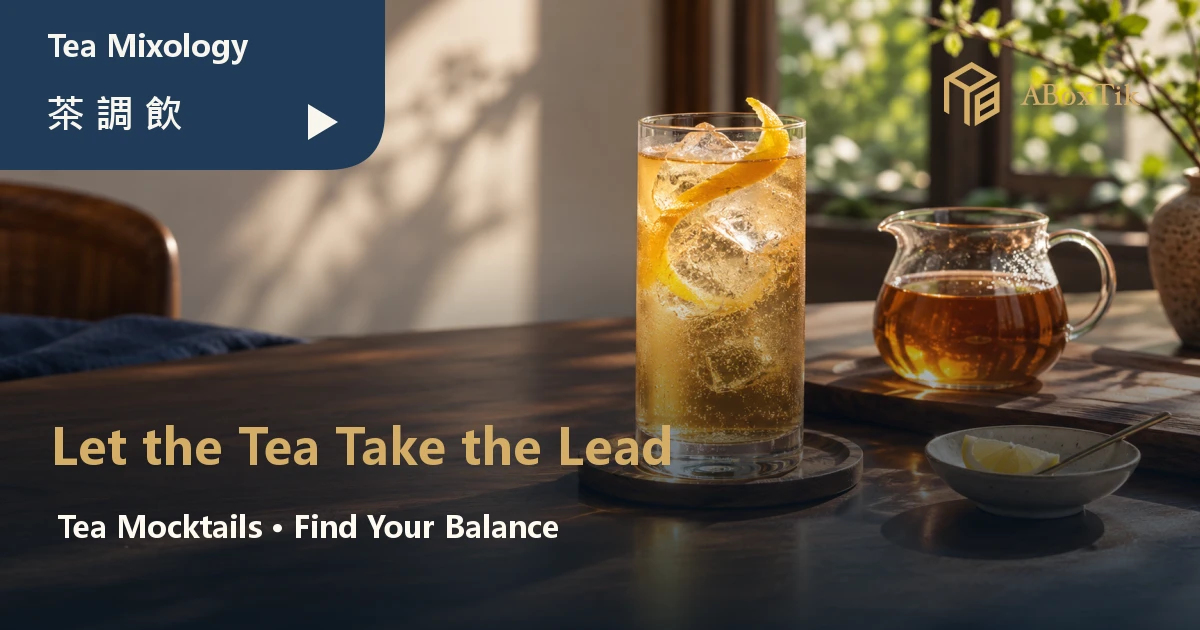
A tea mocktail is a mixed drink built around tea, with non-alcoholic ingredients such as juice, syrup, herbs or sparkling water. It can be bright or rounded, fizzy or still. The useful question is not how many ingredients fit in the glass. It is whether the tea still has a clear voice when the drink is finished.
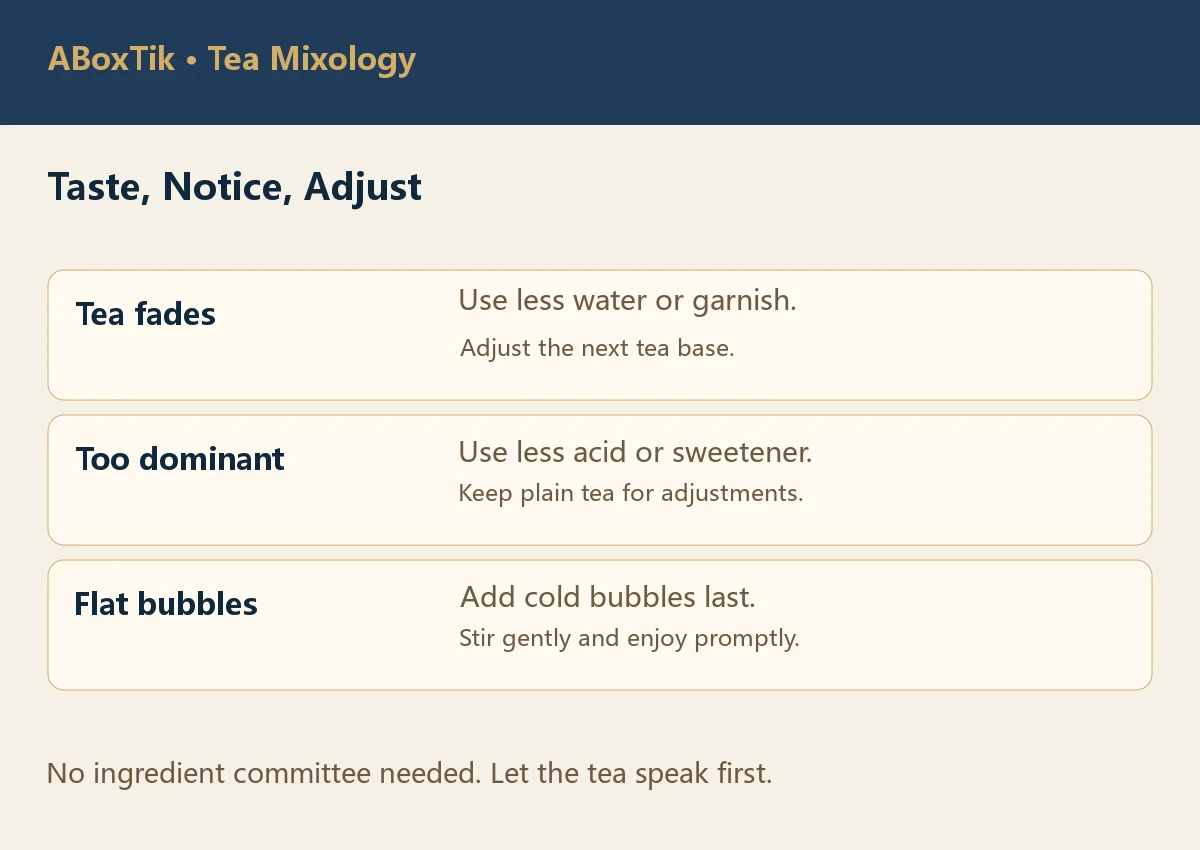
If the first attempt looks lovely but tastes mostly of lemon and sugar, there is no need to retire the glass. Extra liquid may have diluted the tea, or the sweet and sour ingredients may have moved to the front. Changing one thing at a time makes that much easier to notice than adding another juice and hoping for the best.
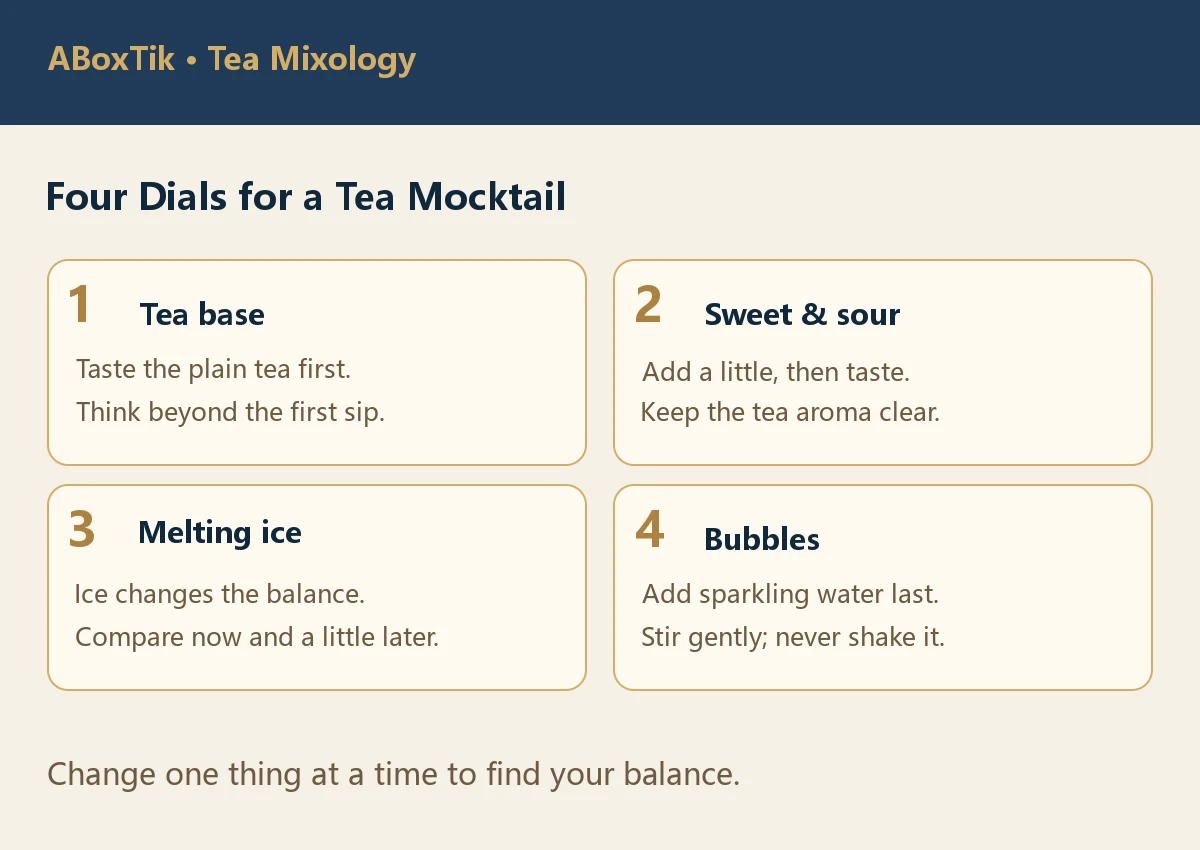
Think of four adjustable dials: the tea base, sweetness and acidity, melting ice, and bubbles. Choose a direction you enjoy, then make small changes. Our sparkling oolong and Halloween tea articles provide specific drink ideas; this guide explains how to make your own decisions about balance.
Try sparkling oolong tea · Explore Halloween tea mocktails
Dial One: Choose the Tea Character to Keep
Taste the plain tea before adding anything else. Would you like to keep its floral aroma, roasted character, or fuller body? That small pause gives every later ingredient a job. Tea batches vary, so judge the tea actually in your cup rather than treating a variety name as a complete flavour description.
For a floral direction, start with a lighter-style oolong you already enjoy and keep the first additions modest. If a firmer tea presence sounds appealing, explore a roasted oolong or black tea and compare how it works with the other ingredients. These are starting directions, not compulsory fruit pairings.
A stronger base is not automatically a better base. Ice and other liquids may call for a little more tea concentration, but simply steeping much longer can produce a cup you do not enjoy. Begin with the product brewing guidance, then compare the tea-to-water ratio. Follow the particular instructions for your tea bags or loose leaves.
Keep a little plain tea aside for small adjustments. If brewing temperature and timing are still unfamiliar, start with our brewing guides. A pleasant base makes the later decisions easier; a stack of garnishes cannot be expected to repair every difficult cup.
Oolong brewing temperature guide · Tea steeping time guide
Dial Two: Adjust Sweetness and Acidity Separately
Sweetness and acidity deserve separate decisions. Lemon juice is not merely decoration, and syrup does not need a ceremonial full circle around the glass. Add a little, mix, then taste before adding more. That keeps the tea in view and gives your own preference room to guide the drink.
Juice may bring water, sweetness and acidity at once. Some sparkling drinks already contain sugar too. Read the ingredient list before automatically adding syrup; an unsweetened sparkling water gives more freedom to adjust sweetness independently.
If the first sip is dominated by sharpness, use less acidic ingredient in the next glass. If it tastes mainly sweet, reduce the sweet ingredient. Plain tea can help with a modest adjustment, but every added liquid also changes concentration. Alternating more tea and more syrup can turn one drink into a family-sized negotiation.
Go gently with herbs and citrus peel as well. Ask whether the aroma in the glass still reminds you of the original tea. If it does, decide whether a little more garnish would be welcome. The ingredients do not all need speaking parts in the same performance.
Dial Three: Think Beyond the First Sip
Ice cools the drink, but melting ice also adds water. The flavour when you first mix a glass may differ from the flavour halfway through. You need not make those moments identical; simply include that change in the choices you make.
For a drink to enjoy slowly over conversation, compare a version with less extra water and notice whether tea flavour remains later. For a glass enjoyed soon after mixing, adjust to the balance you like at that moment. Glass size, tea temperature, ice shape and the surrounding conditions all affect the change, so counting ice cubes alone is not a reliable dilution plan.
Two short notes are enough: is the tea clear at the beginning, and would you enjoy another sip a little later? Use the same glass and ingredients, changing one condition for the next comparison. Ice does not submit a report, but those observations can be quite useful.
Dial Four: Add Bubbles at the End
Bubbles are optional. A still tea mocktail can be just as enjoyable if that softer texture is what you want. For fizz, try unsweetened sparkling water. Tonic water, sweetened soda and plain sparkling water have different ingredients and flavours, so taste again whenever you substitute one for another.
Carbonated water contains dissolved carbon dioxide, which gradually escapes after the bottle is opened. The American Chemical Society demonstrates that carbon dioxide stays dissolved more readily in cold water and escapes faster as it warms. In practice, prepare the chilled tea and other ingredients first, then add cold sparkling water at the end.
Stir gently after adding it. Do not put the carbonated mixture into a shaker and shake vigorously. Nor does the glass need its own miniature whirlpool. Enjoy it after mixing, and note what you would change next time. If the missing feature is fizz, making the tea stronger is not necessarily the useful first adjustment.
Try a Small Comparison, Then Choose Your Next Step
Use one batch of plain tea and two small glasses. Taste the plain tea in one, and add just one intended ingredient to the other. Smell first, then sip, noticing the tea aroma, concentration and sweet or sour impression. Compare ice or sparkling water in a separate round so each round has a clear question.
Would you prefer a lighter drink, or more tea presence? Either answer is welcome. If an addition dominates, use less of it next time. If the drink becomes too watery after ice melts, reduce extra water first, then compare the base. Changing one condition at a time avoids having to guess which of several adjustments helped.
For friends, offer a choice of direction: tea-forward, gently sweet and sour, or sparkling. Keep the sweet and acidic ingredients separate so preferences are easier to accommodate. Asking whether someone would like a little more tea or a brighter finish keeps the conversation more useful than asking whether the drink is correct.
Start with a Familiar Taiwanese Tea
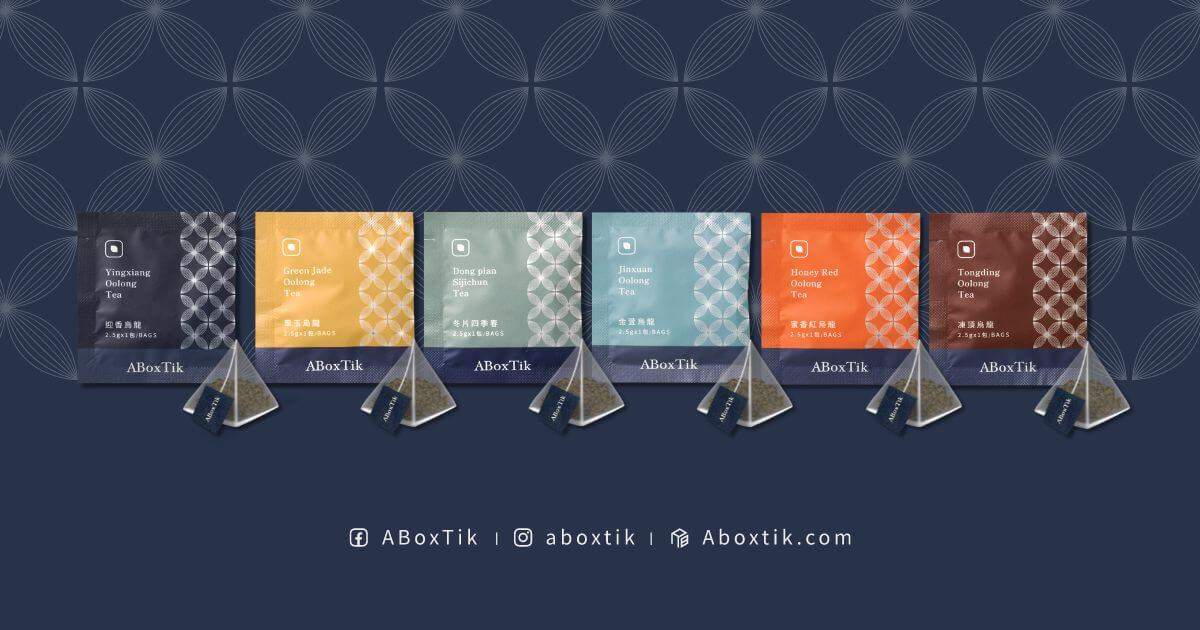
A tea you already enjoy is a sensible place to begin. To explore other bases, consider ABoxTik Green Jade, Jinxuan or Dongding according to their product descriptions and the actual tea flavour. Taste them plain first, then decide which character you want to carry into the mixed drink.
The four-selection pure-tea gift set offers another way to compare tea characters. Its four selections come from the available range; the six tea boxes pictured below show the range of choices, rather than the contents of one six-tea gift set. Tea bags can also make a base: follow their brewing guidance and begin with small additions.
There is no need to master all four dials today. A glass you enjoy is already a worthwhile beginning. A little less acidity or a clearer tea aroma next time is simply your own drink taking shape.
Explore the four-selection pure-tea gift set · More tea mixology ideas