
Tea Knowledge
Oolong Tea Water Temperature: Fresh, Roasted and Red Oolong
For oolong tea water temperature, begin with the tea’s style: 90–95°C for fresh, fragrant oolong; 95–100°C for roasted oolong; and about 90°C for red oolong before adjusting to the packet and the cup. These are considerate starting points, not a test with one correct answer. When the maker has given brewing guidance, let that guidance lead; it belongs to the tea in your hands.
Temperature should not overpower a tea. It should give aroma, sweetness and texture a gracious place to arrive.
A calm starting table for three oolong styles
| Style | Start here | What it supports | First adjustment |
|---|---|---|---|
| Fresh oolong | 90–95°C | Floral lift, clarity and sweetness | If sharp or astringent, shorten the steep first; then lower 3–5°C. |
| Roasted oolong | 95–100°C | Roast aroma, body and lingering finish | If heavy, shorten the steep before making a large temperature change. |
| Red oolong | About 90°C | Ripe-fruit character and rounded sweetness | Move toward 95°C or boiling water only as the leaf and maker’s note invite it. |
The Tea and Beverage Research Station compared 80, 90 and 100°C brewing water. Wenshan pouchong performed better at 90°C to boiling than at 80°C, while high-mountain tea and Dong Ding oolong performed best with boiling water. That is a helpful compass, not a demand that every leaf follow the same route: season, roast, leaf shape, dose and vessel all matter.
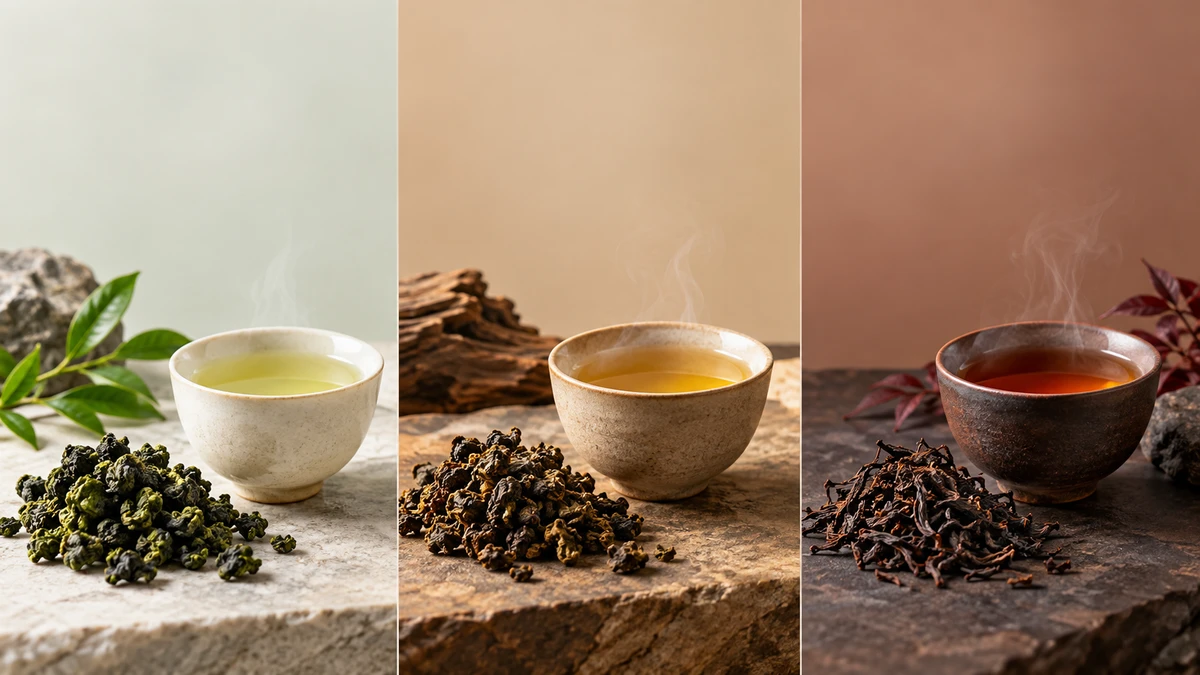
Fresh oolong: leave room for fragrance to unfold
For high-mountain oolong, pouchong, or a lightly roasted tea, try 90–95°C with a short first steep when no maker’s note is available. This does not mean boiling water is always unsuitable. It simply gives a first tasting a little more space to notice a fine floral aroma before deciding what the tea asks for.
If the aroma feels rushed or the finish is pointed, shorten the steep by a few seconds. Only if that does not help, lower the water by 3–5°C. If the cup is clean but thin, lengthen the steep slightly instead. One small change is a quiet service to your next cup: it lets you know what actually helped.
Roasted oolong: use warmth to reveal body, not to trap the tea
Dong Ding, Tieguanyin and more roasted oolongs can usually begin at 95–100°C. The official tasting comparison found Dong Ding better with boiling water; higher heat can help tightly rolled leaves open and make roast, depth and finish easier to read. If the package says boiling water, it is fine to trust it and keep the first pour clean and prompt.
When the cup feels closed-in or bitter, do not assume temperature is the only cause. Check whether the tea was steeped too long, over-dosed, or allowed to sit in the vessel. Correcting one of those details often gives a roasted tea the warmth it needs without asking it to become harsh.
Red oolong: begin around 90°C and bring the cup into focus
Red oolong has features of both oolong and black tea: a bright amber-red liquor, ripe-fruit notes and a rounded texture. An Agriculture Ministry tea-experience teaching sheet uses about 90°C for hot brewing. Treat that as a welcoming first point, not a universal rule. A tightly rolled or more roasted red oolong, or a packet that specifies higher heat, may be ready for 95°C or boiling water.
If sweetness is missing, extend the steep gently before raising the temperature. If weight arrives too soon, shorten the steep. This keeps fruit, roast and sweetness from being pressed into one blunt note.
When the cup misses the mark, adjust in this order
- Read the packet first. The producer’s note is closest to this batch.
- Change time first. Shorten for bitterness or heaviness; lengthen slightly for a thin cup.
- Then change temperature. Move only 3–5°C at a time.
- Change leaf dose last. It changes the whole concentration of the brew.
Higher water temperature speeds extraction. That is not a warning against heat; it is simply why high heat plus a long steep can feel forceful. A gaiwan makes prompt pouring easier—our beginner gaiwan guide can help make that part feel unhurried.
A thermometer is useful, but it does not have to make tea feel strict
A temperature-control kettle makes a 90°C or 95°C starting point easy to repeat, especially while learning a new tea. If there is no thermometer, begin with freshly boiled water for roasted oolong, and allow the water to rest briefly for a fresher or more fragrant style. The exact cooling speed changes with the kettle, room and amount of water, so treat the clock as a gentle cue rather than a substitute for tasting.
Keep the vessel, leaf dose and water amount steady for two or three infusions. Notice only a few things: does the aroma feel clear, does the centre of the cup feel sweet or tight, and does the finish arrive cleanly? Those quiet observations are more useful than trying to name every note. A tea may welcome a hotter second try; it may also simply be asking for a shorter first steep.
If the kettle offers only broad presets, choose the closest setting and keep the rest of the session steady. A five-degree difference is useful only when it helps the cup become clearer; it is never a measure of skill. The most considerate record can stay very small: tea name, starting temperature, steep time, and one sentence about what you would adjust next.
For a shared pot, make the adjustment smaller
When a larger teapot holds heat for longer, the same water can extract more than it would in a small gaiwan. Start at the lower edge of the suggested range or pour out a little sooner, particularly with a floral tea. When serving guests, this small precaution is a thoughtful way to keep the cup balanced without turning the table into a lesson. Pour the tea out fully, then let the next infusion answer the first.
Let the first pot be observation, not pressure
Begin fresh oolong at 90–95°C, roasted oolong at 95–100°C and red oolong at about 90°C; then change only one detail. The goal is not to make tea into an experiment. It is to give a particular tea the patience to be understood.
For a little more context, explore Green Jade oolong, oolong tea tossing and what makes Taiwanese tea special. When ready to practise, browse the current tea collection and begin with the style you most want to drink.
Tea recommendations: three styles, one calm place to begin
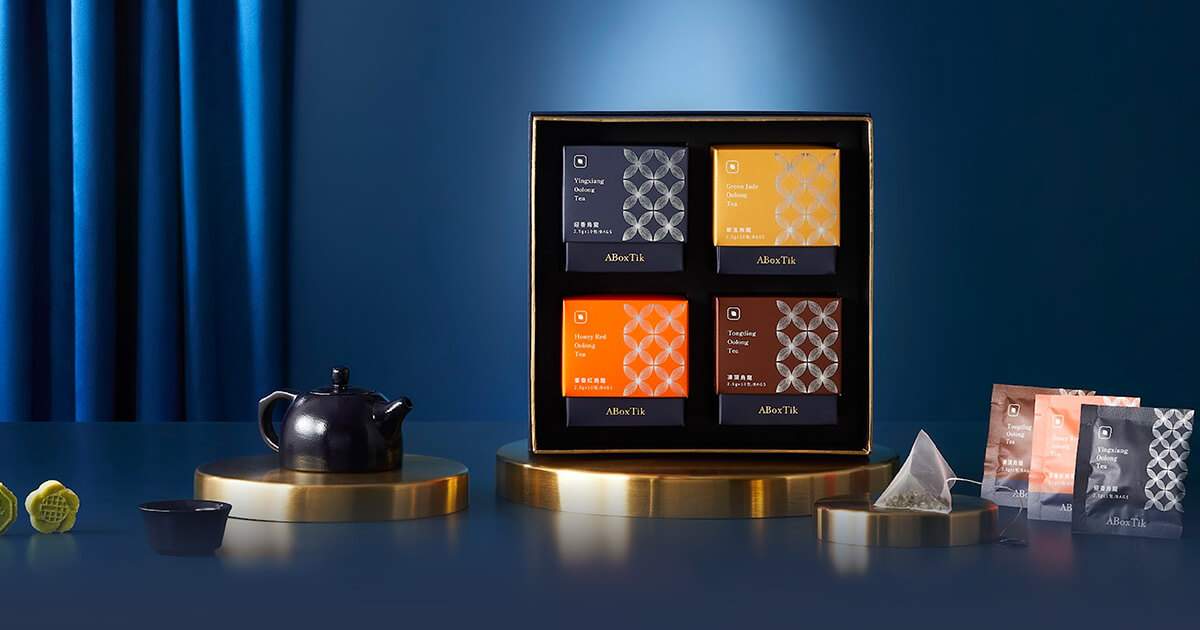
To bring the temperature guide to the table, try Green Jade oolong for a fresh, fragrant style, Dong Ding oolong for the relationship between roast and hotter water, and Honey Red Oolong for ripe-fruit character and rounded sweetness. Follow the current product guidance, flavour notes and availability for each tea. There is no need to compare all three at once; caring well for the cup you most want today is already a graceful start.
Sources
- Tea and Beverage Research Station: Effects of water quality and temperature on tea liquor (checked 2026-09-29)
- Agency of Rural Development and Soil and Water Conservation: Taitung tea-experience lesson plan (checked 2026-09-29)
- Ministry of Agriculture food education platform: Tea (checked 2026-09-29)
- Ministry of Agriculture: Introduction to red oolong (checked 2026-09-29)