
Tea Knowledge
Oriental Beauty vs Honey Black Tea: Look Beyond Honey Aroma
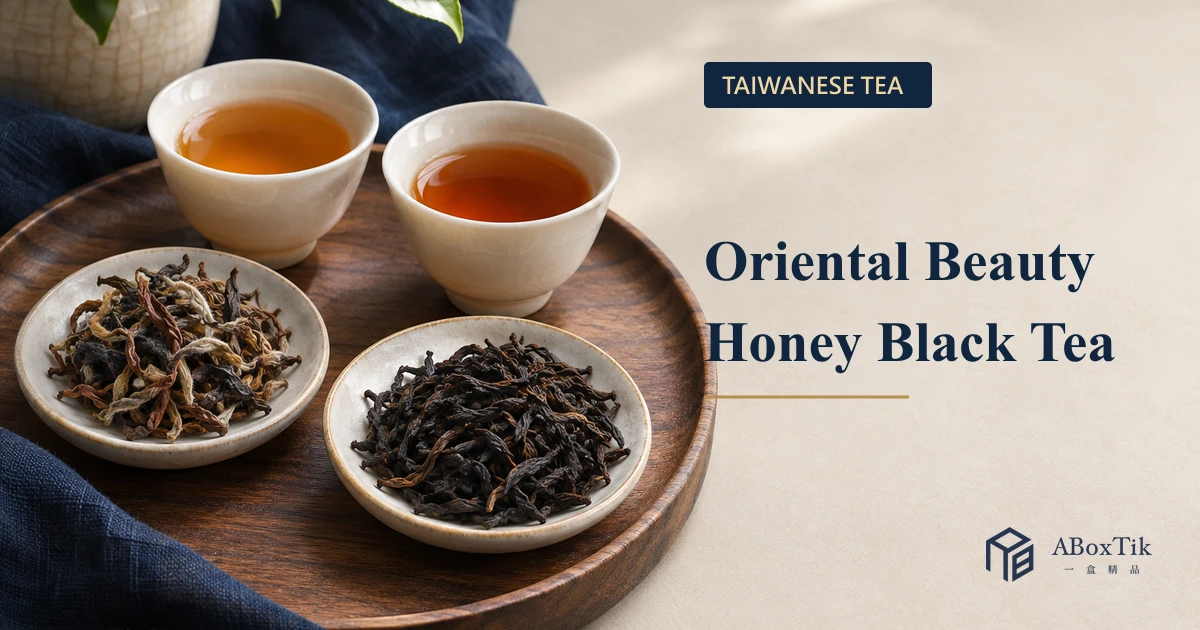
Oriental Beauty and honey-aroma black tea can both suggest honey or ripe fruit, but begin with their tea categories. Oriental Beauty belongs to Taiwan’s distinctive partially oxidised oolong tradition; honey-aroma black tea follows a black-tea processing direction. Read category, actual source and ingredients before choosing from the particular batch’s flavour description.
Both names sound inviting when looking for a sweet-smelling Taiwanese gift. Make that wish more specific: is the priority a honey-like aroma, a comfortable texture, or easy everyday preparation? Those are different needs. This editorial comparison provides three buying questions, a use-based table and a small tasting exercise, rather than declaring one tea superior.
A shared honey association does not make the teas identical
The Tea and Beverage Research Station describes Oriental Beauty through leafhopper-affected raw material and a processing sequence that includes withering, agitation, heat fixation, resting and rolling. Honey-aroma black tea follows another processing route. Raw-material stories can be related while the way the leaves are handled remains different. An amber-red cup or a sweet smell alone cannot turn Oriental Beauty into black tea.
Honey-aroma red oolong is also a separate name, not an alternative spelling of honey black tea. The wider Taiwanese tea comparison guide helps place the categories. This page keeps the buying decision between Oriental Beauty and honey-aroma black tea in focus, leaving the detailed production accounts to their dedicated articles.
Ask three questions before memorising percentages
- Which tea category is this? Obtain the full product name rather than relying on the word honey.
- Where does this batch come from? Look for its actual source, producer and batch information.
- What ingredients are listed? Read aromatic descriptions separately from added ingredients.
Honey can be an aroma description. Whether honey, flowers, fruit or another material was added is a product-label question. Do not use an aroma alone to infer farming practices, pesticide use or certification. When details are missing, ask for the particular product’s information; there is no need to turn an ordinary purchase into a lengthy manufacturing examination.
A concise request might be: “I would like pure tea with a honeyed aromatic direction, mainly for drinking plain. What is this product’s full name, source and recommended water volume?” That combines purpose and preference in a form a seller can answer. The honey and fruity aroma guide offers vocabulary later, once there is a real cup to describe.
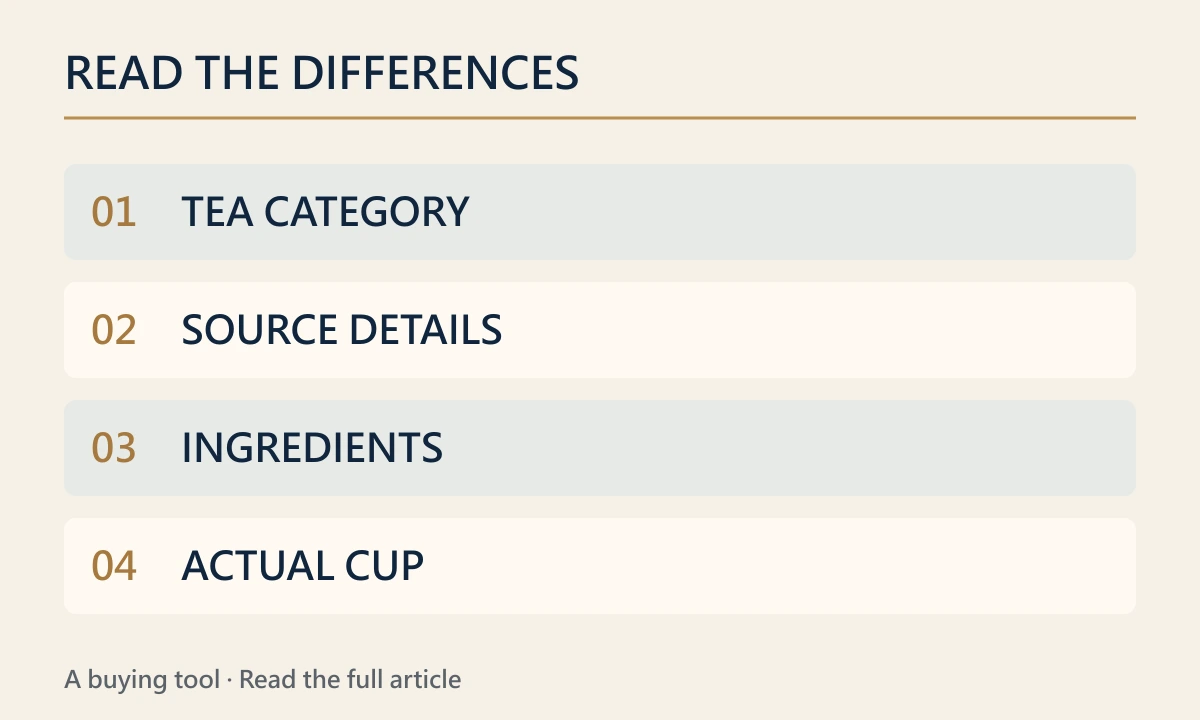
Match the expectation to the intended use
| Purpose | Ask about Oriental Beauty | Ask about honey black tea |
|---|---|---|
| Explore a distinctive process | Raw material, producer and processing direction | Source, cultivar and black-tea processing |
| Find honeyed aroma | This batch’s flavour description and a manageable starting method | |
| Try milk | Any relevant guidance; retain a plain serving | Product-specific advice and a separate milk trial |
| Give a gift | Recipient preference, vessel, quantity and clear instructions | |
The table does not assume that every Oriental Beauty is delicate or every honey black tea is heavy. Both can vary with production style. When the real goal is an easy plain cup, let preparation and the actual drinking experience carry more weight than the length of the product story. The most useful comparison is one that narrows the next action.
Keep aroma and sweetness on separate lines
Prepare a small amount of each tea using its product instructions, the same water source and similar clean vessels. If the methods differ, record the difference rather than quietly imposing the familiar tea’s steeping time on both. Remove the leaves or bags before comparison, then smell and sip. Write what the tea smells like separately from how it tastes and feels.
The aroma line might include honey-like, ripe-fruit, floral or a simpler personal association. The taste-and-texture line can record strength, astringency, body and comfort. Add a temperature stage if the impression changes as the cup cools. If a honey note is not obvious, record that honestly; it can help a seller suggest a more suitable product next time.
If one cup is much too strong, adjust the preparation before rejecting the entire tea category. If both are enjoyable for different reasons, retain both reasons: one may be interesting to smell, another especially pleasant to sip. The outcome can be different roles rather than a winner. A home tea table does not need to issue medals to produce useful knowledge.
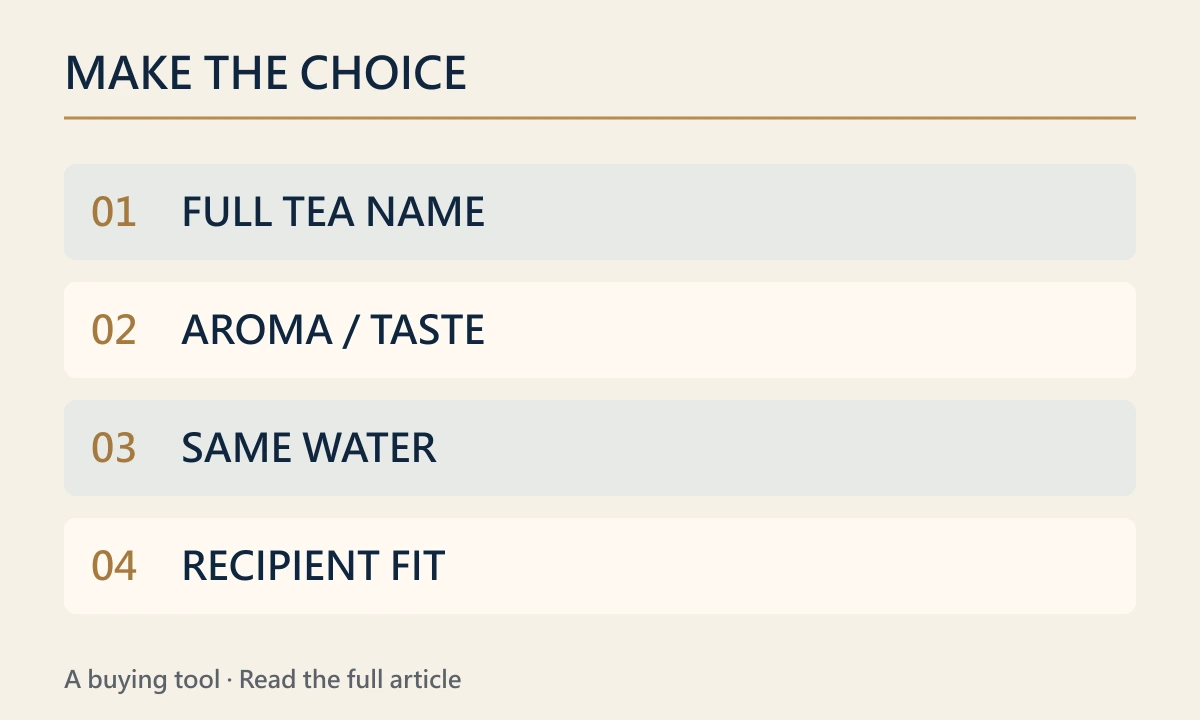
Put the story on the card and the details with the tea
For a gift, the name Oriental Beauty or the background of honey-aroma tea can support a short introduction. Prioritise the full tea name, one confirmed source detail, a starting method and a personal message. There is no need to present a popular naming legend as verified history. If the recipient uses a large mug, a format that works with that mug matters as much as an interesting story.
Read every component of a mixed set. A box containing herbal infusions is not automatically a box consisting entirely of Taiwanese pure tea. Someone who enjoys honey black tea also need not enjoy every product described as honeyed. Ask whether the recipient mainly drinks plain tea, uses milk, or simply wants an uncomplicated cup, and select the actual contents accordingly.
The ABoxTik Taiwanese tea and gift selection provides a route to formats. For the classic range, the six-tea product comparison describes the particular teas. Introduce its honey-aroma red oolong by its complete name; discussing honey black tea here is no reason to relabel a different product. Clear naming helps both the first cup and a later reorder.
Common questions about Oriental Beauty and honey black tea
Does honey aroma mean honey was added?
Not necessarily. Read aroma language and ingredients separately. If pure tea is wanted, check the chosen product’s ingredient information directly.
Why is a reddish Oriental Beauty not simply black tea?
Tea categories concern processing, not colour alone. Oriental Beauty has a partially oxidised processing tradition, while cup colour also changes with preparation and concentration.
Which is better for a first tea purchase?
Begin with a clearly described product, a usable quantity and instructions that suit the available vessel. If a tasting option is offered, try a small serving. Being new to tea does not determine one compulsory category.
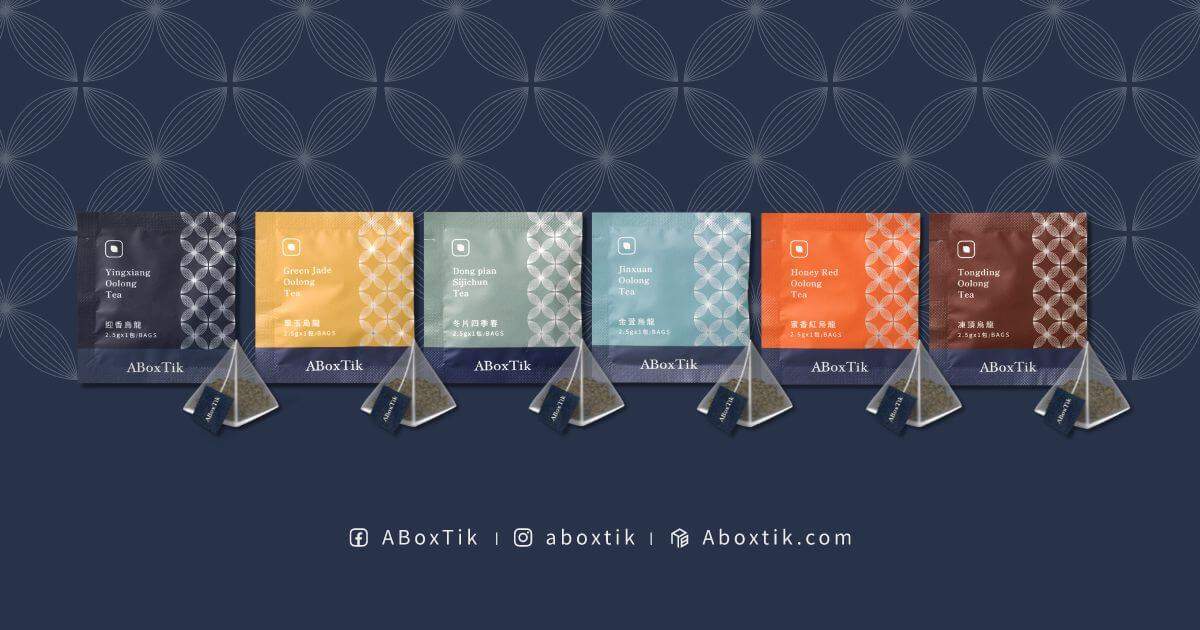
A honeyed name need not leave the choice stuck in one place. Tea gifts, further reading and the latest selections below keep a few other routes open.
Sources
- Tea and Beverage Research Station: Oriental Beauty
- Tea and Beverage Research Station: Honey-Aroma Tea
- Ministry of Agriculture: Tea
Sources reviewed 17 November 2026. Methods and fictional calculations are editorial tools; product details follow the current listing.