
Tea Knowledge
Ruby vs Assam Taiwanese Black Tea: Plain or With Milk?
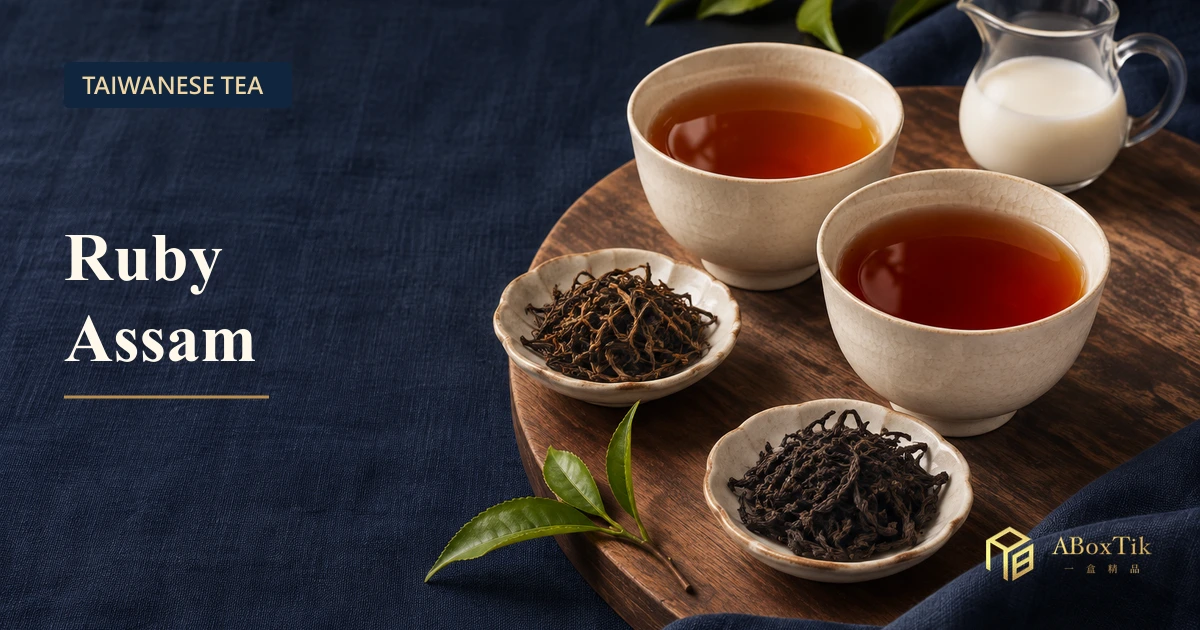
To choose Ruby or Assam Taiwanese black tea, first confirm that the comparison concerns Ruby TTES No. 18 and Taiwanese-grown TTES No. 8. Then decide whether the main use is plain tea, milk tea or both. Assam can also name an Indian tea-growing region, so the actual origin still needs checking when buying Taiwanese tea.
A regular milk-tea drinker may begin by asking which tea is stronger. Three more specific questions are useful: which aroma should remain, how much milk is normally used, and how convenient should preparation be? Those answers connect the purchase to an everyday cup more effectively than choosing the darker liquor.
Match the names to the cultivars
Ruby is TTES No. 18, with an official breeding background involving Burmese large-leaf tea and Taiwanese native tea. TTES No. 8 is commonly encountered as Taiwanese Assam black tea. This guide concerns the purchase and use of Taiwanese finished teas, rather than treating every Indian Assam estate tea as one interchangeable product.
If a product says only “Assam-style,” ask whether that refers to origin, cultivar or a blend description. Even when TTES No. 8 is specified, read the actual growing and production information. The Sun Moon Lake black-tea region guide supplies geographical context, while the Taiwanese tea comparison places black tea among other styles. This page focuses on choosing a usable drinking format.
Aroma descriptions provide leads, not completed notes
Ruby is often introduced through cinnamon-like and mint-like aromatic associations. Taiwanese Assam descriptions commonly mention a malty, fuller black-tea direction. Treat these as starting points for reading product information. The particular harvest, processing, leaf format and brewing method can change the impression; there is no requirement to find every word in somebody else’s description.
Keep aroma, taste and concentration separate. A mint-like association is not the same question as whether mint was added; ingredients belong on the label. If the Assam cup looks darker, check leaf quantity and format before calling it fuller. Colour can be recorded, but should not decide the entire comparison.
| Purpose | Compare first | Ask before buying |
|---|---|---|
| Mainly plain tea | Aroma, strength and astringency | Leaf format, water volume and time |
| Milk tea | Whether the tea remains enjoyable with milk | Product-specific milk-tea guidance |
| One tea for both | Keep separate plain and milk notes | Suitable smaller pack sizes |
| A gift for a black-tea drinker | Familiar flavours and preparation habits | Cultivar, origin and ingredients |
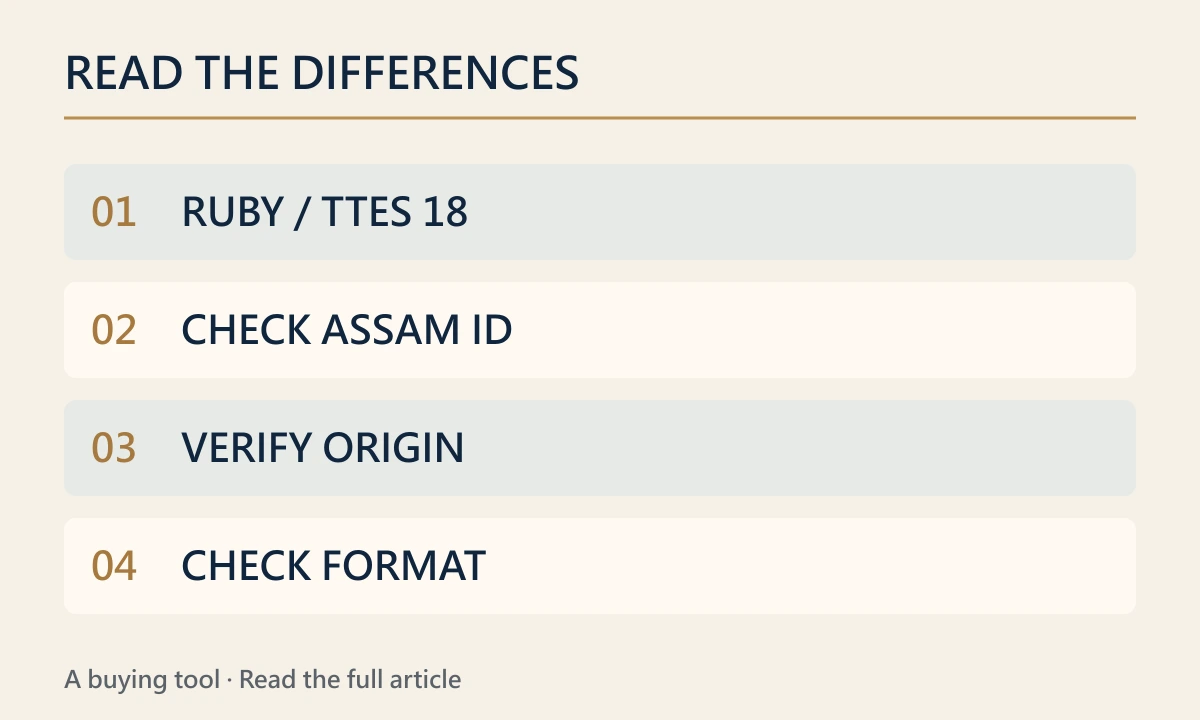
Establish a comfortable plain cup first
Prepare a small amount following each product’s own instructions, using the same drinking water and clean vessels. Remove the leaves or bags at the appropriate time and keep one serving plain. Taste after it has cooled enough to be comfortable, noting aroma separately from how the sip feels. A tea does not need to be brewed to the strongest possible level to be understood.
If one cup feels too astringent, change one variable next time, such as shortening contact time. If the other seems weak, check actual leaf and water quantities. The purpose is to find a repeatable starting cup. Adding milk to an already over-strong infusion explores that particular preparation; it does not reveal everything about the cultivar.
A useful note says “this Ruby batch, this preparation, tasted warm.” That narrower description is easier to repeat and explain to a seller than “all Ruby tastes like this.” It also leaves room for a later batch to offer a different experience without making the previous observation wrong.
Split the tea before adding milk
Divide one drained infusion into two servings. Leave one plain and add the usual milk to the other. Keep the milk type consistent and record the amount; retain the same addition basis when comparing another tea. This is a small home trial, not a universal recipe. If the product offers a separate stronger milk-tea method, that can become a clearly labelled later test.
First ask whether the tea’s aromatic identity remains noticeable, then whether the combined strength is enjoyable. If milk dominates, try reducing its amount in the next serving before immediately extending tea extraction. A different milk or plant drink creates another comparison, so open a new note instead of assigning every change to the tea.
Add sugar as a separate step if wanted. Changing milk and sweetness together makes the result harder to interpret. The black-tea milk-base troubleshooting guide explores weak aroma after milk in more detail. For this decision, a usable plain version and a separately recorded milk version are enough to begin.
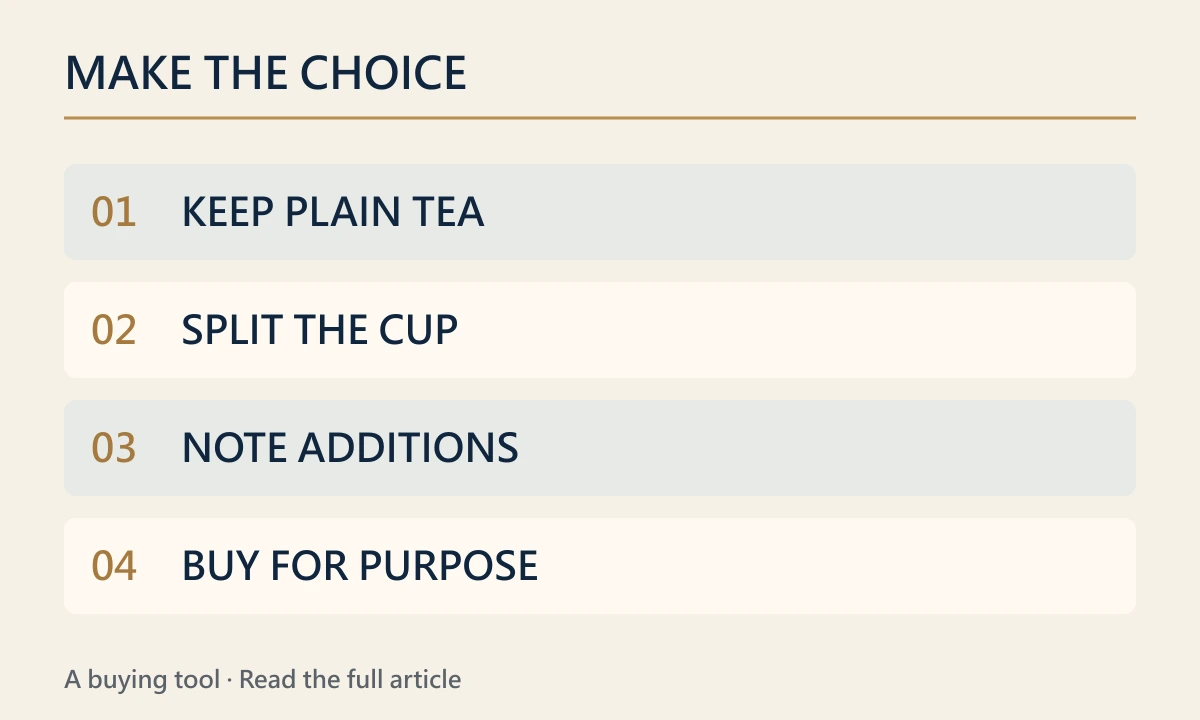
Let quantity, format and budget decide the regular purchase
Consider the water volume normally prepared, the available filter or bag format, and the number of likely weekly sessions. Loose tea needs a practical way to measure and drain it. Bags still require checking the actual contents and suggested volume. Equal bag counts do not necessarily represent equal tea quantities, and a larger box is not automatically better value.
Compare the same net weight first, then list delivery and packaging needs separately. This is clearer than placing a gift box beside an unboxed packet and treating the price difference as a cultivar premium. If more tea is needed for a preferred milk-tea preparation, estimate sessions from that actual amount. That is a personal usage calculation, not proof that the cultivar is wasteful.
The ABoxTik Taiwanese tea selection offers formats to explore. When black tea is the specific requirement, check each product’s cultivar and origin directly. For a set, read the individual tea names and quantities alongside the overall format. A good regular purchase fits both the desired flavour and the preparation that will actually happen.
Common questions about Ruby and Taiwanese Assam
Must Ruby be plain and Assam be served with milk?
No. Follow product guidance and personal preference. Retain a plain serving, try milk separately, and decide from the actual result instead of imposing a fixed role.
Does TTES No. 8 mean tea imported from India?
No. It is cultivar information. Read the product’s origin separately rather than inferring it from the word Assam.
Which cultivar is always less astringent?
Neither name guarantees that outcome. Leaf format, quantity, water and contact time deserve checking before deciding whether the tea itself suits the intended use.
The plain cup and milk trial each have a place; the milk need not judge the tea. Browse tea gifts, more articles and the latest selections below for another aromatic detour.
Sources
- National Museum of Natural Science: Tea Cultivars
- Agriculture and Food Agency marketplace: Taiwan Tea No. 8 and Ruby
Sources reviewed 17 November 2026. Methods and fictional calculations are editorial tools; product details follow the current listing.