
Tea, Tea Bag, Tea Knowledge
Is Sijichun Green Tea? 6 Features of Four Seasons Tea
Do you have the habit of drinking tea? Or do you periodically buy tea drinks at bubble tea shops or convenience stores? Many Taiwanese may not have ever drunk Sijichun(Four Seasons Tea), but have seen Sijichun. However, have you ever wondered why Sijichun is so common in Taiwan? And do you know that Sijichun leaves can also be used to make many kinds of tea blends? Today, I am going to tell you what you may not know or clear up any misconceptions you may have by analysing all the facts about Sijichun! If you are interested in Sijichun, or have the habit of drinking tea, please read the article below!
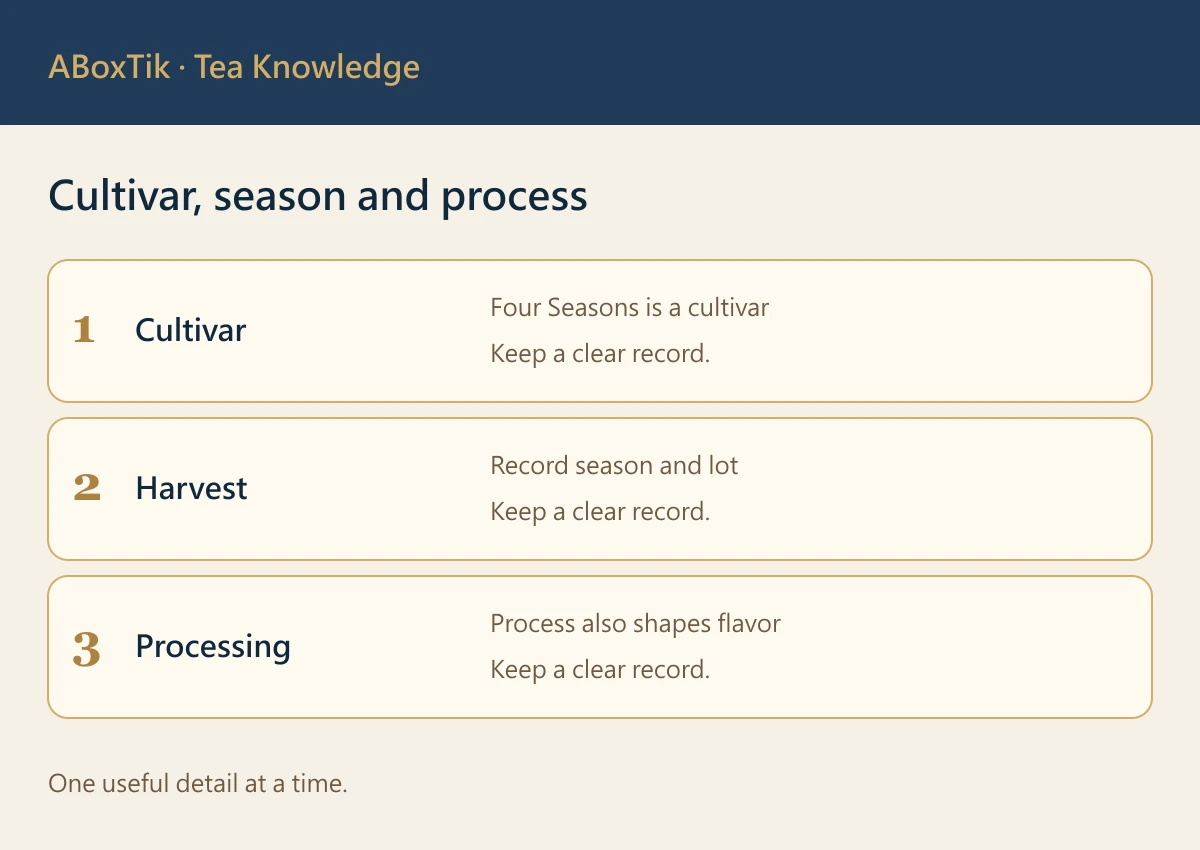
Why is Four Seasons Spring common? Separate cultivar, harvest and processing
Four Seasons Spring, or Sijichun, is first a tea cultivar name. It does not by itself mean a spring harvest, green tea or one fixed oolong flavor. Taiwan’s Tea and Beverage Research Station describes it as a local cultivar selected by farmers in Muzha. The official profile records early budding, dense branches and shoots, and the ability to produce buds on lower branches, and identifies suitability for the baozhong style. These traits help explain cultivation choices; they do not guarantee an identical cup from every lot.
The name is memorable, but it cannot make every season behave alike. Actual harvesting depends on location, weather, plant condition and management. Asking about the specific lot is more useful than assigning one harvest count to every garden. A tea name can be wonderfully cooperative; the weather has its own diary.
| Label | Question it answers | What to ask next |
|---|---|---|
| Four Seasons Spring | Which cultivar was used? | Cultivar and source information |
| Spring, winter or winter-picked | When was it harvested? | Lot and harvest details |
| Baozhong, oolong or green tea | How was it processed? | Oxidation, drying, roasting and the lot’s flavor |
| Region or elevation | Where did it grow? | Checkable origin details, not an aroma-based guess |
Let floral aroma describe the cup in front of you
When a floral note appeals to you, first record whether it is prominent or gentle, then describe what it resembles. Intensity and clarity deserve separate spaces in the notebook. Keep leaf dose, water, cups and smelling time consistent when comparing teas, so a change in brewing does not do all the talking. The aroma observation guide and aroma vocabulary offer useful starting words.
On a winter-picked Four Seasons Spring label, winter-picked refers to harvest context and Four Seasons Spring to cultivar. Neither automatically establishes high elevation or an identical aroma across lots. The winter-picked versus high-mountain comparison keeps season, environment and processing in their respective places.
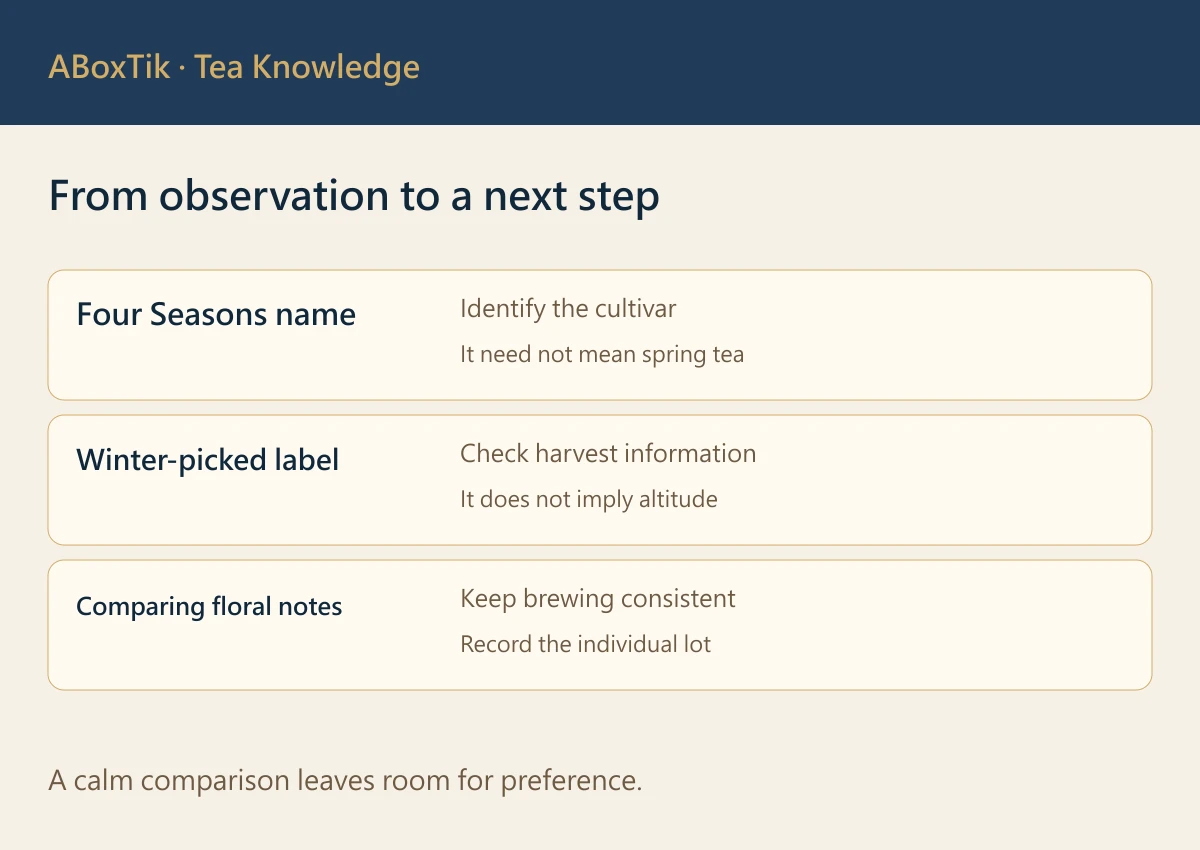
Take three questions to the next purchase: which cultivar, which harvest lot, and which finished style? Begin with information that can be checked, then add what you personally enjoy. It is a more relaxed way to learn than memorizing an entire string of adjectives for a tea name.
What is Sijichun?
What type of tea is Sijichun(Four Seasons Tea)?
Sijichun, or Four Seasons Spring, is a familiar Taiwanese tea cultivar. Actual harvest frequency depends on location, weather, plant condition and management; picking methods should also be checked for the particular lot. Keep cultivar separate from harvest season when exploring winter-picked Four Seasons Spring.
When comparing Sijichun prices, check origin, harvest lot, processing, net weight and packaging alongside the particular product description. A low price alone cannot establish origin or explain market competition. The cultivar is often associated with floral aroma, while prominence and definition still depend on the finished lot and brewing.
The Tea and Beverage Research Station identifies Sijichun as a local cultivar selected by farmers in Muzha. A cultivar name and a processing category such as green tea or oolong describe different things. Harvest, production and storage also shape aroma, so the name does not promise the same intensity in every lot.
“Tea is the elixir of life.” – Author unknown
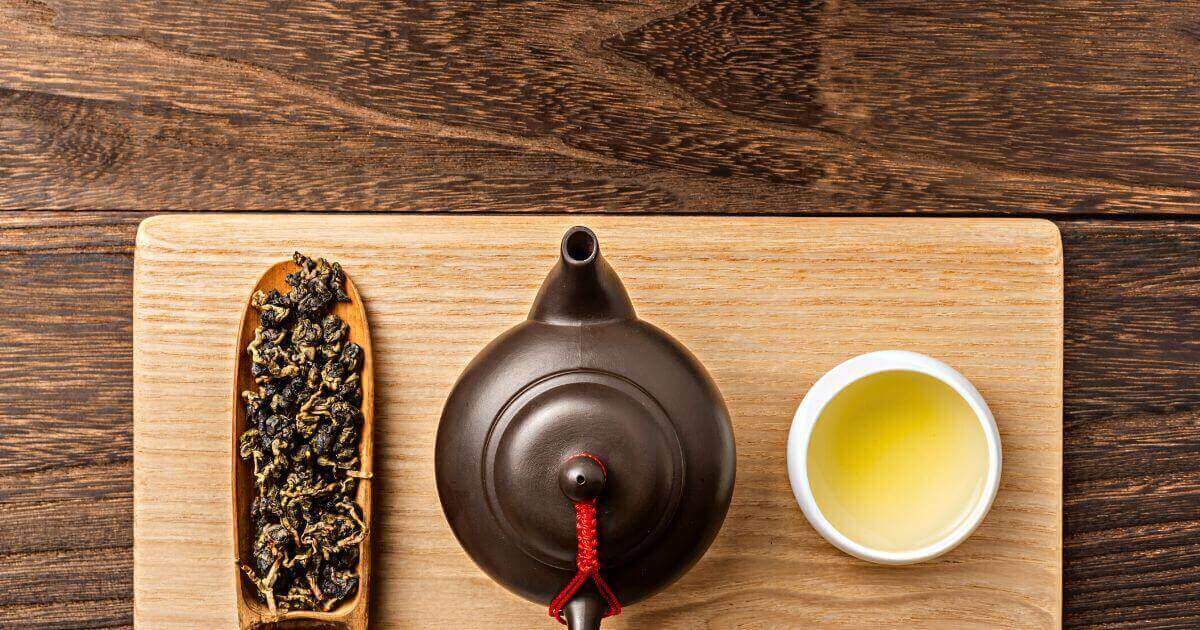
Tea Classroom – Sijichun
The method of making Sijichun(Four Seasons Tea)
On the market, you can see Sijichun, Sijichun Oolong, Sijichun Green Tea, etc. In fact, these are different production methods and names. Sijichun is the name of the tea species, while green tea and 0olong tea are tea leaves processed by different methods.
Sijichun Oolong Tea (Four Seasons Oolong Tea)
Oolong tea and green tea are actually made by the same method, which are mainly made by picking, withering, sitting, stirring, blanching, kneading and drying. The micro-fermentation method increases the aroma and sweetness of the Sijichun Oolong tea.
- Picking: Hand-picking Oolong mainly focuses on one heart and two leaves (one heart refers to the new buds that have just emerged from the tea tree, and two leaves refer to the two tender leaves below the new buds). However, the output of Sijichun is huge and the price is not high, so many of them are picked by machine.
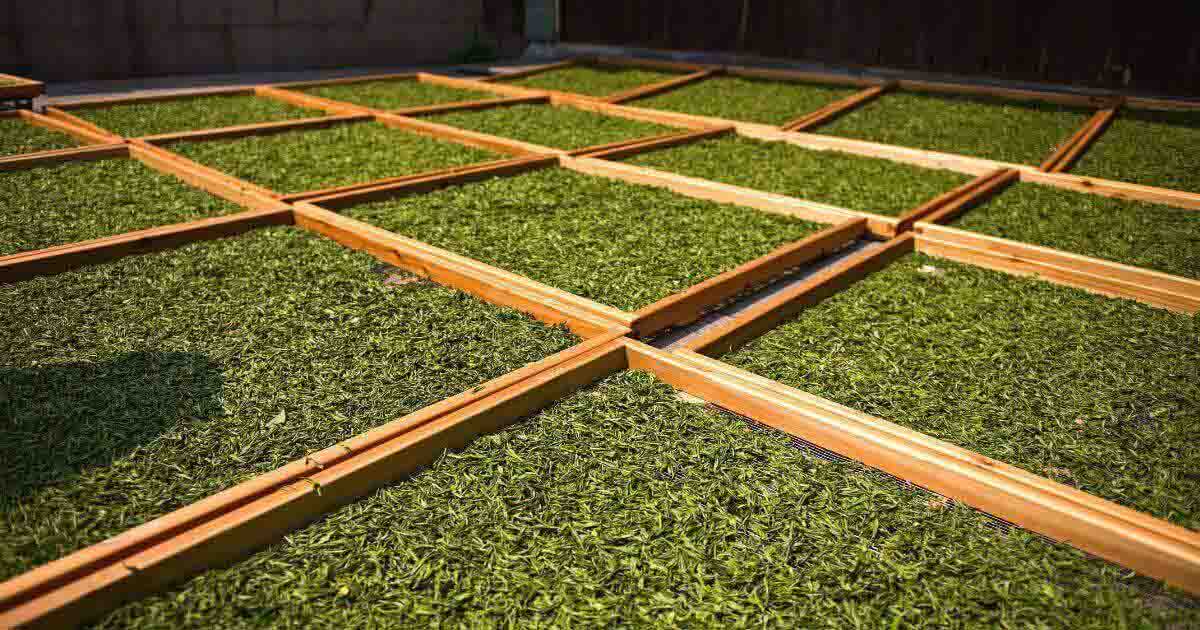
- Withering: Withering can be divided into indoor withering and outdoor withering. The main purpose is to let the water in the tea evaporate, by using the sun or natural evapotranspiration to reduce the water in the tea cells, which make the tea leaves soft, and facilitates the subsequent production process.
- Sitting: The sitting time is the key to determining the degree of fermentation of the tea.
- Stirring: Stir the tea leaves evenly, so that the tea leaves retain a certain water content, destroy the tea cells, and release the enzymes inside the tea leaves to promote fermentation.
- Blanching: Use high temperature to terminate the fermentation process, so that the tea leaves stop at the degree of fermentation desired by the tea maker.
- Kneading: Destroying tea cells allows the tea brew to adhere to the surface of the tea leaves, making it easier to release the aroma.
Sijichun Green Tea (Four Seasons Green Tea)
The preparation method of Sijichun green tea is quite simple as green tea is a non-fermented tea product, it merely needs to be picked, blanched, kneaded and dried.
- Blanching: After the tea leaves are picked, it goes directly to the blanching step to stop the fermentation of the tea leaves and to retain the most original aroma in the tea leaves.
- Kneading: The tea leaves are kneaded into ropes by external force, and the tea brew is attached to the surface of the tea.
- Drying: The water in the tea leaves is completely evaporated, so that the tea leaves can be better preserved and the tea leaves can be better distributed.
Read More:
Cateya Green Tea Amazing 6 Pros!Any Side Effects?
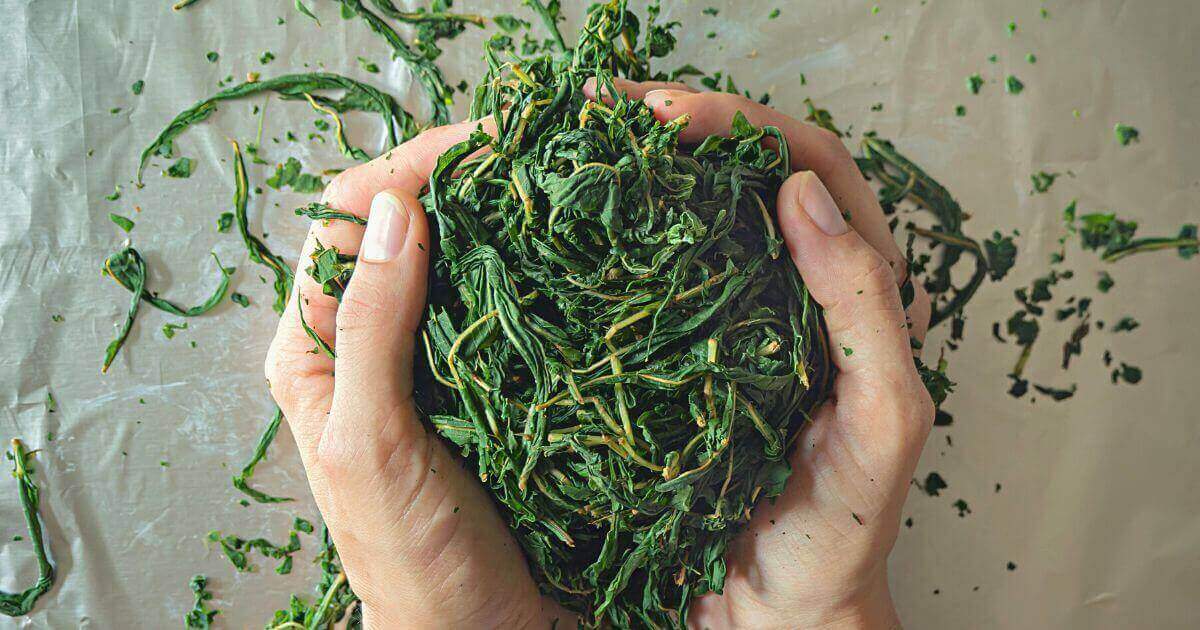
Do you know Sijichun?
Sijichun flavour and drinking notes
Sijichun is the name of a tea variety. Its aroma, taste, and caffeine experience vary with processing, brewing strength, and the individual. These six points explain it through flavour, production, and brewing.
Fresh floral aroma — Feature 1
Sijichun often has a distinct floral aroma and a lightly sweet finish, although origin, season, processing, and storage all affect the final cup.
Adjustable strength — Feature 2
For a lighter cup, shorten the infusion or use fewer leaves. Increase the time gradually when you want more body; it is easier to adjust than an overly strong first infusion.
Processing changes the cup — Feature 3
The same variety can be made as green tea or oolong. Processing changes the aroma, taste, and liquor colour, so the name Sijichun alone does not describe the finished style.
Caffeine note — Feature 4
Tea contains caffeine, and the amount varies with the leaves, dose, time, and water temperature. People who are sensitive to caffeine can start with a lighter brew and an earlier drinking time.
Hot or cold brewing — Feature 5
Hot brewing tends to bring the aroma forward, while cold brewing is often gentler. Choose according to the flavour and convenience you want that day.
Food pairing — Feature 6
A lightly oxidised Sijichun can pair well with delicately flavoured food or snacks. Taste the tea on its own first, then adjust the strength to suit the pairing.
Read More:
Tongding Oolong Tea – One of the Best Teas!
“You’ll never find a cup of tea big enough or a book long enough to suit me.” – Winston Churchill

Follow ABoxTik
ABoxTik, enjoying Sijichun
Sijichun is common in Taiwan, has relatively high yields, and often shows a pronounced tea and floral aroma. When choosing one, check the stated origin, variety, flavouring or ingredient label, and available test information; aroma intensity alone cannot establish origin or whether flavouring was added.
Read More:
【Dong Pian Sijichun Tea】The Rare Four Season Tea!
ABoxTik is a brand dedicated to sharing tea information with everyone, including tea history and efficacy. I also hope that everyone can learn more about these teas that fill our lives, and the secrets of tea that carry out the history. If you are interested in tea and want to know all kinds of knowledge about tea, you are welcome to continue following our article updates, and our previous articles, or visit our official website directly to discover an ideal tea for yourself.