
Tea Knowledge
Tea Blending Consistency: A Practical Batch Evaluation Guide
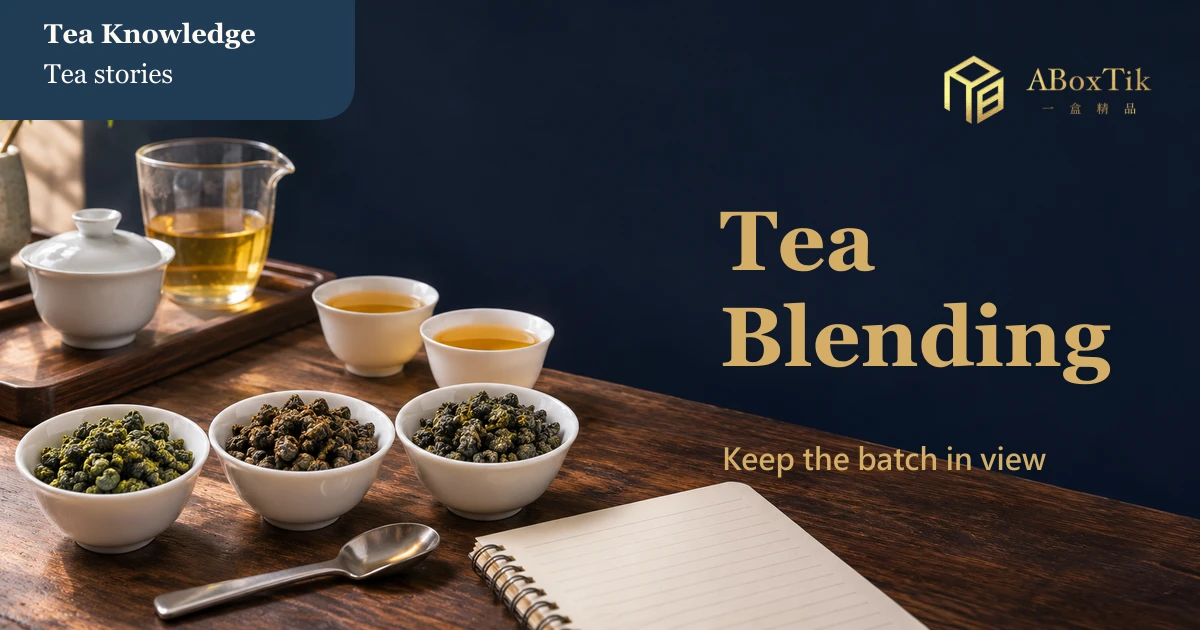
A familiar tea style still carries the details of different batches. Keep the ingredients, proportions and observations together so the next person has a clear place to begin.
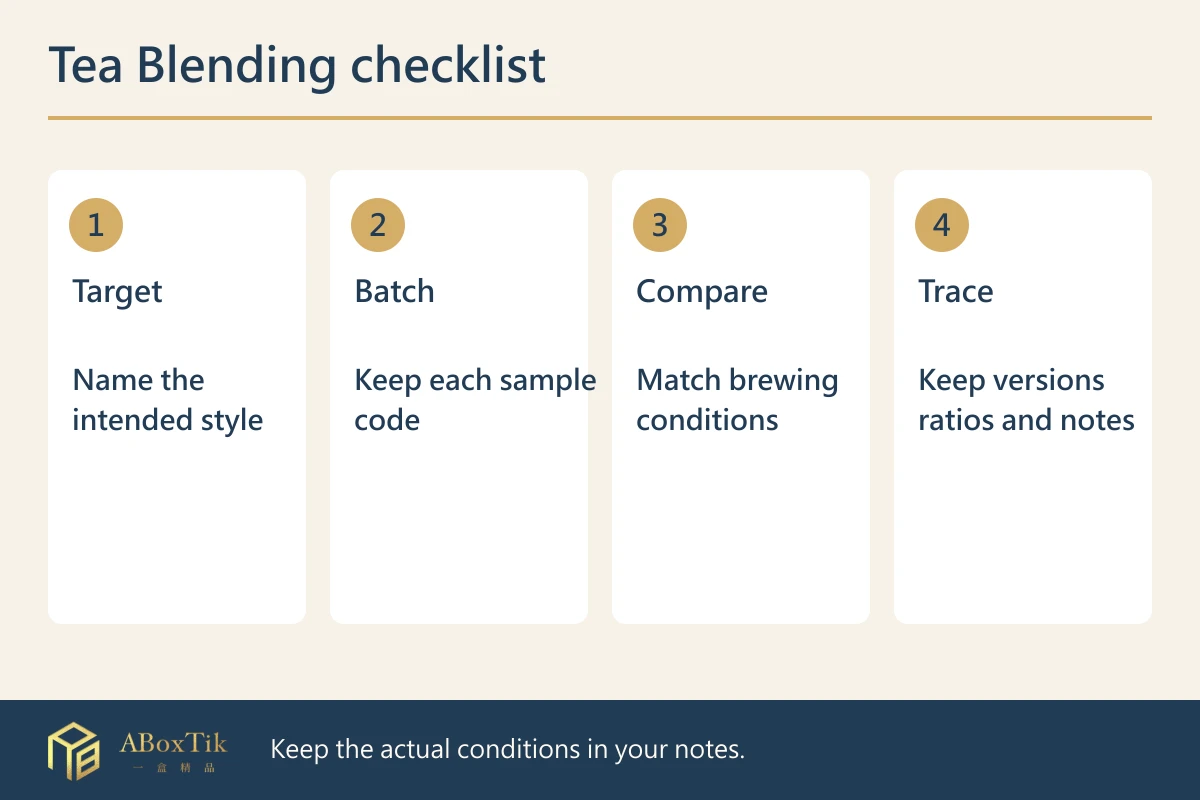
Tea blending consistency begins with a clear flavour direction. Record each ingredient batch, the proportions and preparation conditions, then compare a reference sample and the new blend using the same method. First describe the target—perhaps an aroma direction or a certain body—and agree who will review differences. A clear process supports discussion; agricultural ingredients and human perception still vary.
Tea blending consistency: a repeatable reference
Record the finished blend identifier, ingredient names and batch codes, weight of each component, total weight, date and responsible person. Keep both weights and percentages: one checks what was actually used, the other helps compare formulations. Record how the reference sample is packaged and stored according to the organisation’s quality procedures.
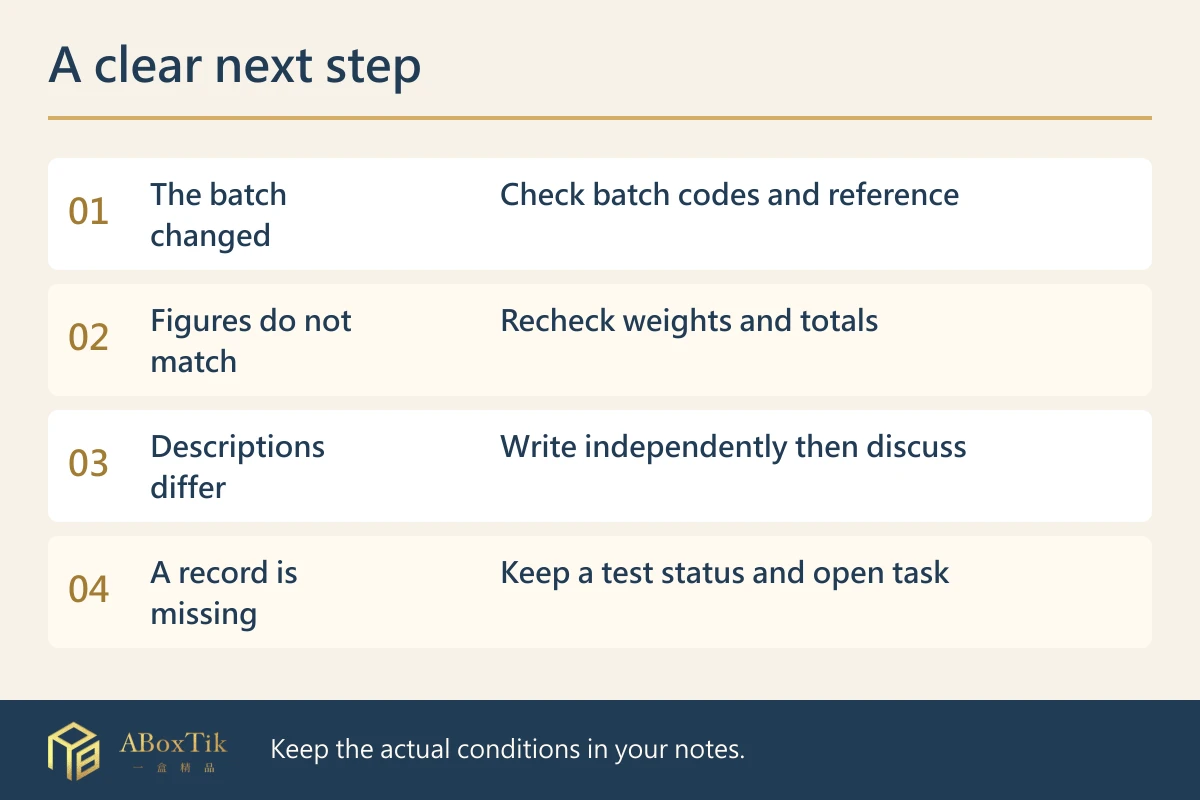
A familiar ingredient name does not mean the same batch. When a supplier or batch changes, flag it for review even if the proportions remain unchanged. Keep old and new records distinct.
For a purely hypothetical 100 g trial, ingredients A, B and C might weigh 50 g, 30 g and 20 g: 50%, 30% and 20%, totalling 100 g and 100%. This is an illustration, not an ABoxTik formula. To explore only the relative share of B and C, create trial V2 with A at 50 g, B at 25 g and C at 25 g. Keep the total at 100 g and identify the ingredient batch used in each version. Keep the other ingredients and comparison conditions as consistent as practical.
| Hypothetical ingredient | Reference V1 | Trial V2 |
|---|---|---|
| A | 50 g / 50% | 50 g / 50% |
| B | 30 g / 30% | 25 g / 25% |
| C | 20 g / 20% | 25 g / 25% |
| Total | 100 g / 100% | 100 g / 100% |
Write the result as an observation of V2 against V1 and note whether another comparison is needed. One preference is not a permanent rule for every batch. Keep separate version codes and open another record if an ingredient batch later changes.
Compare two batches under matching conditions
Choose an appropriate reference and new sample. Use clean, matching vessels and drinking water; record tea and water amounts, temperature, steeping time and evaluation order. Describe aroma, taste and mouthfeel separately. Where practical, ask participants to write independent observations before learning sample identities, then discuss what they noticed. A perceived difference is a question to explore, not an immediate explanation.
Try a card: “Reference ___ / new batch ___ / shared preparation ___ / aroma ___ / taste ___ / mouthfeel ___ / questions ___.” Matching conditions reduce some distractions; they do not erase differences between tasters.
Change one control at a time
If the new batch seems outside the intended direction, check weights, batch codes and preparation first. Then decide whether to test one formulation adjustment. Record the previous and revised versions, reason, trial quantity and observations. Preserve the old record, so “we added a little last time” can become an answer that another person can actually reproduce.
Changes in source, processing or packaging also deserve separate review. Tasting does not replace food quality management, and a trial formulation should remain a trial until authorised through the organisation’s process.
A blend evaluation handover card
| Field | Record |
|---|---|
| Ingredients | Name, supplier, batch, receipt and storage information |
| Formula | Weights, proportions, total and version |
| Comparison | Reference, new sample, preparation, date and participants |
| Decision | Specific observations, open questions, approver and next step |
People may choose different aroma words. Begin with broad categories and explain examples in familiar language. The flavour wheel and tasting notes guide can help establish shared vocabulary; it cannot replace the batch record.
Make consistency a question the next person can follow
The record need not be an encyclopaedia. It should answer which batches were used, how samples were compared, who reviewed the result and what needs another look. Those details turn “something seems different” into a useful next question.
Define the target and the decisions around it
Before a comparison, invite the people selecting ingredients and the people responsible for the finished product to describe the intended direction together. A target might refer to an identifiable aroma or a particular sense of body. Name the reference sample used for that discussion. If colleagues use the same word differently, compare a sample and write down what each person means rather than treating a vague adjective as a complete specification.
Agree which events trigger another review: a new ingredient batch, a mismatch in recorded weights, persistent differences between evaluators, or a missing reference record. The team sets its own criteria for the product and process. Record who can accept a result, pause it, or request another trial. A decision sheet should have room for “insufficient information” as well as acceptance and rejection.
Run a small, traceable trial before changing an ingredient
Identify the currently accepted version as the reference and create a separate trial version. Record the candidate ingredient, its batch and trial quantity. Check weighing and mixing before preparing the samples, and use matching conditions for the comparison. Label each sample, record the order and note the vessels. Discovering halfway through a discussion that two cups were switched is an avoidable plot twist.
If the first descriptions disagree, resist averaging them into a tidy conclusion. Check whether people used the same reference, the same preparation and the same meaning for their terms. Repeat the comparison when appropriate. A trial becomes the next authorised version only after the responsible person follows the organisation’s approval process.
Hand over more than a formula
A useful handover lets the next person find the formula version, ingredient batches, reference-sample location, most recent comparison conditions, open questions and the person who confirmed the decision. If a document has not arrived, mark its status and the person following up. Do not fill a blank with an assumed answer. When a difference appears later, check that records refer to the same product and batch before comparing flavour observations.
Connect the record, retained sample and actual product through consistent identifiers. Clear coding will not make tea magically identical, but it gives the next conversation a shared starting point and makes a repeated comparison easier to arrange.
The person organising a tasting should establish how reference and candidate samples will be identified, and keep the code key in an appropriate place. Participants can write independently before sharing their descriptions. When one person says floral and another says dried fruit, ask at which stage each noticed it and what they were comparing it with. The point is not to elect one correct nose; it is to find observations that can be checked and discussed again.
If the trial does not support a decision, record what remains open and what evidence might help: an ingredient document, a newly prepared comparison or review by another responsible person. Before assigning a deadline, check whether the information can realistically be obtained. Close the meeting by naming the person responsible for each next step. Otherwise the same question can quietly become the last line in several different notebooks.
Keep the distinction between an internal trial and an approved production batch visible. The trial card can show candidate materials, scale and preparation; the approved record should identify the authorised formula and the decision that connects it to the trial. If a sample is replaced, document why and make sure the next comparison uses the intended reference. This makes it easier for a new colleague to understand the sequence without relying on an oral history of every cup.
When describing a blend externally, use language that corresponds to the actual batch and confirmed product information. A sensory description offers a direction for conversation; one group’s impression does not predict what every drinker will perceive. Check ingredient origin, packaging and other product details against supplier information. Reviewing completed records periodically can also reveal which fields are repeatedly left blank and need a clearer owner or instruction.
Give the batch record a clear place in the wider process. roasting and resting stages and drying and moisture records explain different production stages; note any confirmed change in those stages separately from a blending decision.
For the comparison itself, keep water comparison conditions and steeping-time notes alongside the sample codes. Use bitterness and strength observations and the aroma observation sequence when a broad description needs a more specific question. light and roasted styles offer contrasting style vocabulary, while package and traceability information keeps sensory descriptions separate from origin records.
Follow ABoxTik
Make the next cup easy to begin
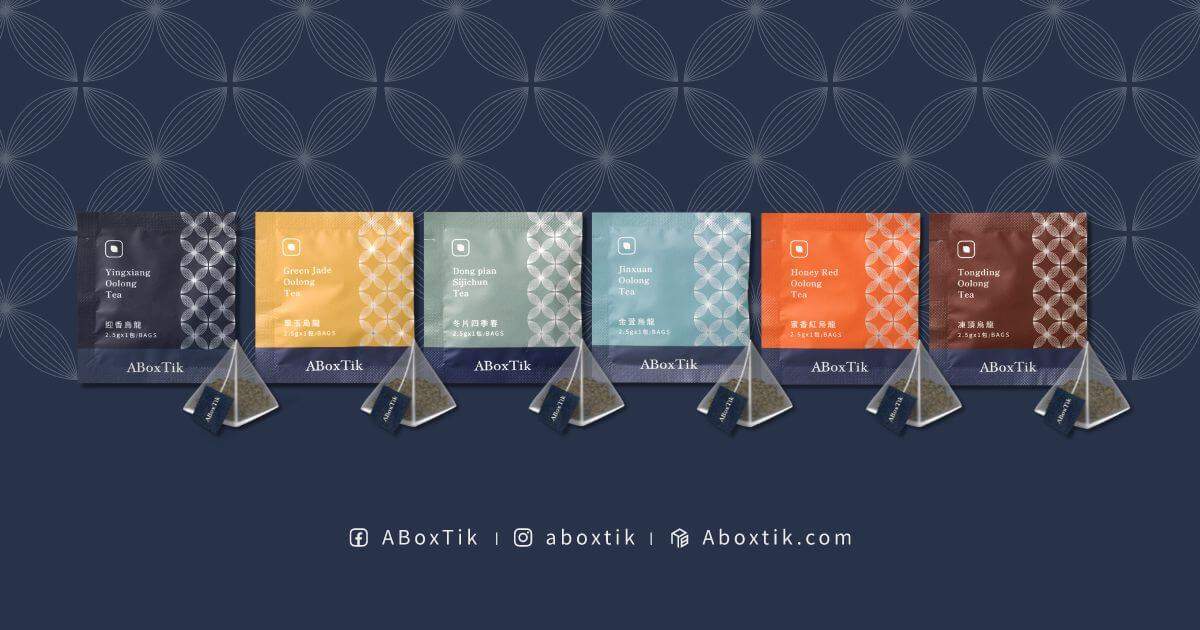
Bring the useful observation back to an ordinary cup. Choose a tea format that fits the equipment and the occasion, use the current product information, and leave room for individual preference. ABoxTik offers a way into Taiwanese tea through clear descriptions and practical formats; a small, well-chosen next step is enough.