
Tea Knowledge
How to Compare Tea as It Cools
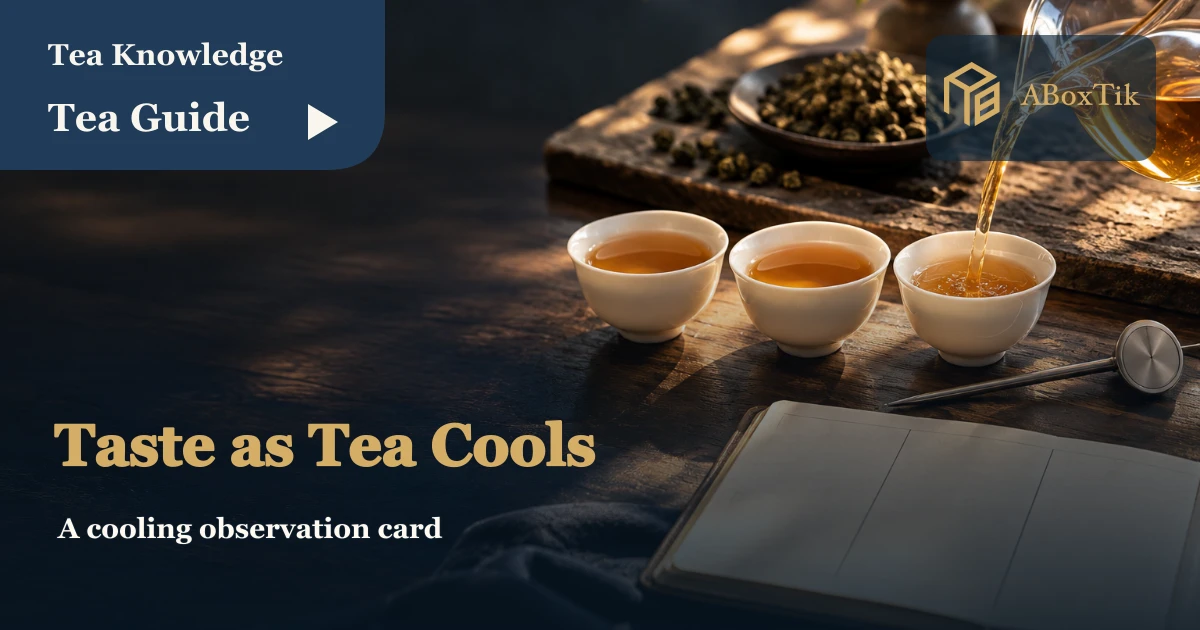
Let the tea cool gently, and give the observations time to become clear.
To follow tea from warmer to cooler drinking, use one batch of brewed liquor, separate it completely from the leaves, mix gently, and record the cups, elapsed time and actual temperature. When comparing different teas, align the tasting conditions. That keeps an unnoticed difference in extraction from joining what was supposed to be a temperature comparison.
A cup may seem different after a short wait. That does not require a verdict that the tea has changed personality. Serving temperature, time, vessel and attention are all part of the observation. This three-stage card helps describe one batch as it cools, without appointing a champion between hot and warm tea. The kettle already has a job; judging can wait.
Choose between following one brew and comparing two teas
Following a cooling brew asks what you perceive at successive moments. Temperature and elapsed time change together, so this household exercise does not isolate temperature alone. Comparing two teas asks a different question. Use matching cups, portions and similar comfortable serving temperatures before discussing flavour. A freshly poured cup and another left standing are not aligned merely because both contain oolong.
Likewise, a hot first infusion and a warm third infusion change the extraction round as well as the drinking temperature. Their difference cannot be assigned entirely to cooling. It is rather like comparing breakfast with dinner to prove the effect of plate colour: the plate may have grounds for a polite complaint.
Finish extraction before following cooling
Brew according to the selected product’s directions, then remove the leaves, bag or strainer. If leaves remain in the cup, waiting also extends extraction. A later increase in strength then has more than one plausible explanation. Decant into a clean pitcher, mix gently and divide into matching cups, or follow small sips from one cup at different moments.
Each arrangement has limitations. Following one cup is convenient, but sipping changes the remaining volume and leaves a sensory memory. Separate cups preserve portions but add vessels and handling time. Choose one workable approach and record it. The aim is a procedure you can understand next time, rather than converting the kitchen into a professional tasting room.
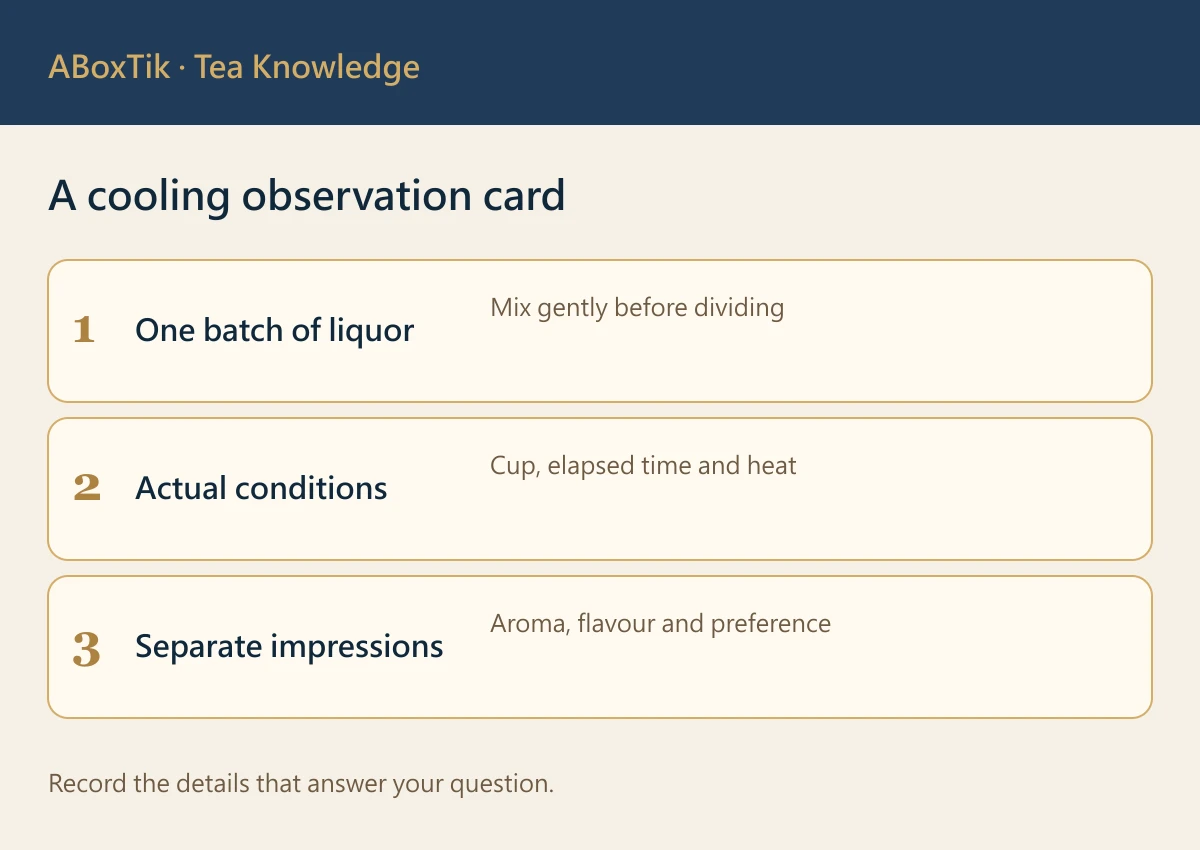
Three stages are recording spaces, not temperature commands
Label the columns “warmer after decanting,” “comfortable warm drinking” and “naturally cooled.” Record measured temperatures and elapsed minutes alongside them. Without a suitable food thermometer, describe the condition and timing while marking temperature as unmeasured. Do not insert a plausible-looking number. These are editorial observation categories, not official grades or universal safety thresholds.
If a sip would be uncomfortably hot, wait. You may note aroma without filling the tasting column, and there is no need to place your nose in hot steam. An honest blank describes the evidence better than forcing a sip to complete the worksheet. The first useful condition is one you can comfortably observe.
| Observation | Warmer | Comfortably warm | Naturally cooled |
|---|---|---|---|
| Time and temperature | Measured or unmeasured | Measured or unmeasured | Measured or unmeasured |
| Aroma | Prominence and recognisable cues | Easier or harder to identify? | Retained, changed or less apparent? |
| Flavour and mouthfeel | Taste only when comfortable | Separate strength, bitterness and drying | Use the same description method |
| Preference | Would you sip again? | Which occasion suits it? | What would you keep next time? |
Keep aroma, taste and liking in separate columns
For aroma, record prominence and a concrete association such as flowers, fruit peel or toasted grain. For the sip, distinguish overall strength, bitterness and oral drying rather than calling everything astringency. If several fields feel difficult, begin with two: aroma direction and the impression after swallowing. Short notes can be entirely useful. The tea aroma vocabulary guide offers language to build gradually.
Leave liking until a separate final column. An aroma that becomes easier to name does not automatically become everyone’s favourite. Someone may enjoy the early aroma; another person may prefer the slower pace of warm tea. “At this stage I could identify a fruit-peel impression, and this is when I would drink it” records both observation and preference without turning either into a quality grade.
Give the cup and surroundings a line too
Material, size, rim, lid and fill level can change the cooling arrangement and the way you approach aroma. Use similar cups and portions. Comparing a lidded insulated bottle with an open small cup introduces a vessel difference as well. A breeze, a strongly flavoured snack or fragrance nearby can go in the notes; the tea should not have to explain every smell in the room.
Small sips and pauses are sufficient. Stop when your attention or mouthfeel impressions become confused. Repeating the exercise another day is more helpful than forcing twelve elaborate descriptors into one sitting. The aroma observation guide provides a consistent order, so the record does not rely entirely on inspiration.
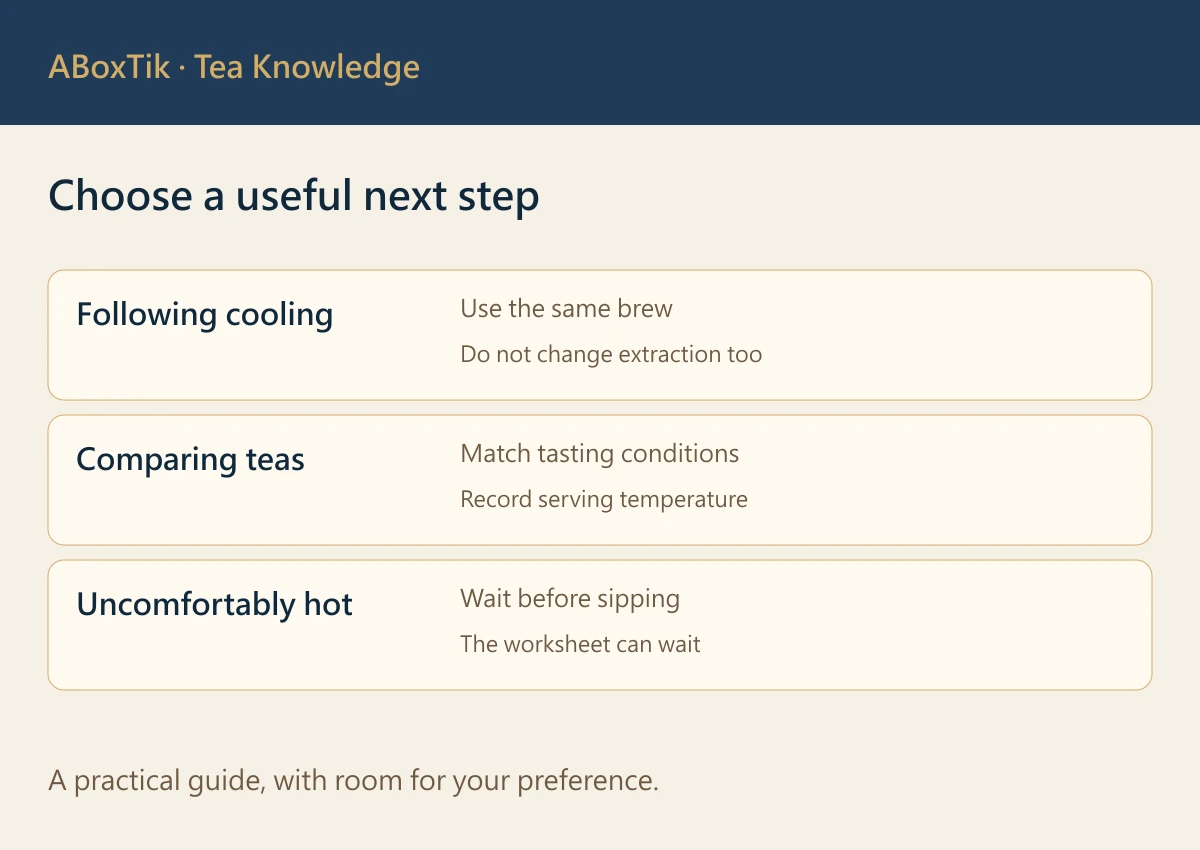
Two teas need more than simultaneous pouring
Two cups decanted together may not reach your mouth at the same temperature. Consider preparation, portion and vessel. Taste in a fixed order at comparable comfortable temperatures, then reverse the order in another comparison. If each tea uses a different package recipe, describe the exercise as comparing complete drinking arrangements, rather than isolating cultivar or origin.
For coded cups, ask someone to label them A and B. There is no need for a mystery production. Write impressions before revealing names and prices. The result concerns these samples under these conditions. A cooled cup you dislike does not prove storage damage; a lingering aroma does not authenticate a mountain or a seller.
Give the record a small heading identifying the question before starting: “How does this batch seem while cooling?” or “Which of these two teas do I prefer at a similar serving temperature?” Keep those sheets separate. On the first, successive moments are part of the subject. On the second, differences in waiting time are a condition to manage. A note such as “cup B waited longer while I prepared the tray” is valuable rather than embarrassing: it explains why a comparison might need repeating. If you change the arrangement next time, start a new sheet instead of silently editing the old one. Keeping the original conditions makes an apparent contradiction easier to understand.
Use the record for a practical choice
Choose one action: wait a little after decanting, use a more suitable portion, remind guests to drink comfortably, or retain your preferred serving stage. If the whole brew is too strong or bitter, investigate extraction in a separate session using the bitterness and strength guide. Changing dose while following cooling turns the question into something else.
A cooling observation is also not an instruction to store prepared tea indefinitely. Plan preparation and drinking according to the actual setting and applicable hygiene guidance. For today, one brew, complete leaf separation and three recording spaces are enough. Explore different styles through the current contents of the Classic Taiwanese Tea gift set, then let one cup finish its conversation without awarding a medal at every temperature.
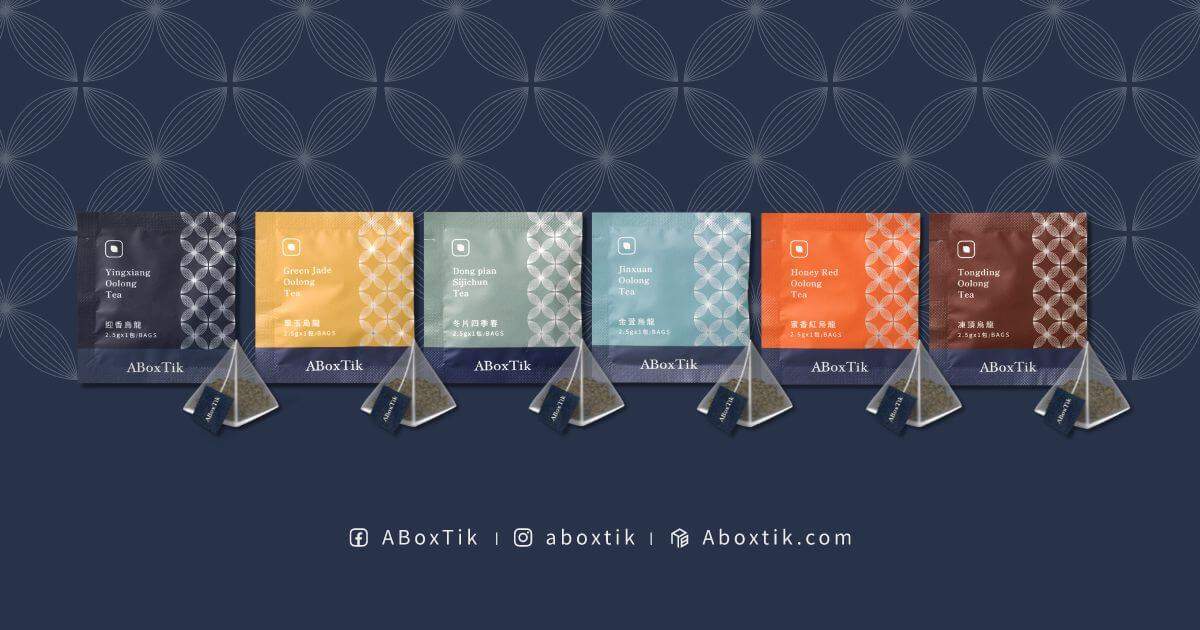
Related reading and tea choices
Sources
Sources checked: 25 October 2026.