
Tea Knowledge
Taiwan International Tea Expo 2026: Dates, Tickets and Visitor Guide
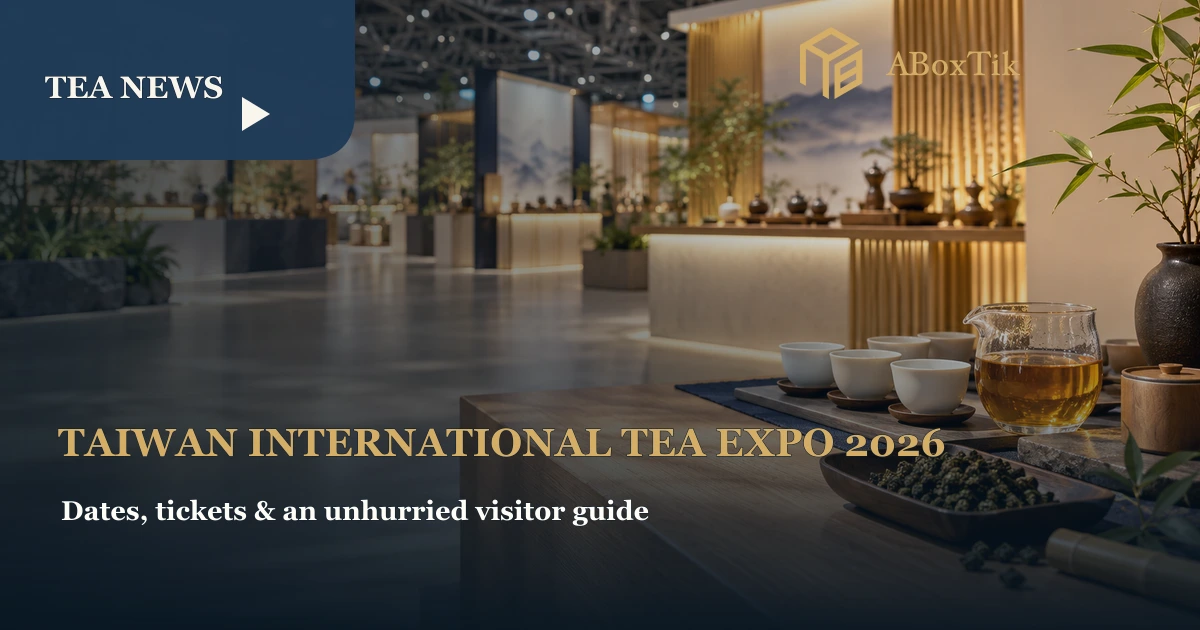
You do not need to finish every cup at an expo. Leave a little room for aroma, conversation and a second thought; the visit will reveal more.
Taiwan International Tea Expo 2026 is scheduled for 13–16 November at Taipei Nangang Exhibition Center, Hall 1. Hours are 10:00–18:00, except the final day, which closes at 17:00. A pleasant visit begins simply: confirm admission and transport, then choose one tea theme instead of trying to collect every sample.
This guide uses official information checked on 1 October 2026. Floor plans, booths, programmes and transport details may change. It does not represent ABoxTik as an exhibitor, organiser, sponsor or event partner.
Confirmed dates, venue and admission
| Item | Current official information |
|---|---|
| Dates | Friday, 13 November–Monday, 16 November 2026 |
| Hours | 10:00–18:00; 17:00 closing on 16 November |
| Venue | Taipei Nangang Exhibition Center, Hall 1, No. 1 Jingmao 2nd Road, Nangang District, Taipei |
| Organiser | Chan Chao International Co., Ltd. |
| Admission | A registered invitation code allows one free entry on one chosen day. On-site full admission is NT$200; concession admission is NT$100 for ages 65–69 or disability-card holders plus one companion. Ages 70+ and children 12 and under enter free with identification. |
| Reminder | Pets are not admitted except working dogs. |
Check the organiser’s visitor information for registration details and eligibility. Before leaving, revisit the official travel page for current transport, parking and accessibility guidance.
This Taipei expo is different from Nantou Tea Expo
Similar names can lead to a very different day out. This article concerns the indoor Taipei Nangang exhibition in November. The 2026 Nantou World Tea Expo is a separate October event in Zhongxing New Village, organised by Nantou County Government. Choose the Nantou guide for a destination-led regional event; use this guide for Taipei ticketing, categories and a measured exhibition visit.
Choose one of three unhurried routes
The organiser lists regional tea, tea foods and gifts, tea ware and tea-culture products, ceramics and crafts, local agricultural products, tea-and-lifestyle goods, and beverage franchises. Plenty to discover does not mean every aisle needs to be completed.
If you are visiting with someone whose interests differ from yours, agree on one shared stop and one meeting time before separating. A tea lover may want a slow regional comparison, while a companion may prefer ceramics or gift design. Giving each person room to browse is often kinder than keeping the whole group in one long queue. For older family members or anyone who needs regular rests, choose the most important zone first and treat every later stop as a welcome extra.
- Region and leaf route: compare two or three places or cultivars. Our Taiwan tea regions guide helps turn a place name into better questions about cultivar, season and processing.
- Tea ware and craft route: notice form, hand feel and how each object serves your brewing habits. Read gaiwan versus teapot before deciding an attractive piece must come home.
- Gifting and lifestyle route: begin with recipient, storage and delivery timing. Our Taiwan tea gift guide helps separate a beautiful gesture from a hurried purchase.
A useful rhythm is to choose three anchor stops, leave one open interval and plan a final return. The open interval gives you somewhere to place an unexpected conversation or a tea that deserves a second cup. The return lets you revisit the one exhibitor whose explanation and flavour remained clear after the rest of the hall. This small margin turns browsing into considered selection rather than a race through a checklist.
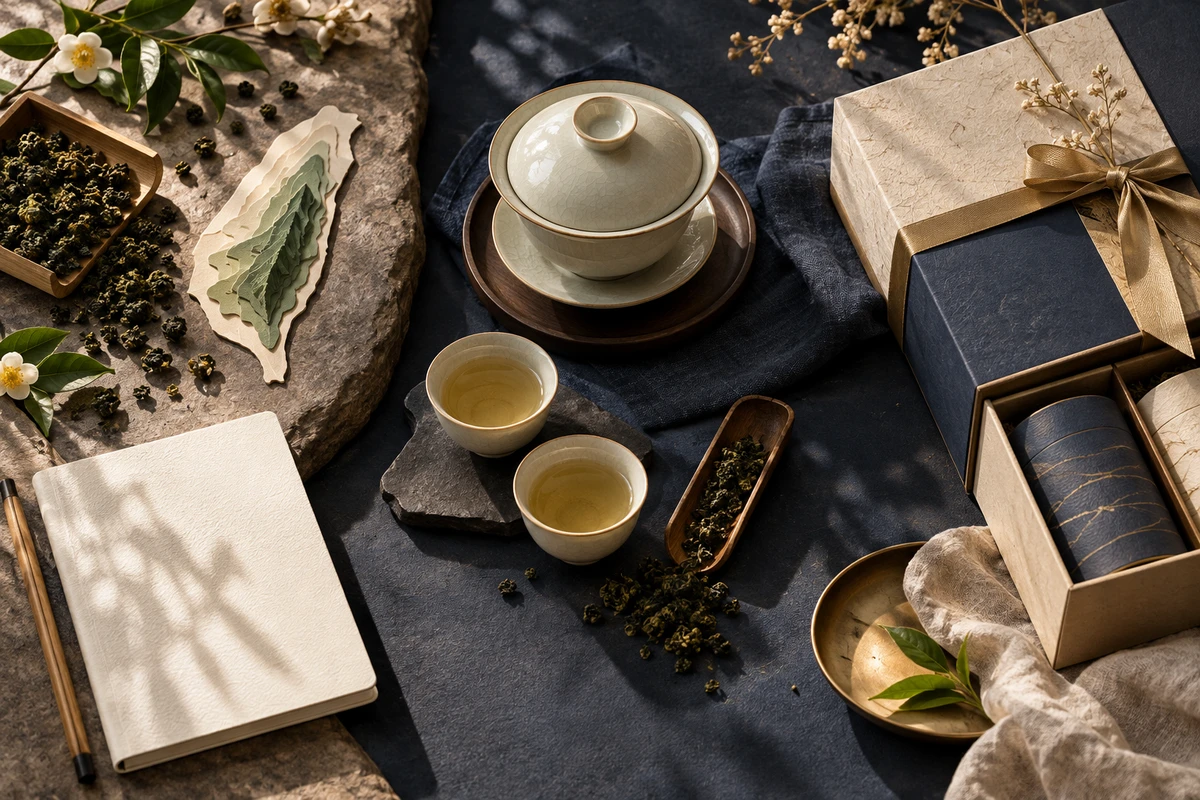
Keep a five-question tasting card
At an expo, the best souvenir is often a note that remains useful at home. For each tea, record: origin and cultivar; season or batch when available; processing style; first aroma and palate impression; suggested brewing and storage. A blank line is more reliable than an invented detail.
Taste from lighter to fuller styles, drink water between cups, and let the nose rest. Our tea aroma guide offers a relaxed vocabulary—aroma family, clarity and persistence—without demanding a dramatic flower name for every cup.
When several teas begin to taste alike, that is a useful signal to pause, not a failure of attention. Sit down, drink water and review the notes already made. You can mark one tea for “return”, one for “learn more” and one that simply suited the moment. If an exhibitor is busy, a concise question—“Which detail should I remember when I brew this at home?”—often invites a more practical answer than asking for every technical fact at once.
Photographing a label can help, but pair the image with a short written cue such as “soft floral, light roast, ask about 2026 spring batch”. Otherwise a gallery of similar packages may be difficult to decode later. Before photographing people, demonstrations or private material, ask permission; the same considerate pace that serves tasting also makes the exchange more comfortable for everyone.
Awards and prices: ask one gentle extra question
Awards, limited batches and wide price ranges are common exhibition encounters. They can be useful starting points, not guarantees of personal preference. For an award, check organiser, year, class, award level and whether it applies to the batch in front of you; see our tea competition guide for context. If choosing between two teas, compare net weight, origin, processing, storage and purpose before price alone; the premium tea value guide makes that comparison calmer.
It is perfectly reasonable to photograph a label, ask about storage and decide later. A pause gives the palate time to recover and the memory time to settle.
Ten minutes before departure: recheck the moving details
- Confirm your date, admission status and the 17:00 final-day closing.
- Check official travel directions and leave room for rest and meeting up.
- Revisit the floor-plan page and exhibitor directory. At the research date, the floor plan had no data and some booth numbers were still updating.
- Pack water, a notebook and comfortable shoes; make breathing space between tastings.
- The organiser lists concurrent coffee, wine-and-spirits and food-industry exhibitions. Do not assume that one ticket grants access to another event; check each event’s rule.
Keep the confirmation or admission QR code somewhere easy to reach, with a screenshot only if the organiser’s current instructions permit it. If your party includes a child, an older visitor or someone with mobility needs, choose a simple meeting point after the official map appears and keep the organiser or venue contact information available. These small preparations are not meant to make the day rigid; they quietly protect the unhurried time you came to enjoy.
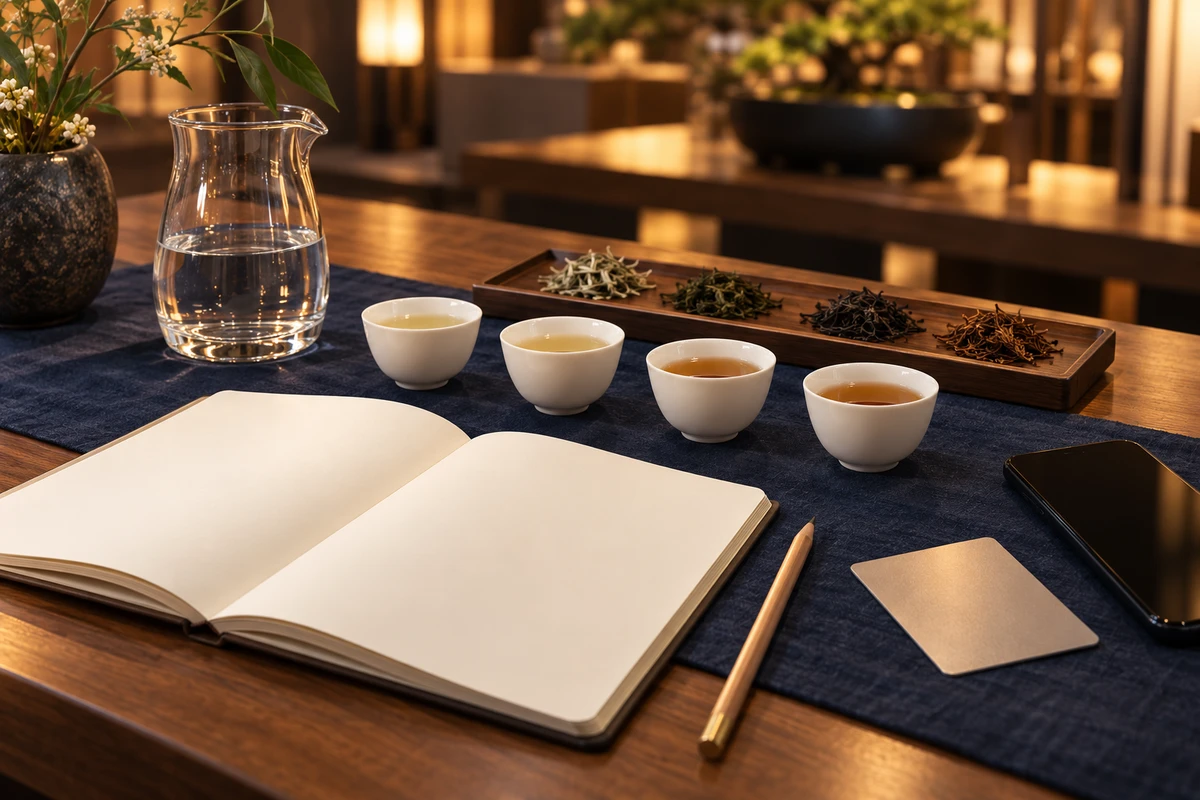
Each pause between cups can make the next choice clearer.
Let the discovery become a comparison you can revisit
ABoxTik believes a good tea-expo visit is not measured by the number of bags carried home. It is the quiet alignment of trustworthy information, flavour and the occasion you are choosing for. Continue a region-and-aroma comparison with our Taiwan tea collection, or brew styles side by side with the Classic Taiwan Tea Gift Set; our tea storage guide helps keep the comparison fair after opening. These are post-event tasting and gifting suggestions only, not claims of event participation or partnership.
Our recommendations: the Classic Taiwan Tea Gift Set makes an easy home comparison after your notes are settled; for a considered gift, explore our premium Taiwan tea gift boxes.
Sources
- Chan Chao: 2026 visitor information (checked 2026-10-01)
- Chan Chao: Taiwan International Tea Expo (checked 2026-10-01)
- Chan Chao: travel information (checked 2026-10-01)
- TaiNEX: Taiwan International Tea Expo 2026 (checked 2026-10-01)