
Tea Knowledge
How to Use an Aroma Cup: A Tea Tasting Guide
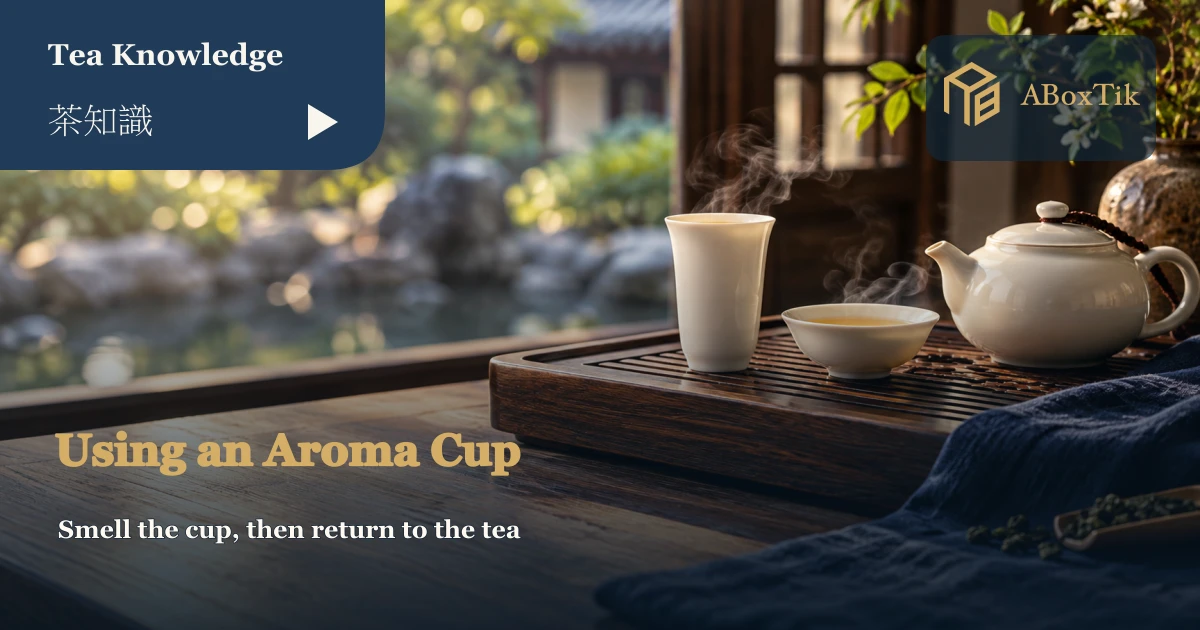
An aroma cup holds a small pocket of warm vapour. There is no need to name it quickly; let the nose and the tea meet first.
An aroma cup is the tall, narrow cup used to smell the fragrance left on its walls after tea has been poured into a tasting cup. It is commonly used as a pair with a drinking cup. The point is not to memorise a ceremony, but to give pouring, covering, turning, smelling and sipping a quiet order.
It cannot objectively improve a tea and it is not an entrance exam for tea drinkers. Without one, a clean small cup, gaiwan lid or warm fairness pitcher can still support a useful aroma practice when you keep the equipment, temperature and steps in view.
Aroma cup and tasting cup have different jobs
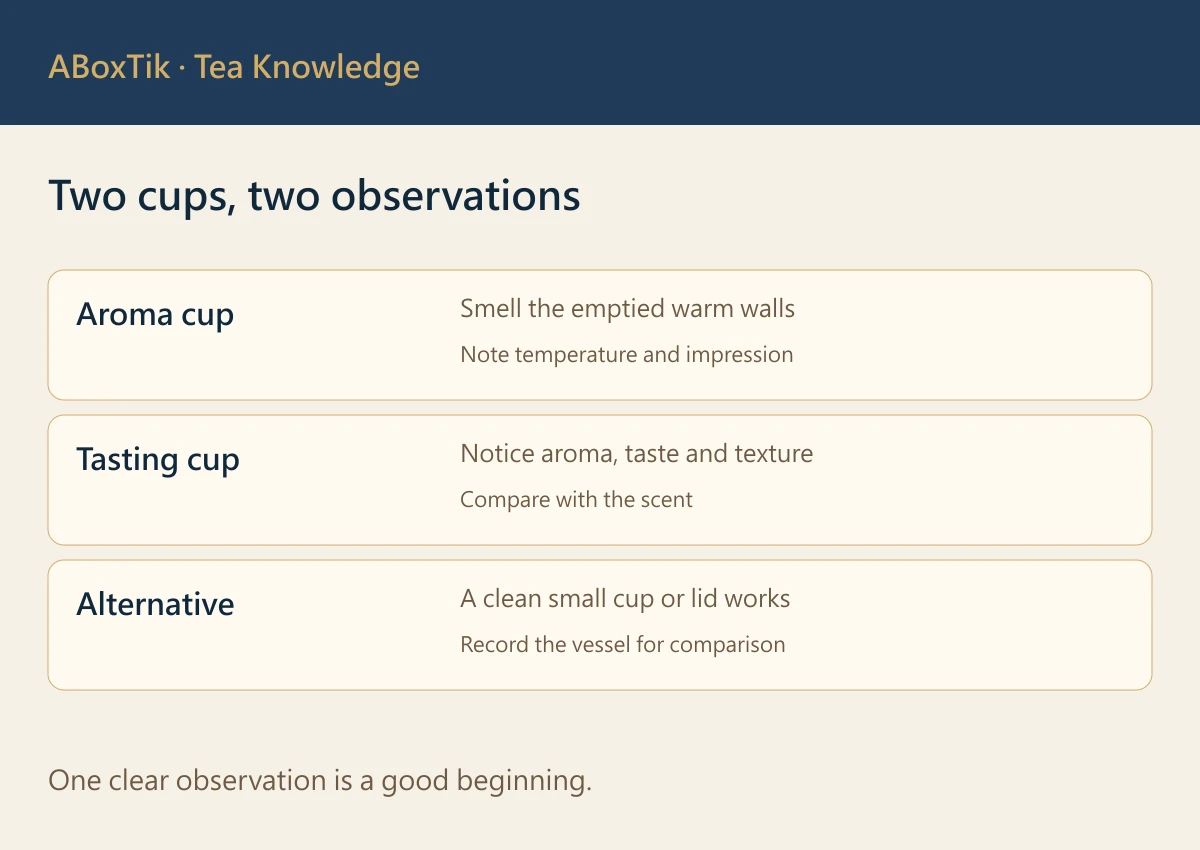
The aroma cup is usually taller and narrower, so that fragrance can remain on the cup wall after the liquor is transferred. The tasting cup is for small sips in which aroma, taste and texture meet. They are a division of labour, not a hierarchy. Teacup Shape and Aroma explains how to approach cup shape without treating it as a quality meter.
Use two clean cups free from perfume or detergent fragrance and start with a tea you already know. A familiar tea makes changes easier to notice. The tea table is not an oral exam, and the cups will not ask for a perfect answer.
For language, start broad: floral, ripe-fruit, roasted, fresh. Tea Aroma Vocabulary can add words later; the first cup does not need to resemble a perfume catalogue.
The basic sequence: pour, cover, turn, smell, sip
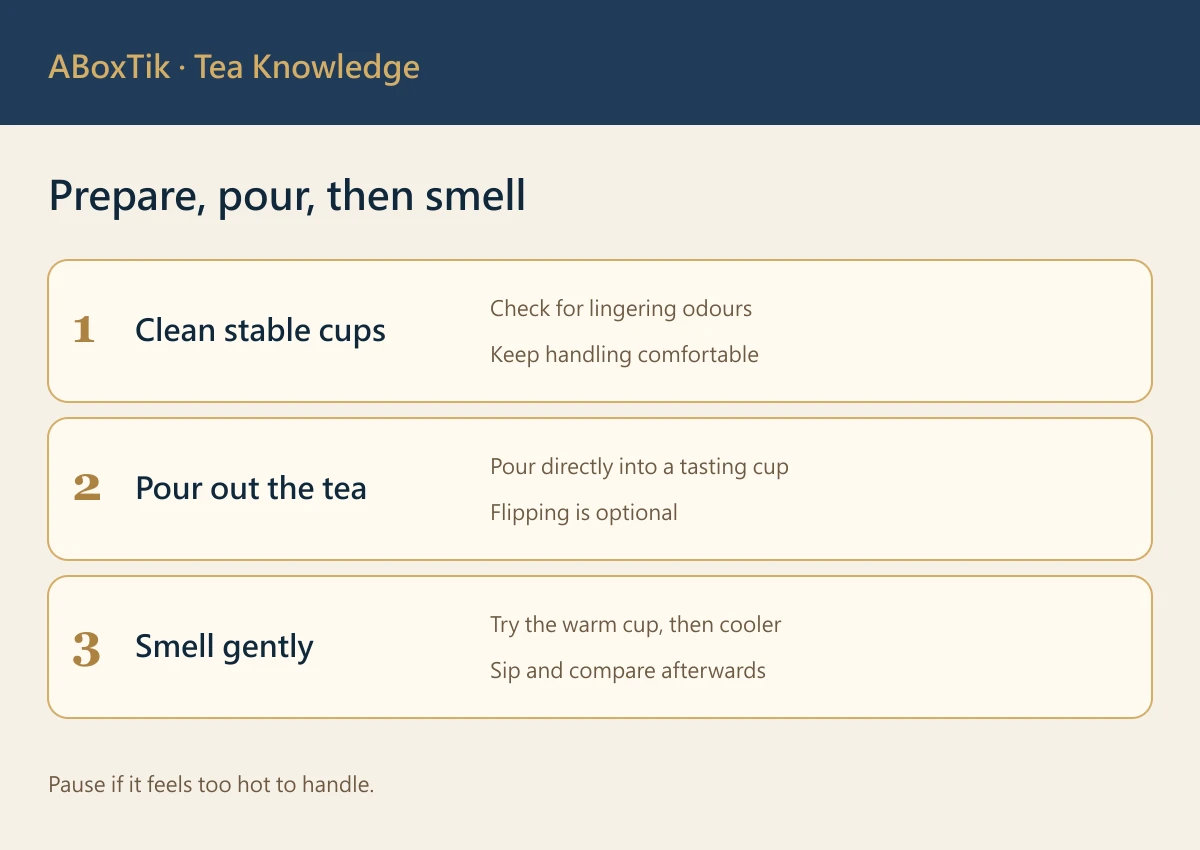
Pour brewed tea into the aroma cup to roughly four-fifths full. Cover it with the tasting cup, hold both securely and turn them together. Let the tea run into the tasting cup, lift the aroma cup, smell it while warm, then once more as it cools. Finally sip the tea from the tasting cup.
Turning the cup is not a performance. A gentle turn once or twice in your hands can bring the remaining fragrance more evenly toward the rim. Vigorous shaking or rubbing tends to make the equipment the main event.
For each round, record only two things: what is most obvious from the warm cup, and what returns after the tea is sipped? How to Smell Tea provides a useful structure for dry-leaf, warm and cool aroma.
Notice change, not only intensity
Aroma changes as the cup cools. Roasted, cooked-sweet or more volatile notes may appear first; floral, fruity or woody impressions may become clearer later. That is a reason to observe several moments, not a rule that later notes are automatically finer.
Strength, leaf quantity, water temperature and steeping time all affect what you notice. Begin with the product guidance, then alter one variable on a later infusion. Oolong Water Temperature and Taiwan Tea Steeping Time provide practical background.
Smell is not the only answer. Note sweetness, astringency, body and finish after a sip, so the aroma cup does not turn an entire tea into a solo for the nose. Taste of Tea is a useful companion.
A calm three-round practice
Round one follows the package guidance and completes the full sequence. Round two keeps leaf quantity and equipment unchanged while adjusting one steeping-time detail. Round three returns to the preferred setting and smells the emptying cup after a sip. Note time, impression and what you want to keep.
| Round | One thing to note | Next move |
|---|---|---|
| One | First warm-cup impression | Keep the original setup |
| Two | Difference between cup and liquor | Change one variable |
| Three | What you want to retain | Write repeatable conditions |
‘The second round felt smoother’ is already a useful result. A repeatable preference will take you further than an impressive adjective.
Practice without an aroma cup
Pour into a clean small cup, smell at the rim, sip, then smell the cup wall when little liquor remains. A gaiwan lid or warm fairness pitcher can offer another observation point. Keep the vessel clean and compare under the same conditions.
This is not a failed version of the two-cup method. Different vessels give different viewpoints. Gaiwan or Teapot? and Gongfu Tea and Brewing in Taiwan can help you set a tea table that suits your pace.
If a cup previously held coffee, spices or a strongly scented cleanser, wash and dry it thoroughly or choose another cup. It is a little like removing background noise from a microphone: unglamorous, but kind to the tea.
Use the cup for comparison, not a verdict
When comparing teas, use the same leaf quantity, vessels and water volume, and label each brewing condition. If cultivar, roast and origin all differ, the comparison can be pleasurable but cannot assign every difference to one cause. Light and Roasted Taiwanese Tea helps separate processing direction from preference.
For a slow home comparison, see the current contents of the Classic Taiwan Tea Four-Box Set. For a convenient daily option, review the Two-Box Tea Bag Gift Set and its current tea information first.
Let the cup leave a question for the next infusion
An aroma cup does not deliver a single correct answer. It gives observation an order: what appeared first, what changed, and whether the sip agrees. Pair it with Floral Aroma in Tea and tea aroma practice as your vocabulary grows.
Next time, ask only: what is clearest at this moment? The answer may be small, but it can make a cup of tea easier to remember.
A small reset when a cup feels confusing
If the aroma cup feels crowded or unclear, pause before changing the tea. Empty and rinse the cups with hot water, dry the outside so your hands can hold them safely, and brew the next round with the same leaf quantity. Smell once without trying to name the note; then take a sip and return to the cup after ten or twenty seconds. This short reset separates a faint cup from a distracted moment.
A practical notebook can use four headings: tea and date; leaf quantity and water; first warm-cup impression; and what changed after sipping. Avoid giving a numeric score until you have at least two comparable rounds. Notes such as ‘warmer cup: toast; cooler cup: sweeter; finish: soft’ are precise enough to guide a next infusion without pretending that preference is laboratory data.
When serving another person, let the cup cool enough to handle before turning it and offer the tasting cup first. A small pause keeps the movement comfortable and leaves room for conversation. Tea service is allowed to be graceful, but no one needs to sacrifice their fingertips for the fragrance.
For a side-by-side tasting, do not rush both cups through exactly the same clock time if their leaves have different product instructions. Brew each tea as directed, then write those directions beside the cups. You are comparing two enjoyable preparations, not forcing unlike teas into a contest. If one cup seems quieter, check whether it has cooled further or received less liquor before deciding that it has less aroma. Make notes after each pour, rather than reconstructing the details after the kettle has gone cold.
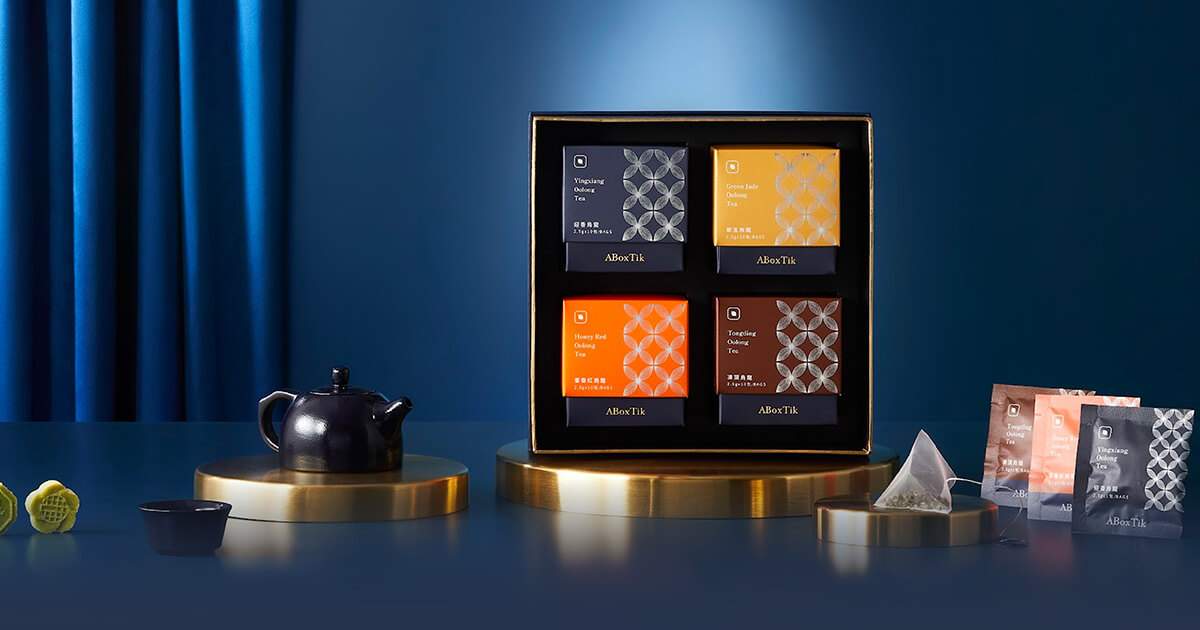
ABoxTik starts with Taiwanese tea terroir and everyday brewing, offering clear steps for meeting each cup.
An aroma cup is a beginning, not the answer
Use a familiar tea for three simple rounds, giving equipment, temperature and feeling a place to be recalled.
A missing aroma cup is no problem; keep things clean and change one variable at a time, and the cup will still offer clues.
Related reading
Sources
Sources checked 19 October 2026.