
Tea Knowledge
Tea Pairing with Hot Pot: Clear Broth, Spicy Soup and Dipping Sauces
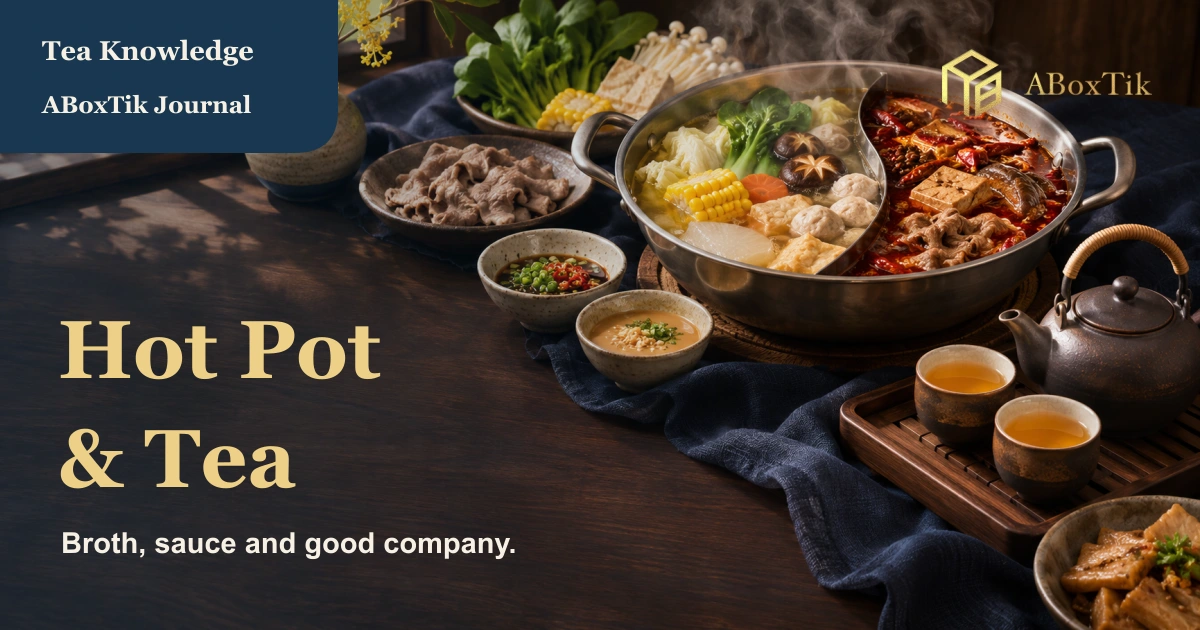
Tea pairing with hot pot starts before the kettle: clear broth, spicy soup and dipping sauce each ask for a different first cup. Begin with a lighter tea, keep one option for hot brewing, and let each course guide the next pour. It is also an invitation to keep the preparation simple: small cups, a clear order, and enough room for every guest to choose their own pace.
Tea pairing with hot pot starts with broth, sauce and timing
Tea pairing with hot pot does not need one universal winner. Read the broth first—clear, tomato, spicy or herb-led—then taste the dipping sauce, and only then decide whether the tea should feel light, rounded or gently roasted. That order is practical because it lets the food speak before the tea enters the conversation.
For a group, begin with one lightly prepared tea that can be poured at any point, then keep another tea for a fresh hot infusion once richer ingredients arrive. Keep the tea labels visible so guests can choose at their own pace.
Before guests arrive, label the two teas rather than relying on memory. Set out small cups and a plain-water jug. This makes the comparison welcoming for people who drink tea often and for people who simply want a comfortable cup with dinner.
Clear broths, seafood and vegetables need room
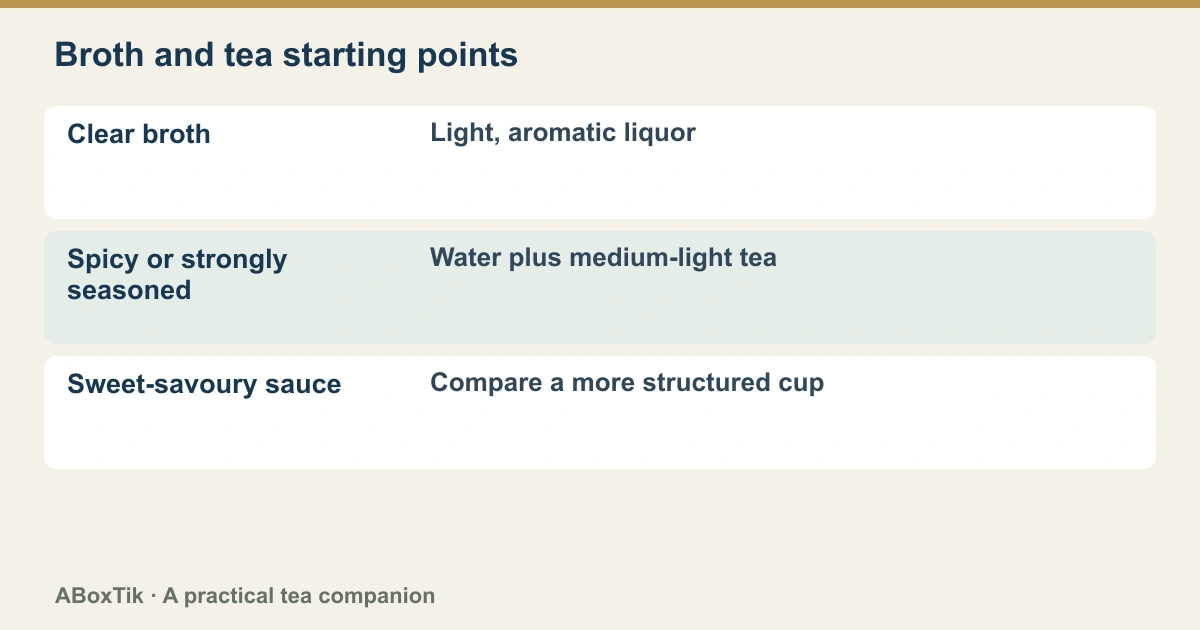
Clear broth, mushrooms, tofu, vegetables and seafood have details that are easy to cover. Start with a tea whose aroma is clear and whose liquor is not heavy. Dong Pian Sijichun is a useful tasting starting point: brew to a comfortable strength, take a bite, then a small sip, and see whether the ingredient still has a distinct voice.
If the tea makes the broth feel blurred, the next move is not necessarily more tea. Shorten the brew or use less leaf. For broader context, see our Taiwanese tea selection guide; this article stays with the changing conditions of one hot-pot table.
Try the tea before adding sauce, then repeat after sauce. The contrast tells you whether the broth itself or the condiment is steering the pairing. A short note such as “clearer after vegetables” is enough; no tasting vocabulary test is required.
Spicy and aromatic broths: leave space before roast
Chilli, peppercorn, chilli oil and strong spices quickly occupy the palate. With these broths, keep tea at a medium or light strength and have plain water nearby. If you want to try a roast note, pour Tongding Oolong after meat or tofu skin and notice whether its roast sits beside the pot aroma rather than competing with it.
A spicy pot often grows more intense as it cooks, so the opening cup and the later cup may reasonably have different strengths. That is not inconsistency; it is hospitality. If only heat remains, return to water and a lighter tea before starting another comparison.
Keep the same tea available for a second small pour instead of repeatedly changing everything. A calm repeat gives the palate a reference point, especially after chilli. Guests can opt for water without being made to feel they missed the “right” pairing.
When dipping sauce is louder than the broth
Sometimes the sauce—not the soup—is doing the loudest work. A small bite with your usual sesame, garlic, scallion, soy or chilli sauce reveals what actually needs balancing. With a sweet-savoury or nutty sauce, compare a more structured Tongding Oolong; with fresher sauces, return to the bright direction of Dong Pian Sijichun.
These are editorial starting points, not a ranking. Our snack-and-tea guide also separates sweet, salty and roasted notes. Hot pot adds changing temperature and broth, which is why changing one variable at a time is especially helpful.
Sauce bowls can also be adjusted separately. If garlic or chilli takes over, taste a small un-sauced bite before changing the tea. That small pause prevents a tea choice from being blamed for a condiment that was doing all the talking.
Hot brewing at the table: make small cups
At a gathering, tea is most often over-steeped because conversation wins. Instead of making one large pot and forgetting it, brew smaller portions according to the product directions and pour when food reaches the table. Leaf, water temperature, vessel and preference all matter; there is no single number of minutes for every tea.
Treat the first infusion as calibration. If it feels too forceful with clear broth, shorten the next one. If it disappears beside sauce, adjust time or leaf gently. The tea-liquor texture guide can help separate “too much” into thickness, bitterness, astringency or simply an aroma that arrives too early.
For a larger table, prepare hot water in smaller replenishable amounts and separate clean service utensils from food preparation. Leave the host a clear place to pour without reaching across the pot.
A four-part hosting sequence
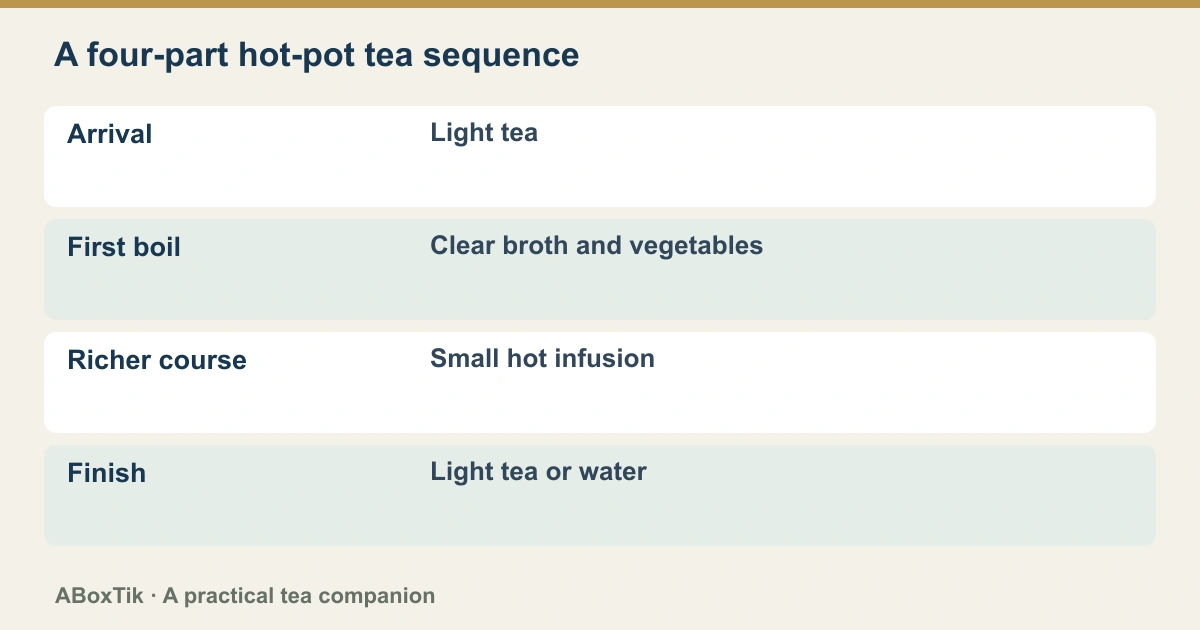
A calm sequence is enough: serve a light tea on arrival, pair the opening boil with vegetables and clear broth, bring a more structured cup when richer food and sauces arrive, then return to light tea or water at the end. This is a hosting rhythm, not a dinner exam.
If there is only one tea, use the same idea: brew lighter at first, adjust within the package directions in the middle, and do not force it to become stronger at the end. Let the pot have its moment; the tea does not need to host the whole evening.
A sequence also makes the host’s work easier. It gives one simple answer when someone asks what to pour next: return to the light cup, or make a fresh small infusion. Nobody has to remember a complicated pairing chart between tofu and conversation.
Tongding Oolong and Dong Pian Sijichun at the table
For a roast-led, more defined table note, start with Tongding Oolong. For clear broth, vegetables or seafood, start with Dong Pian Sijichun. Check each current product page for its actual format, brewing directions and availability; then prepare a small cup using the pack as the starting point.
The most considerate comparison is small and parallel: pair the same bite with two cups and note which makes the ingredient clearer, and which makes you want another sip. Those notes are more useful than declaring a winner for everyone at the table.
If both teas appeal, serve them on different parts of the meal rather than trying to decide which is objectively better. One may suit the first clear bowl; another may be welcome once richer ingredients arrive. Preference is allowed to change with the pot.
Questions worth carrying into the next hot pot
For the next gathering, record only three things: broth and sauce, tea strength, and the pairing you wanted to repeat. For grill smoke and outdoor preparation, see our barbecue tea guide; if cheese appears at the table, our cheese pairing guide offers another useful comparison. The pot is busy enough—your tea does not have to become the meeting chair.
Keep the note practical: who was at the table, what broth and sauce were used, and whether the tea was light or more concentrated. This gives the next gathering a real starting point without pretending that one meal settles every future pairing.
For tea pairing with hot pot, begin with one comfortable cup and record the broth, sauce and pairing you wanted to repeat. At the next gathering, that small note is more useful than a fixed rule. Different preferences can share the same table.
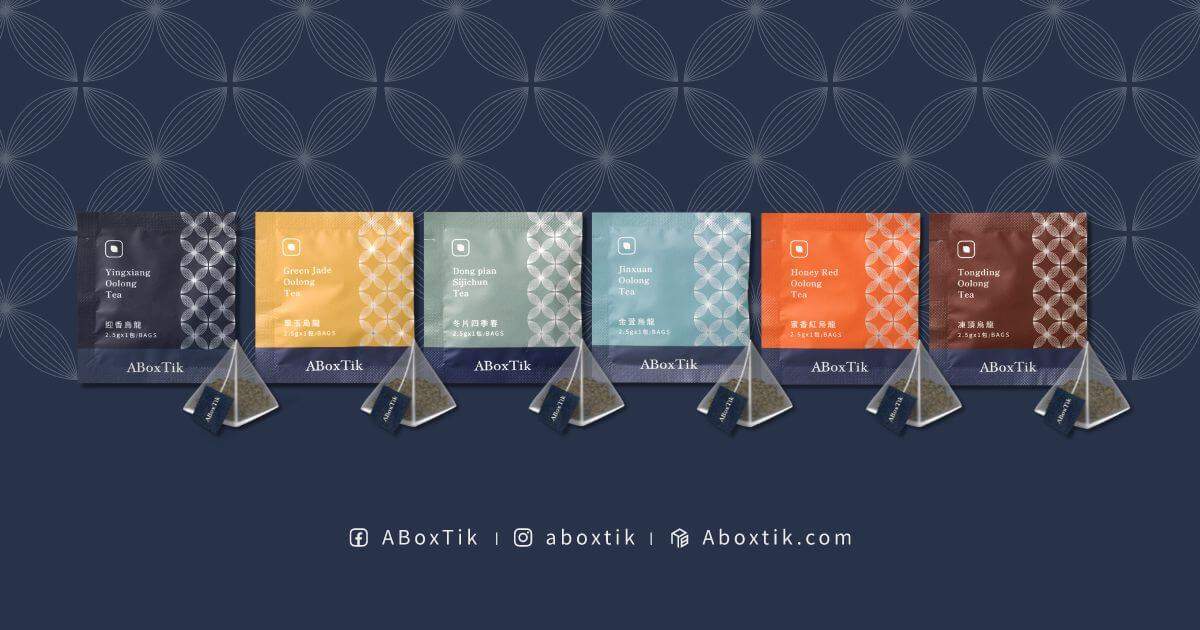
The pot can handle the drama; the tea table can keep the pause. Browse premium tea gifts, more articles and the latest selections at an unhurried pace—no need to let choosing tea simmer into a spicy debate.