
Tea, Tea Bag, Tea Knowledge
Ruby Black Tea: TTES No. 18 Aroma and Brewing Guide
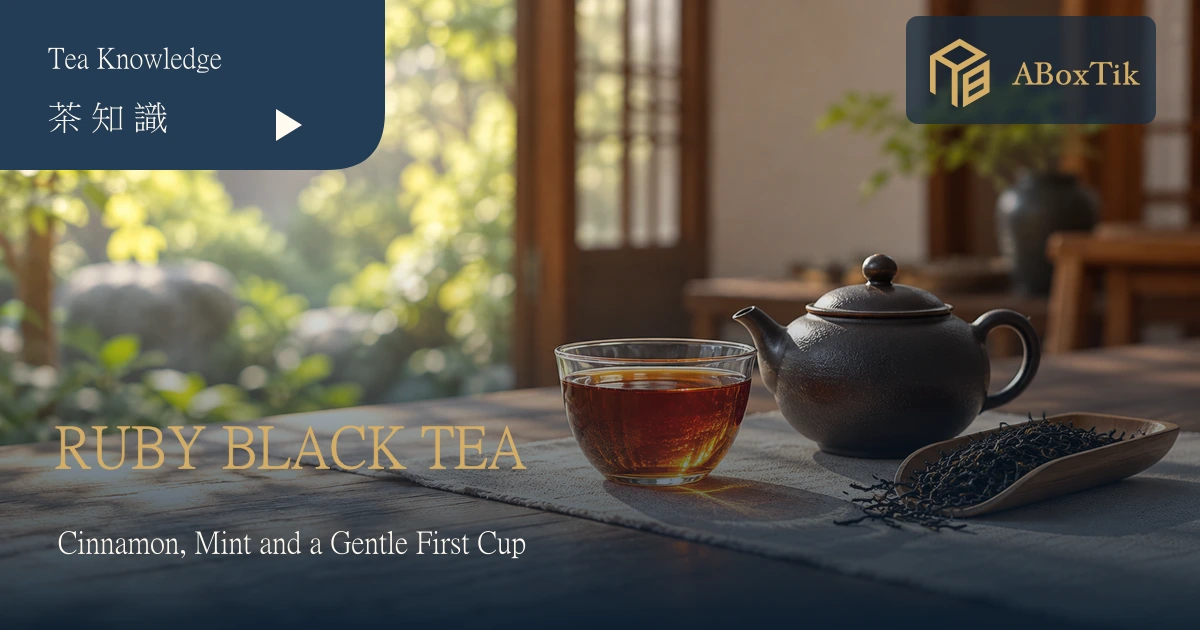
Do you know how many types of tea there are in Taiwan? Taiwan’s numbered cultivars have different breeding histories. Taiwanese tea No. 18, also called TTES No. 18 (Ruby), is one of its distinctive black tea cultivars. Even if you have never tried it, you may have heard the name Ruby Black Tea. How was this lovely Taiwanese cultivar developed, and what makes its flavour memorable? Let’s keep reading!
How to enjoy Ruby Black Tea: start with one cup
TTES No. 18 (Ruby) is a Taiwanese cultivar suited to black tea. Cinnamon and mint are characteristic notes mentioned in official cultivar information. Ripe fruit is better treated as a possible impression in an individual batch, rather than a note every cup must deliver. If this is your first cup, there is no need to find professional tasting words. Begin with whether you enjoy it, then gently put your impressions into words.

What is Taiwanese tea No. 18?
The origin of Taiwanese tea No. 18 (Taicha No. 18)
TTES No. 18 is a cross between Burmese large-leaf tea B-729 (the mother plant) and Taiwanese wild tea B-607 (the father plant). It was developed by the institution now known as the Tea and Beverage Research Station, and is one of the main black tea cultivars grown in Yuchi Township, Nantou. A cultivar’s identity and an individual batch’s growing region are separate details.
Yuchi has a long relationship with black tea; exploring its tea factory stories offers another way into that history. Ruby was formally named TTES No. 18 in 1999 and is suited to black tea. That is the naming year, not a claim that the whole breeding process took place within one year.
“You can’t buy happiness, but you can buy tea and that’s kind of the same thing.” – Author unknown
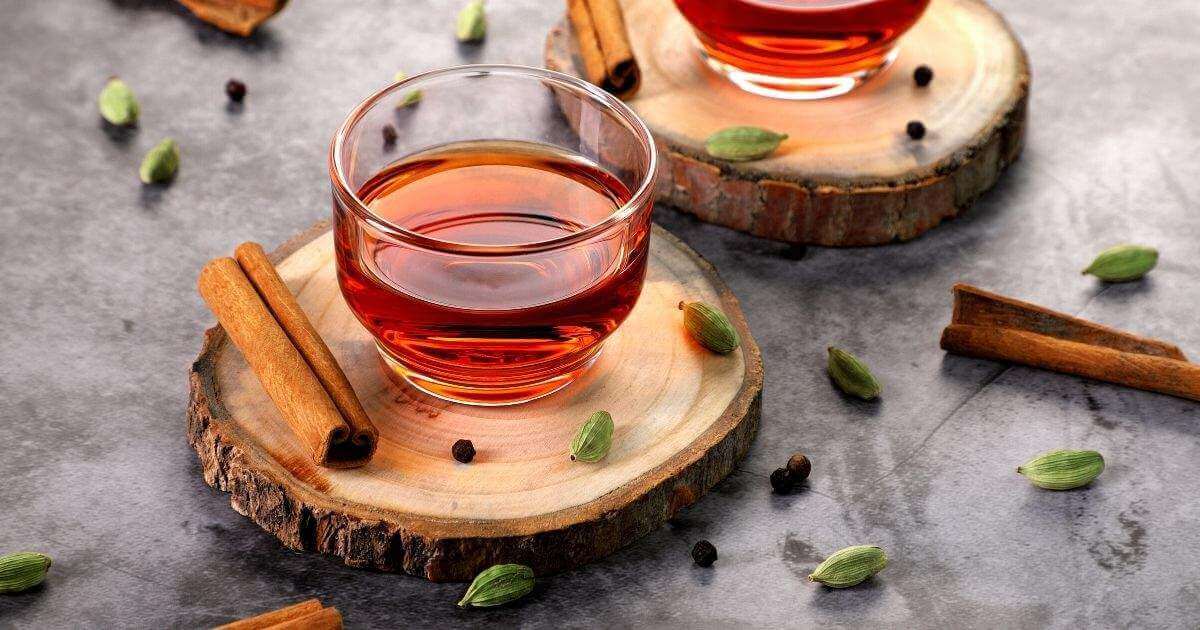
Tea Classroom – Taiwanese tea No. 18
The features of Taiwanese tea No. 18
The biggest feature of Taiwanese tea No. 18 (Ruby) is the flavour of its brew, often with gentle cinnamon and mint notes. Notice the fresh fragrance and mellow taste as you sip. These are sensory descriptions, not evidence that cinnamon or mint has been added; check the ingredient label for that. Ruby black tea often has a bright golden-red liquor. Aroma intensity varies with the batch and brewing conditions.
Price fluctuation factors of Taiwanese tea No. 18
The price of Ruby Black Tea can vary with growing region, picking method, manufacture, grade, batch and packaging. Its name alone does not establish that it costs more than Assam or Ceylon tea. Compare the same weight and form of tea, check the source information and choose a comfortable budget. Ruby is a cultivar, and leafhopper feeding is not a requirement for it. A honey-aroma manufacturing description should be used only for a batch whose production is confirmed.
Read More:
Earl Grey tea: introduction and brewing
Do you know Ruby Black Tea?
Ruby Black Tea: flavour and drinking considerations
Ruby is classified as a fully fermented tea. In tea manufacture, this term principally refers to enzymatic oxidation after rolling. Enjoy it for its flavour and your own preferences. Black tea contains caffeine; if you are sensitive to it or drinking late in the day, consider your cup size and timing. Ask a clinician about individual health concerns.
“Some people will tell you there is a great deal of poetry and fine sentiment in a chest of tea.”
How to brew TTES No. 18 (Ruby)
You do not need to store Ruby Black Tea for a year before drinking it. Follow its packaging and best-before guidance. After opening, seal it well and keep it away from light, moisture and unwanted odours. The hot- and cold-brewing steps below offer starting references, not universal batch specifications. Begin with the package instructions, then adjust for your vessel and taste.
Taiwanese tea No.18 making steps – hot brew
- Use hot water to scald all utensils, including teapots, teacups and strainers, etc., to improve the aroma of the tea.
- Put an appropriate amount of tea leaves into the teapot, a starting reference ratio is 1 g of leaf to 100 mL of water; adjust according to the package and your taste.
- Boil the water and let it cool briefly. Afterwards, brew it when the water temperature is about 95°C. This is a starting reference temperature; strength also depends on leaf quantity and steeping time.
- The first cup can be served after sitting for about 40 to 50 seconds. The steeping time depends on personal preference.
Taiwanese tea No.18 making steps – cold brew
- Take out the container you need, put an appropriate amount of tea leaves or tea bags, and a starting reference ratio is 1 g of leaf to 100 mL of water; adjust according to the package and your taste.
- Pour an appropriate amount of room temperature water and leave it to set in the refrigerator.
- A starting reference is 4–8 hours under refrigeration; follow the package and adjust to taste.
Read More:
Cold Brew Tea | Reveal the secret of making a cup of great tea!
Find your own balance in a cup of Ruby
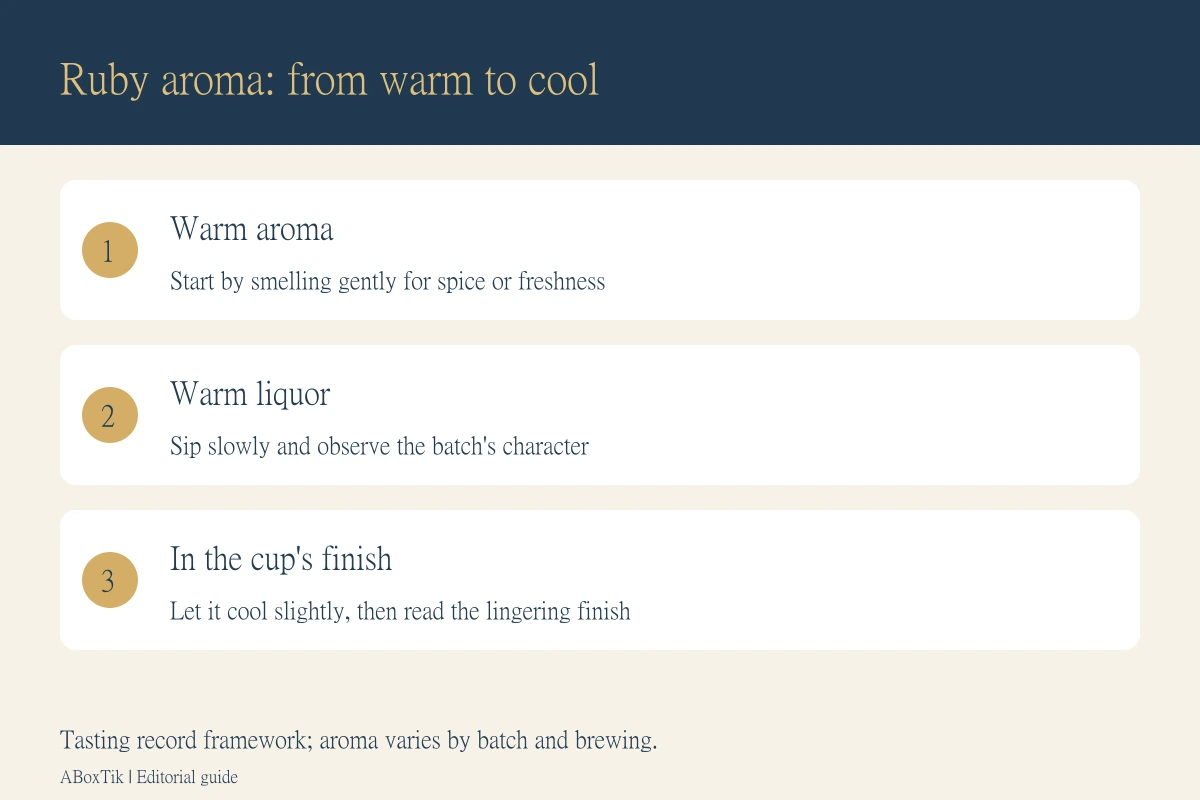
Follow the aroma from warm tea to the empty cup
After pouring, allow some steam to disperse before smelling gently. Notice whether the impression feels spicy, fresh or sweet; you do not have to find both cinnamon and mint. As the tea cools slightly, take a small sip and compare the aroma with the taste. If it reminds you of ripe fruit, record that as an impression of this particular batch and brew. Smell the empty cup again and notice what remains. These associations help you understand your preferences, but cannot establish cultivar, origin or quality by themselves.
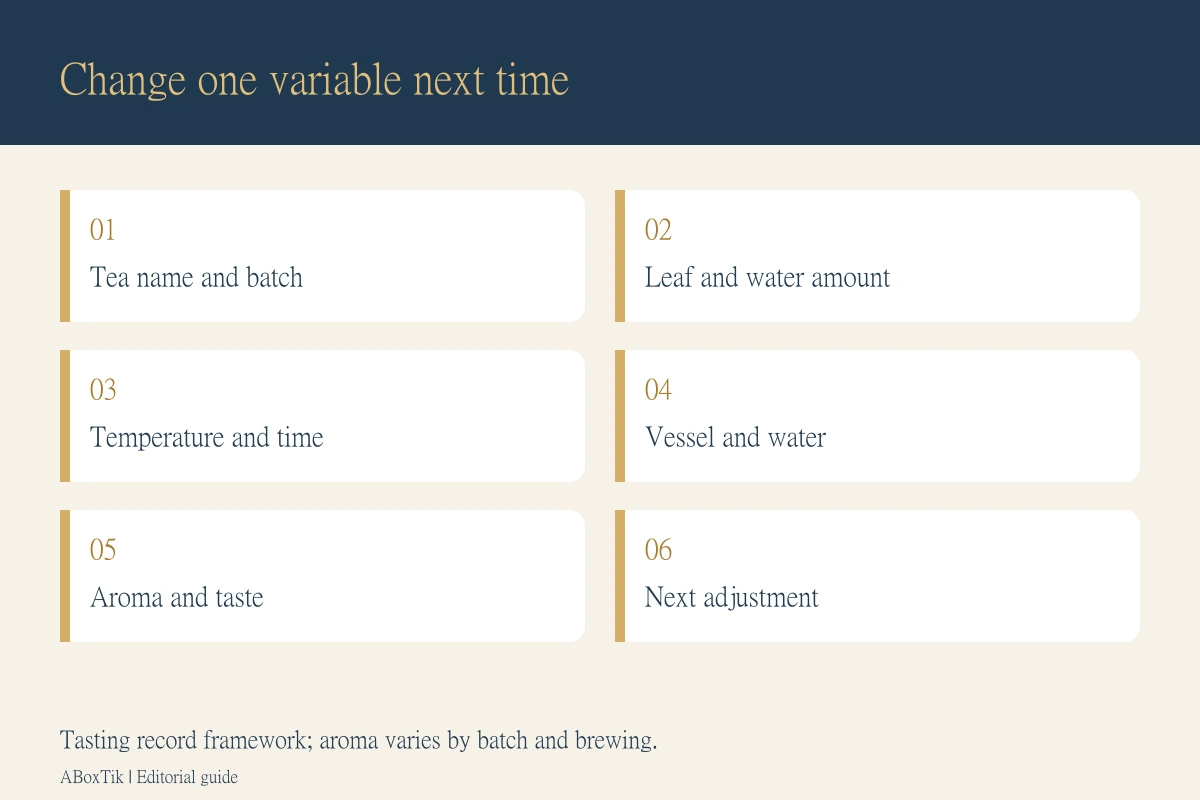
Change just one variable next time
Note the tea and batch, leaf and water quantities, temperature and steeping time, vessel and water source, then your aroma and taste impressions. If the cup feels too strong, begin by shortening the next steep. If it seems too light, try a little more leaf. Changing one thing at a time makes it easier to find a balance you enjoy. A powerful aroma need not be the only goal: a gentler cup can be lovely too.
When shopping, ask calmly about the cultivar, growing region, harvest or production batch and storage. TTES No. 8 Assam and TTES No. 18 Ruby are different cultivars; honey aroma is another manufacturing and sensory clue. Read the names carefully and try a small quantity before choosing by an attractive aroma description alone.
Follow ABoxTik
ABoxTik, enjoying fragrant and sweet Taiwanese tea No.18.
Taiwanese tea No. 18, also known as Ruby Black Tea, is a cultivar developed in Taiwan, often associated with gentle cinnamon and mint notes. Start with an unsweetened cup and notice its aroma and taste at your own pace. There is no need to identify every possible note: finding a balance you enjoy is a lovely place to begin.
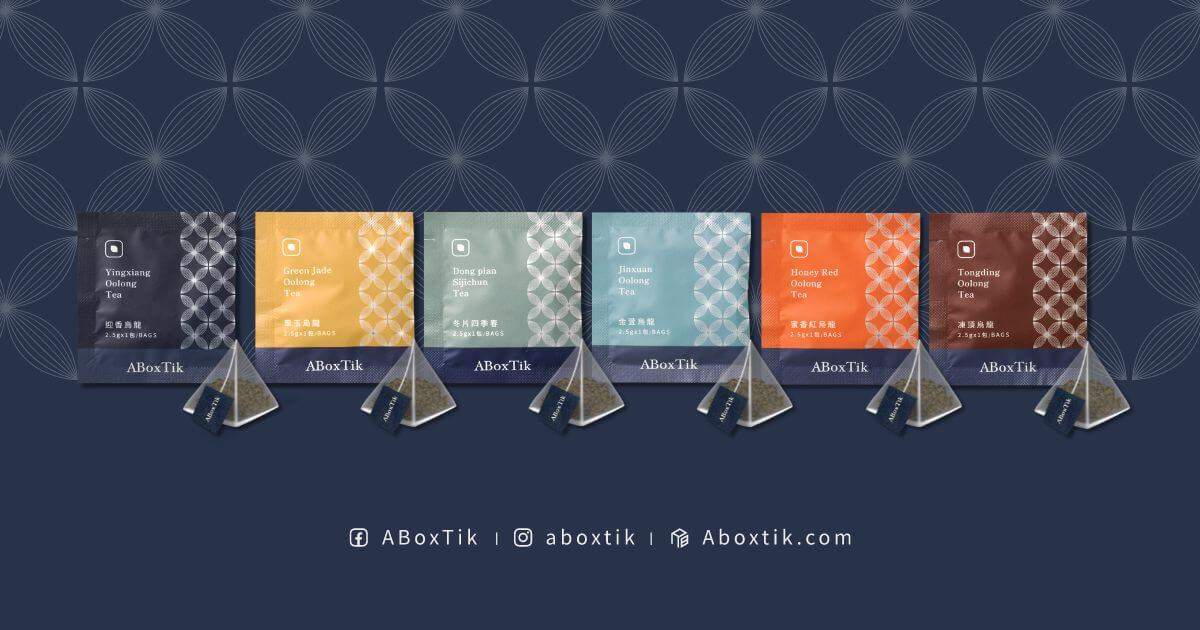
ABoxTik shows you all types of Taiwanese tea products. Taiwan is renowned for its tea industry and famous all over the world. Do you also like to study knowledge of tea? Or do you also like to try a variety of different teas? You are very welcome to pay attention to our articles. We will update different tea products from Taiwan and other countries periodically, including tea product introductions, tea knowledge and preparation methods, etc. If you are interested in tea, visit our official website to learn more about different tea cultures and knowledge.
Sources
- Tea and Beverage Research Station — TTES No. 18
- Tea and Beverage Research Station — Black tea cultivars
- Tea and Beverage Research Station — Black tea
- Tea and Beverage Research Station — Tea storage
- Taiwan FDA — Caffeine and drinking habits