
Tea Knowledge
Tea Aroma Intensity vs Definition: A Two-Axis Practice
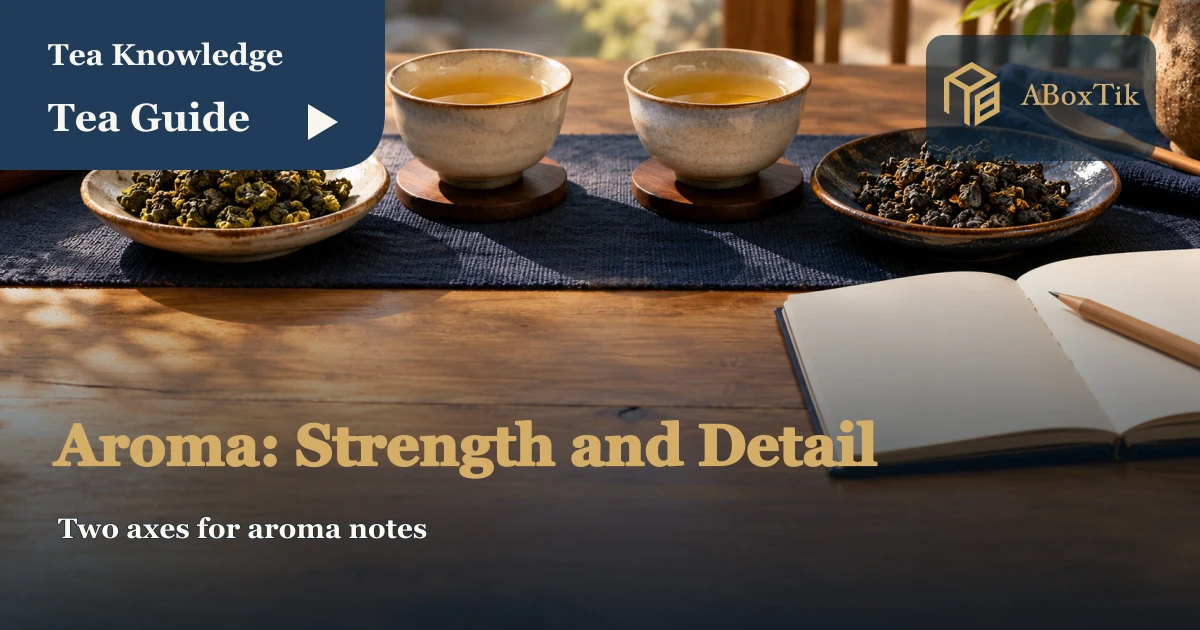
Some aromas greet the room; others invite a quieter conversation. Leave space for both.
Tea aroma intensity and definition answer different questions. Intensity describes prominence; definition can be explored through recognizable character, separate impressions and change over time. A powerful floral aroma is not necessarily easy to describe, while a gentle one may contain clear detail. This guide turns “refined” into observations rather than treating it as a universal quality score.
Some teas greet the room immediately. Others wait until everyone has sat down before beginning the conversation. Both can be enjoyable. A quieter aroma does not need to leave the table simply because another cup speaks first.
Give intensity and detail different questions
For intensity, ask how readily the aroma is noticed at a consistent distance, temperature and time. For detail, ask whether a specific description comes to mind, whether impressions can be distinguished, and whether a change is noticed again as the tea cools. These are editorial recording prompts, not an official grading system.
Keep preference in a third field. One person may enjoy bright flowers and another a softer roasted character. Different preferences do not establish a wrong answer. The aroma vocabulary and tea flavor notes offer language without requiring every cup to become an entire botanical garden.
Keep smelling conditions comparable
Begin one round with a consistent tea, leaf dose, water amount, vessel, steeping time and observation point. For two cups, use matching vessels and note the order. If the first cup is hot and the second already cooler, the difference cannot be assigned entirely to the leaves. The smelling guide and aroma-cup guide explain related considerations.
Use clean cups without obvious residual odors. Nearby perfume, cooking smells or recently eaten food may make another moment easier for observation. Let hot tea reach a comfortable state and smell gently rather than drawing steam deeply toward the face. Write one or two words, pause and return. Repeated forceful sniffing is not a requirement for a useful note.
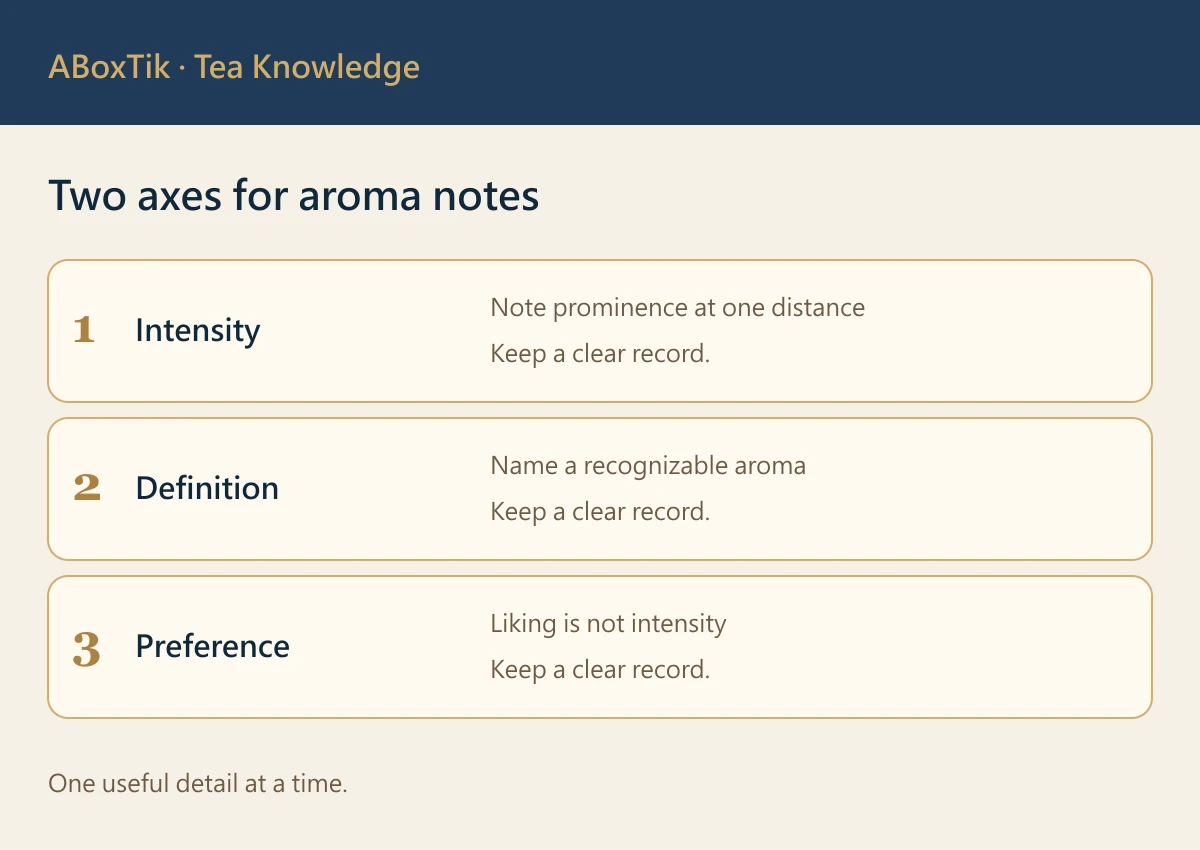
A two-axis record: prominence does not automatically mean detail
| Field | What to record | Do not infer directly |
|---|---|---|
| Intensity | Prominent, moderate, gentle or uncertain | Price, quality or the presence of flavoring |
| Definition | A recognizable flower, fruit, plant or roast impression | One compulsory correct descriptor |
| Layers | Distinct impressions ___; blended impressions ___ | More words mean greater expertise |
| Time | Freshly brewed ___; cooler ___; drained cup ___ | Every change comes from cultivar alone |
| Preference | Enjoyed ___; would check again ___ | Everyone should share the preference |
Consider two hypothetical notes: “prominent floral aroma, but I cannot name a particular flower” and “gentle aroma with distinct floral and green-plant impressions.” Both are complete. The first does not need three invented flower names, and the second does not need the word deficient. The table retains information rather than handing out prizes to noses.
Make refinement concrete rather than calling it luxurious
Connect the adjective to something observable. “Gentle, with a floral note I can still recognize before and after sipping” is more useful than “high-class layers.” “A different fruit association appeared as it cooled” gives another comparison point. A comfortable impression is also worth recording, alongside its intensity and the conditions.
Taiwan’s Tea and Beverage Research Station presents the flavor wheel as a communication tool for liquor color, aroma and taste, translating specialist descriptions into more familiar associations. It helps find language; it does not require everyone to name the same flower. The floral tea guide explores floral directions, while the honey and fruit comparison separates other commonly confused terms.
One useful distinction is between a detailed note and a favorable judgment. A clearly identifiable roast impression may not be your preferred style. An aroma that feels blended may be exactly what you enjoy in an everyday cup. Keeping those conclusions apart makes the record more honest and helps another person understand your preference without treating it as a verdict.
When two people write different notes, keep drinking together
Write independently before sharing descriptions. Otherwise, the first person to say jasmine may unintentionally choose the vocabulary for the entire table. If one person records flowers and another grass, ask when and where each impression appeared, then revisit the same cup under a common condition.
An impression that does not recur can keep a question mark. There is no need to vote on a winner. Familiarity also matters: one person knows a particular flower, while another recognizes only a fresh plant-like impression. Both descriptions provide a starting point for a conversation.
When comparing light and roasted styles, let the processing information provide context without dictating the note. Read the tea name after forming an initial impression if that makes the exercise easier. A label can guide learning, but copying its expected aromas before smelling leaves little room for the actual cup.
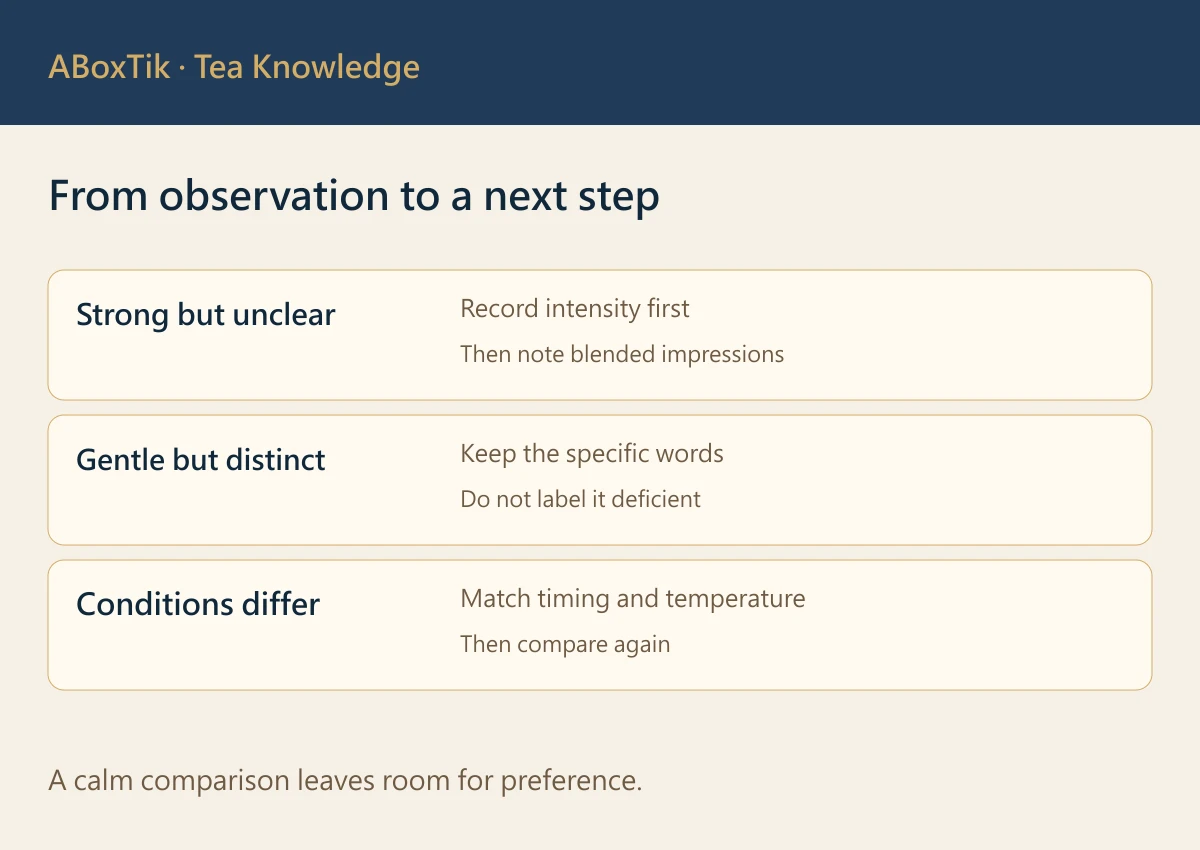
Record one cup at three moments without inventing a progression
Choose three recognizable moments: after pouring, after some cooling, and in the drained cup. Record the state and vessel each time. Exact seconds are optional, but yesterday’s dry-leaf aroma should not compete directly with today’s cool liquor. Dry leaves, liquid and an empty cup are different observation objects, so they need distinct fields.
An imaginary record might begin “prominent floral aroma,” continue “still floral, now easier to describe,” and finish “not obvious this time.” It does not announce a better cup or promise a particular aroma. It simply shows how each observation can be complete without requiring a different flower name at every stage.
Keep the outline when a name does not come easily
Start with a broad family such as floral, fruit, green plant, sweet or roasted, then add a state such as gentle, mixed or brief. A familiar-food association can remain in your own words before checking the wheel for a related term. Language that makes sense to your future self is more useful than an impressive label you cannot recognize again.
Ask a companion one question: does the description help recall the smell in the cup? If it does not, return to the tea rather than lengthening the phrase. Circle the one word you trust most and leave question marks elsewhere. Another session can confirm it before the vocabulary grows.
Follow ABoxTik: confirm one more detail next time
Choose a familiar tea and begin with only intensity, recognizable character and preference. Add time-related changes on another occasion. With two teas, maintain a comparable method using the steeping-time, water and temperature guides as starting points.
Before putting the notebook away, underline one observation you would like to revisit. Perhaps the aroma stayed recognizable as the cup cooled, or perhaps its prominence made the individual notes harder to separate. That small question is enough for another session; the page need not be filled with increasingly elaborate adjectives.
ABoxTik’s Yingxiang oolong and Classic Taiwan tea selection offer current descriptions to explore alongside your own notes. Aroma does not have to be loud to deserve attention. A detail you can describe and want to revisit is already a worthwhile result.
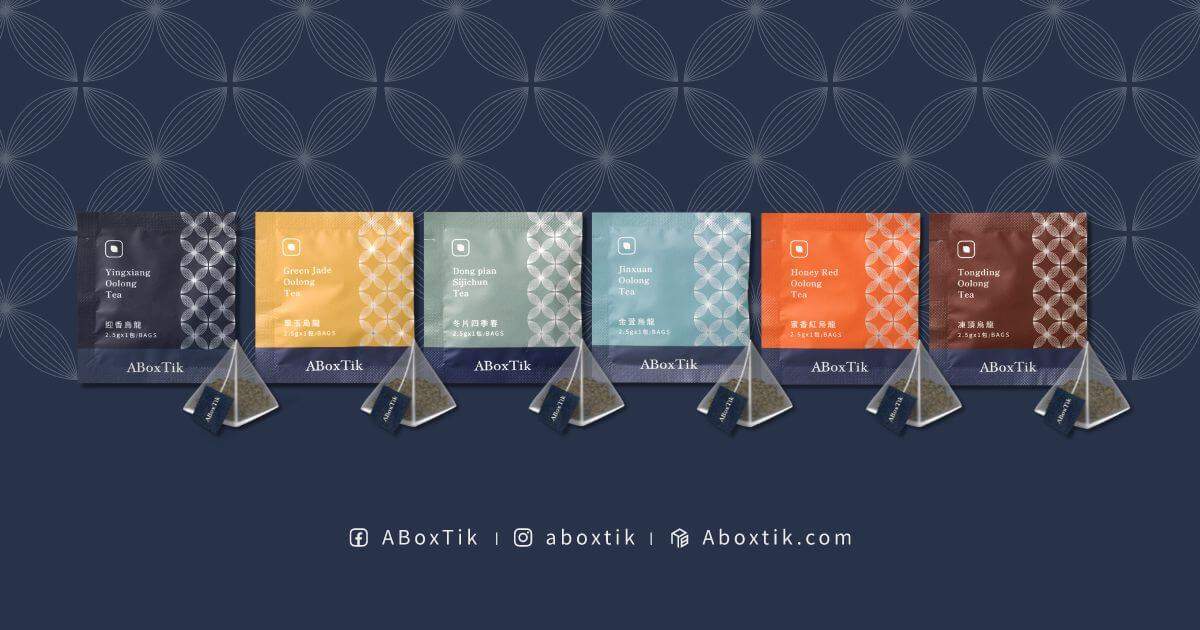
Related reading and tea choices
Sources
Sources checked: 24 October 2026.