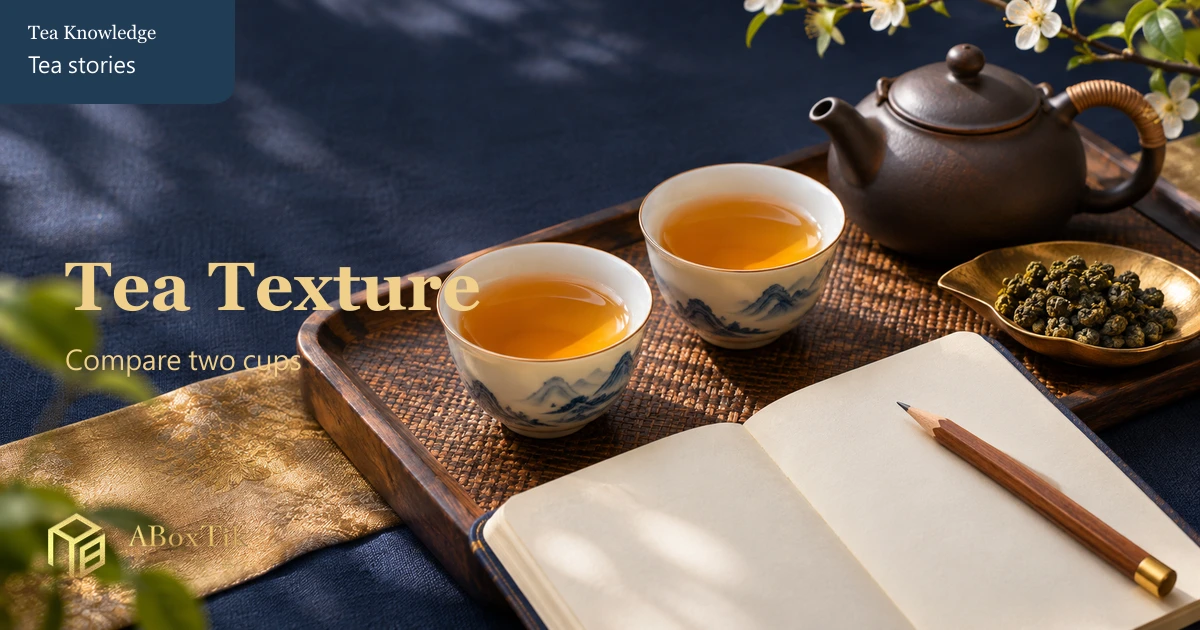
Roundness can describe a smooth, integrated impression; body can describe the weight or persistence felt in the mouth. Neither term has a universal score, and a tea may feel round without feeling heavy.

Roundness can describe a smooth, integrated impression; body can describe the weight or persistence felt in the mouth. Neither term has a universal score, and a tea may feel round without feeling heavy.
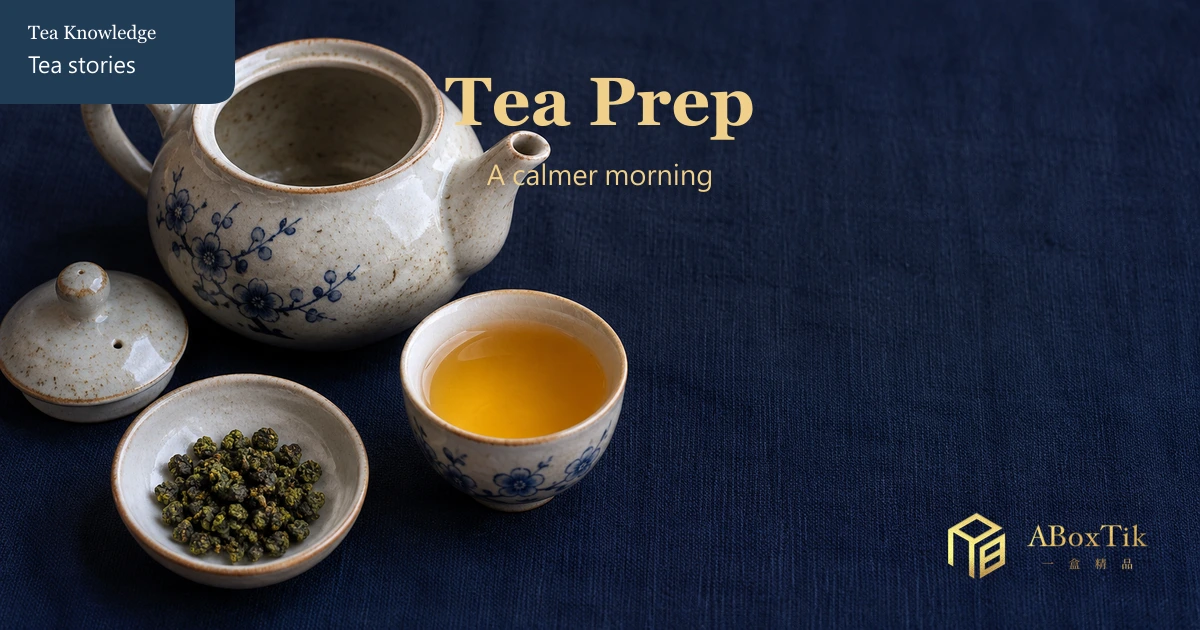
A clean cup, strainer, spoon and tea in one place can make a busy morning feel less crowded. Preparing equipment ahead does not require brewing the tea ahead.
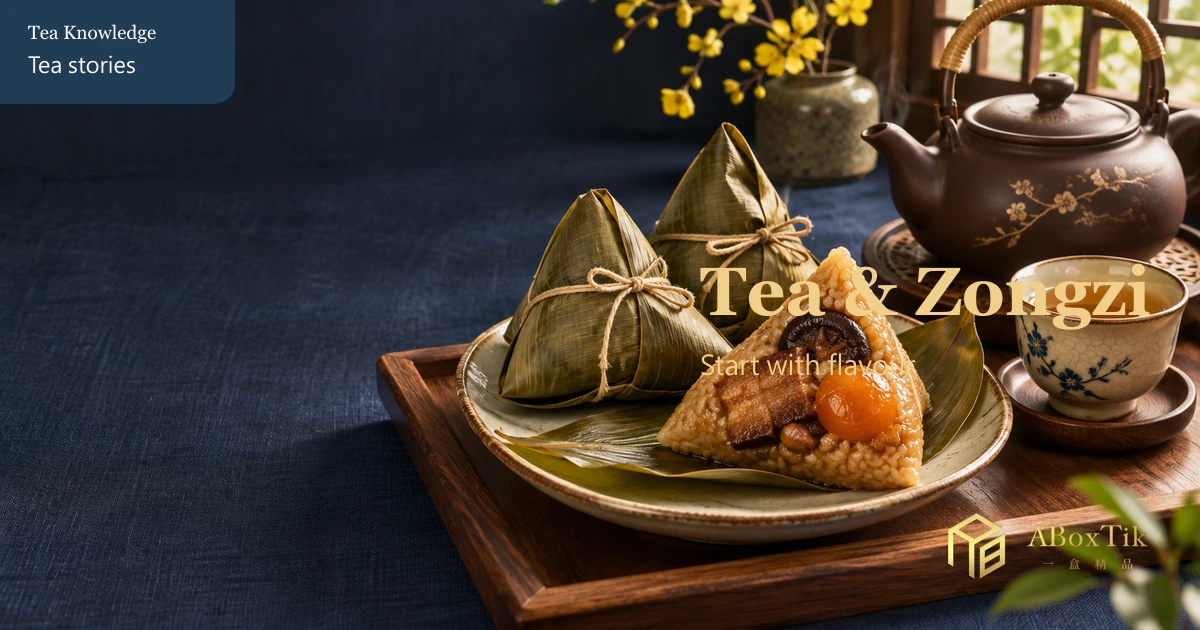
Zongzi vary in seasoning and sweetness. Start gently with a light filling, try a steadier roasted oolong with a richer savoury filling, and taste a sweet filling before deciding how strong the tea should be. These are starting points for personal exploration.
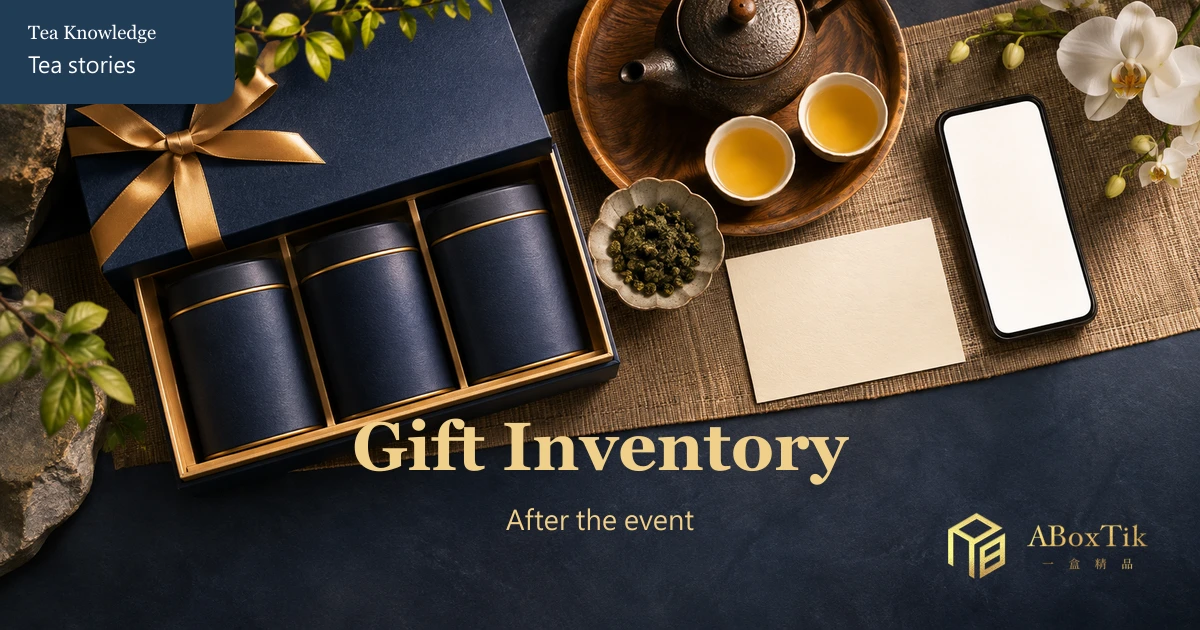
After the event, use a clean, cool area to separate intact, identifiable gifts from damp, damaged, unsealed or unidentified items. Record and isolate anything uncertain while the responsible person checks it.
A modest name can still accompany a thoughtfully described tea. Check the name, origin, responsible business, net weight and batch information, then ask whether the details apply to the package being purchased. Traceability helps you ask better questions; your palate still has the final say.
Look for the beneficiary, fixed donation per item or percentage, its calculation base, the campaign period and any cap. If a percentage has
Consider aroma, sweetness, richness and texture. A mild bread gives the tea more room, while a buttery or sweet filling may call for an adju
Matching pieces can look lovely, but the useful set depends on the number of drinkers, storage and cleaning habits. Lay out what you own and
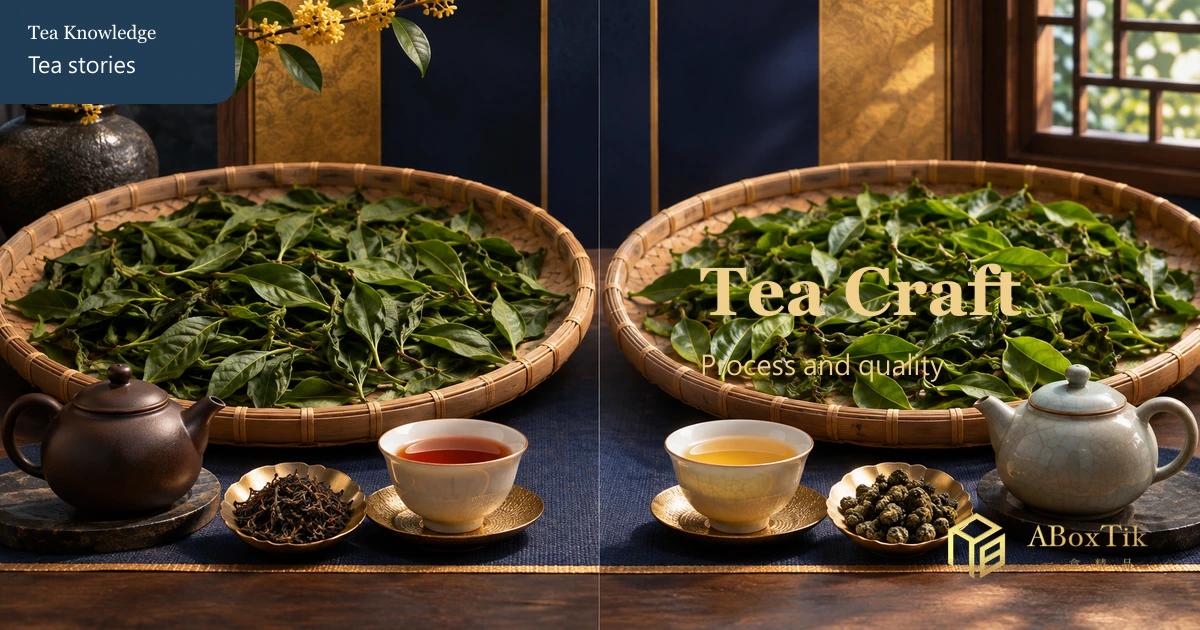
Handmade does not automatically mean better, and machinery does not eliminate skill. Leaf quality, process control, the maker’s decisions an
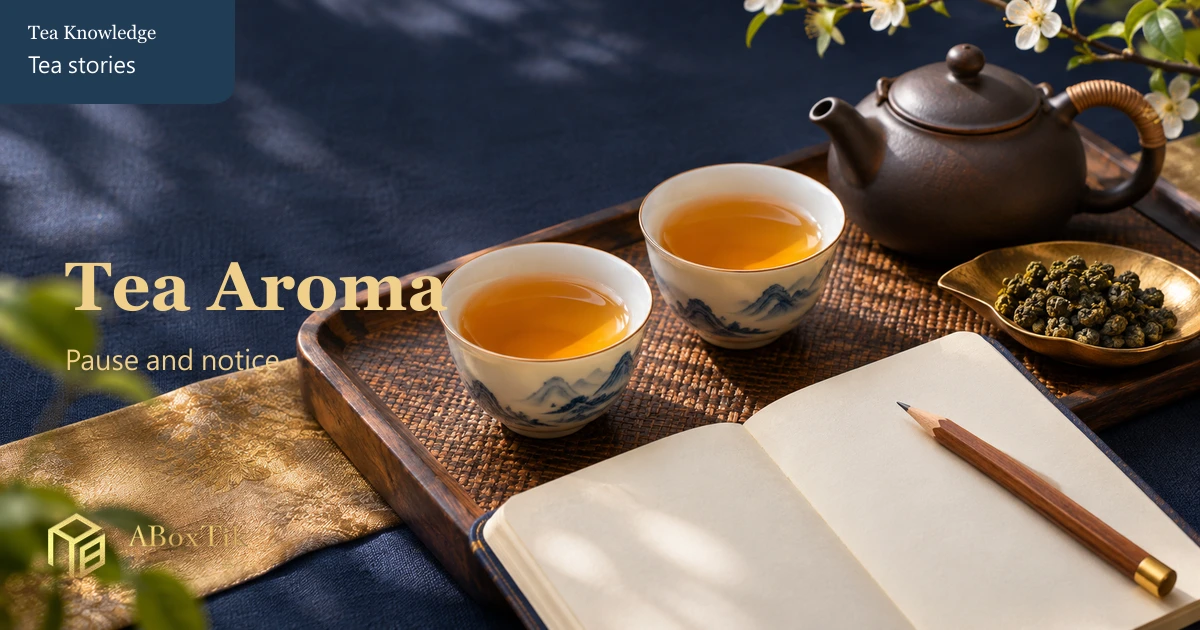
Use natural, brief breaths and pause before comparing. Start with dry leaves, then notice the aroma of the cup and brewed tea. Record the co