
Tea Knowledge
Tea Gifts for Colleagues: Portions, Budget and Easy Brewing
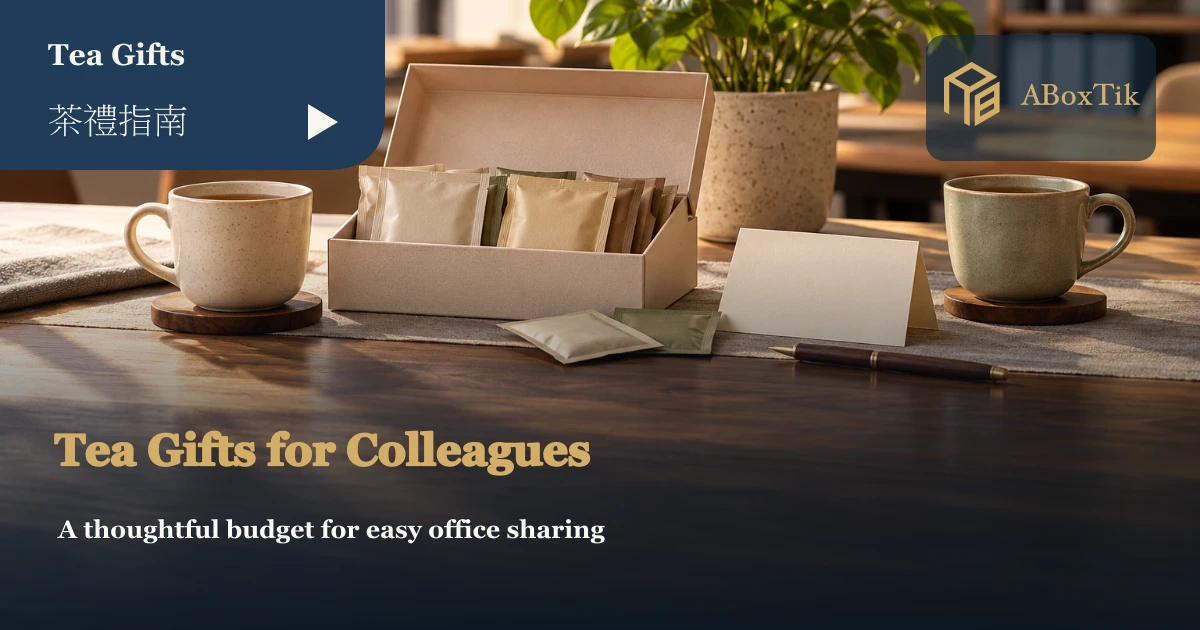
A thoughtful colleague gift fits into an ordinary afternoon. It need not turn the tea corner into a ceremonial department.
For tea gifts for colleagues, set the budget by counting recipients and usable portions first, then adding packing and delivery costs. A present for one colleague, a shared box for a small team and a company-wide purchase need different plans. The size of the outer box is a poor substitute for knowing how many people can enjoy what is inside.
Begin with the equipment at work and a comfortable total spending limit. A clearly labelled tea bag may be more welcome than a large loose-leaf tin that requires tools nobody owns. The aim is a small gesture that can actually be used, without giving the recipient another assignment.
Tea gifts for colleagues: who is sharing?
For one colleague, start with a known preference and a manageable quantity. For a few people, count portions and choose a sharing arrangement. For an exchange, check the agreed spending limit and any practical requirements. Making that distinction first avoids a gift that is either too formal for the relationship or too small for the intended group.
This guide concerns personal workplace sharing. A project involving central purchasing, custom packing or several delivery addresses belongs with the corporate gift quantity guide. The mixed tea-bag gift guide can help compare formats without assuming an individual gesture needs a full procurement process.
Write down the recipient count, total limit and intended portions per person. If some colleagues do not drink tea, leave them room to decline without explaining. A friendly offer works better than publicly assigning everyone a tea preference.
Calculate usable portions before comparing boxes
Six colleagues receiving two tea bags each need twelve portions. If the group may change, decide whether one or two spare portions are useful. A spare is a planning choice, not a compulsory percentage. Count the actual individually wrapped units listed on the product, rather than assuming a larger box contains more shareable tea.
Then separate the cost of tea, any extra packing and delivery. Divide the confirmed total by the intended number of recipients when comparing arrangements. Keep an allowance for uncertainty if needed, but avoid presenting an invented per-person figure as a current retail price.
| Plan field | What to write | Why it helps |
|---|---|---|
| Recipients | Six people, for example | Separates headcount from boxes |
| Portions | Two each: twelve in total | Shows the usable quantity |
| Other costs | Packing, card and delivery | Avoids an incomplete comparison |
| Total | Confirmed quote or cart total | Provides the actual spending limit |
The two-tea bag set and multi-tea gift box are possible formats to inspect. Confirm their current contents, unit count and price before choosing. Product names alone do not establish a suitable portion count for the team.
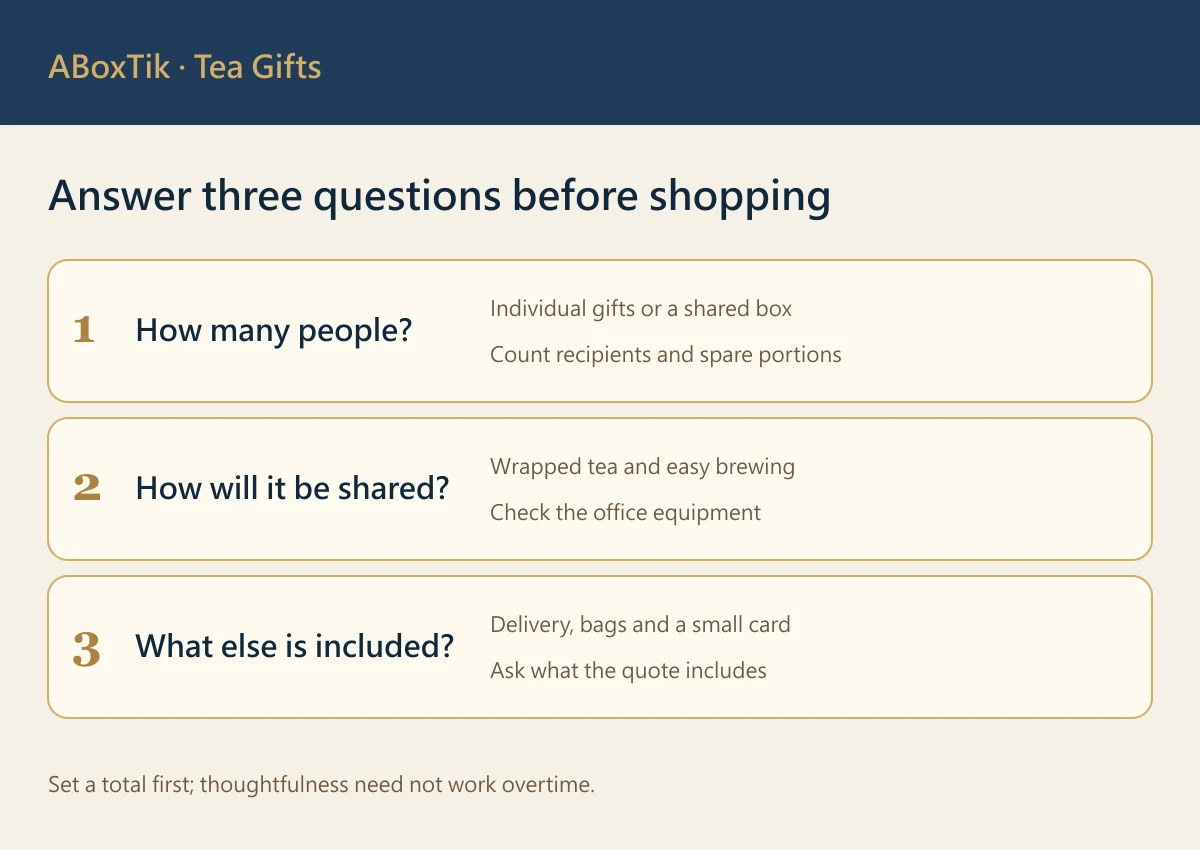
Use a worked budget without mistaking it for a quote
Suppose the personal budget cap is NT$1,200 for six people. Setting aside NT$150 for possible delivery and a card would leave NT$1,050 for tea. That is NT$175 per recipient, or NT$87.50 per portion if each receives two portions. These are example arithmetic inputs, not ABoxTik product prices or a recommended market range.
The exercise tells you whether an actual option fits the plan. If the cart or quote exceeds the remaining tea allowance, change the format, portions or optional extras before deciding to increase spending. Keeping the ceiling visible is more helpful than attaching a premium label to an uncomfortable total.
For a shared box, calculate what the team can actually distribute. For individual gifts, include any separate bag or delivery charge. The two arrangements may have the same outer-box price but different total costs. There is no need to make the spreadsheet dramatic; it only has to prevent a surprise at checkout.
Choose tea that the office can brew
Look for the ordinary setup: mugs, a hot-water dispenser, somewhere to place a used tea bag and a clean surface. If a strainer and pot are already available, loose tea may also work. Match the format to the equipment rather than hoping the gift will inspire an entirely new office kitchen.
Check the product’s instructions for tea amount, water and infusion time. Start with those instructions instead of claiming one universal method suits every tea. The brewing guide and whole-leaf tea-bag article can help explain the practical differences.
If preferences are uncertain, consider a modest contrast between clearly described styles rather than a complicated assortment. Light and roasted tea offer a useful vocabulary. Do not assume one style suits everyone, or promise an effect on energy, concentration or health. Let colleagues make their own drinking choices.
Add a brewing card that takes less work than the tea
Keep four details visible: tea name, portion, water amount or temperature guidance, and the first infusion time. Add a refill suggestion only when the actual product supports it. The card should save a search rather than become a small examination tucked inside the box.
A short invitation such as “for a quieter moment after the deadline” can feel personal without demanding a response. If sharing the box, label how portions are intended to be divided so the first person does not unknowingly use the afternoon’s entire supply. That is practical kindness with a very small stationery budget.
For the tea itself, preserve the original wrapping and instructions. Tea can absorb moisture and surrounding odours, as explained by the Tea and Beverage Research Station’s storage material. Keep stock away from heat, damp and strongly scented cleaning products, and follow the package guidance. The tea storage guide provides a useful next read.
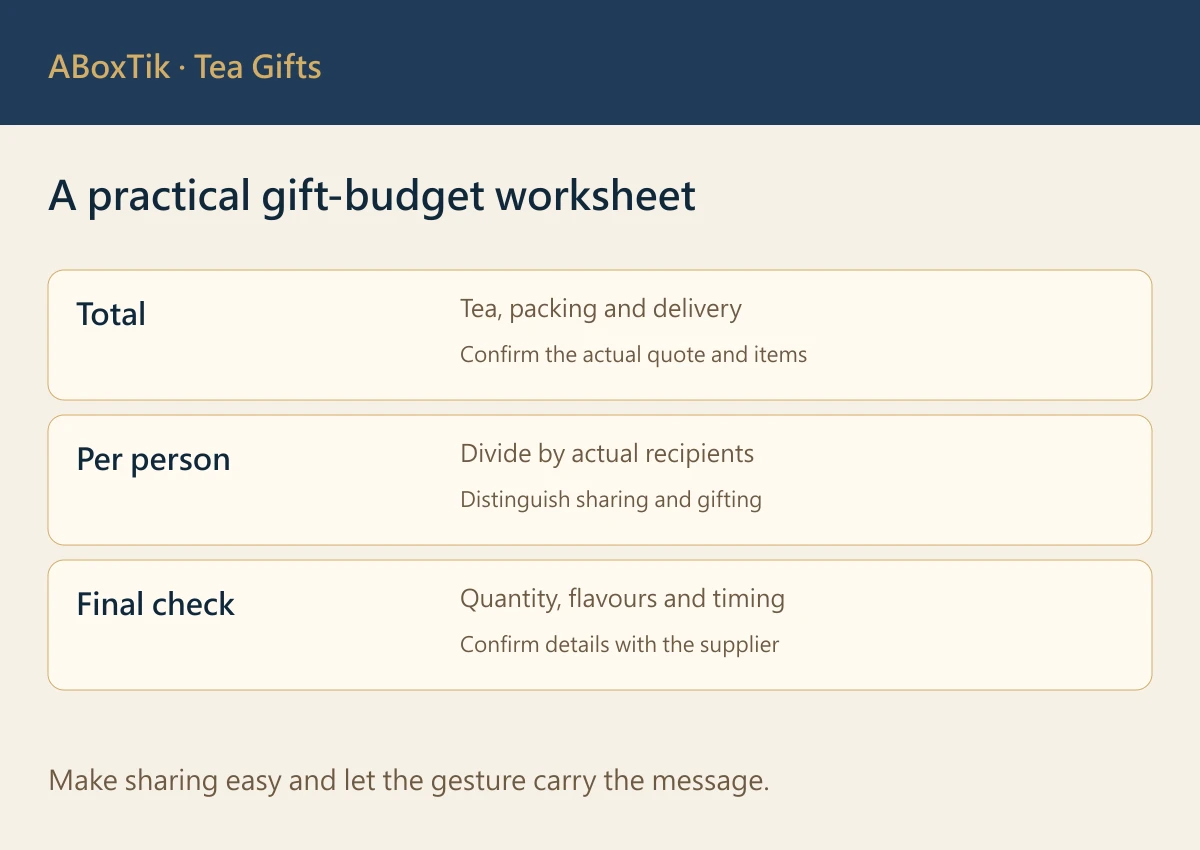
Avoid awkwardness without making the gesture stiff
Do not judge the gift by box dimensions, assume specialist equipment is available or make the occasion resemble client hospitality. For an unfamiliar preference, a small sharing option can be easier than choosing an expensive item for a particular person. For a close colleague, one specific shared memory may matter more than an elaborate presentation.
Give the tea without an expectation of an immediate tasting, photo or public thank-you. Colleagues may take a portion home, save it for another day or decide it is not for them. A comfortable gift leaves that freedom intact. The gift should not acquire a follow-up meeting.
Before ordering, confirm portions, actual contents, current availability, delivery arrangements and the date when the gift is needed. If a detail is uncertain, ask a concrete question rather than relying on an old offer. Keep the final choice close to the everyday setting where it will be used.
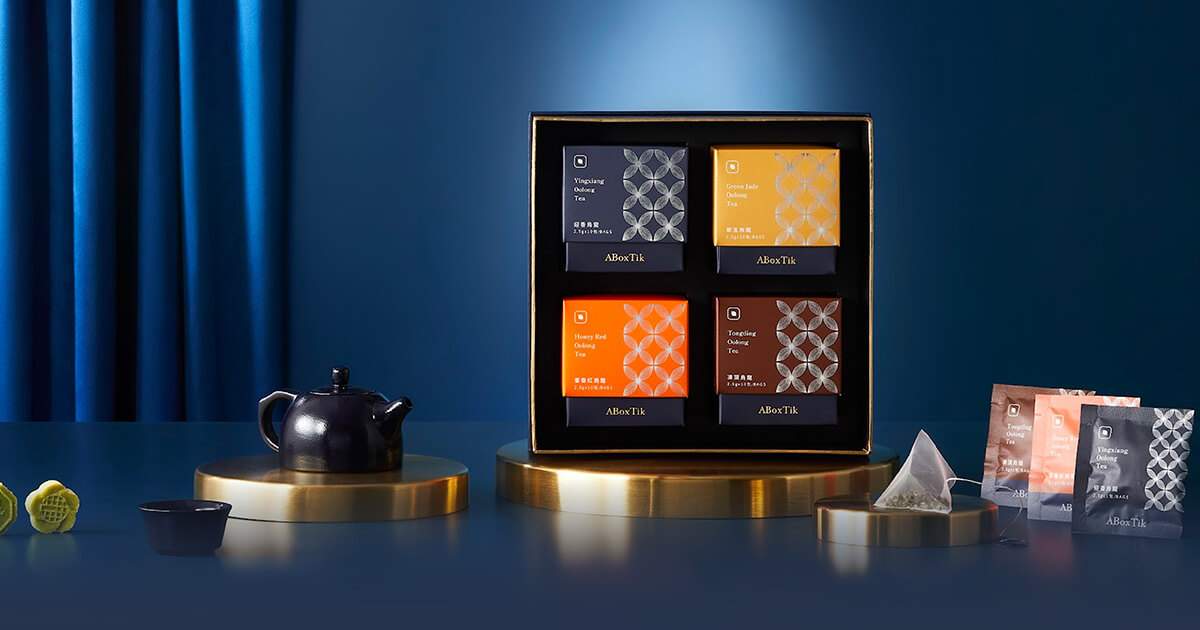
Follow ABoxTik: prepare a small gesture that is easy to share.
Let a tea gift fit naturally into the working day
A good colleague gift does not need to schedule a ritual into the afternoon. Clear instructions, a suitable portion and a warm note can be enough. Keep the budget comfortable and the brewing easy.
Explore Taiwanese tea and choose a format that suits the people sharing it. ABoxTik invites a considered choice, with room for the recipient to enjoy the gift in their own time.
Related reading
Sources
Sources checked 18 October 2026.