
Tea Knowledge
Everyday Tea Gifts: Seven Thoughtful Moments Beyond Holidays
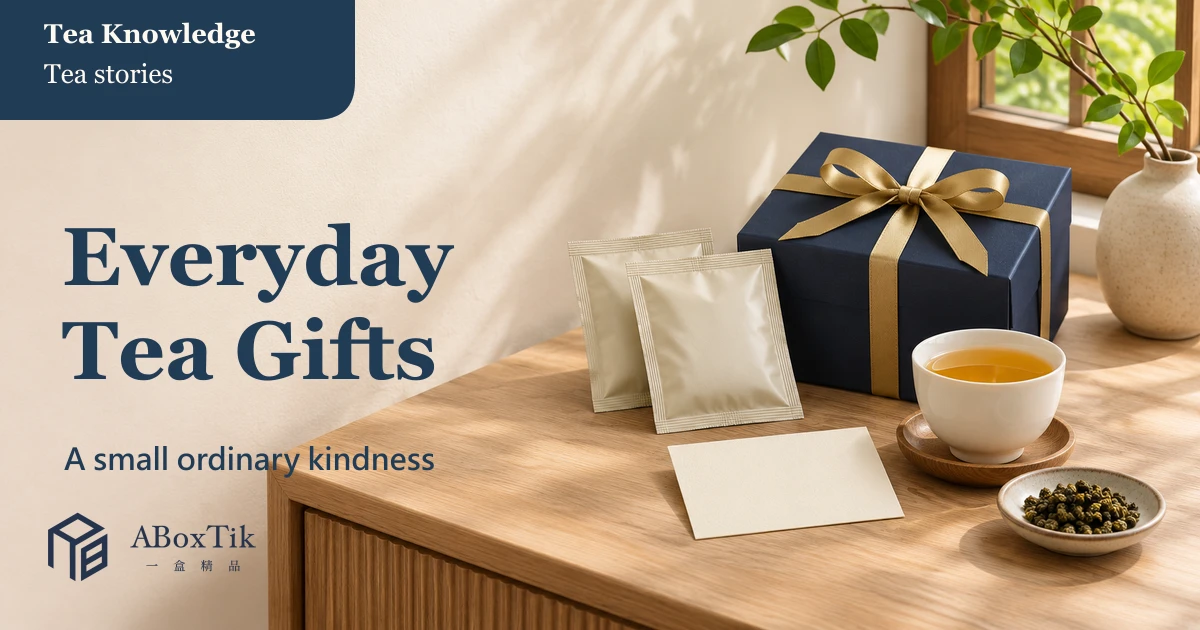
A small tea gift need not wait for a date on the calendar. Make room for the recipient’s cup and time, then let an ordinary kindness arrive.
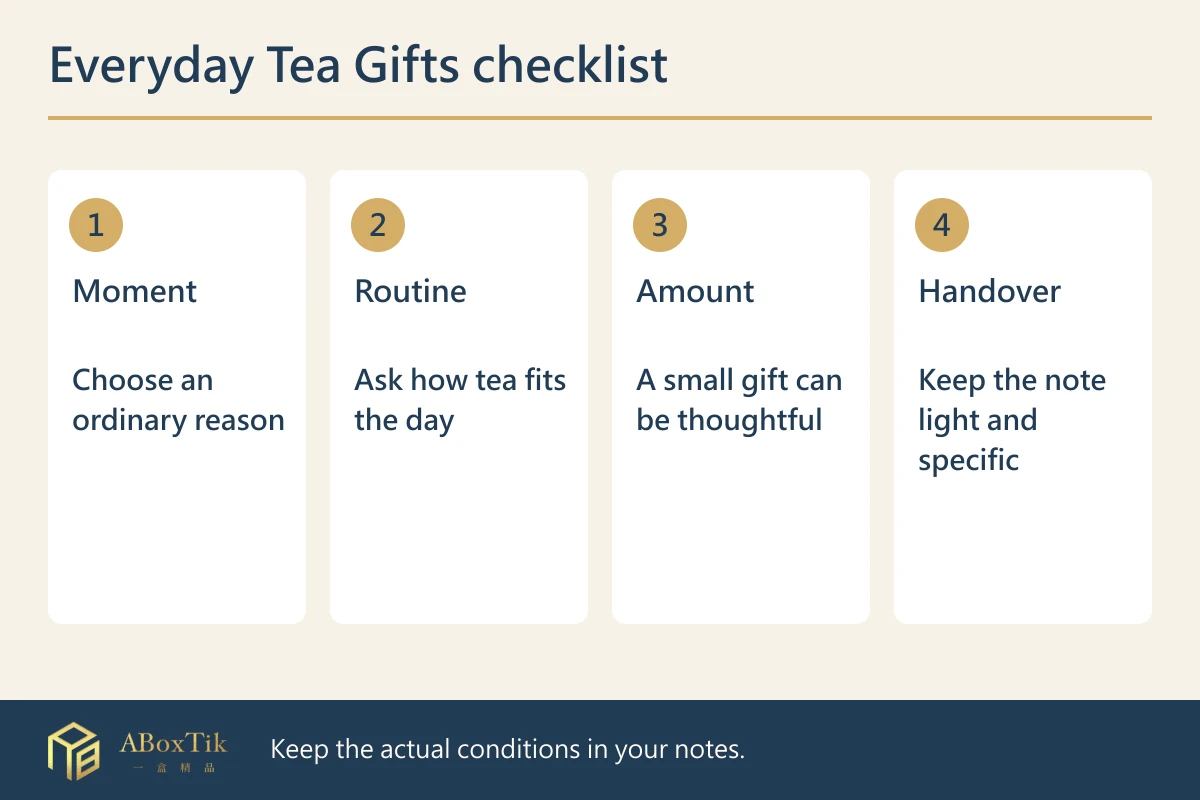
An everyday tea gift does not need a holiday or a grand explanation. Begin with how the recipient usually drinks, what equipment is available and how much storage space feels comfortable. A small thank-you after working together, a note to an old friend or a tea you would like to share can all be natural occasions.
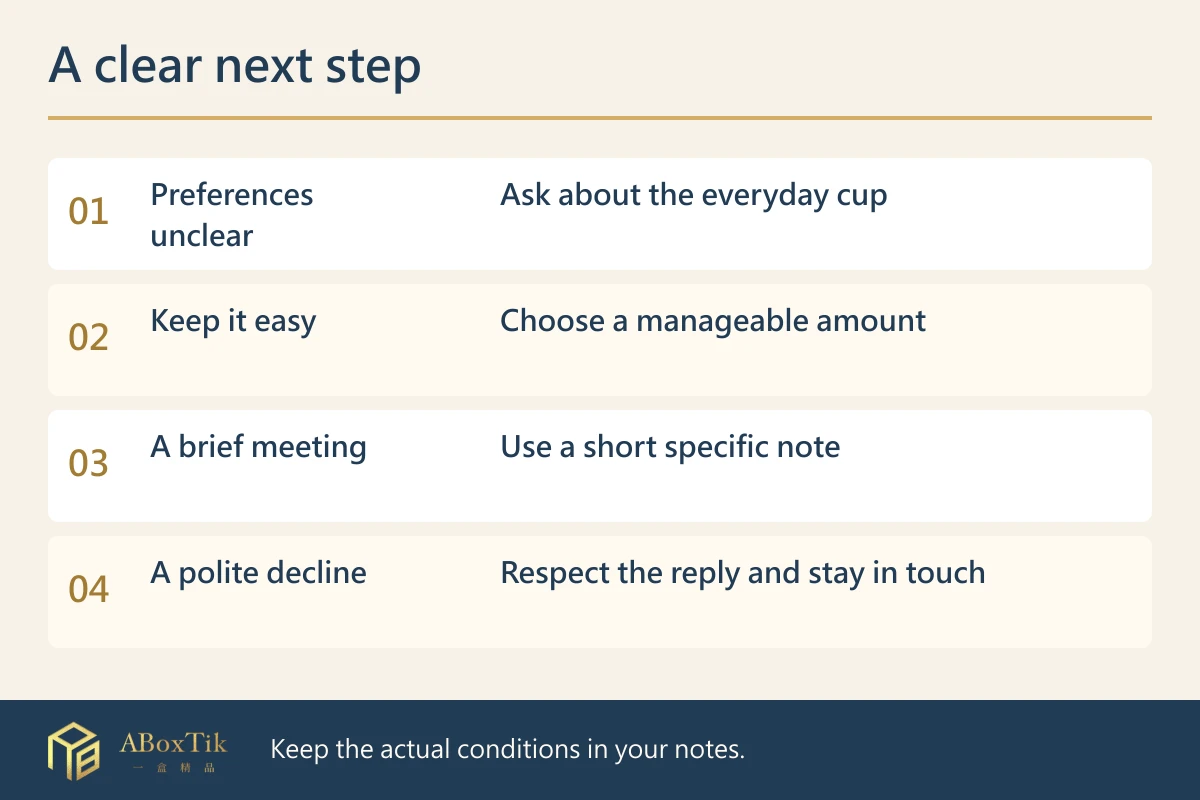
When preferences are unknown, “Do you usually drink tea?” is more useful than guessing the perfect variety. There is no need to ask someone to open a gift on the spot. “Whenever you have a moment” leaves the timing with its recipient.
Everyday tea gifts: seven ordinary moments
After finishing something together. Name the help you appreciated: sorting a document, sharing advice or seeing a project through. Choose a size that is easy to carry and keep the card short.
During a busy period. Check that delivery is convenient and choose a format with clear instructions. Do not expect an immediate response or suggest that a cup of tea will solve someone’s workload. A considerate gesture leaves room for a person’s actual day.
When reconnecting. A brief message can accompany the tea: “This made me think of you. I hope we can catch up when you have time.” Ask for the current address rather than turning a surprise into a missing-parcel search.
When sharing a discovery. Describe what you personally enjoy about a tea, then invite the other person to explore it in their own way. Check ingredients and preferences first; people do not have to taste the same things.
For a casual visit. Bring a manageable amount and let the host decide when to open it. For a first visit, the host-gift guide offers additional questions about space and brewing habits.
As a modest return gesture. When exchanging small gifts is comfortable for both people, a useful tea can express thanks without matching anyone’s spending. If a gift would be awkward, a specific thank-you is enough.
To spend time with family. Offer a tea that people are willing to try and ask whether they would like a cup together. If someone takes a portion home, keep the original product information with it. Sharing is an invitation, not a compulsory event.
Choose for the way it will be used
Tea bags can suit someone who wants a straightforward cup; loose leaf may suit someone with brewing equipment or an interest in preparing tea slowly. Neither format is inherently more thoughtful. Check the actual format, quantity and instructions, then consider the recipient’s routine.
Think about pace as well as size. Someone who drinks occasionally may appreciate a smaller quantity, while a household that shares tea may use more. When storage space or preferences are uncertain, a manageable package with clear information can be easier to enjoy.
Two questions when you do not know their taste
Ask whether they tend to enjoy lighter or more roasted flavours, and whether they usually use tea bags or loose leaf. If neither answer is clear, ask whether they would like to try tea at all, or invite them to choose. Check ingredient labels for anything they avoid. A floral aroma in a tea description is a different question from flowers being included as ingredients.
Useful answers are often practical: “There is a mug at the office but no teapot” tells you more than a long list of tasting terms. Start with the day-to-day setting and the choice becomes easier.
Write a short note and leave room to choose
| Moment | A possible note |
|---|---|
| Thanks | “Thank you for your help. I hope you enjoy this whenever it suits you.” |
| Reconnecting | “I thought of you and wanted to share a little tea. Let’s catch up when we can.” |
| Sharing a discovery | “I have enjoyed this style lately and thought you might like to explore it.” |
| Drinking together | “If you have time, perhaps we can make a cup together.” |
Say what you mean without prescribing how the recipient should feel. Confirm the address, convenient delivery time, storage instructions and product details before sending. The note does not need a committee to approve every adjective.
A five-point check before sending
Check that tea is welcome; the format fits the recipient’s habits and equipment; ingredients and quantity are appropriate; packaging information is complete; and delivery is convenient. Ask about any uncertain item. To compare different styles, start with the mixed tea-bag gift guide; for broader questions about the occasion and storage, see the tea gift-box guide.
A small everyday gift can make space for a shared moment while fitting comfortably into someone’s life. Once it is chosen, leave the recipient free to decide when and with whom to enjoy it.
Hand delivery and shipping call for different questions
Before handing over a gift, consider what happens next. Is the recipient travelling a long way, taking public transport or already carrying several things? A manageable package at the end of a meal may be easier to take home. When unsure, ask, “Is this convenient to carry now?” A request to receive it another day is simply a useful piece of information, not a rejection of the thought.
For shipping, confirm the recipient’s current name and address and a convenient delivery window. Follow the actual product packaging and carrier requirements. If sending to another region or country, check the destination’s rules and the carrier’s accepted goods and packaging conditions first. Include the sender’s name on the card so that a pleasant parcel does not begin as an anonymous puzzle.
Three common hesitations before choosing
“I do not know whether they drink tea.” Ask first, or share an option they can choose for themselves. “I may choose the wrong flavour.” Ask about a broad preference and any ingredients to avoid; invite them to select directly when that feels natural. “The gift might feel too formal.” Start with a manageable package and a specific sentence. An ordinary gesture does not require a grand ceremony.
If the recipient already has a favourite tea, ask whether they enjoy trying new styles. A familiar choice can be thoughtful too: it puts an established habit ahead of novelty. Check the actual product and its information before ordering, then let the recipient decide when the tea fits their day.
Once a tea has been chosen, keep the original product name, ingredient and brewing information with it. Place a personal note alongside those details rather than replacing them, so the recipient can find the instructions later. If the person says that accepting a gift is inconvenient, accept that answer and offer a simple message instead.
After delivery there is no need to request a review. If the recipient later asks how to prepare the tea, point them to the instructions for that actual product and help find any missing details. A question such as “Would you like the brewing guide?” is easier to answer than an expectation that the tea must be opened immediately. The next conversation can be about the tea, another shared interest or nothing in particular; the gift has already done its work by making the invitation clear.
Keep the tea and its original information together so that each shared package remains easy to identify and use later.
The recipient can make that next cup entirely their own.
When a particular relationship needs a more specific approach, keep that question separate: specific thank-you notes, tea gifts built around shared memories and tea gifts for parents each begin with a different recipient. For reconnecting with a friend or home delivery for remote recipients, settle the contact and receiving arrangements before choosing the box.
Match the format to the cup already in use. whole-leaf tea bag formats explains one convenient option; tea storage and placement helps decide where the tea will live after arrival.

Follow ABoxTik
Make the next cup easy to begin
Bring the useful observation back to an ordinary cup. Choose a tea format that fits the equipment and the occasion, use the current product information, and leave room for individual preference. ABoxTik offers a way into Taiwanese tea through clear descriptions and practical formats; a small, well-chosen next step is enough.