
Tea Knowledge
Tea Gift for a New Host
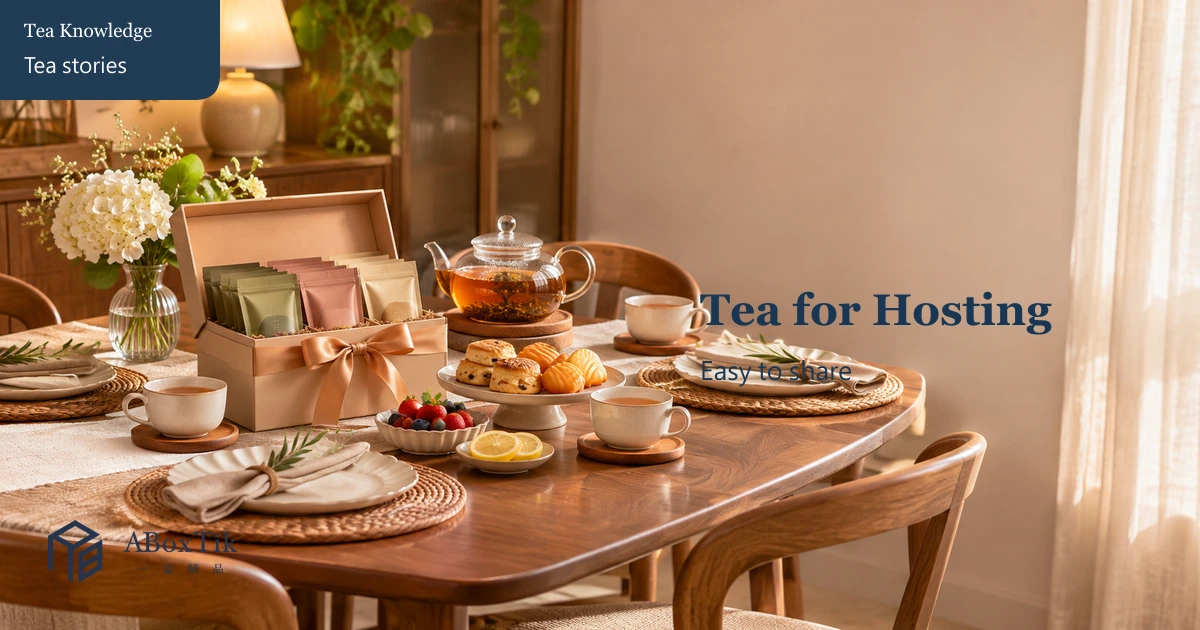
A tea gift for a new host becomes easier when the audience, occasion and deadline are clear. This guide turns a sharing gift into a practical tea-amount and equipment card. There is no need to find an impressive answer immediately. Put what is known, what is pending and what happens next on one page. That small courtesy prevents the next person from solving a mystery during the busiest part of the day.
Create checkable fields
Record the date, version, product or batch, then add the quantities, materials, equipment, dimensions, languages and owners that matter. Mark each item confirmed, pending or not applicable; an empty cell should not quietly become approval. Beside every important fact, note whether it came from a package, supplier, authority or observation and when it was checked. A concise record can still show which question each fact answers.
Compare one point at a time
When a comparison is needed, hold the other conditions as steady as practical and change one variable. Put two or three options side by side and write their use, advantage, limitation and next action. Do not let the word best do all the work. If a trial, document or current specification is missing, list it as a check and arrange a small test or ask the responsible party before making a larger commitment.
Keep story and evidence separate
A photograph, name, flavour description or brand story can be a useful clue, but each supports a different conclusion. Origin, processing, safety, environmental, rights and partnership claims should return to applicable labels, records and primary sources. Keep the jurisdiction, date and conditions of official information visible. Evidence from one place, product or study should not be stretched to every case simply because the sentence sounds convenient.
Run a handover test
Give the sheet to someone who was not part of the earlier discussion. Ask that person to find the purpose, current version, completed items, next action and owner. If the answer requires three follow-up questions, simplify the order or remove duplication. For an exception, isolate it where appropriate, record what happened and send it to the right person rather than inventing a missing answer under time pressure. It is a useful note to your future self.
Questions that prevent confusion
Must every detail appear publicly? No. Readers need relevant product and use information; personal data, internal lists, quotes and undecided versions belong elsewhere. Can one photograph or phrase replace documentation? It may begin a question but rarely finishes it. Pause when food safety, law, copyright, testing, environmental claims or high-value collecting is involved and the available evidence is not enough.
Leave a clear next step
After the tea-amount and equipment card is complete, assign an owner and review time to every pending item, then archive outdated versions. Continue with a related ABoxTik guide and another practical article, checking current labels and actual needs. A checklist is not there to make tea bureaucratic; it lets the thoughtful details survive a busy day.
One final check: keep the record with the real object
Before handover, storage or use, compare the sheet with the actual item once more. Check the name, version, quantity, date, language and owner. If information will be separated from its original package, keep the necessary details with the item in a form the next person can find. When a condition changes, update the master version and tell the person taking over. Finish with a short result and one next adjustment, so this experience becomes a useful starting point rather than a page everyone remembers seeing but nobody can find.
A hosting tea gift needs fewer surprises, not more jargon
Begin with the host’s real table. Ask how many people they usually welcome, whether they brew with a pot, gaiwan, mug or thermos, and whether they share one infusion or prepare separate cups. A beautiful large pouch can become homework if the recipient normally brews one mug at a time. Smaller sealed portions, clear tea names and a short brewing card can make sharing easier without assuming that every home owns specialist equipment.
Tea amount and equipment condition card
| Question | What to confirm | Gift decision |
|---|---|---|
| How many guests? | The usual group, not an imaginary maximum party | Choose portions that will not leave too much tea exposed after opening |
| Which vessel? | Usable capacity and whether a strainer or pitcher is available | Match the guidance to that vessel; do not assume a gongfu setup |
| How is tea shared? | One pot, repeated infusions or separate mugs | Prioritise easy division and a calm refill rhythm |
| What stays visible? | Current tea name, ingredients, lot/date and storage guidance | Keep the original label with the tea |
Use the current package or producer guidance as the starting point for leaf, water and temperature. If the host owns a 600 mL pot but the card was written for a small tasting vessel, translate the method into a simple ratio, ask the supplier, or rehearse with the actual vessel. Do not multiply a number blindly. The goal is a friendly first pot, not a surprise mathematics test beside the kettle.
Check ingredients when the gift is not plain tea
Plain Camellia sinensis and a flavoured blend are not the same labelling question. When the gift contains flowers, fruit, milk-derived ingredients, nuts, grains or accompanying snacks, keep the complete current ingredient and allergen information available. Taiwan’s Ministry of Health and Welfare explains mandatory allergen declarations for applicable packaged foods. Do not infer suitability from the front design or from the word “tea”; ask about the host’s needs and let the original label do its job.
Make the first shared session easy
A useful note can say: “Start with the package guidance, use the vessel you already enjoy, and adjust one thing after tasting.” Add the tea name, a plain-language flavour cue and one relevant ABoxTik guide. Avoid promising that every guest will perceive the same aroma. The Taiwan Tea and Beverage Research Station presents sensory evaluation as structured observation of appearance, liquor, aroma, taste and infused leaf; at home, the lighter lesson is simply to observe and compare without turning hospitality into an exam.
Rehearse one ordinary gathering
Test the gift with the setting the host is most likely to use: perhaps four cups, one everyday pot and a kitchen timer. Check whether the whole infusion fits the pitcher, whether the cups can be filled without awkward half-servings, and whether the label remains easy to find after the outer gift wrap is removed. Record what was actually tested and keep untested options as suggestions, not promises. If the host later serves eight people, they can brew another round rather than forcing double the leaf into the same vessel. This small rehearsal also reveals practical details—the pouch may be hard to reseal with wet hands, the card may use type that is too small, or the suggested vessel may not be available. Fixing one of those details is often more hospitable than adding another adjective to the gift message.
Invite one person who did not prepare the gift and notice which instruction they look for first; that small pause is useful feedback for the final card.
Sources
Taiwan Tea and Beverage Research Station · TBRI — tea sensory evaluation · MOHW — packaged-food allergen labelling Q&A