
Tea Knowledge
Is Natural Packaging Always Suitable for Tea? Barrier, Storage and Disposal
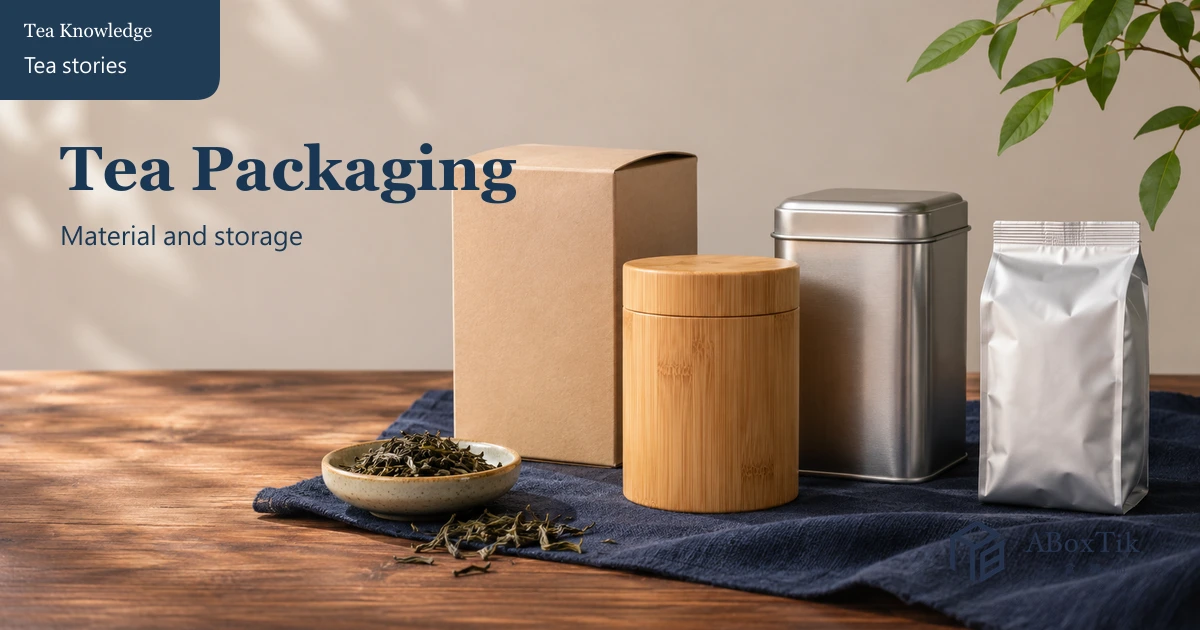
Paper, bamboo and other natural-origin materials can be appealing. Suitability for tea also depends on how the complete package limits moisture and light, seals and supports storage. A material name alone cannot establish every function or environmental outcome.
Start with the tea’s needs
The Taiwan Tea and Beverage Research Station lists moisture, light, temperature, oxygen, time and odour among storage factors. Ask which barriers and sealing features suit the tea, portion size, transport and intended use, then read the stated storage conditions.
Compare the complete package
An outer box, inner pouch, coating, adhesive and closure can be different materials. A paper-like appearance does not prove the whole package is one material. Ask the supplier for composition, test conditions and available documents; record unverified functions as questions.
Check the actual disposal system
Recyclability, compostability and reuse have different conditions. Consider material composition, contamination, local collection and processing, and applicable certification. Natural origin alone does not establish home compostability or a lower overall environmental impact.
A comparison card
Use and portion: ____; layers and closure: ____; barrier evidence: ____; sealing after opening: ____; transport protection: ____; disposal route and evidence: ____; questions: ____. Record both the claimed function and its supporting information.
Common questions
Can a paper box contain tea? Assess the inner layer and entire design. Is natural always greener? A material name is insufficient for an overall comparison. Does compostable mean it breaks down in every setting? Check the required conditions and actual processing system.
Separate a natural look from verifiable information
Colour, texture and illustration can give a package a natural feel, but appearance does not reveal the full material structure, storage performance or eventual disposal route. Ask the supplier to identify the outer box, inner pouch, coatings, adhesives, printing and closure, including which parts contact tea. Record the document version and date; leave missing fields open rather than giving a green-looking wrapper an imaginary certificate.
Before using words such as “natural” or “recyclable” on a product page or gift card, identify the specific component, scope, evidence and conditions. Material origin, package function and environmental impact are different questions. A material document alone may not describe the life-cycle impact of an entire gift box. The responsible business should check claims and labels against current applicable requirements and complete evidence.
List storage needs before asking about barriers
Record the tea format, portion size, intended transport and use after opening. Ask how the complete package addresses moisture, light and odour, how the closure works and whether test information corresponds to the actual design. The Taiwan Tea and Beverage Research Station discusses moisture, light, temperature, oxygen, time and odour as storage factors. These factors help frame questions; they do not establish that a material suits every tea.
If a supplier provides barrier testing, record sample structure, method, conditions, date, batch and report scope. Ask whether tested materials match the proposed production package. Layers, thickness, closure and storage context can differ, so two material names are not sufficient for a performance comparison. Mark a function as unconfirmed when evidence is unavailable rather than treating apparent thickness as a test result.
Ask separately about a label and real collection
Identify the material or disposal markings on the package, then check local collection guidance on cleaning, sorting and acceptance. Whether a composite can be separated, whether tea residue remains and whether a facility accepts the item can affect its route. Paper, bamboo or metal appearance alone cannot guarantee collection everywhere.
Taiwan’s Ministry of Environment single-use reduction FAQ describes the identification of single-material packaging and related arrangements under a particular announcement. That FAQ has a defined scope; it does not establish compliance of every tea package. Before using a recycling or environmental statement, verify the current requirements for the applicable jurisdiction, product category and material.
Keep supplier evidence and package versions aligned
A purchasing card can record product and version, layers and closure, supplier, dimensions and portion, food-contact components, barrier report and conditions, scope and validity of any marking or certification, intended disposal route, confirmation date and owner. If a certificate covers only one component, do not extend it into a guarantee for the complete box.
When a supplier, coating, pouch or closure changes, identify the new version and recheck affected evidence. Compare the approved artwork, production sample and actual batch before carrying forward an old description. If versions coexist, manage stock and supporting documents separately. Pause the relevant claim and ask the responsible owner to investigate if dates, materials or functional information do not match.
Consider the full use and disposal context
One tea can be offered in different portions and packages with different protection and delivery needs. Place package weight, product protection, realistic reuse, transport and local processing options on the comparison card. Where evidence is incomplete, avoid ranking every option. A choice that supports the tea, the user’s routine and verifiable information is more useful than a package that merely looks like a forest.
Explore next
Use three approval gates before choosing a package
Gate one: protect the tea. Write the expected shelf period, opening pattern, humidity and light exposure, transport route and portion size. Ask for evidence tied to the proposed layers and closure, not a brochure about the base material. If the tea needs an inner high-barrier pouch, include that pouch in the comparison; judging only the outer paper box would be like reviewing an umbrella by admiring its handle.
Gate two: qualify every environmental statement. The U.S. Federal Trade Commission’s Green Guides summary is useful as a general claim-writing reference: broad environmental benefits can mislead, and recyclable or compostable claims need clear qualifications when facilities or conditions are limited. These U.S. guides are not Taiwan law, but the writing lesson travels well—name the component, condition, place and evidence instead of promising that an entire gift set is simply “eco-friendly.”
Gate three: verify the real end route. Photograph the assembled package, list every removable part and test whether an ordinary user can separate them without special tools. Then check the collection rules where the recipient will actually dispose of it. A technically recyclable film is not automatically collected locally; a compostable component may require an industrial facility; a reusable tin only delivers reuse value when people realistically keep and use it.
A sample comparison without a green winner
Suppose option A uses a printed paper box plus a sealed multi-layer pouch, while option B uses a lighter carton and individually wrapped portions. Compare the complete weight, number of seals, protection during delivery, tea wasted after opening, clarity of sorting instructions and local collection options. Option A may protect one larger quantity efficiently; option B may reduce repeated exposure but add wrappers. The honest conclusion may be “different trade-offs,” followed by the missing data to request—not a leafy trophy awarded on appearance.
Approve copy only after the package specification, evidence file and disposal instruction refer to the same version. Keep a dated screenshot or document, record who checked it and schedule a review when materials or suppliers change. This small evidence trail makes future updates far easier and keeps warm brand language grounded in something sturdier than wishful thinking.
Sources
Taiwan Ministry of Environment: single-use reduction FAQ
Taiwan Tea and Beverage Research Station
U.S. Federal Trade Commission: Environmental Claims—Summary of the Green Guides