
Tea Knowledge
Qingshan Festival Tea Pairing: 3 Wanhua Snack Ideas
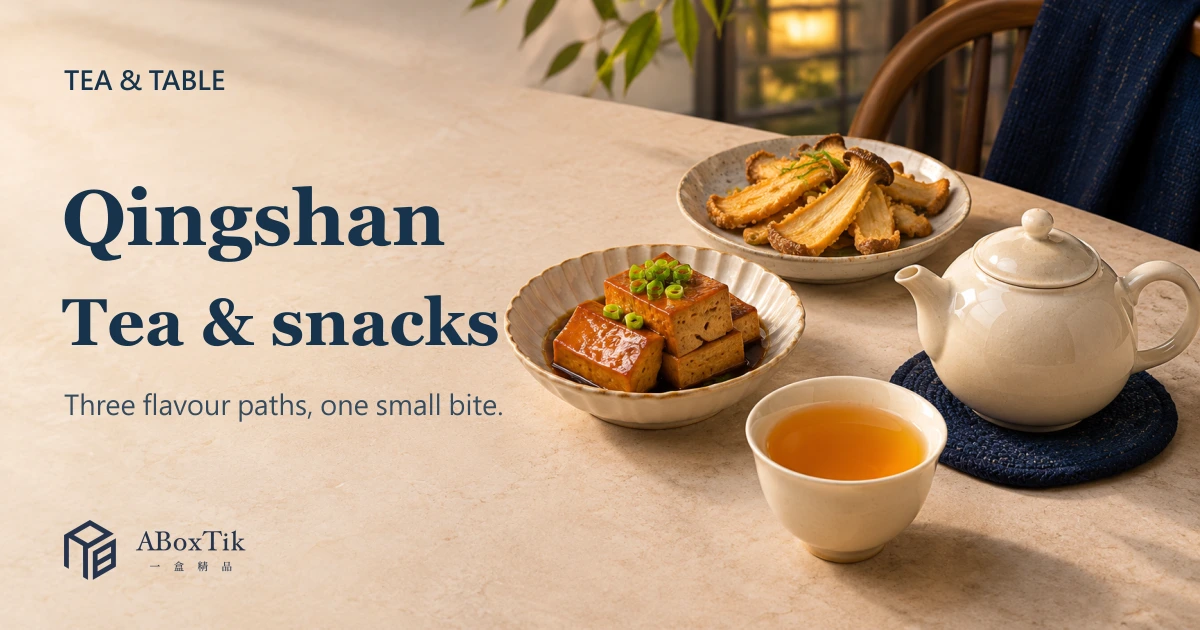
Qingshan Festival tea pairing can begin with one small plate: notice whether braised sauce, a crisp fried coating or a sweet-savory topping leads the flavour, then try a little Taiwanese tea alongside it. The 2026 festival takes place in Wanhua from November 28 to 30. See Wanhua District Office’s festival programme and the official public-transport notice when planning a visit.
Wanhua hot snacks and tea offer plenty to explore at a seated table after a walk. Bring together a familiar snack, two small cups and a simple question: which flavour would be pleasant to return to? The food can remain the centre of dinner while the tea adds another point of interest.
Qingshan Festival tea pairing starts with a settled table
A snack walk brings together voices, movement and the aroma of food just cooked. Enjoy that part in its own time. For a closer tasting at home, put the food on a plate, set the cups down securely and begin with a modest serving. A place to sit gives each bite a little more room to be noticed.
First prepare tea that is comfortable to drink on its own. The light and roasted Taiwanese tea comparison helps choose between floral freshness and warmer roasted notes. Once the tea direction is familiar, return to the food: a spoonful of sauce or an extra dusting of seasoning can change the most noticeable flavour.
Read the snack through sauce, crust or sweetness
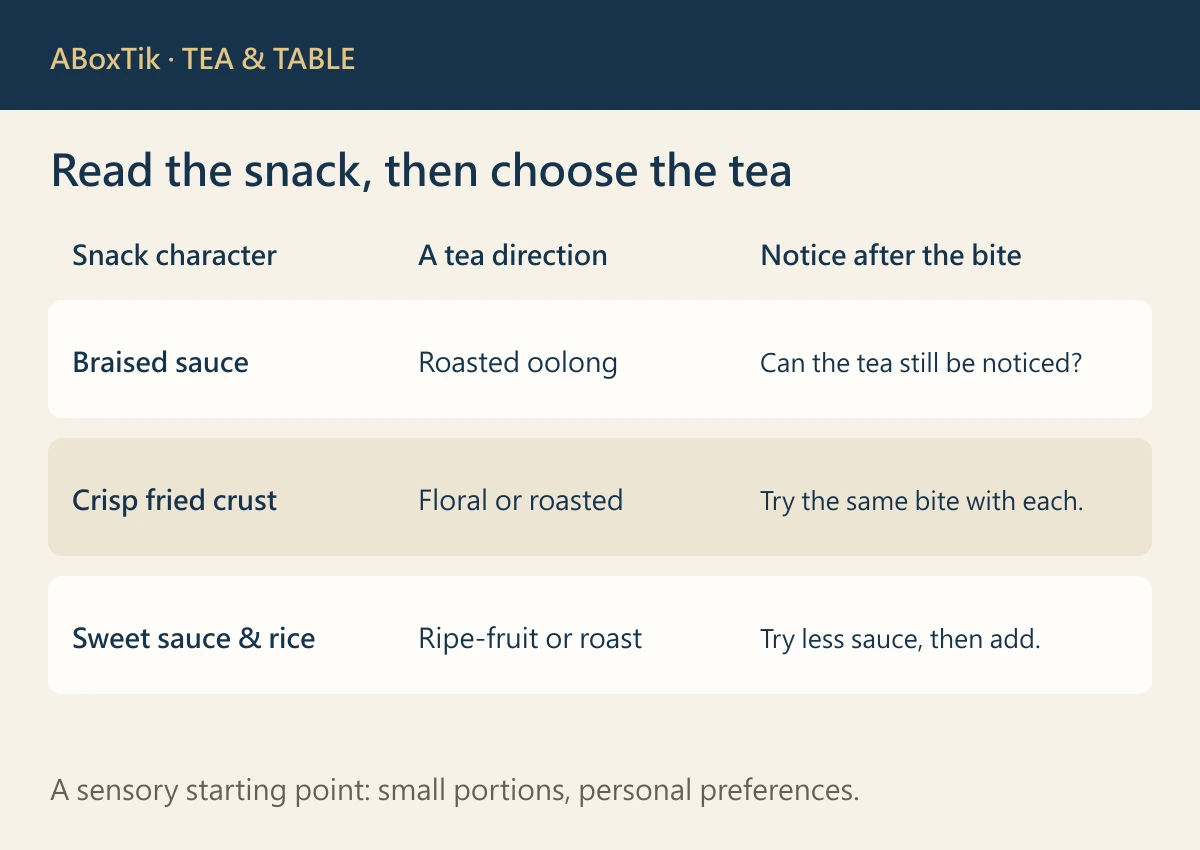
| The leading character | A direction to try | Notice after the bite |
|---|---|---|
| Braised sauce and spice | A clear, gently roasted oolong | Can the tea’s sweetness still be noticed? |
| Crisp fried coating | A floral tea, then a roasted comparison | Which cup leaves the food’s aroma clearer? |
| Sweet-savory sauce and rice | Ripe-fruit notes or a gentle roast, brewed moderately | What changes when a little more sauce is added? |
For example, braised tofu may lead with soy sauce and spice, while fried king oyster mushroom offers a crisp coating around a softer centre. A rice snack with sweet-savory sauce asks a different question again. These are starting points for a tasting; each cook’s seasoning and each reader’s preference will change the result. The tea-aroma guide can help find a few useful words.
Tea with braised snacks: separate the food from extra sauce
Start with a small piece carrying less sauce, then try another similar piece with more of the braising liquid. Use the same tea for both bites. This keeps the question clear: is it the extra sauce that makes the cup seem sweeter, quieter or stronger? With braised tofu, notice the tofu and its sauce separately before adding more chilli or garlic.
A gently roasted oolong is one possible beginning when the plate leads with warm spice and soy sauce. If the combination feels crowded, try a lighter brew next time. The snack-and-tea guide offers more ideas for pastries, nuts and jerky; a hot sauced plate adds temperature and moisture as further details to notice.
Tea with fried snacks: keep one unseasoned bite
With fried mushroom, tofu or another favourite, leave a little piece without extra dipping sauce. Taste the coating, the ingredient and any seasoning already present. A floral cup can make an interesting contrast; a roasted cup can echo the warmer aroma. Try each with a similar bite before deciding which direction suits the plate.
If the tea seems faint beside the food, first check how it was brewed rather than changing every setting. The steeping-time guide helps plan one adjustment. For another hot-food setting, explore Taiwanese tea with pizza, where the sauce, toppings and baked base come together differently.
For sweet sauce, start with less and add gradually
A sweet-savory topping on a rice snack may linger longer than the food underneath it. Try a lightly sauced bite first, followed by a small sip, then repeat with a little more sauce. A tea with ripe-fruit notes or a gentle roast can be a starting point, brewed to a comfortable strength. Record whether the tea remains distinct.
If the final impression is mainly bitterness or a drying sensation, the guide to bitterness, astringency and strength can help separate those observations. “The sauce hid the tea aroma” is already a useful note. It gives the next tasting a specific question.
Make two small rounds, with one change in each
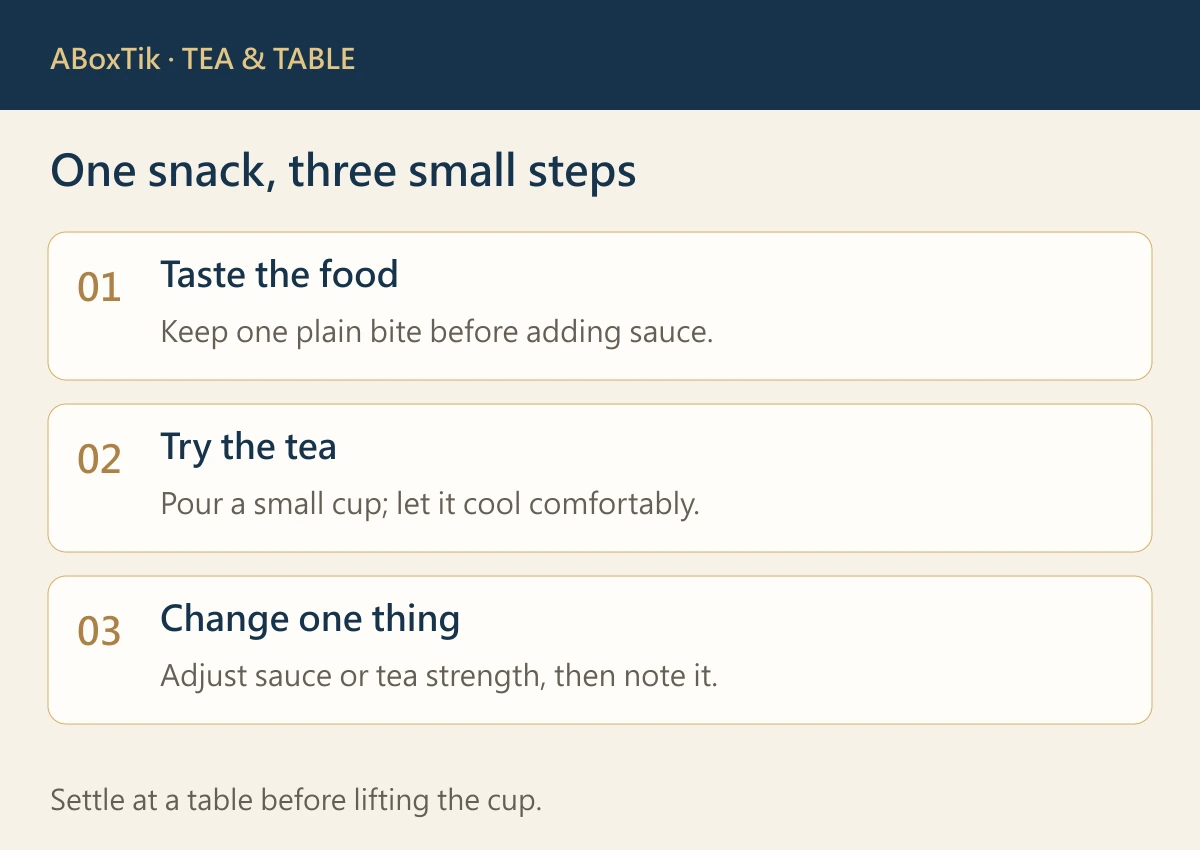
- First round: keep the tea fixed. Compare similar bites with less and more sauce.
- Second round: keep the food fixed. Use similarly sauced bites to compare two tea directions.
- Write one observation. Note which food aroma remained clear, then choose just one adjustment for next time.
Separate tea leaves from the finished liquor, or remove the tea bag, so the brew does not keep changing during the comparison. Qingshan Festival tea pairing becomes easier to repeat when each round asks a small, clear question. Familiar cups work well. The gaiwan and teapot guide can help with vessel choice; the whole-leaf tea-bag guide covers a simple cup-based option. Begin with packet instructions and consult the oolong water-temperature guide when needed.
When a pairing feels heavy or faint, turn one dial
If bitterness dominates, shorten the next infusion while leaving the other brewing conditions unchanged. If a comfortably brewed tea becomes hard to notice beside the snack, try a smaller bite first. For a later brew, adjust either leaf quantity or time. Small changes make it easier to understand what actually helped.
For a roasted starting point, ABoxTik Tongding Oolong is described with brown-sugar and chestnut-candy notes. For a floral comparison, Green Jade Oolong lists delicate jasmine notes. Prepare each according to its own instructions and taste it alone before bringing it to the plate.
What if there is only one tea at home?
Use it for the less-sauce and more-sauce round, or compare two snacks while keeping the brew fixed. More tea packets are not required for a useful first tasting. The Taiwan tea starter guide can help choose another flavour when there is a reason to explore further.
Enjoy the snack walk, then make room for tea at home
Freshly served food has its own pleasure. At the festival, follow the visit’s pace and enjoy the company; a detailed comparison can wait for a settled table. At home, use small servings, let hot tea reach a comfortable drinking temperature and give both cups stable places to return to.
With friends, invite each person to choose the flavour they would like to try again. One may enjoy the roasted direction while another prefers a floral cup. Keep a single sentence with the tea name and food seasoning; the next meal can start from that note without repeating the whole exercise.
Leave the next cup a useful clue
Qingshan Festival tea pairing can be a gentle entry into Taiwanese tea with street food: notice the sauce, keep one plain bite and adjust one condition at a time. The festival dates pass, but the method can stay with the next takeaway dinner. A favourite cup is often found through a small comparison at an ordinary table.
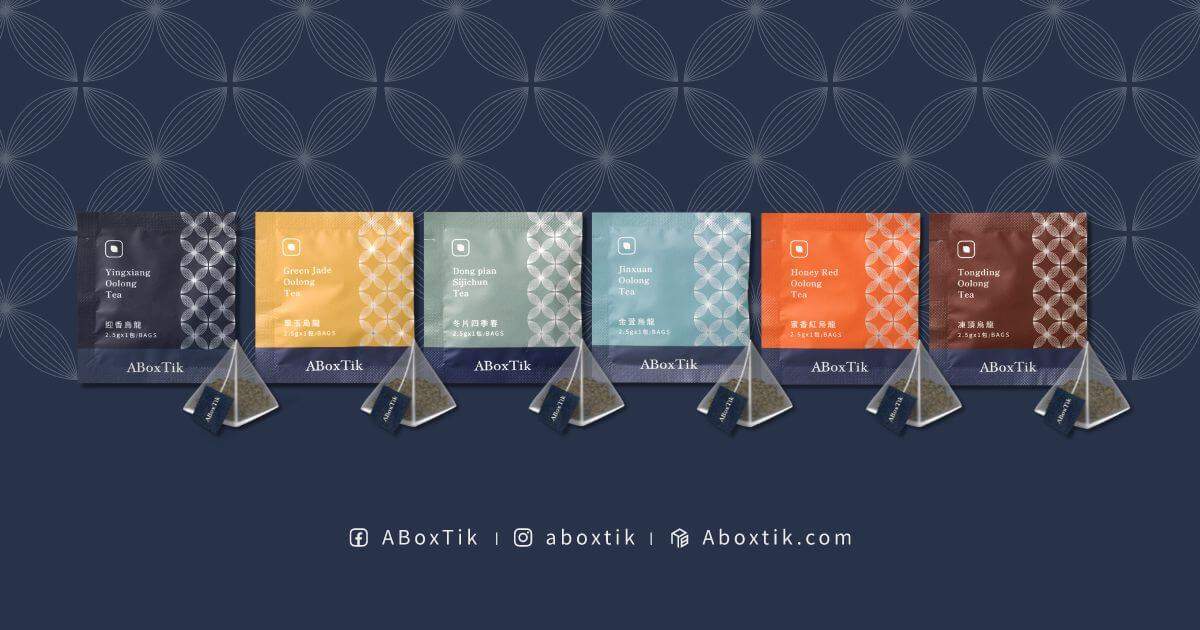
Once the plates are cleared, there is time to browse premium tea gifts, read another article or explore the latest boutique selections. The next snack may arrive with plenty of sauce; the tea plan can stay pleasantly simple.