
Tea Knowledge
Clay Teapot Care: First Use, Daily Cleaning and Changing Teas
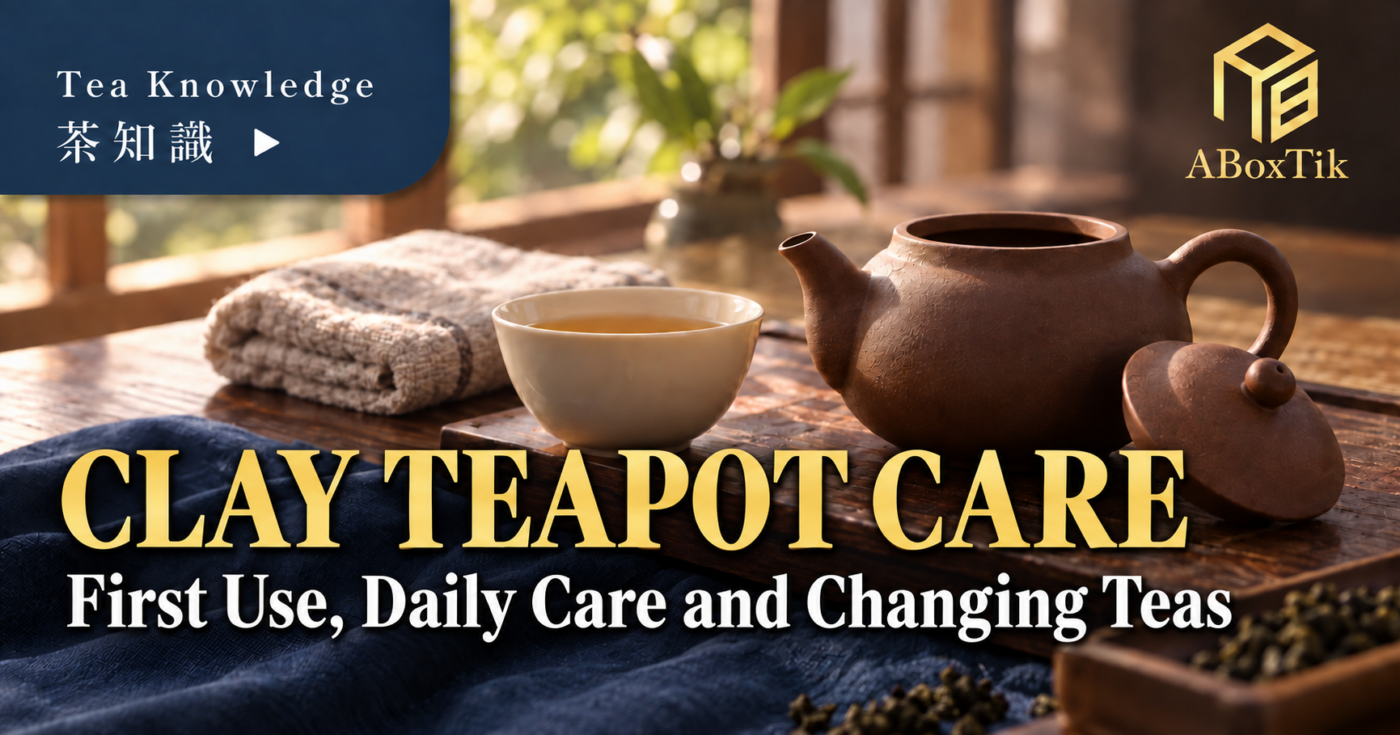
A teapot holds today’s tea and a little time together. Afterwards, give it a clean, airy place to rest. The next cup can begin afresh: caring for an object need not become another demanding task on the list.
Clay teapot care starts with the surface touching the tea. Some unglazed pots may retain earlier tea aromas; a pot with a fully glazed interior needs a different approach. Follow the maker’s first-use instructions, remove leaves after drinking, rinse gently and dry with the lid off. Whether to dedicate a pot to one tea style depends on its condition and everyday use. There is no need to buy a shelf of pots before the first cup.
Clay teapot care: why the inner surface matters
Té Company’s care guide describes how unglazed clay can retain tea aromas. That does not tell us how much every pot will retain: clay, firing and surface treatment vary. A glazed exterior also does not establish that the inside is fully glazed. Check the description, the inner walls and the lid, then ask the maker if anything is unclear.
Two useful questions are: “Is the tea-contact surface glazed?” and “How should I clean it before first use?” They tell us more than a rustic colour or a rough texture. For context, explore Taiwanese ceramic craft and the teapot material guide, then return to the instructions for the actual piece.
| Tea-contact surface | Care starting point | Changing teas |
|---|---|---|
| Unglazed clay | Gentle maker-approved rinsing, no scented cleaners, thorough drying | If an earlier aroma is noticeable, keep to a similar style for now |
| Fully glazed ceramic or porcelain | Clean according to the glaze, fittings and maker’s instructions | A practical option for variety, once clean and free of unwanted smells |
| Unclear interior or finish | Ask about cleaning and heat limits | Hold off on prolonged soaking, boiling or improvised treatments |
Aroma retention is not a guarantee of better tea. Capacity, leaf quantity, water temperature and pouring time matter too. If variety is the priority, brewing in porcelain and our gaiwan versus teapot comparison offer other starting points.
First use: a clean beginning, without a boiling ritual
“Opening” or seasoning a pot can sound like a ceremony with many compulsory steps. Begin with cleaning. Native & Co’s instructions for its unglazed pots start with several water rinses; other makers may specify a different process. A method for one product is not a universal recipe for every clay pot.
- Read the instructions. Check suitable water temperatures, whether soaking is allowed and any limits affecting the lid, handle or decorative parts.
- Separate the lid and body. Rinse gently with suitable water, reaching the interior, spout and filter holes without scraping or knocking pieces together.
- Let everything dry. Rest the parts separately in a stable, airy place before the first brewing session.
If boiling is not explicitly suitable, keep the pot out of the saucepan. Skip tofu, sugar and other food-based “earthy smell” remedies too. Avoid abrupt hot-to-cold changes, such as putting a heated pot straight into cold water. The kettle can have a job without giving the entire kitchen an assignment.
If a strong, unpleasant smell remains after cleaning and drying, ask the maker before brewing. Strong tea should not be used to cover it up. Once care instructions are clear, move on to our teapot brewing guide.
After tea: remove leaves, rinse gently, dry fully
The most useful routine happens at the end of the session. Remove wet leaves rather than leaving them until tomorrow, rinse the body and lid, and check the spout and filter holes. If fine leaves are trapped, use a soft tool suitable for the piece; do not poke or scrape the holes with a sharp object.
For unglazed clay, Té Company and TangPin advise avoiding soap and drying with the lid off. Fully glazed ware can follow its own appropriate cleaning instructions, including a suitable cleanser where allowed, rinsed away thoroughly. Advice for an unglazed pot should not become a rule against ordinary cleaning for all teaware.
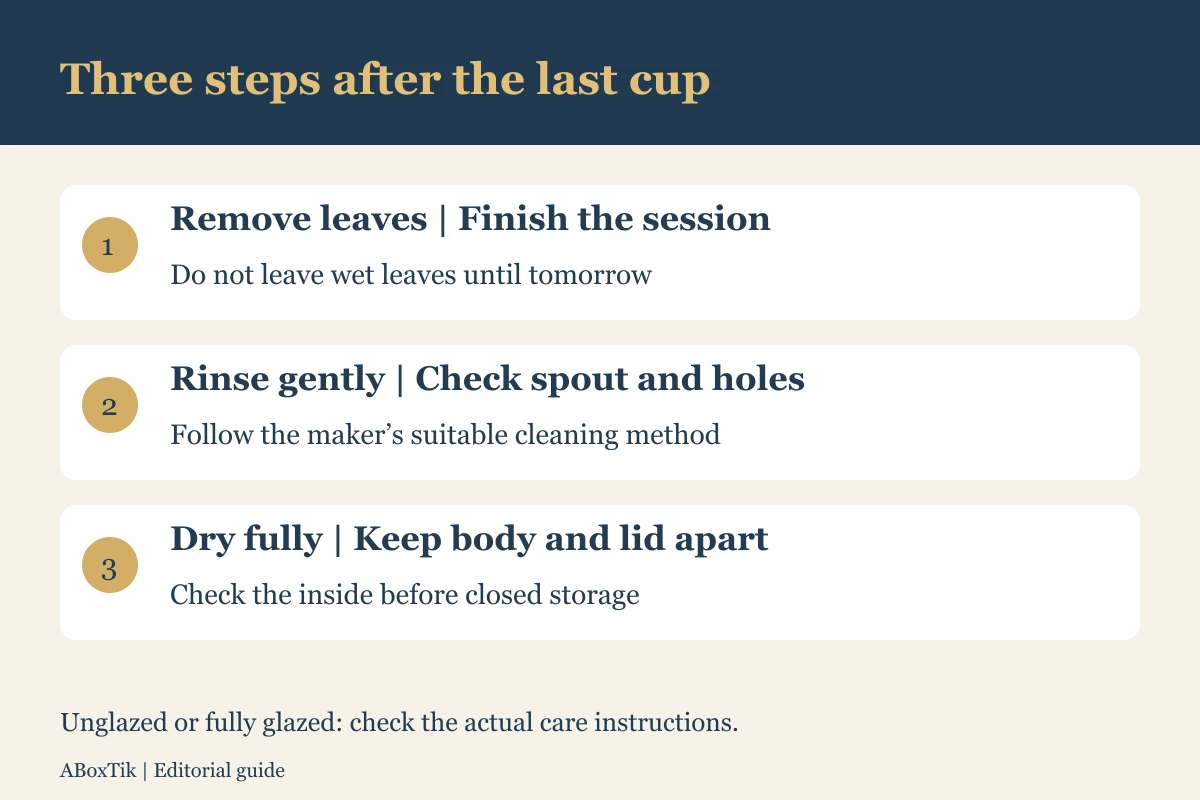
Keep the lid off while drying. A dry exterior does not mean the inside and spout are ready for a closed storage box. Before putting the pot away, check that all parts have dried and choose a dry place away from fragrance and cooking smells. A regular drying spot makes this easier to remember than a long list of seasoning rules.
Keep tea separately sealed and dry; the tea storage guide covers that side of the routine. Our everyday tea-table guide can help arrange a convenient clearing-up route.
One pot, one tea? Start with styles, not a shopping list
Dedicating an unglazed pot to a style is one practical option. If it has a noticeable earlier aroma and the next tea is quite different, keeping its role consistent removes one variable. If the teas are similar and the cleaned pot has no obvious lingering smell, decide according to actual use. A new region on the tea label need not mean a new pot on the shelf.
“Will the pot object if we change teas?” “Let’s ask our noses before our wallets.” For everyday organisation, try grouping lighter teas, roasted teas and teas with added flavourings. This is a household planning suggestion, not an official tea classification. Added-flavour teas can start in easy-clean ware; naturally floral oolong should not be mistaken for a flavoured tea simply because it smells of flowers.
Explore roasted tea aromas and oolong oxidation and processing to understand the distinctions. A Taiwanese tea starter selection is another way to discover preferences before assigning each vessel a permanent role.
Changing tea: a small observation before a full session
Clean and dry the pot using its suitable method, then smell the interior. During a warm-water rinse within the pot’s heat limits, notice whether a previous tea aroma is apparent. This is a household observation: an absent smell does not establish that nothing remains, and a noticeable smell may also come from leaves, cleanser or the storage environment.
Next, try a small amount of a familiar new tea. For a clearer reference, brew another fresh portion from the same batch in clean, fully glazed ware, keeping leaf-to-water proportions and brewing conditions comparable. Note actual capacity and pouring speed. If the cups differ, check strength and timing before attributing everything to aroma retention.
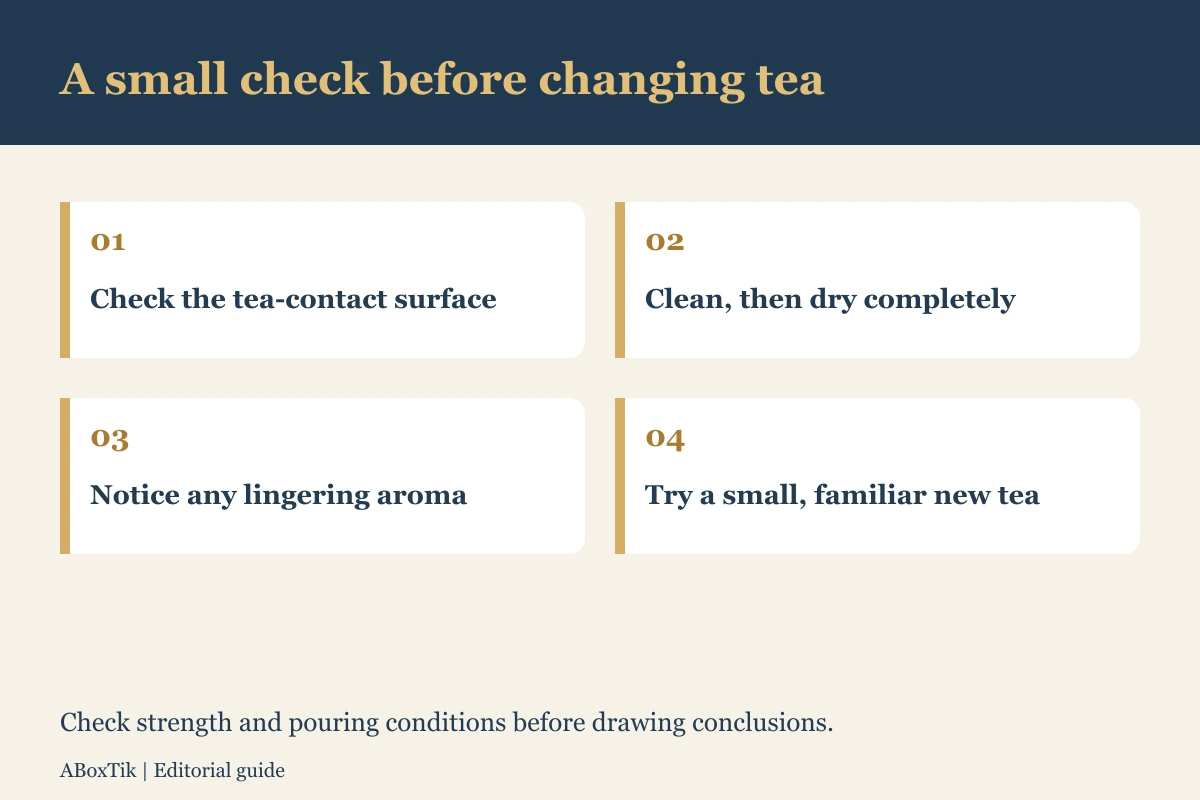
If the earlier aroma is prominent, keep this pot with its familiar style and use another vessel for the new tea. With an unusual persistent smell, prolonged damp storage or visible mould, stop using it and ask the maker about appropriate handling. Do not improvise stronger chemicals or a boiling treatment.
Seasoning questions: buildup, soap and a single pot
Does a thicker layer of tea residue mean better seasoning?
Deliberately retaining leaves or accumulating residue should not be the goal. Changes in appearance and good cleaning are separate matters. Keep removing leaves, rinsing and drying; preserve the finish through maker-approved gentle care rather than polishing it aggressively.
What if I accidentally used a cleanser?
Pause brewing, rinse according to the instructions and ask the maker what to do next. Do not mask a remaining smell with tea, mix cleaning products or assume boiling will resolve it.
Can I enjoy different teas with only one pot?
Check the interior and its cleaning needs, then use the changing-tea observations above. For frequent aroma comparisons, fully glazed brewing ware may be easier to organise. The beginner’s gaiwan guide offers another approach. The aim is to make everyday tea manageable.
Follow ABoxTik: care for the pot, and take time to know the tea.
Make room for Taiwanese tea, without making care a burden
Know the inside, finish the cleaning and decide what the next cup needs: that is a useful foundation for clay teapot care. Explore Taiwanese tea’s places and craft and the ABoxTik story at your own pace.
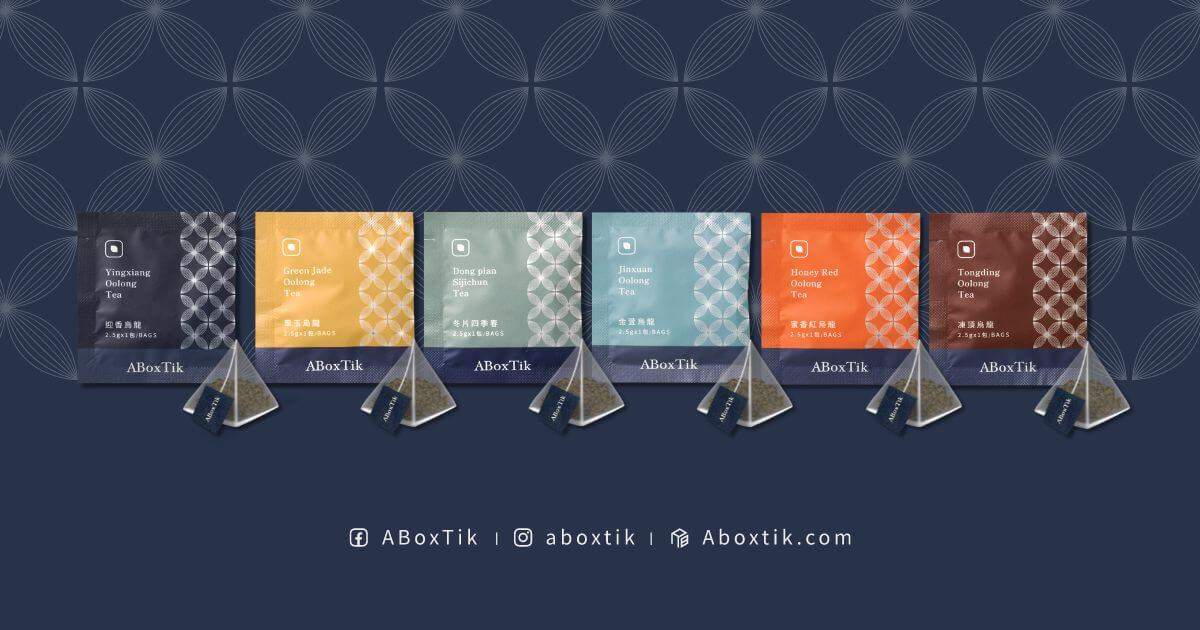
For fresh floral notes, ABoxTik’s Yingxiang Oolong tea bags offer an orchid direction; for roasted notes, consider the brown-sugar character of Dong Ding Oolong tea bags. Follow each tea bag’s brewing instructions and use a suitable cup. For a friend, ask whether they prefer lighter or roasted tea before choosing a four-selection classic Taiwanese tea gift box. A short, practical care note can be a thoughtful companion to the gift.
Related recommendations
- Teapot material guide: understand the tea-contact surface.
- Brewing in porcelain: another option for frequent tea changes.
- Classic Taiwanese tea gift box: choose tea bags around a friend’s preferences.