
Tea Knowledge
Roasted Tea Aromas: A Gentle Guide to Rice, Nuts and Caramel
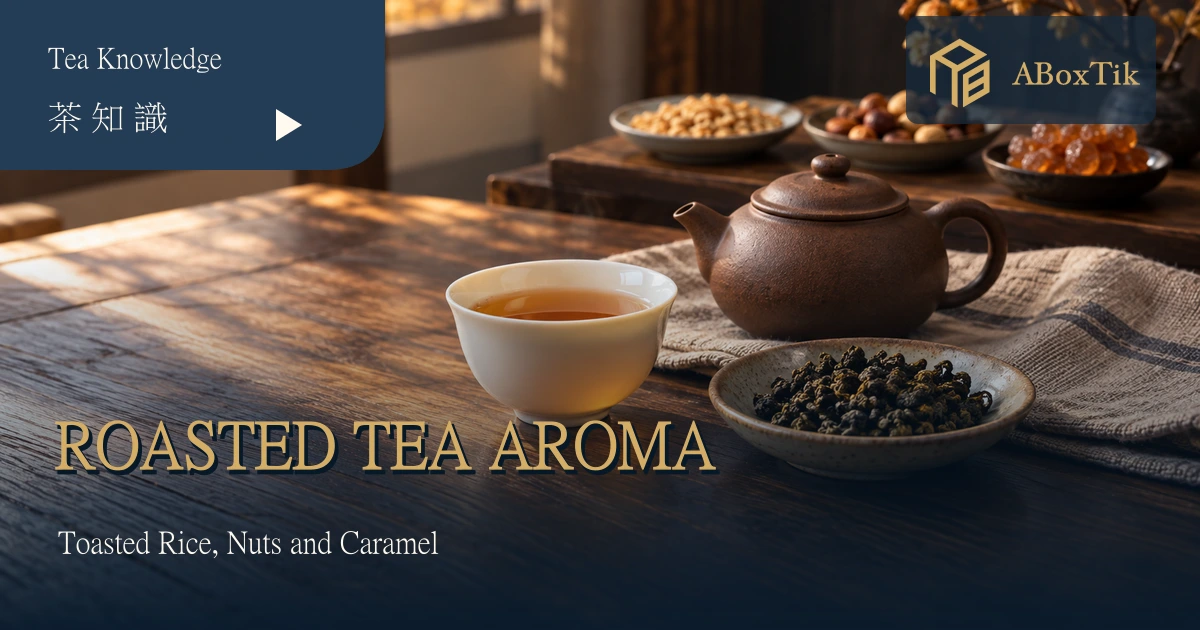
A little warmth rises from the cup: perhaps toasted grain, perhaps a familiar roasted nut. Keep that first clear impression, and let the finer details find their names in their own time.
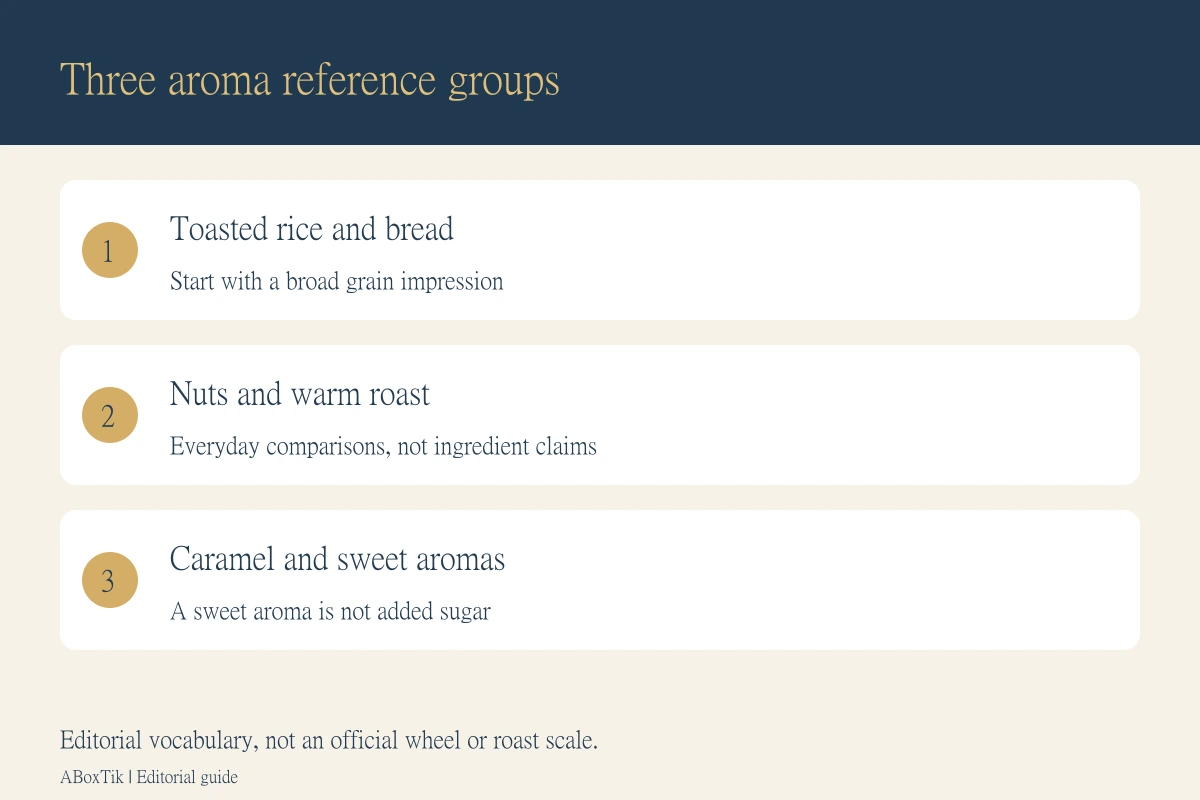
Roasted tea aroma can be described through three everyday reference groups: toasted rice and bread, nuts and warm roast, and caramel-like sweetness. These are useful comparisons, not ingredient claims or a fixed light-to-dark roast scale. Start with the clearest impression, then notice whether it remains as the tea cools. That is already a worthwhile tasting note.
If a cup feels warmly aromatic but no specific food comes to mind, “toasted grain” is enough. A short, confident note is more useful than a long list borrowed from a product description. For the broader background, see our guide to tea aroma and taste. Here, the focus is finding comfortable words for the roast-related impressions actually noticed.
What does roasted tea aroma describe?
Roasting is a heat-treatment stage in tea production. Finished tea may suggest toasted grain, nuts or warm, sweet aromas, but cultivar, earlier processing, storage and brewing also shape the result. One caramel-like impression cannot reconstruct a maker’s entire process. Our guides to oolong oxidation and tea fixation help keep those stages distinct.
The Ministry of Agriculture’s tea flavor introduction explains how a flavor wheel moves from basic impressions toward more complex descriptions. The three groups below are our editorial practice vocabulary, not a reproduction of an official wheel or a quality ranking. Their purpose is to make a conversation about tea more precise.
One person may think of toast while another thinks of toasted rice. Begin with the shared grain-like impression rather than insisting on one correct name. Everyday food memories differ. Adding where and when an aroma appeared helps make those differences understandable.
Three reference groups: grain, nuts and caramel
| Direction | Everyday comparisons | What to record |
|---|---|---|
| Toasted grain | Toasted rice, toast, roasted cereal | Does it suggest dry grain or a bread crust? Stay with the broader group if unsure. |
| Nuts and warm roast | Roasted peanut, walnut, toasted nuts | Describe the aroma separately from an oily texture; a nut reference is not an ingredient finding. |
| Warm sweet aromas | Caramel, sugar coating, sweet roast | Smell first, then sip. A sweet-smelling cup can still taste lightly sweet, bitter or astringent. |
Several groups can overlap in one cup, or only one may be apparent. Tea does not have to pass through them in a predictable roasting sequence. Leave a box empty when it does not fit. If floral or fruit impressions are also clear, record them separately; our floral aroma guide and honey versus fruit aroma guide offer another set of references.
A small reference exercise before returning to tea
Choose a little plain toasted rice or bread, a familiar roasted nut, and a food that recalls caramel. Keep them in separate dishes. Use whatever is already available and easy to recognize; collecting a complete set or eating the references is unnecessary. One piece of toast can be a perfectly useful starting point.
- Smell one reference and describe its broad grain, nut or sweet direction.
- Move the food away from the tasting area and let its smell clear before returning to the tea.
- Ask whether the tea has a related broad impression; add a specific food name only when confident.
- When the tea is comfortably cool enough, sip and record aroma separately from sweetness, bitterness and astringency.
The food awakens a memory; adding it to the tea would change the drink rather than verify a descriptor. For a fuller sequence, follow our dry, warm and cooled aroma guide. Our tea-making steps cover the basic setup. Keep the exercise small enough that it remains enjoyable.
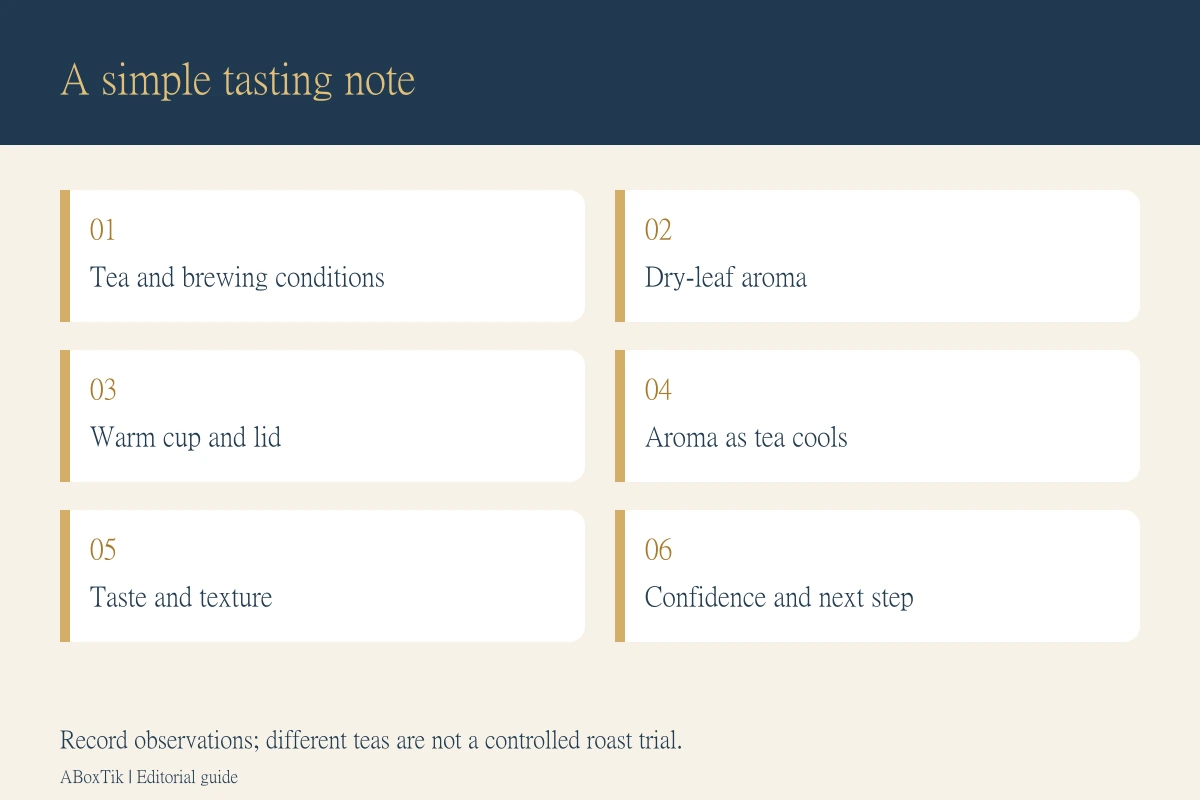
Keep six simple fields as the cup cools
The Ministry of Agriculture’s tea flavor introduction distinguishes aroma, taste and mouthfeel. For the practice below, clear surrounding smells and record equipment and brewing conditions so these observations remain comparable. A home note need not reproduce competition procedures. A method that can be repeated is enough for comparing one session with another.
| Field | A helpful entry |
|---|---|
| Tea and brewing conditions | Package name, leaf amount, water volume, temperature, time and cup. |
| Dry-leaf aroma | A broad group and its strength; only what was actually noticed. |
| Warm cup and lid | Which impression appears first, and how clear it feels. |
| Aroma as tea cools | Whether it lasts, fades, becomes sweeter-smelling or changes direction. |
| Taste and texture | Sweetness, bitterness, astringency and body, recorded separately from scent. |
| Confidence and next step | Clear, possible or unnamed; one brewing adjustment for another session. |
A writing example might be: “Warm cup: toasted grain, possibly rice. Cooler cup: faint sweet aroma. Taste: slightly astringent.” This illustrates a note, not a test result for any product. Replace every detail with the actual observation. If the cup is too concentrated, shorten the next infusion; our brewing guide offers a starting point.
Three distinctions that make tasting easier
Caramel aroma does not establish added sugar or a sweet taste. Describe scent and taste separately. Ingredient and flavoring information belongs in product labeling; a quick smell cannot authenticate a formulation.
A roast impression need not be harsh. If the cup seems only acrid or unpleasantly bitter, check the empty cup and surrounding smells, then try a shorter infusion within the package guidance at another session. “It is heavily roasted” does not invalidate discomfort. If storage or condition is questionable, stop tasting and check the source. See our tea storage guide.
Dark liquor is not a roast meter or a quality score. Tea type, processing and brewing also affect color. Consider aroma, balance and source information together. Our light versus roasted tea guide helps with style selection; this article helps describe what follows in the cup.
Compare two teas without turning preference into rank
One tea described in a roasted direction and one in a floral direction can support a small tasting. Use the same water and similar cups, follow the relevant package instructions, and record both recipes. If choosing identical conditions for comparison, note that they may not suit both teas equally well.
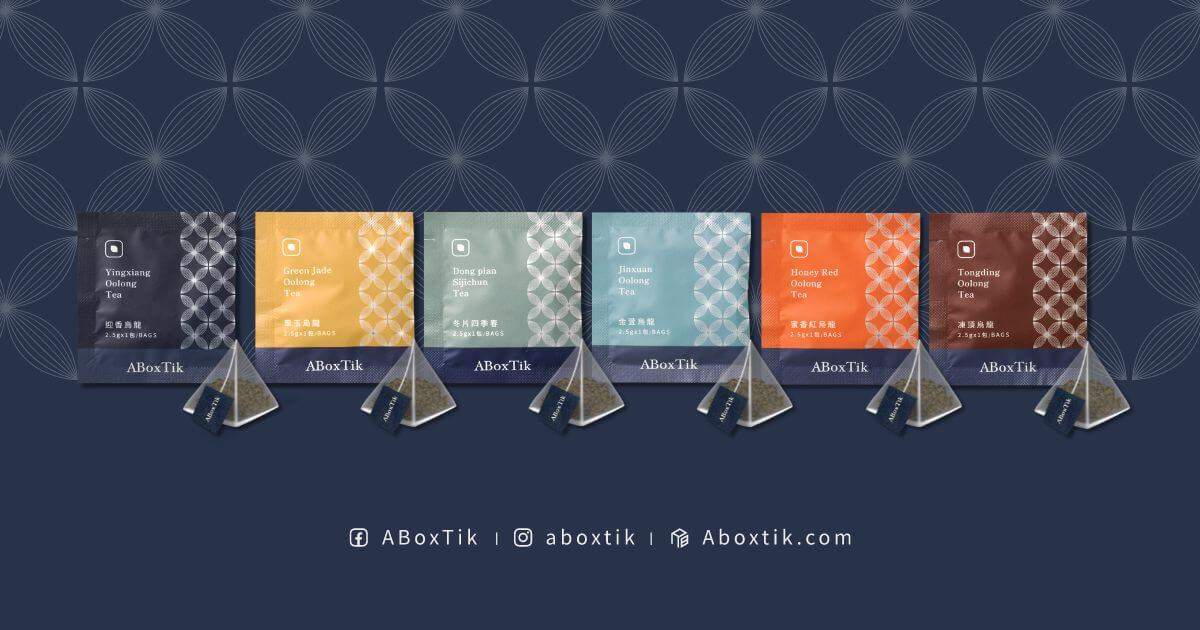
Dongding oolong is an entry point for reading a roast-oriented product description; Green Jade oolong offers a floral comparison to explore. Check current batch descriptions and specifications. These are different teas, not a controlled experiment in which only roasting changes.
If a Classic Taiwan tea gift set is already at hand, begin with two selections. “More grain-like here, more floral there” is a useful result. Our Cuiyu cultivar guide explains why a cultivar name cannot guarantee one finished flavor.
Give a favorite warm aroma a name
A roasted tea aroma note does not need to grow longer every time. Choose one confident word and add its temperature or location. Read the note to a tea companion and notice whether the description makes sense to them. If it needs clarification, “clearer in the warm cup, softer as it cooled” can help more than another list of food names. Familiar, specific language keeps the conversation useful.
At ABoxTik, understanding a cup is part of sharing it. From Taiwan’s tea landscapes and craft to a small cup at home, the most helpful reference is still a clearly noticed, enjoyable impression. Let the vocabulary support that moment.
Related recommendations
- Tea aroma smelling guide: establish a repeatable observation sequence.
- Light and roasted tea guide: choose the next direction through preference.
- Dongding oolong details: read the current description, then begin with a small cup.
Sources
- Ministry of Agriculture: tea flavor and food culture (accessed 2026-10-04)