
Tea Knowledge
Dong Ding Oolong for Beginners: Flavour and First-Brew Decisions
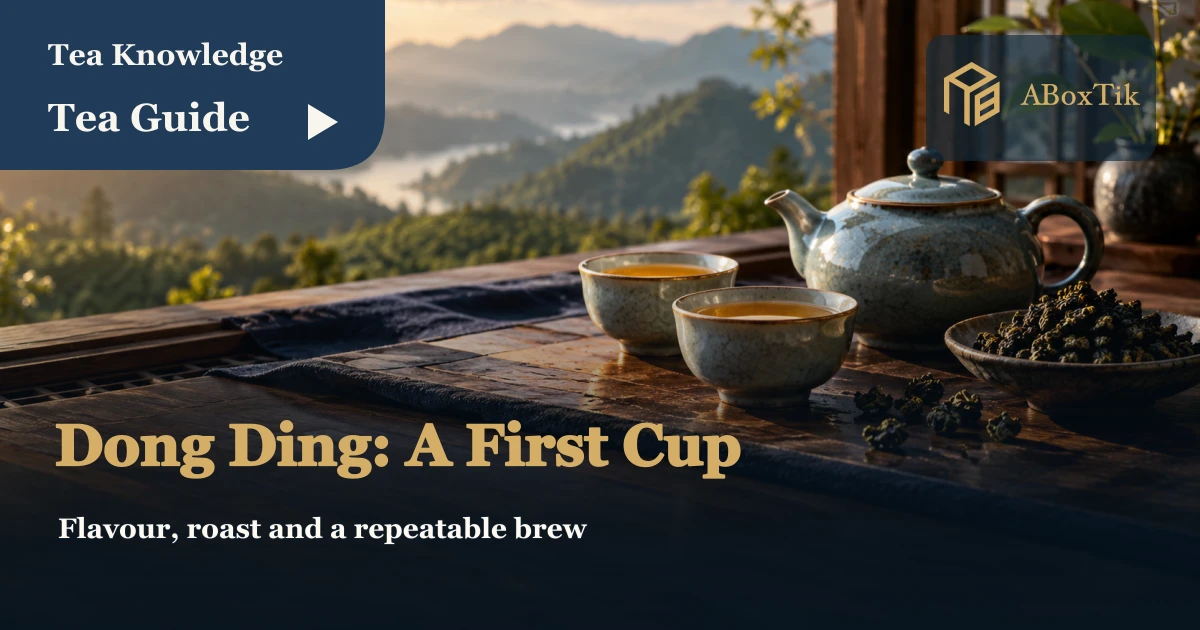
Meeting Dong Ding does not require a tea examination. Give the cup, the available time and personal taste a place at the table; one useful observation can guide the next infusion.
Dong Ding oolong for beginners can be a welcoming first oolong because a cup may hold gentle sweetness, warmth from roasting, and room for adjustment. Start with a packet or product page that tells you the tea name, origin or sourcing information, roast direction, storage advice, and brewing guidance. A tea that makes you want to pour another cup tomorrow is already doing useful work.
Dong Ding oolong for beginners: start with the occasion
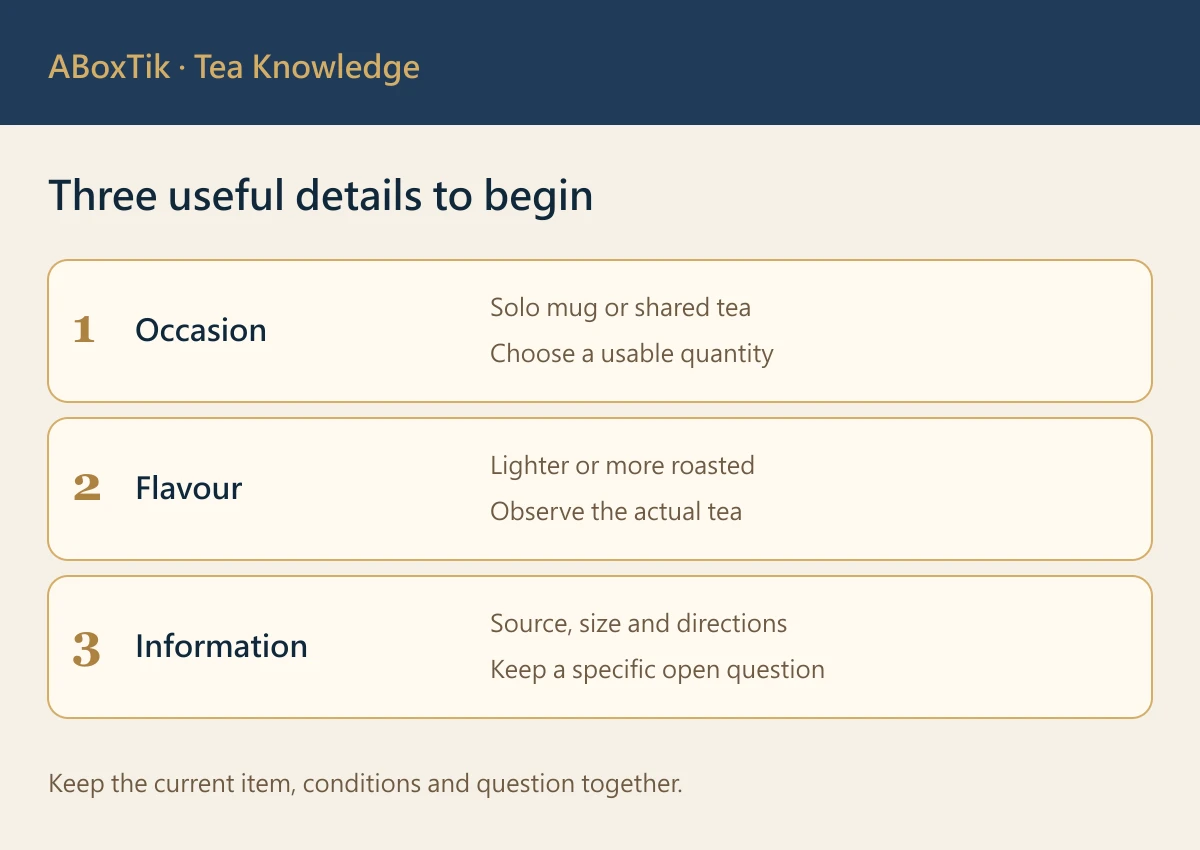
Reduce the choice to three questions: do you want a bright or warmer direction today; are you brewing alone or sharing; and does the seller give enough information to guide a second infusion? That is more helpful than treating “authentic” as an exam. Dong Ding oolong background Lugu and Dong Ding context oolong tea introduction oolong water temperature
Picture a specific occasion: a mug before work, tea for two after dinner, or a slower weekend pot. The occasion determines the useful quantity, attention and washing involved. It does not require a complete matching tea set. Start with a suitable vessel that allows the leaves to be separated from the liquid. A small amount that gets used is often a better introduction than ordering every roast level at once. The tea table can open quietly without an equipment-launch ceremony.
Separate place, material and making
Dong Ding is closely connected with Lugu tea culture and is a place-and-style reference, not a promise of one cultivar. Season, leaf material, handling and roasting can differ among teas carrying the name. Read the regional story with interest, but do not ask it to replace facts about the packet in front of you. A separate article covers Lugu’s regional history and craft; this article is a purchase and first-cup decision guide.
Make a small card with four fields: where it grew, what leaf information is supplied, how it was made, and how to brew it. Leave an unknown field blank. A blank is an excellent question for a seller, not a tasting failure. tea steeping time aroma observation light and roasted styles tea roasting
Lugu Township Office connects Dong Ding with local tea making and roasting. That offers context, while the actual product still needs its own description. If a seller says only traditional, ask whether that refers to style, roasting or origin. A narrower question produces an answer that can guide a brew. Keep regional background and the packet’s particulars in separate fields, rather than filling an unspecified batch history from a general place story.
Choose a flavour direction with a small comparison
If you enjoy lift, florals and a lighter impression, begin with a lightly roasted or fresh-style description. If toasted grain, nuts or warmer sweetness appeal, look for a more explicit roast direction. These are invitations, not guarantees: aroma changes with water, concentration and cup temperature, and liquor color alone cannot measure roast or quality.
Read the full product description, especially batch details, storage and suggested brewing. Pick two or three words you can recognize rather than collecting every adjective online. Tea does not remove points for an unfinished vocabulary. Taiwan tea regions tea storage Dong Ding oolong product details classic four-box tea selection
Try a small shopping exercise. Select one descriptor from each of two products and write, for example, “A: explore toasted grain; B: explore flowers.” Taste them in separate, manageable sessions. Familiar references such as toast can help identify what appeals, without predicting the finished tea. Likewise, a preference for flowers can guide the search toward lighter descriptions. Neither preference is a higher qualification in tea; it simply gives the next purchase a reason.
Adjust the first brew one variable at a time
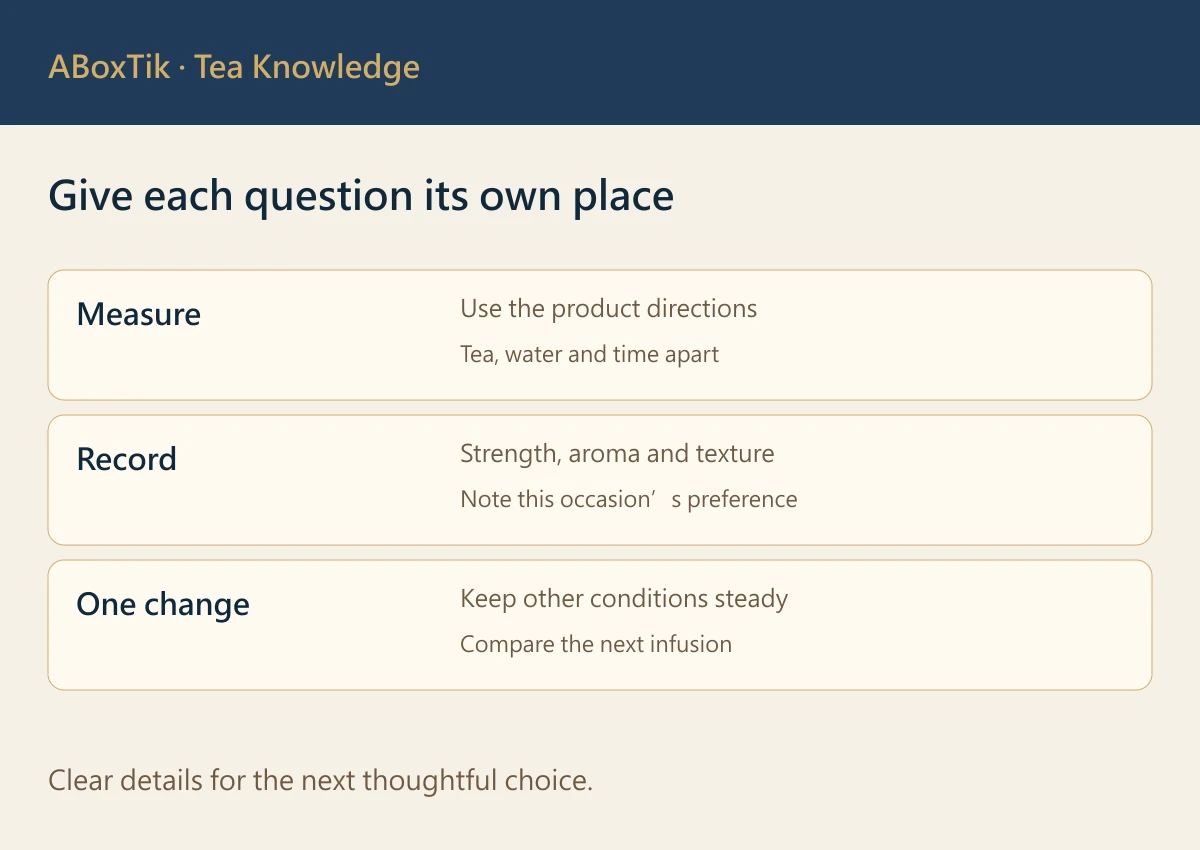
Use the supplied leaf amount and water guidance as a starting point, set a timer, and record one clear result: too strong, too light, too astringent, or comfortable. For the next round, change one variable only. Shorten the time, reduce the leaf, or adjust temperature; changing all three at once lets the useful answer disappear into the pot.
Keep dry-leaf, warm-cup and cooled-aroma notes separate from taste and texture. A toasted impression is not an ingredient finding, and slight astringency is often a cue to review concentration before judging the tea.
If the first cup is too concentrated, retain tea, water and vessel and shorten the next steep. If it seems weak, check that the intended leaf and water quantities were measured and that the leaves contacted the water before deciding what to change. Drain completely rather than leaving the tea steeping while blaming temperature for every difference. A five-field log—dose, water, duration, result and one change—is enough. Fill it from the product’s starting guidance instead of imposing one universal timing.
Compare for an occasion rather than a ranking
When two teas are available, use the same water volume and similar cups, while following each tea’s own reasonable guidance. Note aroma, taste, texture and finish separately. Comparison is not a contest: “I would rather drink this after breakfast” is a valid result. With friends, ask whether the cup feels more like morning or late afternoon; preference often speaks clearly when it is given ordinary language.
For a mixed set, check the current contents and descriptions first. Different teas can differ in leaf material and processing as well as roast. Slow comparison is more useful than a winner’s podium.
There are two useful comparisons. To choose a comfortable everyday drink, prepare each tea according to its own directions and note preference. To explore one variable, hold the others steady and describe the limits of that particular comparison. Do not turn the two exercises into a single quality ranking. It can be enough to discover which tea suits a solo mug and which invites sharing after a meal. Give the preference an occasion rather than a trophy.
A thoughtful buying and beginner-gift checklist
Before ordering, confirm the tea name and size, the available origin or source information, flavor direction, brewing and storage guidance, and whether the format suits the occasion. When the tea arrives, keep it sealed away from heat and strong odors and write down the opening date. If the condition seems unusual, stop and ask the seller.
Continue with the regional story when place is your question, or with water temperature and time when the first brew is your question. The cup does not need to pass an oral examination; it only needs a comfortable place on your table.
Not enjoying a roasted direction is information, not a failure to understand tea. Try a less concentrated brew, choose a lighter direction, or reserve the tea for an occasion that suits it. For a beginner gift, include readable directions and ask about the recipient’s usual cup and drinking routine. “You will learn eventually” is less helpful than one practical next step. A clear first-brew plan gives rolled leaves a friendly introduction without making the recipient feel examined.
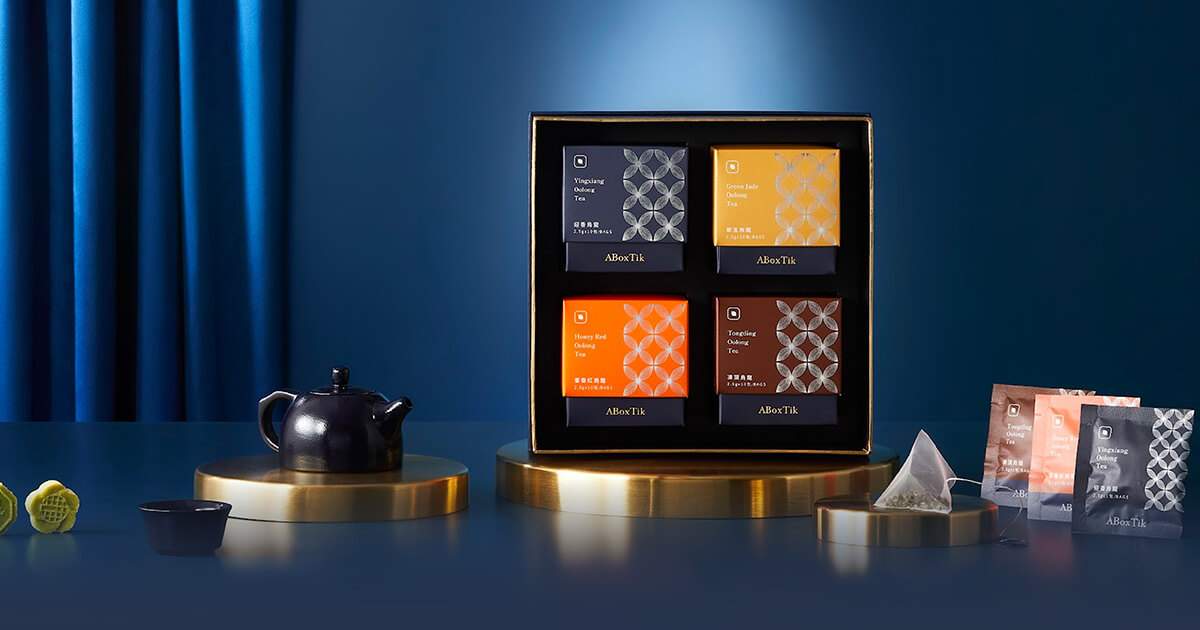
Follow a box of tea: a small clear question for the next cup.
Follow a box of tea into everyday life
A first cup that invites another is more useful than immediately copying a professional tasting session. Read the product, measure tea and water, and keep one adjustment for next time. For a convenient format, consult the actual choices in the two-box tea gift.
ABoxTik hopes tea can find a practical place in everyday life. Dong Ding may be an introduction or one stop on a broader map. Begin with available time and personal preference, then explore Taiwanese tea origins and craft at an enjoyable pace. A first purchase does not need to define a lifetime of taste.
Related reading
- Dong Ding oolong background: tea and processing background.
- oolong water temperature: plan the next brew.
- aroma observation: keep a clearer note.
Sources
- Lugu Township Office: Dong Ding oolong tea
- Tea and Beverage Research Station: specialty tea flavour descriptions
Sources checked 16 October 2026.