
Tea Knowledge
Compostable Tea Bags: How to Check Materials and Green Claims
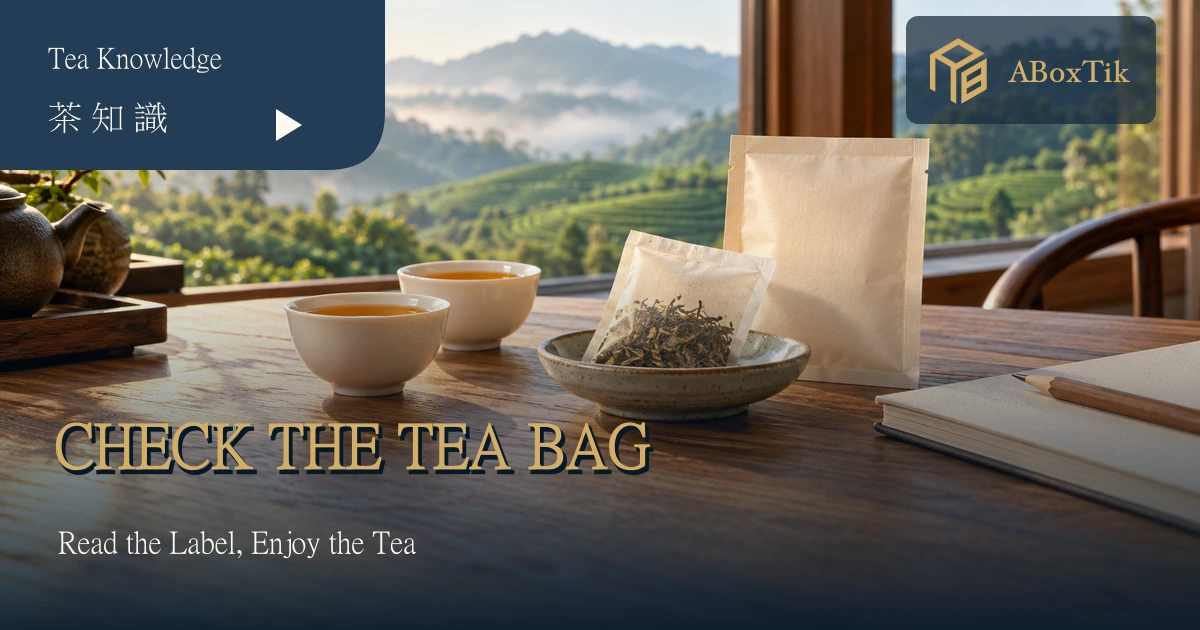
“Where does this little bag go after the tea?”
“Let’s read the label before booking its next stop.”
A thoughtful cup leaves room for conversation—and for the small print.
Compostable tea bags require four checks: the bag’s materials, the conditions claimed, the components covered by evidence, and whether a local service accepts that product. Plant-based does not automatically mean compostable; commercial compostability does not establish home compostability. Acceptance of tea leaves as food waste does not automatically extend to the bag. Keep the packaging and ask when information is missing.
It is reasonable to want a convenient cup and a clearer environmental choice. The abbreviations need not become a test before breakfast. This guide covers environmental claims and disposal, while our pyramid tea bag comparison covers shape and leaf space, and the whole-leaf tea bag guide covers what goes inside. Keeping these questions separate makes the answers more useful.
Compostable tea bags: three terms that answer different questions
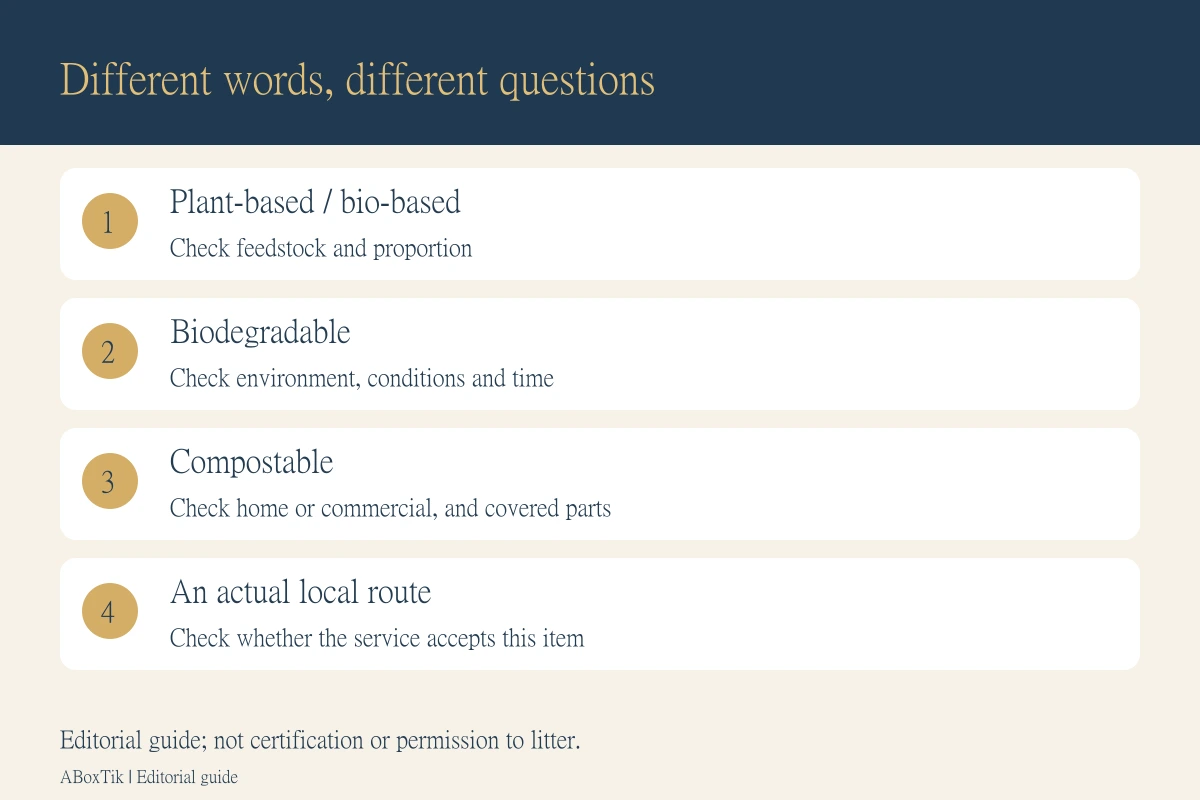
The European Commission’s materials explanation separates raw-material origin from breakdown conditions. Bio-based plastic is not necessarily biodegradable; biodegradable plastic may come from biological or fossil resources. The following distinctions help read a claim, without certifying any product.
| Label wording | What it addresses | What to ask next |
|---|---|---|
| Plant-based / bio-based | Some or all raw materials come from biological resources. | Which component and proportion? This alone does not establish compostability. |
| Biodegradable | Biological breakdown under particular conditions. | Which environment, conditions and timeframe? It is not permission to litter. |
| Compostable | A claim for a specified composting environment and its requirements. | Commercial or home? Which parts are covered, and who accepts them locally? |
Several terms may apply together, but one cannot stand in for another. Knowing where an ingredient starts is different from knowing where the finished bag can go. Similarly, Taiwanese tea’s origins and craft explain the leaves, rather than the filter’s disposal route.
PLA, paper and fibre: start with the material name
PLA usually means polylactic acid, a plastic material. European Bioplastics’ materials page lists it among bio-based, biodegradable materials. That classification does not prove that every finished PLA product is home compostable. Formulation, thickness and components still need product-specific evidence. Three letters are not instructions to bury it in a flowerpot.
“Paper,” “fibre” and “corn-derived” also leave questions open. Does the description cover the filter, seam, string, tag or individual wrapper? Are adhesives or other components included in the supporting evidence? Transparency, softness and a triangular shape cannot identify a material. The kitchen magnifying glass does not need a sudden promotion to laboratory director.
Brewing and disposal are separate checks. Compostability certification does not replace food-contact, temperature or brewing instructions, nor does it alone establish “plastic-free” or “zero particles.” Our tea bag microplastics guide explains a different evidence question. Check the product’s food-contact and temperature instructions when brewing.
Commercial or home: read the certification’s scope
BPI’s current certification page distinguishes Commercial Only from Commercial & Home. The first concerns commercial compost facilities; the second also covers properly managed home compost bins. Operating and testing conditions differ. If a pack says only “compostable,” look for the full designation before assuming a backyard route.
Check the certifier, product or model, certificate identification and current status, as well as the covered components. Evidence for a raw material or filter should not silently become evidence for the string, wrapper or whole gift box. If a record cannot be located, ask for a matching document; an unsuccessful search alone is not proof of deception.
Food-contact information, organic tea certification, origin traceability and compostability each answer their own question. The tea traceability guide and organic and traceability comparison help keep those boundaries clear. A precise explanation is easier to pass on with a gift.
Turn a green claim into four answerable questions
The US FTC’s Green Guides summary cautions against broad environmental-benefit claims and calls for evidence and qualifications for compostability. We use this as a US marketing reference, rather than Taiwanese law or a ruling on an individual seller.
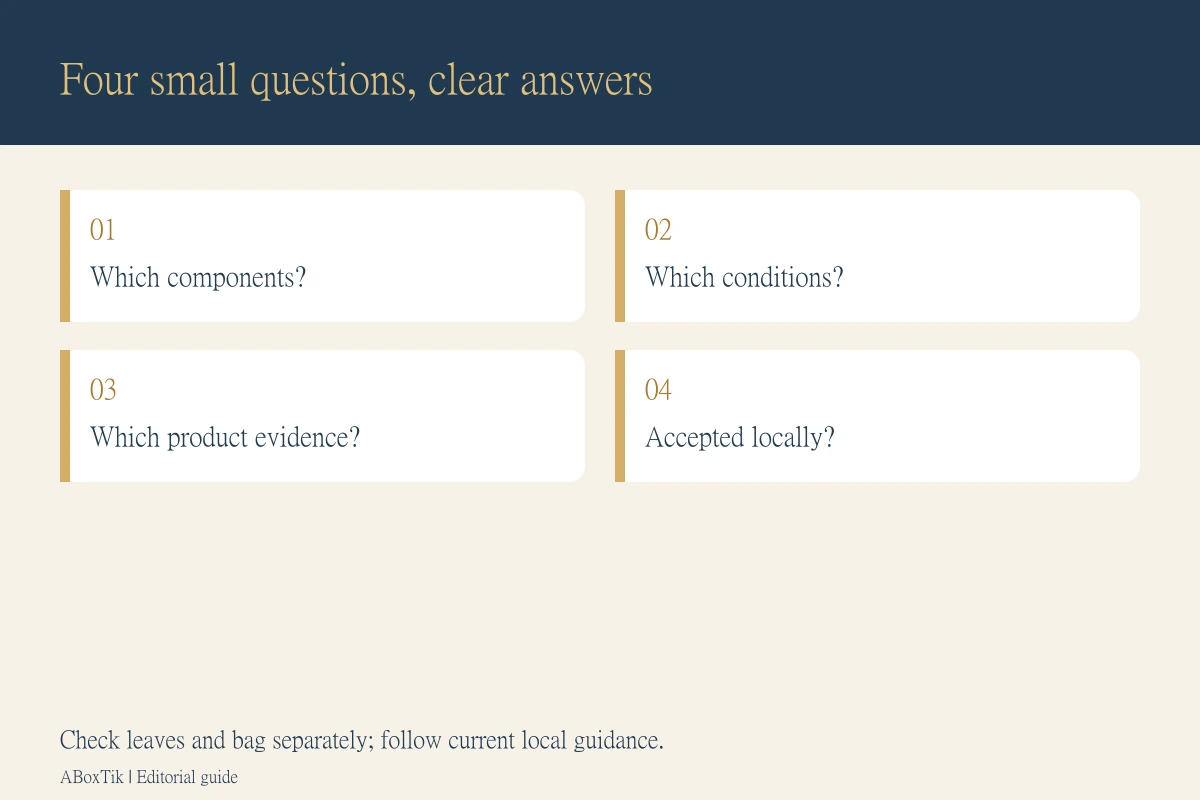
- Which component is described? Record filter, string, tag and wrapper separately instead of letting “packaging” blur them together.
- Under which conditions? Identify commercial or home composting and the product instructions. Leave an unexplained claim in the “to confirm” column.
- Which evidence matches this item? Ask for the certifier, model and covered parts, rather than only a picture of a seal.
- Is there an actual local route? Ask the collector or processor whether it accepts this particular type of item. Certification cannot guarantee collection.
A friendly enquiry can be specific: “Hello, could you confirm the filter, seam, string and tag materials? Which components does the compostability claim cover? Is it for commercial or home conditions, and can you share matching product evidence and disposal guidance?”
When comparing costs, the premium tea value guide offers another perspective. Clear information helps a decision; an extra green word does not tell us how much more a tea is worth.
After brewing, consider leaves and bag separately
Taiwan’s Ministry of Environment food-waste page includes tea residues and directs readers to local rules. That does not establish acceptance of a whole tea bag. In Taiwan, confirm whether the filter, string and tag must be removed. Elsewhere, check the relevant local service rather than transferring Taiwanese instructions.
If a product has only commercial composting information and no local service accepts it, do not improvise a home-compost or conventional plastic-recycling route. Ask the waste authority or processor for sorting instructions. A flowerpot, river or roadside is not an alternative collection service: “biodegradable” does not come with a littering pass.
Home-compostable products still need suitable management and their own instructions. A bag looking softer or breaking into pieces after a few days does not demonstrate complete biodegradation. Where a matching route is unavailable, following local guidance is more useful than guessing a bin to prove good intentions.
Choose and give tea with clear, modest information
Use three columns: confirmed information, unanswered questions and local acceptance. If one pack says PLA, record that material name and leave the other fields open. If another provides whole-bag home-compost evidence, check the matching item and required conditions. A blank is neither a promise nor an automatic accusation.
Imagine this small exchange: “I found a tea I think you’ll enjoy; I’m still checking where the bag goes.” “Good plan. We can enjoy the conversation while the paperwork catches up.” The tea gift selection guide helps with the recipient’s habits; access to a real disposal route matters more than another leaf illustration on the box.
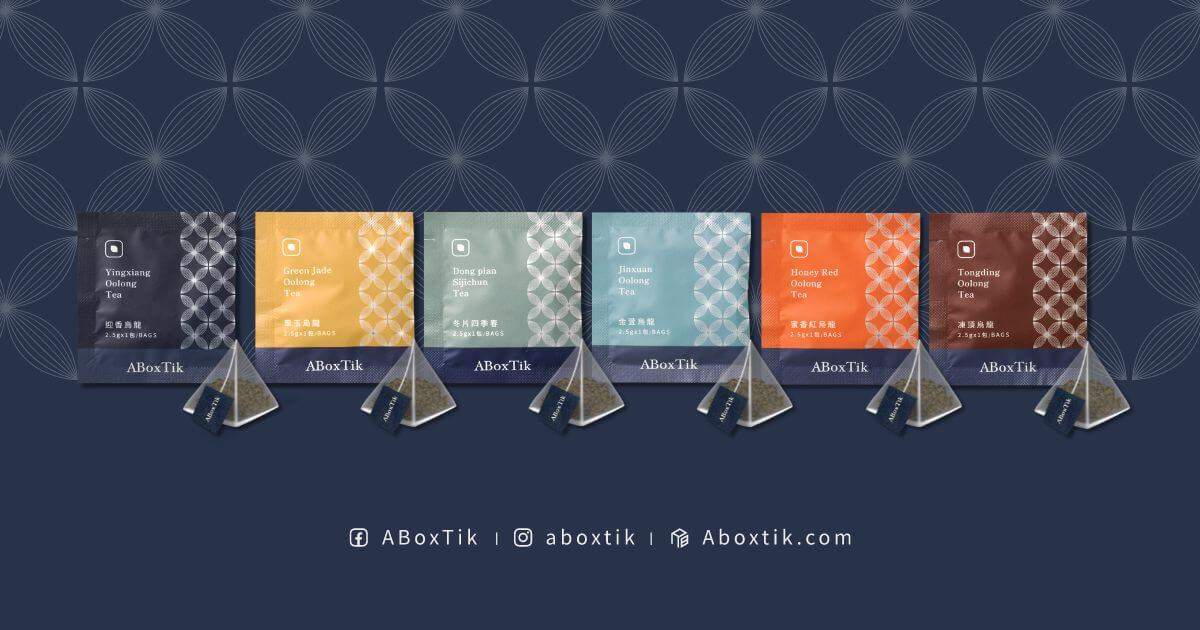
Start with the teas that suit your daily routine, such as ABoxTik’s classic Taiwanese tea assortment or Yingxiang oolong. Find a tea you enjoy, then take a moment to read the packaging for its materials and disposal instructions. Small, thoughtful steps can fit comfortably around a good cup.
For everyday use, follow the selected product and the steeping-time guide, and care for the remaining tea with our storage guide. For loose leaves, reusable teaware and brewing basics offer another practical route.
Follow ABoxTik: a clearer next cup
Compostable tea bags deserve clear questions, without turning tea into homework. Confirm one material today and one document next time. A small question with a reliable answer is progress. If you would like to ask ABoxTik about a product, bring its name and a photograph of the label so the conversation starts with the same information.
Related recommendations
- Classic Taiwanese tea bag assortment: choose for drinking habits; confirm filter and disposal information separately.
- Whole-leaf tea bag guide: separate leaf quality from filter claims.
- Tea bag materials and particle research: understand another evidence boundary.
Sources
- European Commission: bio-based, biodegradable and compostable plastics
- European Bioplastics: materials (industry association)
- BPI: commercial and home certification
- US FTC: Green Guides summary
- Taiwan Ministry of Environment: food-waste sorting; consult current local rules
Reviewed: 2026-10-04.