
Tea Knowledge
Red Oolong vs Roasted Oolong: Choosing a Warm-Flavoured Tea
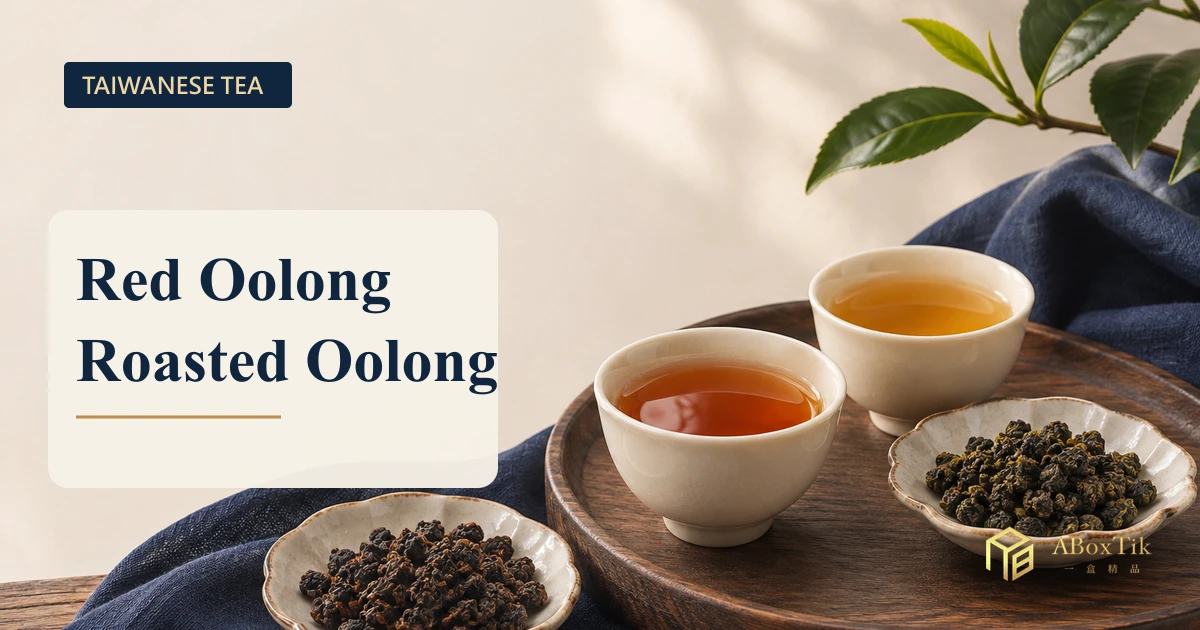
Red oolong and roasted oolong are not completely opposing categories. Red oolong has a processing background combining characteristics of black and oolong tea, and can also show roast notes. Roasted oolong emphasises a heat-treatment and flavour direction. Choose between actual products by asking which aromas and textures are wanted, rather than reconstructing the entire process from the cup’s colour.
If toasted grain, sugar-like notes or ripe-fruit associations appeal, either route can be worth exploring. “Which is heavier?” is only a beginning. A more useful decision identifies the aroma to retain, the preferred body of the cup and the preparation that fits an ordinary day. This editorial guide provides separate reading lines and product examples, not new tasting scores.
Start with the overlap
The Tea and Beverage Research Station describes red oolong as a distinctive tea developed by combining processing characteristics of black and oolong tea. It is not simply a mixture of two finished teas. Its production also includes drying and roasting treatments. A product description containing both red oolong and roast therefore need not contradict itself.
Roast is not a separate tea cultivar. Oolongs made from different materials and processing approaches can receive roast treatments, with the resulting intensity and character depending on the tea. The Taiwanese tea selection guide gives the larger map. The red-oolong processing article follows the production stages; the task here is deciding between products for use at home.
Read oxidation and roasting on separate lines
What is commonly called fermentation in these teas often concerns enzymatic oxidation in the leaf. Roasting describes another heat-treatment context. A higher oxidation description does not automatically mean a stronger roast, and a darker liquor is not a complete roasting record. Look for the processing direction, then the roast and flavour information, before deciding what question remains.
If a seller provides a percentage, ask what it describes rather than assuming every brand measures it on one universal scale. For a practical purchase, useful answers may be simpler: does the tea lean towards ripe fruit or toasted grain, how should it be brewed, and how should the opened pack be kept? Production vocabulary becomes helpful when it leads to a manageable cup.
| Term | Read it as | Ask next |
|---|---|---|
| Red oolong | A distinctive processing style | Material, source and batch description |
| Medium, heavy or aromatic roast | The brand’s treatment and style description | Main roast notes and preparation |
| Ripe fruit, caramel or toasted rice | Sensory associations | Ingredients, batch and preference |
| Amber-red or golden liquor | An appearance observation | Strength and actual brewing conditions |
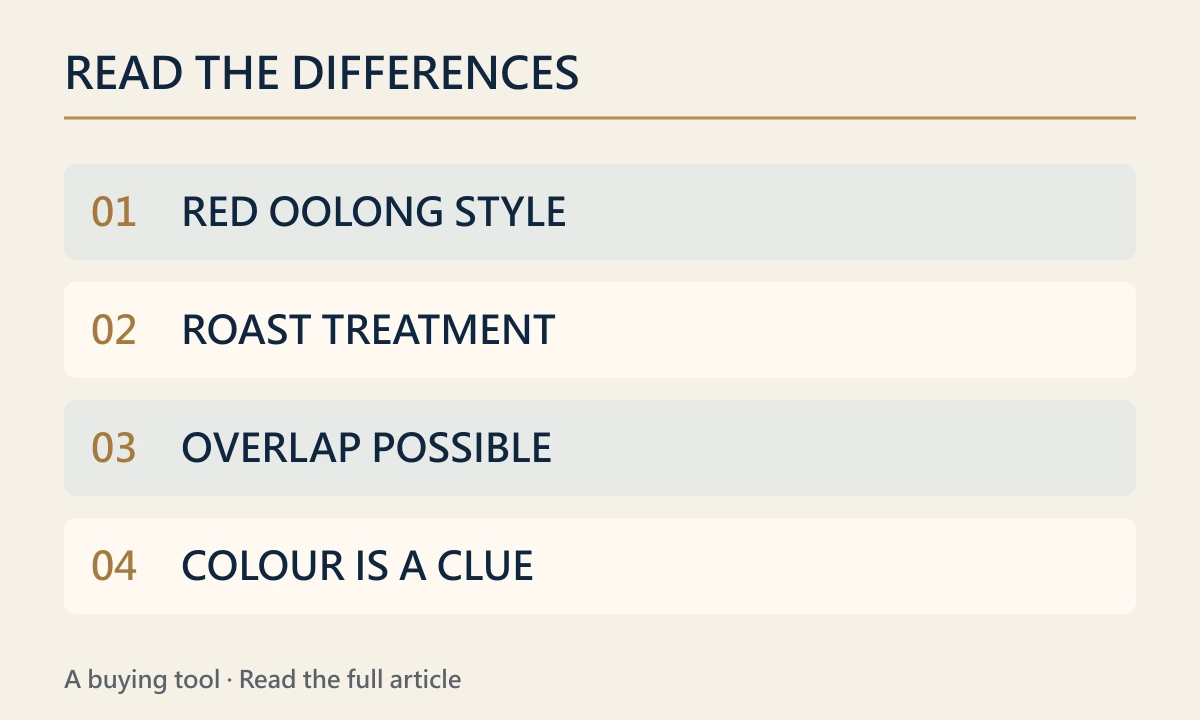
Give fruit, roast and texture different columns
Use one aroma column for ripe-fruit directions: mature fruit, dried-fruit or honeyed associations. Use another for toasted directions: grain, nuts or sugar-like roast notes. Leave a box empty when that impression is absent. A tea can occupy both columns; forcing it into a single box can lose exactly the detail that would help the next purchase.
Keep strength, body, astringency and the finish in a third column. A warm-smelling tea need not be heavily concentrated, and a sweet aroma does not mean sugar was added. Ingredients belong to the label, while the personal note belongs to the cup. This distinction is particularly useful for someone who enjoys roast aromas but does not want an overly strong drink.
Prepare small plain servings according to the individual instructions and return after slight cooling. If an unpleasant scorched or bitter impression dominates, check preparation and product condition instead of feeling obliged to praise it as sophistication. An ordinary preference such as “I would drink this again” or “I would like another direction” can be the most useful result.
Two ABoxTik examples show how descriptions can differ
ABoxTik’s classic-range product descriptions present its honey-aroma red oolong through honey, caramel-like and ripe-fruit directions. Its Dong Ding oolong is described with medium oxidation, medium roast and brown-sugar-like aromatic notes. Reading these two descriptions side by side provides a starting direction to explore on the individual product pages.
For a ripe-fruit starting point, read the particular red-oolong description; for toasted sugar notes, read the particular Dong Ding description. Both may contain sweet aromatic language, so the final choice still needs the individual product and a usable method. The ABoxTik six-tea comparison supplies the wider range. Confirm current contents, format and brewing guidance when opening the selected product page.
A comparison tea does not have to be Dong Ding to use these columns. Write its full product name rather than letting one example stand for all roasted oolong. Specific notes also make it easier to ask for a similar style when the original batch is no longer available.
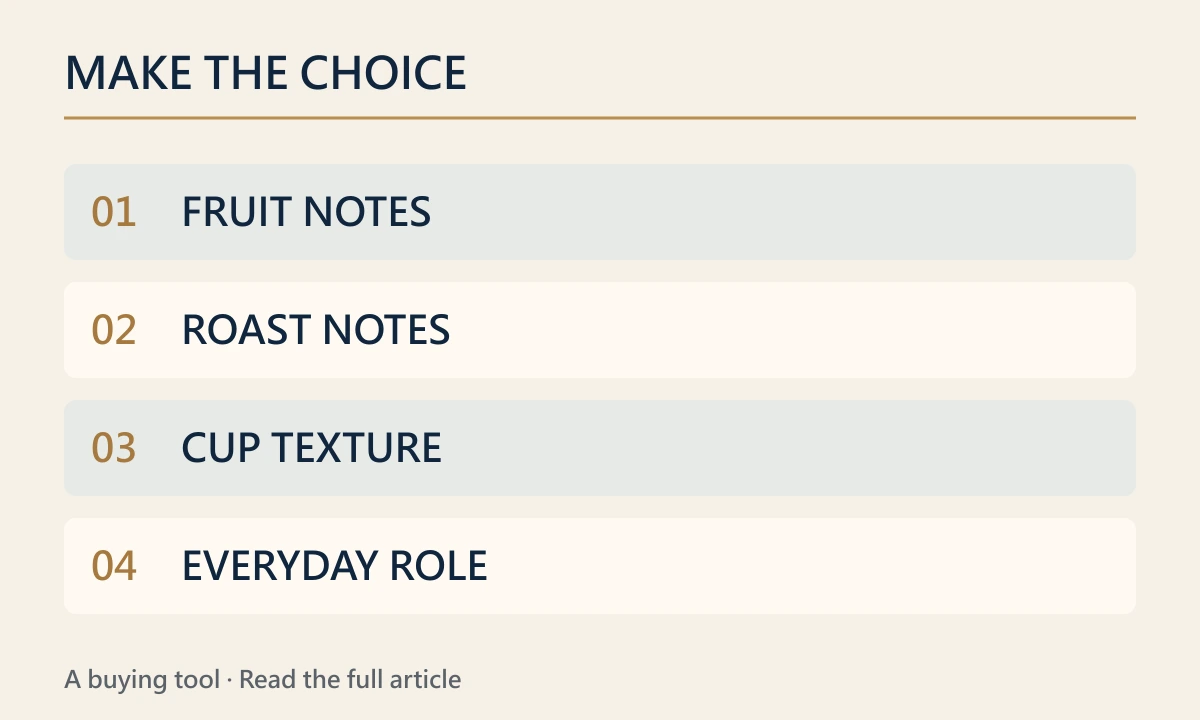
Choose an everyday role rather than one pot for everyone
At a desk, begin with a format that is easy to time and remove. During a conversation after a meal, serve smaller cups and separate the liquor rather than leaving tea to steep indefinitely. With a snack, taste the plain tea first and then notice whether the food covers its aroma. Record the occasion beside the method so the preferred arrangement is easy to repeat.
If two people enjoy different directions, keep one ripe-fruit option and one toasted option, with the tea names and methods written down. Check the actual total quantity before buying a set; two desired styles do not require more open tea than the household will use. For a gift, confirm the recipient’s vessel so that the instructions are useful after unboxing.
The ABoxTik Taiwanese tea and gift selection provides formats, and the lighter and roasted tea guide opens another comparison route. Knowing only that an overly strong cup is unwanted is already a useful preference. State that clearly, then explore the aromatic direction at a comfortable pace.
Common questions about red and roasted oolong
Is red oolong simply heavily roasted oolong?
Do not treat them as synonyms. Red oolong has its own processing background, while roast describes another treatment and flavour dimension. The descriptions can overlap.
Does darker tea always mean a heavier roast?
No such conclusion follows from colour alone. Material, processing and the concentration of the current infusion also matter. Read the product information before interpreting the cup.
If I dislike scorched flavours, must I choose only light tea?
No. Roasted teas can be described in different aromatic directions. Start with a clearly explained product close to the desired style and prepare a small amount before deciding.
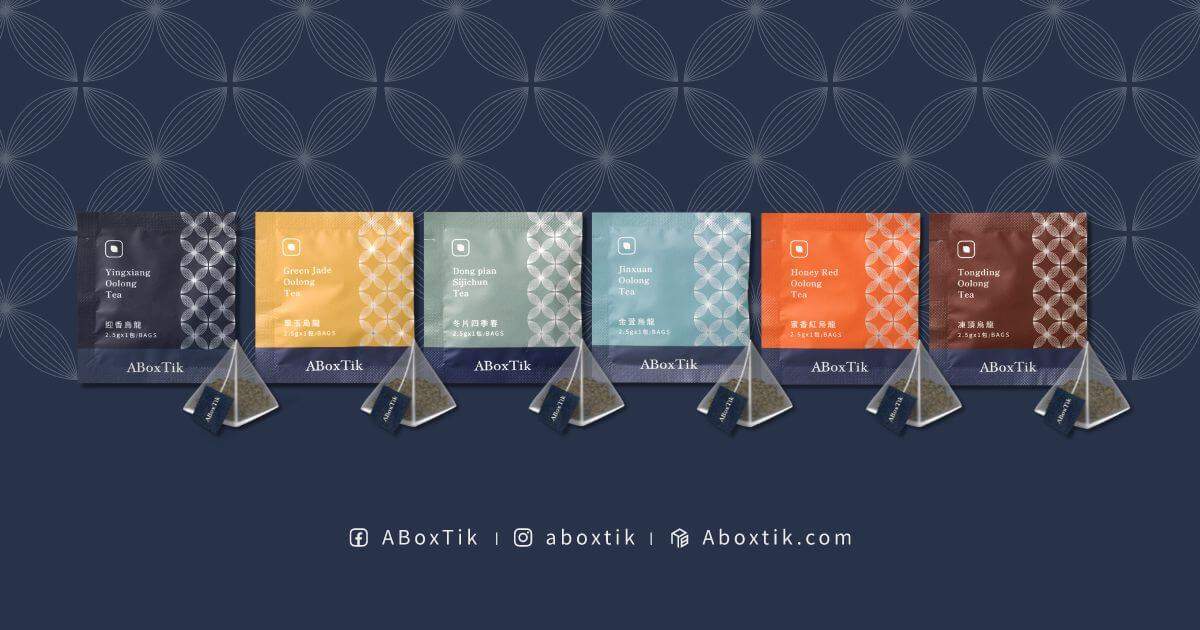
Fruit and roast can share the table without asking the teapot to take sides. Tea gifts, further reading and the latest selections below keep the conversation going.
Sources
- Tea and Beverage Research Station: Red Oolong
- Ministry of Agriculture: Red Oolong
- ABoxTik: Classic Taiwanese Tea Collection
Sources reviewed 17 November 2026. Methods and fictional calculations are editorial tools; product details follow the current listing.