
Tea Knowledge
Double Ninth Tea Gifts: Familiar Flavours and Easy Brewing
An autumn gift can begin with a familiar cup and a little time to listen. Clear instructions help the tea find its way into everyday life; sharing the first brew gives that practical care a warmer beginning.
Double Ninth tea gifts work best when they suit an older relative’s existing tastes and brewing tools. Check that the packaging is manageable, the instructions are readable and the amount is useful. A measured tea bag may suit a favourite mug; an established tea routine deserves respect. In 2026, the festival falls on 18 October. Arrange the actual delivery or visit separately.
Choosing tea for a parent, grandparent or older friend can feel uncertain, especially when the intention is thoughtful but their preferences are only partly known. Asking how they make their usual cup is a gentle place to begin. Our general tea gift guide covers the wider selection process. This article concentrates on an autumn family visit, ease of use and a simple written brewing card.
Double Ninth tea gifts begin with a conversation
Taiwan’s Ministry of Agriculture food education platform describes Double Ninth, or Chongyang, as a traditional occasion for honouring elders on the ninth day of the ninth lunar month. Tea is one possible way to share time together. There is no need to turn it into a compulsory gift ritual, and a meal or a conversation may be more welcome for someone who does not drink tea.
Ask about a familiar tea, preferred aroma, usual strength and the cup or pot used at home. Age alone does not tell us whether someone likes a floral oolong, a warm roasted character or a particular brewing method. A regular tea drinker may appreciate a familiar style with one optional new flavour, rather than a large assortment chosen for novelty. The birthday tea gift guide offers a related perspective.
A small question such as “Would you like the same tea again, or something different?” makes room for an honest answer. If the answer is “not just now,” it is useful information. The gift does not need to persuade its recipient to take up a new habit.
Ease of brewing has four practical parts
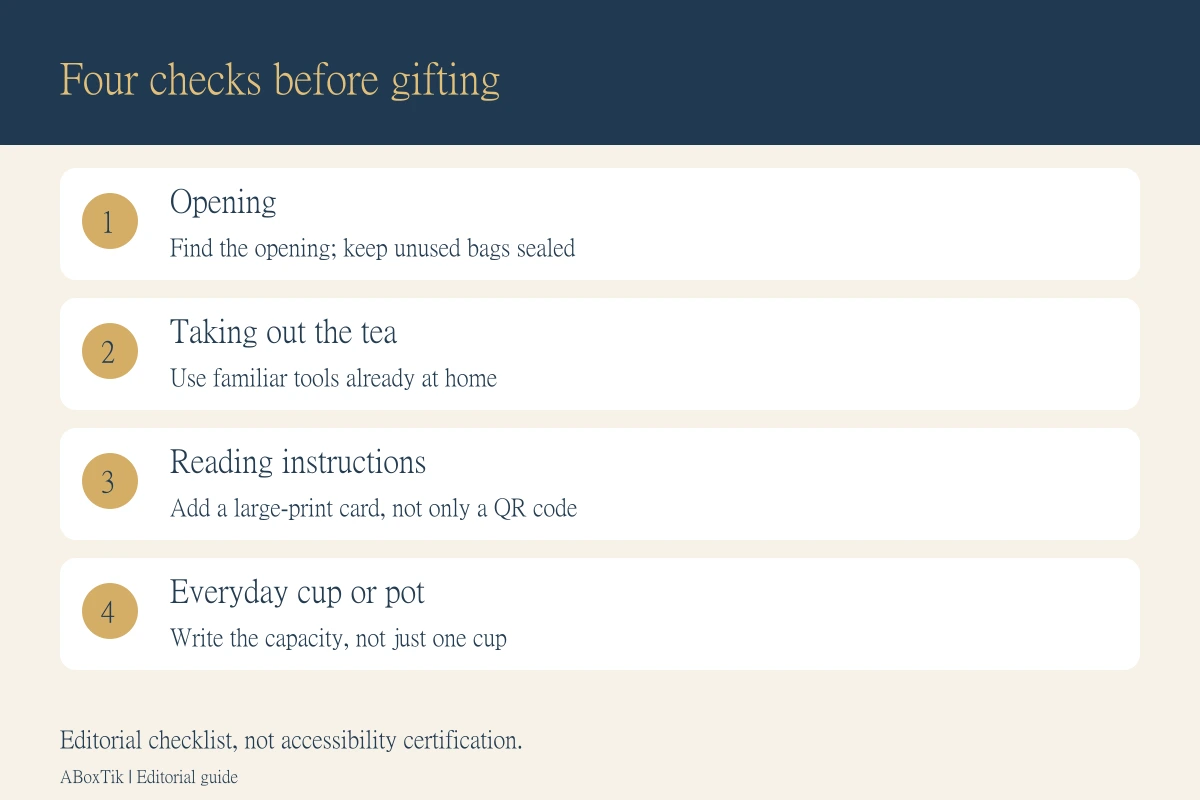
Tea bags provide a measured portion; loose tea leaves room to adjust the amount. Neither format is automatically better. Someone who enjoys a teapot does not need to replace it, while a mug drinker should not need a new collection of accessories just to use a gift. Read about pyramid tea bags or gaiwans and teapots if the choice of tools is still unclear.
| Try before giving | What to notice | A considerate extra step |
|---|---|---|
| Opening the box and sachet | Is the opening easy to find? What movements are needed? | Show how it opens; leave unused inner packs sealed. |
| Taking out tea and tidying up | Can the person handle the bag, measure leaves and clear them away comfortably? | Work with tools already used at home. |
| Reading the instructions | Are the tea name, water amount, time and storage notes easy to find? | Add a clear written card instead of only a QR code. |
| Using the actual cup | Does its capacity match the suggested water amount? | Show a brew in the familiar cup and write its capacity. |
This is an editorial checklist, not a claim that any product has accessibility certification. If help with opening or pouring would be welcome, ask how the person would like it offered. A practical gift can reduce the need to guess without labelling someone’s age or abilities.
Choose familiar aromas before unfamiliar names
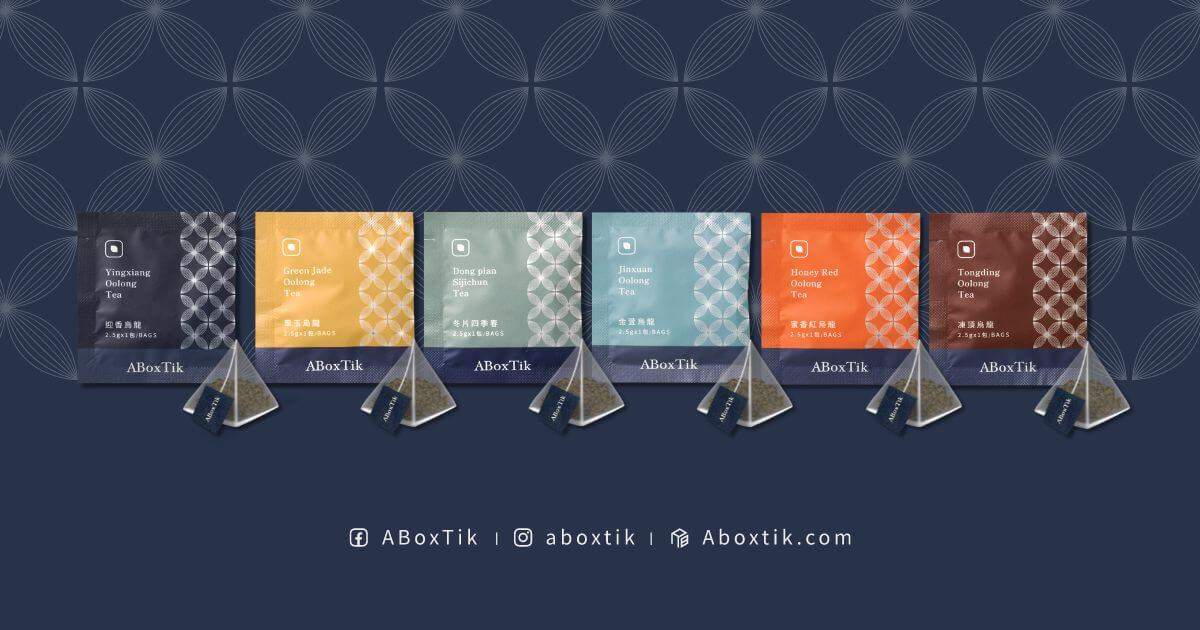
For someone who enjoys roasted sweetness, the Tongding Oolong description offers a starting point. For a floral direction, look at Yingxiang Oolong; for honey and ripe-fruit notes, explore Honey Oolong. These are directions drawn from product descriptions, not a tasting guarantee for every batch.
“More fragrant” may mean clear flowers, a warm roast or a fuller drink. Aroma and strength are different questions. The light and roasted tea guide helps make those preferences more specific. Two distinct teas that someone actually wants to drink can be enough; a gift need not include every flavour category.
Respect any ingredient or dietary conditions the recipient has already specified. Compare those conditions with the actual ingredients. Names suggesting wellness or relaxation are not a substitute for the contents list, and the festival’s association with chrysanthemums does not make a chrysanthemum blend the right choice for everyone.
Read box counts and tea bag counts separately
The following structures were checked on ABoxTik product pages on 4 October 2026. Two-box and four-box describe the number of inner boxes, rather than just two or four tea bags. The classic four-box set is also a tea bag set, not loose tea. Current choices, specifications, prices and availability must be checked when ordering.
| Gift direction | Structure shown when checked | Possible use |
|---|---|---|
| Two-box tea bag gift set | Two selections from the page’s available options; 10 bags per box, 20 total. | One person’s daily cups, or a familiar flavour alongside a new one. |
| Four-box classic Taiwan tea set | Four choices from six classic teas; 40 tea bags total. | A relative who enjoys several teas, or family sharing. |
| Four-box tea and herbal mix | Two tea boxes plus two herbal boxes; 40 bags total. Not any four unrestricted selections. | Someone whose acceptance of the chosen herbal ingredients is already known. |
Let quantity follow actual drinking and sharing habits. If the cupboard already holds several unopened teas, sharing those first and bringing more another time may be the most useful choice. A larger box is not a measure of greater care.
A readable brewing card for the first cup
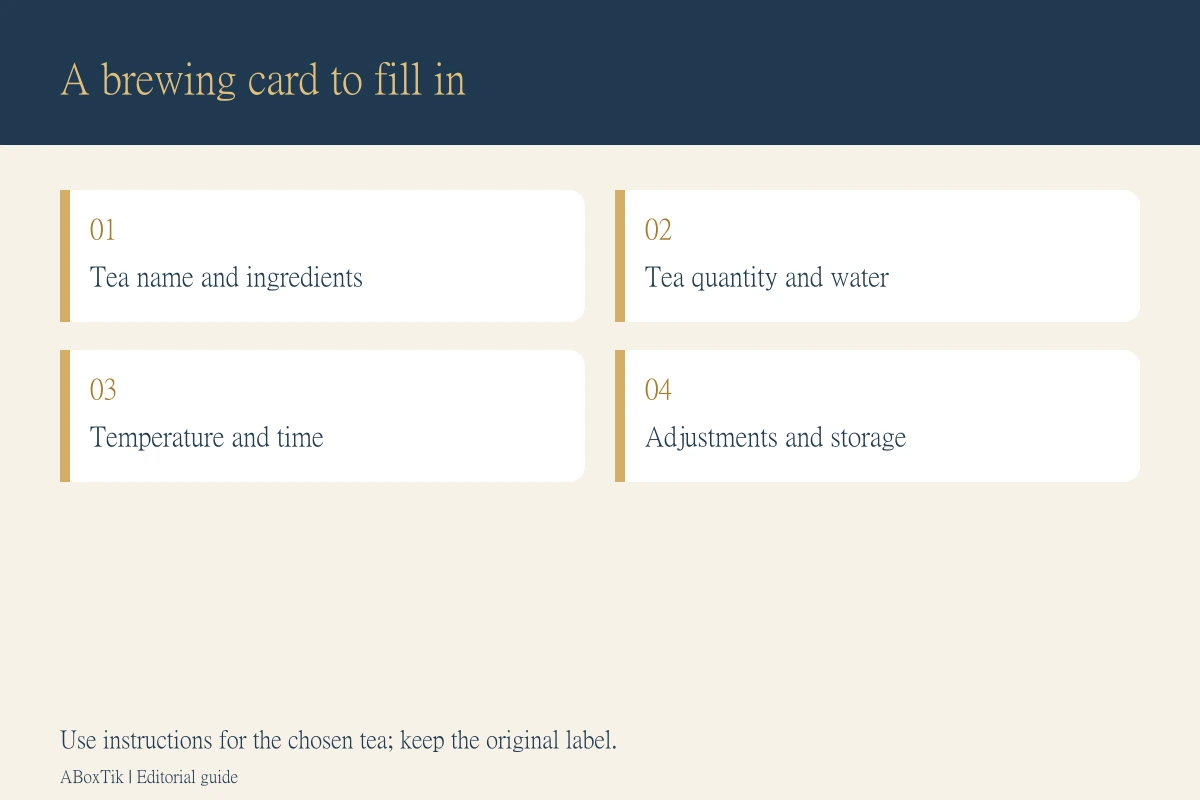
Use dark, comfortably sized lettering on a light background, separate the steps and leave room around them. Ask the recipient whether the finished card is easy to read. These four fields are a tool to fill in, not one recipe for every tea or a promise of a card supplied with an order.
- Name: Copy the package name and identify tea or a herbal blend.
- Tea and water: Copy the chosen product’s guidance, including bags or grams and millilitres.
- Temperature and time: Use that tea’s suggested values and note when to remove the bag.
- Adjustment and storage: Add the product’s storage guidance and a clear next step for another brew.
A sentence such as “Start with this card; we can adjust the next cup together” leaves room for personal taste. If a QR code is included, keep the written steps and a way to ask questions as well. The everyday brewing guide and tea storage guide can provide a further reading path.
Plan the 2026 visit around the real receiving day
The Taipei Department of Social Welfare’s 2026 FAQ identifies 18 October 2026 as Double Ninth. A family visit can happen on another convenient day. Confirm event arrangements, dispatch and receiving separately; the festival date does not establish a delivery guarantee.
A simple handover has four parts: check the selected teas and seals, agree on a day when someone can receive them, demonstrate opening and the first cup if welcome, and let the recipient choose which tea to try. For a parcel, confirm the name, address and receiving arrangement. Ask ABoxTik about the order if timing is uncertain. A phone call can also guide a distant relative through the card without turning it into homework.
For multiple recipients or a company visit, check the list and box counts separately with the gift quantity guide. Giving a smaller set or arranging a later visit does not reduce the thought behind it.
Share a cup with ABoxTik, and leave room for another
Double Ninth tea gifts can begin with a remembered flavour, a water amount matched to a familiar cup, or time spent brewing together. ABoxTik hopes Taiwan tea can be understood through ordinary cups as well as its craft. The story of Taiwan tea offers a little background to share, without needing to explain everything in one visit.
Ask what was enjoyed this time, then what might be welcome next time. Making it comfortable to state a preference, or to decline more tea, is part of considerate giving. The box carries one invitation; sitting down together can carry it further.
Related recommendations
- Two-box tea bag gift set: begin with a manageable amount.
- Four-box classic Taiwan tea set: for a family already interested in several teas.
- Complete tea gift selection guide: explore further selection questions.
Sources
- Taipei Department of Social Welfare: 2026 Double Ninth FAQ (festival date only).
- Ministry of Agriculture food education platform: Cold Dew and Frost’s Descent (lunar date and cultural context).
Sources and products checked on 4 October 2026. The checklist, card and handover steps are editorial suggestions. The hero is an AI-generated tea setting, not a product or packaging photograph.