
Tea Knowledge
TTES No. 22 Qinyu: Cultivar, Tea Styles and Floral Aroma
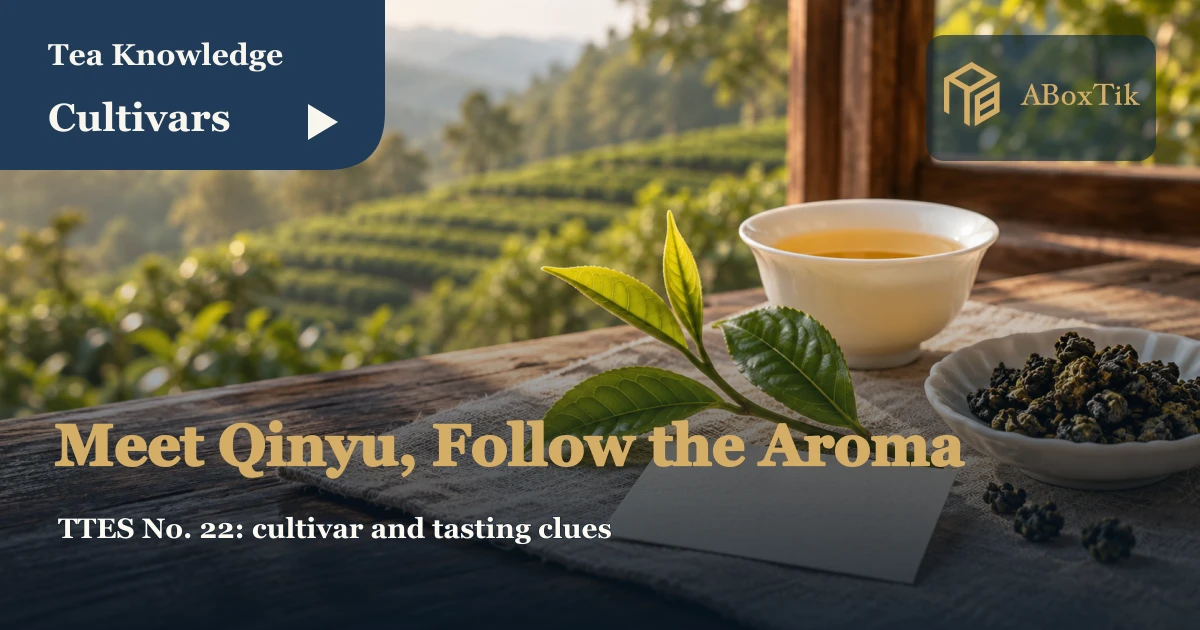
Meet the cultivar first, then listen to the batch in the cup. A floral direction leaves plenty of room for personal notes.
TTES No. 22 Qinyu is a Taiwan-bred tea cultivar whose official breeding introduction describes suitability for low- and middle-elevation gardens and pronounced floral aroma when made into lightly oxidised Baozhong tea. The cultivar identifies the plant; Baozhong describes a processing direction. Keeping those two ideas apart makes a new tea name much easier to read.
Start with the cultivar, origin and processing information on the actual tea. There is no need to identify a particular flower before enjoying the first cup. This guide focuses on plant identity and useful buying questions; Taiwan tea, place and craft provides the wider setting. The tea table welcomes newcomers without a surprise entrance exam.
TTES No. 22 Qinyu: separate the number, name and tea style
TTES No. 22 is the cultivar number, while Qinyu is the romanised Chinese cultivar name. When asking about a tea, use both rather than identifying it from an attractive product name containing the word jade. A brand series, a tea style and a cultivar may appear on the same package, but they answer different questions. The newer official cultivar page lists TTES No. 12 as the female parent and Qingxin oolong as the male parent. Keep that breeding background alongside the actual product’s leaf information.
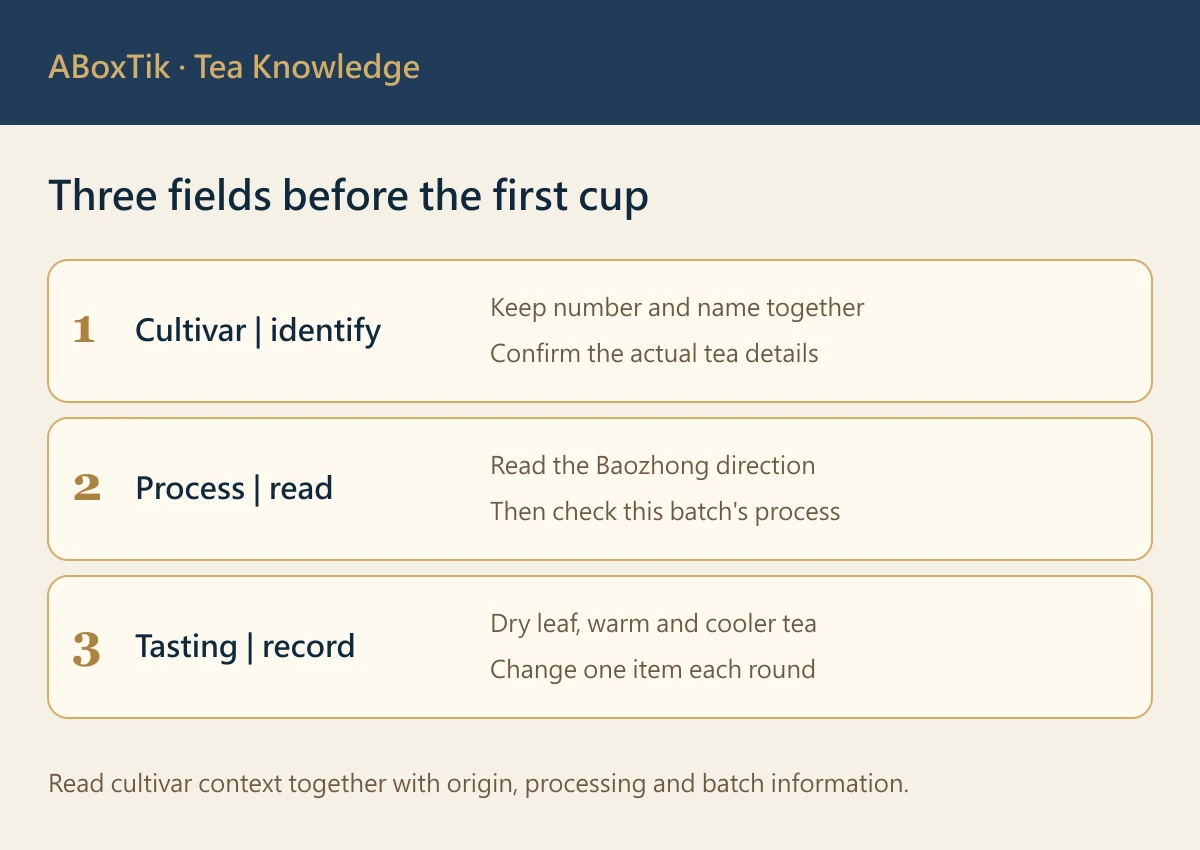
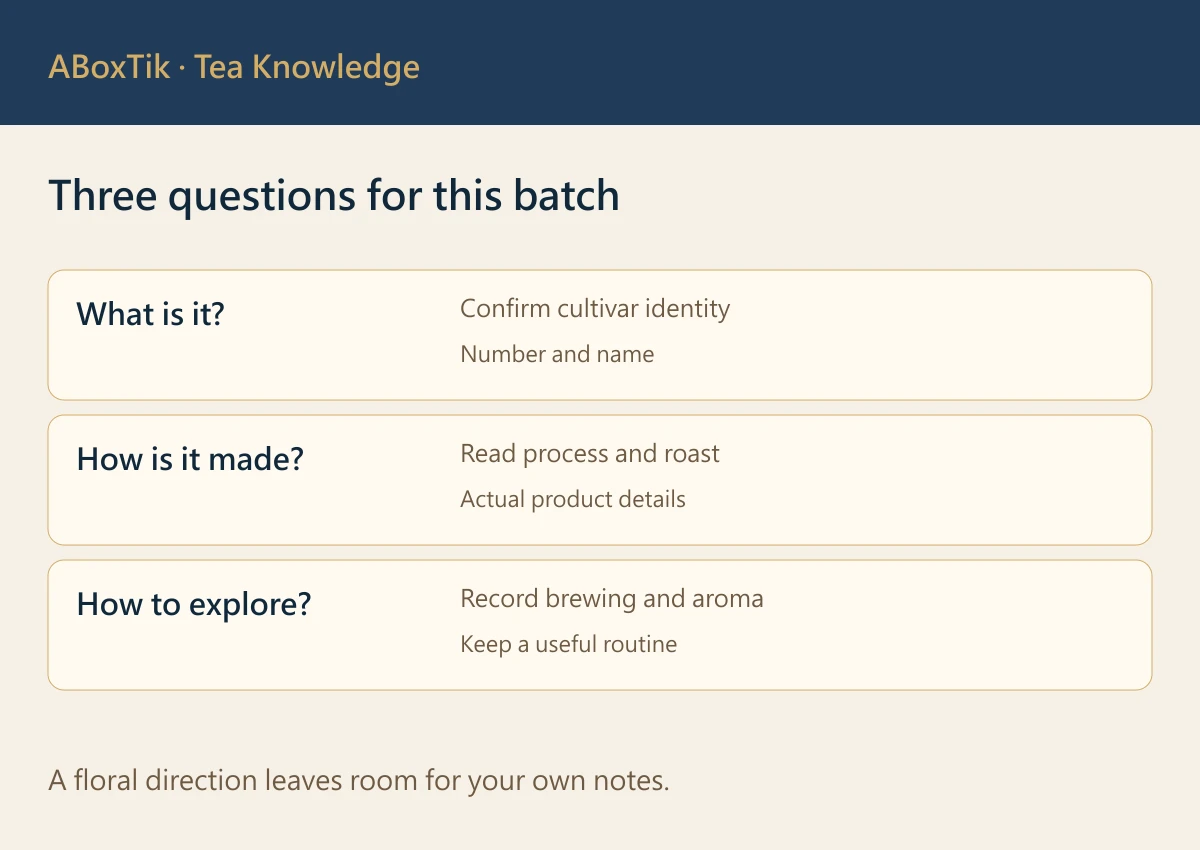
A useful note has three lines: cultivar; origin and harvest information; finished tea style and roast direction. If the product supplies only some of these details, ask about the missing field rather than guessing it from the colour of the liquor. Taiwan tea regions helps with geography, while light and roasted tea styles helps describe the finished cup.
One simple question can open the conversation: is this batch made from TTES No. 22, what style is it, and how does the producer suggest brewing it? That usually brings a more useful answer than asking whether it is the most fragrant tea available.
Read the breeding history as a sequence
The official breeding introduction describes work beginning in 1996, comparative line trials completed in 2012 and naming in 2014. These are separate stages. A later article date or subsequent registration change should not be mistaken for the year the cultivar was named.
For drinkers, the practical point is suitability. Official material describes flatland and low- to middle-elevation growing contexts; the newer cultivar page also lists suitability for partially and fully oxidised teas. The earlier introduction describes floral lightly oxidised Baozhong. These explain breeding and processing directions. Read the actual tea’s origin, harvest and method before deciding how to brew and compare it.
TTES No. 19 Biyu is a different cultivar. Similar-looking names are a reason to check the number, much as two friends named Jade still need separate entries in the address book. A small identity check saves a rather long conversation with the wrong tea.
Treat floral Baozhong as a starting point for tasting
The breeding introduction describes pronounced floral aroma in lightly oxidised Baozhong made from this cultivar. Floral is a sensory description here, rather than an ingredient instruction. Read the actual ingredient list when choosing a product; at the tasting table, a simple phrase such as clear floral aroma is a perfectly good first note.
Try smelling the dry leaf, the warm infusion and the same tea after it has cooled slightly. Record the clearest impression at each stage, then notice whether it changes. Include strength and texture alongside aroma. Floral aroma in tea and a practical smelling order offer vocabulary without turning the cup into a botanical spelling test.
If a cup seems less aromatic than expected, check the tea details and brewing conditions first. Package condition, storage after opening and preparation all belong in the notes. One cultivar introduction should not be asked to explain every moving part on the tea table.
Build a repeatable routine for this batch
Begin with the tea’s supplied directions for leaf amount, water, temperature and time. Record the vessel and actual serving amount. After tasting, choose one adjustment for the next round. Changing amount, temperature and time together may produce a cup you prefer, but makes it harder to understand which change helped.
Oolong water-temperature guidance and Taiwan tea gongfu brewing provide background. Keep the individual tea’s guidance as the starting point. A clean, easy-to-rinse cup also makes comparison more comfortable by keeping the previous drink’s aroma from arriving as an uninvited guest.
Write two lines after each attempt: what would I keep, and what single thing would I change? Strength and aroma deserve separate notes; a more concentrated cup is not automatically easier to describe. If the best part was a quiet five minutes, record the method that helped make those minutes possible.
Line up the information before comparing other teas
To compare Qinyu with another Taiwan tea, list cultivar, origin, harvest information, tea style and roast direction for both. A lightly oxidised Baozhong and a more roasted oolong may differ in several ways. It is useful to compare preference, but less useful to assign every difference to the cultivar name.
The Green Jade oolong introduction and Yingxiang oolong introduction can extend the reading. Confirm the cultivar of the actual product rather than relying on an English tea name alone. Brew each tea according to its own starting guidance before designing a comparison with a narrower question.
If the comparison uses the same vessel, note that choice. If each tea follows different producer directions, keep both sets of conditions. Either approach can teach something when described clearly. Reading high-mountain tea quality also helps place elevation among several pieces of information, rather than making it a single ranking of everything worth drinking.
Keep the buying and storage details for the next cup
Before purchase, look for the tea name, cultivar, origin, pack size, process and storage guidance. If repeat buying matters, ask whether the current batch remains available and what information may change with a later harvest. A photograph of the package is often more useful than remembering only a poetic name.
Once opened, follow the product’s storage advice and close the package after taking out the tea. Tea storage adds everyday context on keeping dry tea away from light and unwanted odours. Keep the purchase date beside the brewing notes so a later comparison has a clear starting point.
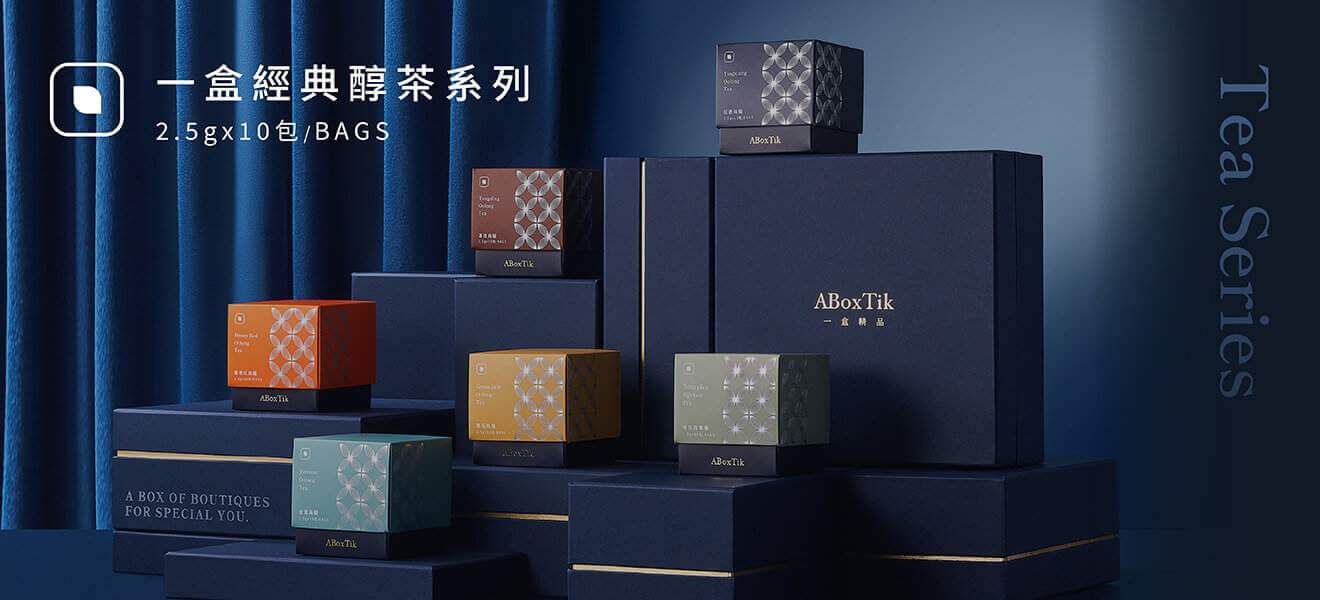
For other Taiwan pure-tea options, review the current Classic Taiwanese Tea four-box set and two-box tea-bag gift set. Choose the format that suits the vessel and drinking frequency, then read each tea’s actual name and contents. A cultivar guide can inspire curiosity; the specific product information should complete the buying decision.
Follow ABoxTik | From a new cultivar name to a familiar everyday cup.
Meet TTES No. 22 Qinyu, then make room for this actual cup
Confirm cultivar and tea style, follow the product’s brewing directions, and describe aroma, strength and texture in words that are useful to you. Taiwan tea, place and craft is a comfortable next read.
For an easy everyday format, check the current contents of the tea-bag gift set. Choose the format, read the tea names, and give the next cup a clear beginning. There is room for curiosity and a little unhurried attention at the same table.
Related reading
- TTES No. 19 Biyu: compare another cultivar’s identity.
- Floral aroma in tea: start with simple descriptions.
- Smelling tea: follow changes through the cup.
Sources
- Taiwan Agricultural Knowledge Portal: Breeding the new tea cultivar TTES No. 22
- Taiwan Agricultural Knowledge Portal Tea Theme: TTES No. 22 (Qinyu)
Sources checked 15 October 2026.