
Tea Knowledge
GABA Tea: Processing, Flavour and Reading the Evidence
A new name opens another window into tea making. Start with what happened to the leaves, then take time to describe the cup. Clear information leaves more room for enjoyment.
GABA tea is tea processed under particular conditions that encourage the accumulation of gamma-aminobutyric acid in the leaves. Controlled anaerobic treatment is a key approach, and different tea styles can be made. GABA is a processing-related description, rather than the name of one cultivar.
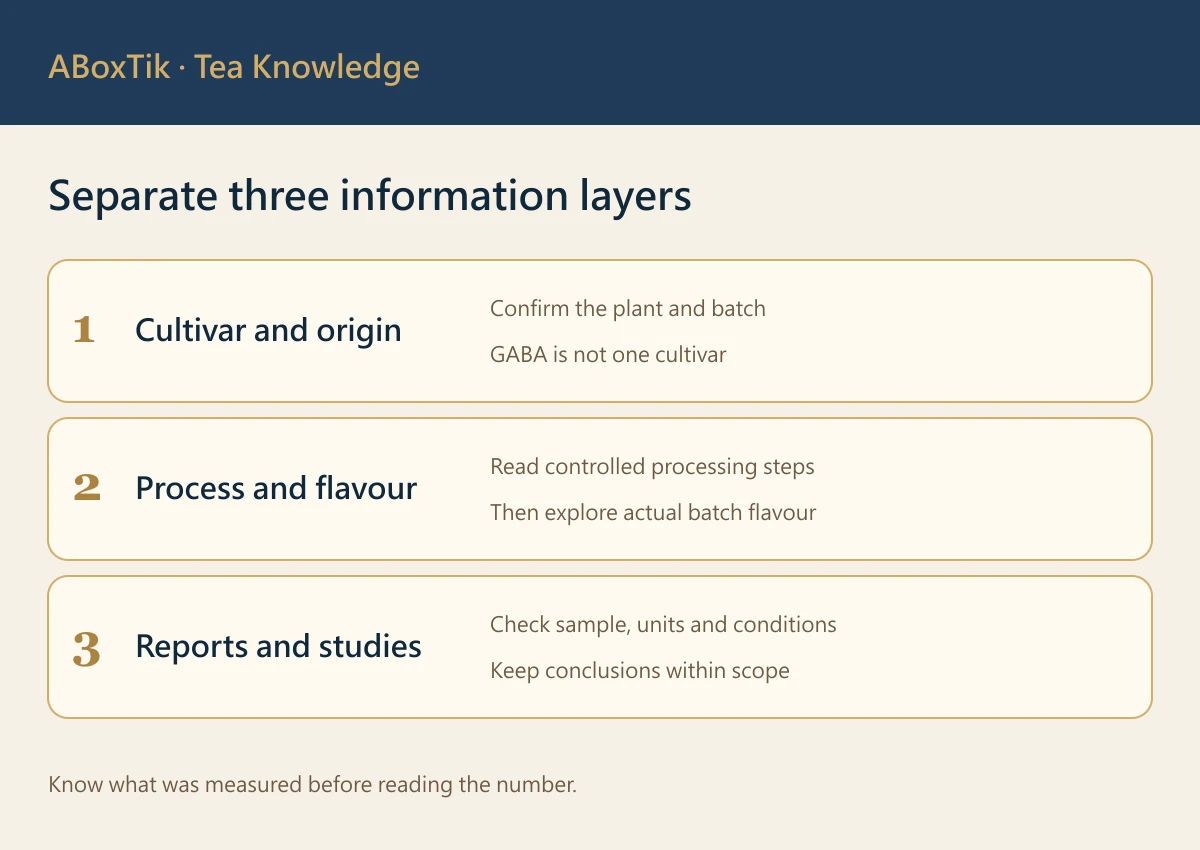
The label does not by itself promise better sleep, lower blood pressure or the absence of caffeine. To explore it comfortably, separate three questions: how it was made, what the actual batch tastes like, and what a research paper can support. The acronym may be unfamiliar; the questions can stay refreshingly ordinary.
What does the name GABA tea describe?
GABA abbreviates gamma-aminobutyric acid. Taiwan’s National Cultural Memory Bank preserves a tea researcher’s explanation of how controlled low-oxygen conditions can encourage its accumulation in tea leaves. This concerns processing and composition; it is not a suggestion to seal damp leaves in a container at home.
Keep tea categories separate from cultivars. Cultivar identifies the plant, while processing helps describe the route its leaves followed. GABA adds another piece of manufacturing information. A label may therefore name an origin, cultivar and GABA oolong without those terms replacing one another.
Three useful buying questions are: what kind of tea is this, how was it processed, and where is the batch information? A specific answer is easier to use than an impressive abbreviation. This is also an approachable way into the wider craft of Taiwanese tea.
How anaerobic treatment fits into tea making
An introduction to oolong often follows withering, agitation, heat fixing, rolling and drying. GABA processing incorporates controlled anaerobic conditions into the production approach. Equipment, raw material and the order of treatments can vary, so one diagram should not be presented as the universal procedure for every producer.
In April 2026, Taiwan’s Tea and Beverage Research Station described research using repeated anaerobic and aerobic treatments for Shanyun. This provides a specific example involving a particular cultivar and technique. Retaining both details prevents a research result from quietly becoming a claim about every retail GABA tea.
| Information layer | What it helps explain | What still needs checking |
|---|---|---|
| Cultivar and origin | Plant identity and growing source | The actual batch |
| Processing | Controlled treatment steps | Tea style and roast |
| Analysis | Composition of a tested sample | Units, date and sample match |
For another manufacturing perspective, explore how rolling shapes tea leaves. The aroma guide then helps connect technical curiosity with something directly observable in a cup, without asking an acronym to describe everything.
Does every GABA tea taste alike?
No single flavour profile follows automatically from the name. Material, tea category, processing and roasting still matter. The station described woody, mushroom-like and sweet roasted-chestnut impressions in its particular Shanyun research product. Those observations belong to that product, rather than a checklist every GABA tea must satisfy.
Begin with broad impressions such as floral, ripe-fruit or roast notes. Keep strength separate from preference: an obvious aroma is not automatically either good or bad. Persistent unpleasant odours call for stopping and checking the condition and storage with the supplier, rather than persuading oneself that discomfort signals sophistication.
The light-versus-roasted comparison provides a useful familiar reference. Use the same cup and water, follow the package method and notice the liquor as it cools. A few precise personal notes help more than importing an entire catalogue of attractive tasting words.
Read the sample and units before the number
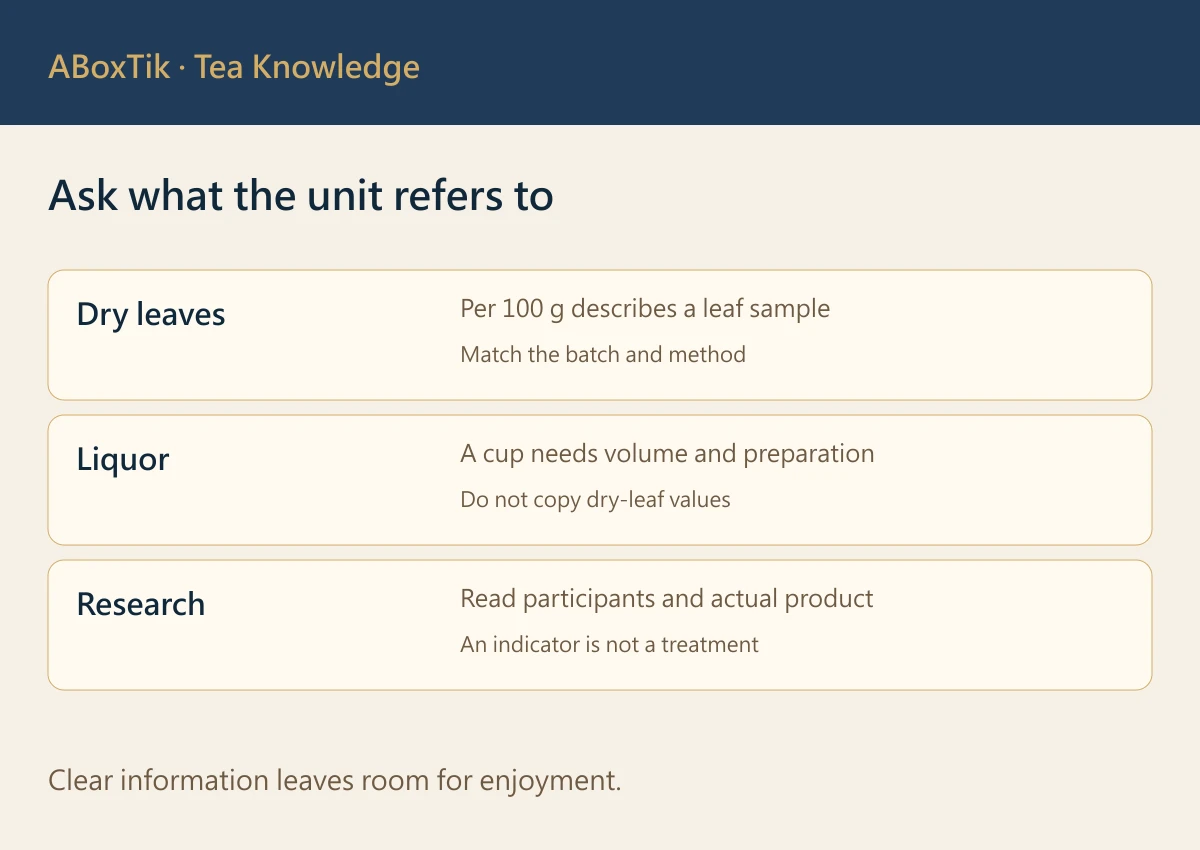
A composition figure per 100 grams of dry tea answers a different question from the amount in a prepared cup. The latter also depends on leaf quantity, water volume, infusion and analytical conditions. A dry-leaf figure cannot simply be relabelled as an amount consumed in one serving.
Look for sample name, batch, date, method and units, then check whether the report actually corresponds to the purchased product. If only a cropped image is supplied, ask for the complete report. The important point is identifying what was measured, rather than counting how official the stamps appear.
| What is shown | First question | How to read it |
|---|---|---|
| Per 100 g dry leaves | Is this the same batch? | Information about a leaf sample |
| Per prepared cup | What volume and preparation? | Liquor under stated conditions |
| A study dose | What exactly was consumed? | Specific research conditions |
The same reading habit helps with Red Jade or Jin Xuan information. First establish what the number represents, then decide whether it answers the buying question. More data is not necessarily better data; relevance makes it useful.
Keep research conclusions within their measured scope
Hinton and colleagues’ 2019 pre-post study randomly allocated 30 healthy participants aged 18–30 to a GABA-fortified oolong or regular-oolong group, with 15 participants in each, then assessed short-term stress reports and heart-rate variability. It offers evidence under particular experimental conditions. It was not a treatment trial for insomnia or hypertension, and cannot guarantee effects for every retail GABA product.
Read a paper in a practical order: who participated, what they consumed, and what was measured for how long. Short-term physiological indicators, reported feelings and long-term disease outcomes answer different questions. Keeping a conclusion close to its measurements preserves the useful research without turning it into a promise.
Notice the comparison group too. If both groups change, before-and-after figures alone do not establish a separate ingredient effect. Group differences and study design matter. A cup can still be enjoyed for its aroma and texture without being assigned a therapeutic responsibility.
Claims that jump directly from containing a compound to a guaranteed benefit skip important steps. Persistent sleep problems, medical conditions, pregnancy or medication needs require appropriate professional advice. Tea should not replace assessment or treatment, however interesting its manufacturing story may be.
Give the tea a clear place in everyday drinking
Follow the actual package instructions and use a vessel that separates liquor from leaves. If it tastes excessively strong or astringent, use brewing adjustments and change one variable at a time. GABA processing is not decaffeination, so the name alone is no reason to move the drink to bedtime.
For a comparison with familiar styles, the actual contents of a Taiwanese tea selection can provide a starting point. Check portion sizes and preparation in the tea bag category when convenience matters. Availability of GABA products and their reports should be confirmed from actual product information.
After opening, follow storage guidance and retain the name, batch and date. For a repeat purchase, knowing which tea and preparation appealed is more helpful than recalling that the package featured an unfamiliar acronym. The goal is a clearer choice and a cup worth returning to.
When comparing packets in a shop, place the process name, tea category, ingredient list and preparation instructions in separate rows. Add any available batch information beside the exact claim it supports. This makes it easier to ask a precise follow-up question and to compare products without letting the largest word on the front decide everything. Keep personal flavour preference on the same card, in its own space. A tea still needs to be enjoyable in the form and amount the person actually plans to drink.
Follow ABoxTik
Read the evidence clearly and enjoy the tea freely
At ABoxTik, a new term is most useful when it brings clearer understanding. Describing flavour, source and processing makes a choice easier to explain and more enjoyable to revisit.
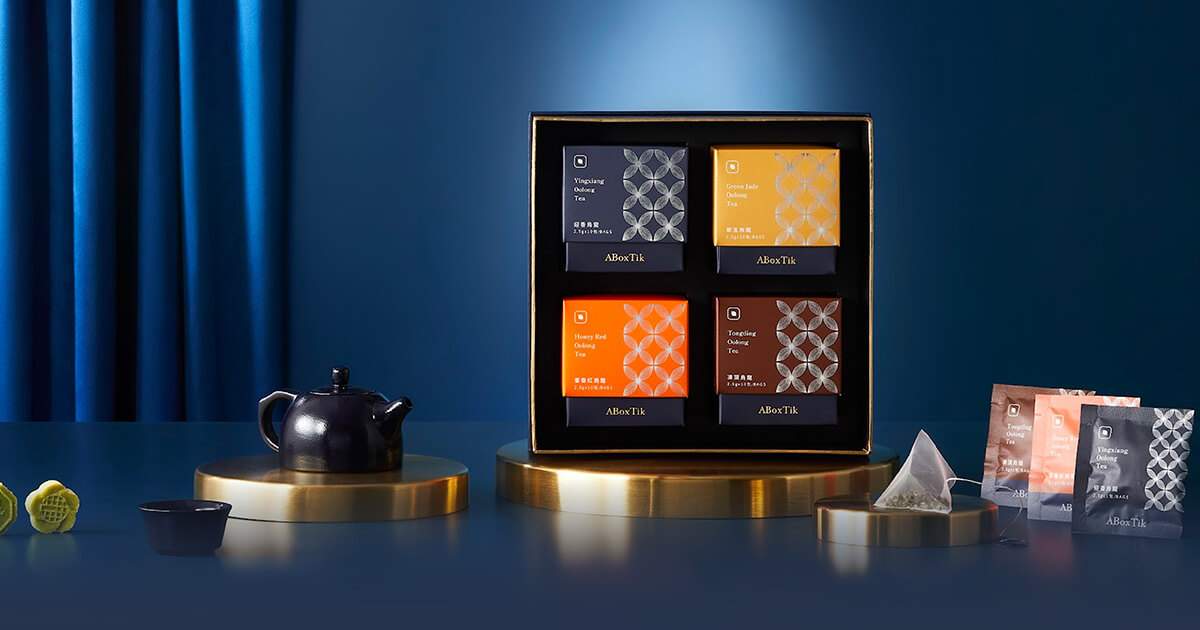
Explore the actual selections in our Taiwanese tea gift boxes, or read About ABoxTik for our approach to thoughtful selection.
Related reading
- A map of tea categories and processing
- Personal aroma observations
- Adjusting flavour through preparation
Sources
- 國家文化記憶庫/邱喬嵩 — GABA茶的關鍵步驟:厭氧處理
- Hinton et al. (2019) — GABA-fortified oolong tea study
- 茶及飲料作物改良場 — 山蘊GABA烏龍茶製程研發(2026-04-14)
Sources checked 19 October 2026.