
Tea Knowledge
Thanksgiving Host Gifts: Taiwanese Tea and Dessert Pairings
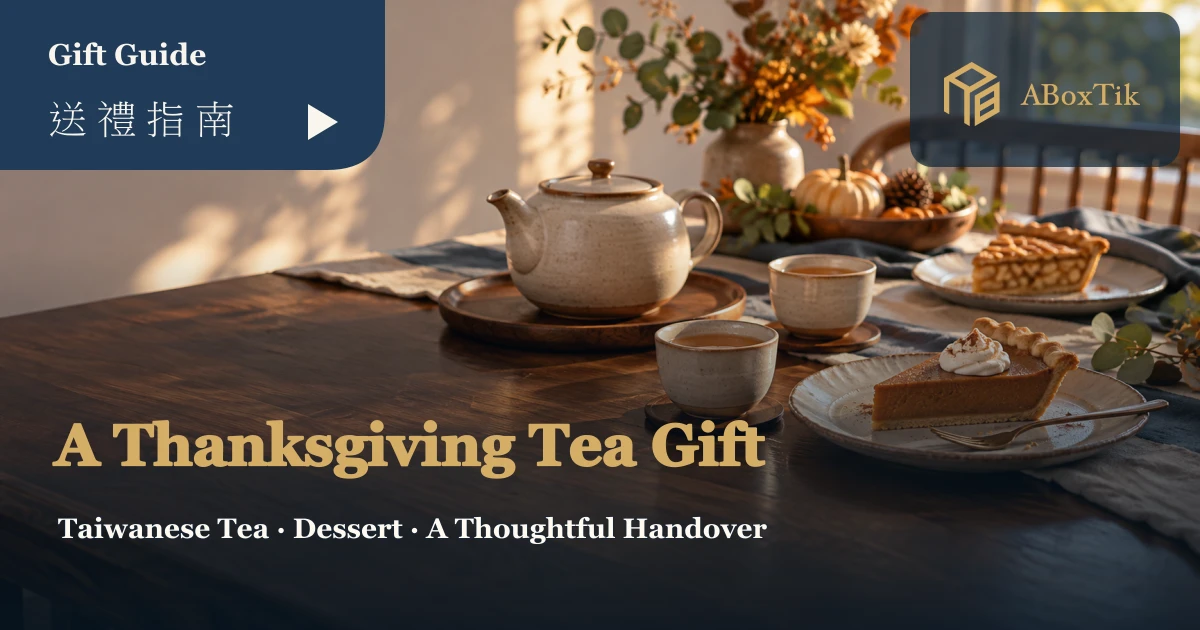
Thank you for bringing everyone to the table. This tea is for dessert, if that suits the evening—and for tomorrow, when the host finally gets to sit down.
A Thanksgiving host gift of Taiwanese tea works best when it is easy to receive and easy to brew. Start with two contrasting styles: a roasted oolong for pumpkin pie or nutty desserts, and a floral or honey-fruit oolong for fruit pie. Check that the host drinks tea and choose a format that fits their usual cup or pot. Add a short brewing note and a reassuring line: “Please save this for later; no need to open it tonight.”
There is a particular moment at a dinner-party doorway when the guest has a gift bag and the host has a hot baking tray. Neither person needs another task. Thinking about that handover is part of choosing the gift. This guide focuses on dessert pairings and an easy arrival; our tea gift-box guide covers general selection, while thank-you tea gifts offers ideas for a more personal note.
A Thanksgiving host gift or tea for the table? Ask first
Try a simple question: “Would you like this tea for later, or would sharing it after dessert be useful?” A gift for the host needs sensible quantities and clear instructions. Tea for tonight needs an agreed number of guests, cups, hot water and someone willing to brew it. Asking first keeps the offer helpful, especially when the host has already planned the drinks.
Emily Post advises that consumable host gifts need not be served at the gathering; that choice belongs to the host. Tea deserves the same courtesy. Present the sealed gift, explain that it can wait, and let the evening continue. The host does not need to open the box, give a tasting review or demonstrate their appreciation over the pie.
Check the calendar as well. The US Office of Personnel Management lists Thanksgiving in 2026 on Thursday, November 26. The Bank of Canada lists Canadian Thanksgiving on Monday, October 12. A Friendsgiving or a gathering in Taiwan may happen on another date. Plan around the actual invitation, rather than assuming every Thanksgiving table follows the US calendar.
A small pairing quiz: spice, fruit or chocolate?
Choose A for pumpkin pie and warm spices, B for apple pie or a fruit tart, or C for chocolate and nuts. A suggests a roasted, warmly aromatic tea. B can start with a floral tea or a honey-fruit style. C is a reason to explore roast or honeyed aromas with a fuller cup. If the answer is all three, the dessert table has ambitions. Two contrasting teas are still enough; nobody needs a separate pot for every slice.
Our editorial approach is to echo an aroma already present in the dessert, or offer a clearer contrast in the cup. These are starting points for tasting, rather than fixed rules. Butter, fruit acidity, cocoa percentage, spices and brewing strength all change the result. The roasted-tea aroma guide and tea aroma guide help put names to the differences without turning dessert into homework.
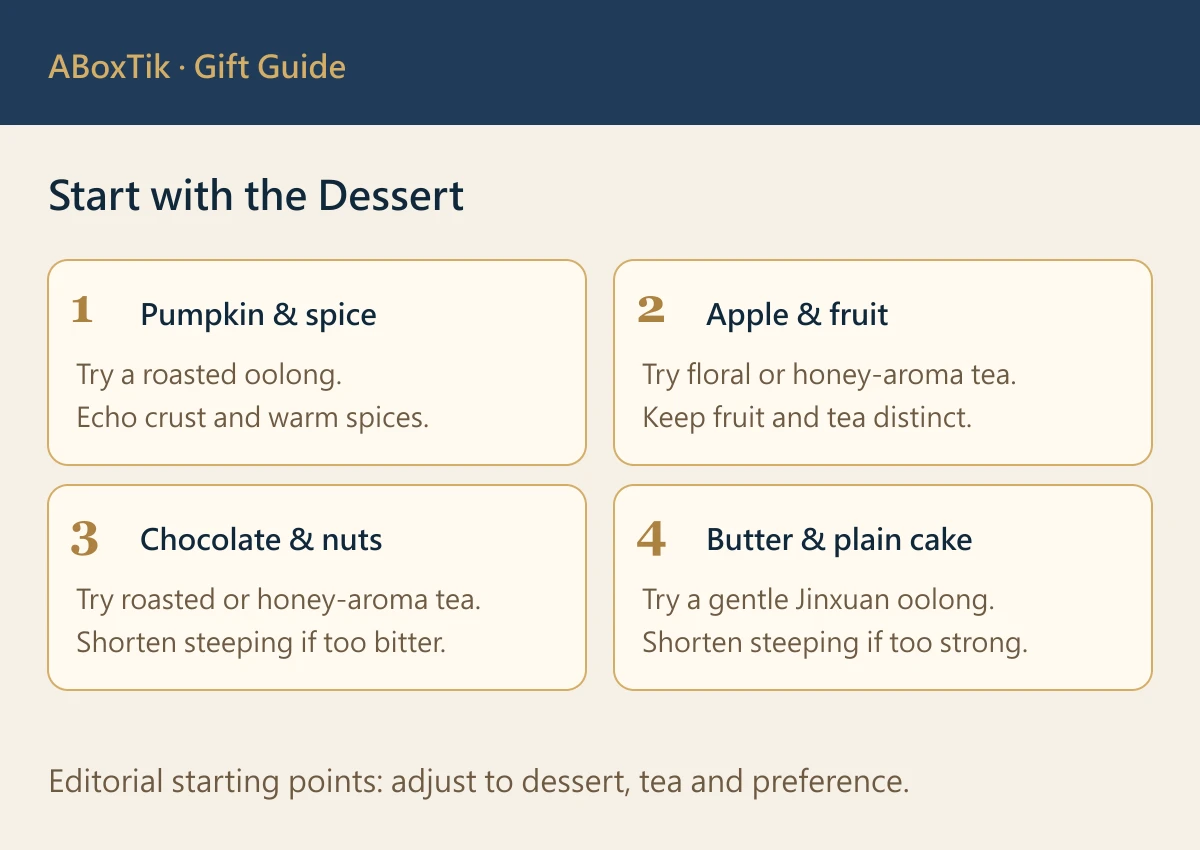
Four dessert directions and a Taiwanese tea to try
| Dessert | Tea starting point | What to notice | If it needs adjusting |
|---|---|---|---|
| Pumpkin pie or cinnamon baking | Roasted oolong, such as Dong Ding | How roast echoes crust and warm spice | Try a smaller bite if spices dominate |
| Apple pie or a fruit tart | Floral oolong; honey-aroma red oolong for a richer filling | Whether fruit and tea remain distinct | Try a fuller cup if sweetness hides the tea |
| Chocolate cake or nut pie | Roasted or honey-aroma red oolong | Connections between cocoa, nuts and warm aromas | Shorten steeping if bitterness and astringency build |
| Butter biscuits or a plain cake | A gentle Jinxuan oolong | Tea that gives the dessert room | Shorten steeping if the cup feels too strong |
Explore Dong Ding oolong for roasted styles and red oolong for its product flavour profile. Jinxuan is a cultivar name, and processing shapes the finished tea. Read the actual product description instead of assuming that every Jinxuan will taste like the same milky cup.
ABoxTik’s Classic Tea product page describes brown-sugar aromas in its Dong Ding, roasted-sugar and cane-sweet aromas in its Jinxuan, and honey aromas in its red oolong. Those descriptions support using Dong Ding and honey-aroma red oolong as two autumn dessert directions to compare. A gentler Jinxuan may suit simpler baking. The pairing is about flavour and enjoyment; choose the combination that leaves both the tea and the dessert pleasant to taste.
Choose for the host’s cup and cupboard
If their equipment is unknown, individually portioned tea bags offer a straightforward beginning. Loose leaf makes sense when the host already enjoys a pot and knows how they like to brew. Our pyramid tea-bag guide explains the brewing space. The format helps with convenience, while origin, flavour information and clear labelling still matter when choosing the tea itself.
Two styles give one or two hosts an easy comparison. Four may suit a household that already enjoys exploring tea together. Browse the two-selection tea gift box or the four-selection Classic Taiwanese Tea box with that distinction in mind. Start with a familiar flavour and add a clear contrast, rather than filling a box with names that all sound similar.
Before buying, check ingredients, sealed inner packaging, best-before information and the instructions. Ask whether the chosen ingredients suit the recipient. “Do you tend to prefer floral or roasted tea?” is enough to open the conversation. A gift that works with the host’s existing habits has a better chance of becoming part of ordinary afternoons after the holiday.
Sharing tonight? Keep brewing to three simple moves
Once sharing is agreed, arrange cups, hot water and somewhere for removed tea bags or decanted tea. Begin with the package instructions. The everyday brewing guide and steeping-time guide can help with adjustments. Cup size matters: the same steeping time does not create the same strength in every volume of water.
- Taste the tea on its own. Notice its strength and aroma before adding anything.
- Take a small bite of dessert, then sip again. See whether the aromas stay clear and the cup still feels balanced.
- Change one thing at a time. Shorten the next steep if it feels too astringent; if it is too light, adjust time or the tea-to-water ratio.
Choosing which cup you enjoy is a perfectly good result. Guests can have water, choose another drink or save tea for another day. If the tasting raises questions about astringency, the bitterness and astringency guide can wait until later. Tonight’s job is to enjoy the company, not pass an aroma exam.
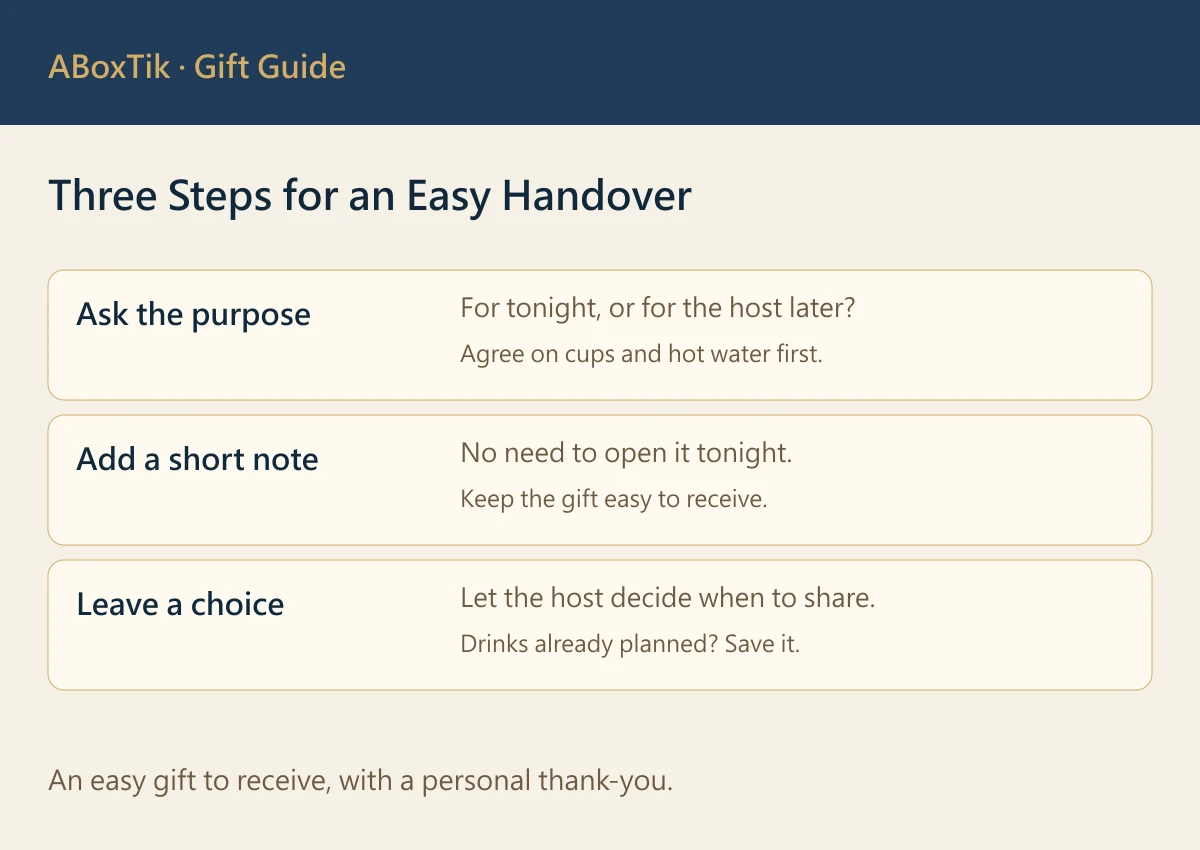
A short card that takes something off the host’s list
For a gift to enjoy later, try: “Thank you for bringing us together. This Taiwanese tea is for a quiet cup when you feel like it—no need to open it tonight.” If sharing has been agreed, try: “I brought two teas to try with the pies. If drinks are already sorted, let’s save them for another time.” Both notes make the offer clear and leave room for the evening to change.
At the door, let the baking tray find a safe landing before handing over the bag. If bringing dessert too, ask beforehand whether it is wanted and where it should go. A host gift needs very little ceremony. One specific thank-you in the card can carry more meaning than a long speech about the box.
Four checks before you carry or send the gift
- Date: follow the invitation, with US and Canadian dates kept distinct.
- Delivery: confirm the name, address and a convenient receiving time.
- Equipment: match the instructions to the actual tea bags or loose leaf.
- Purpose: make clear whether this is for the host later or an agreed contribution tonight.
For an overseas gift, the overseas tea-gift planning guide suggests information to gather; contact ABoxTik for the actual delivery conditions. This guide prepares for US November gatherings in advance. Confirm current specifications, availability and timing with the product page and written reply for the order.
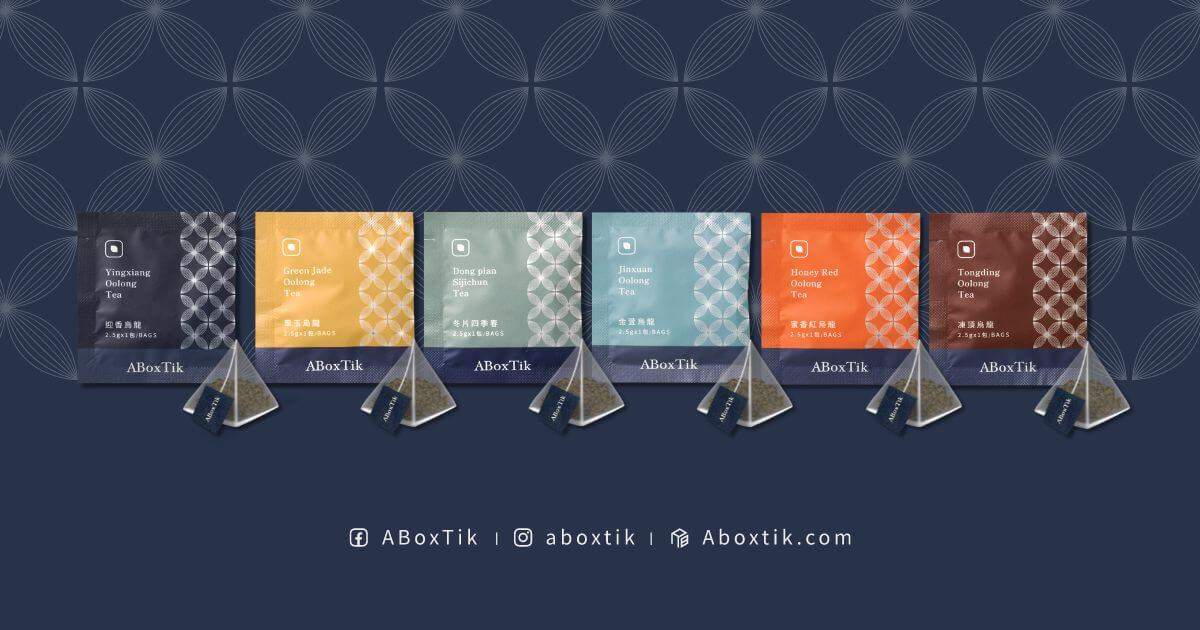
Follow ABoxTik | Share the dessert, and leave a little unhurried time for the person who hosted.
A Thanksgiving host gift for the days after dinner
A thoughtful Thanksgiving host gift remembers both the person’s taste and the work they have done. Choose an easy format, offer two dessert-friendly directions, and make clear that opening the box can wait. Taiwanese tea can then join the gathering gently and stay useful afterwards. Explore what makes Taiwanese tea distinctive for more of its origins and craft, one cup at a time.
Related recommendations
- Two-selection tea gift box: two contrasting flavours for a leisurely comparison.
- Four-selection Classic Taiwanese Tea: for a household that enjoys exploring several styles.
Sources
- US OPM: 2026 federal holidays (checked October 13, 2026)
- Bank of Canada: Thanksgiving Day 2026 (checked October 13, 2026)
- Emily Post: choosing and presenting a host gift (checked October 13, 2026)