
Tea Knowledge
Switching Coffee to Tea: Flavour, Caffeine and Daily Rhythm
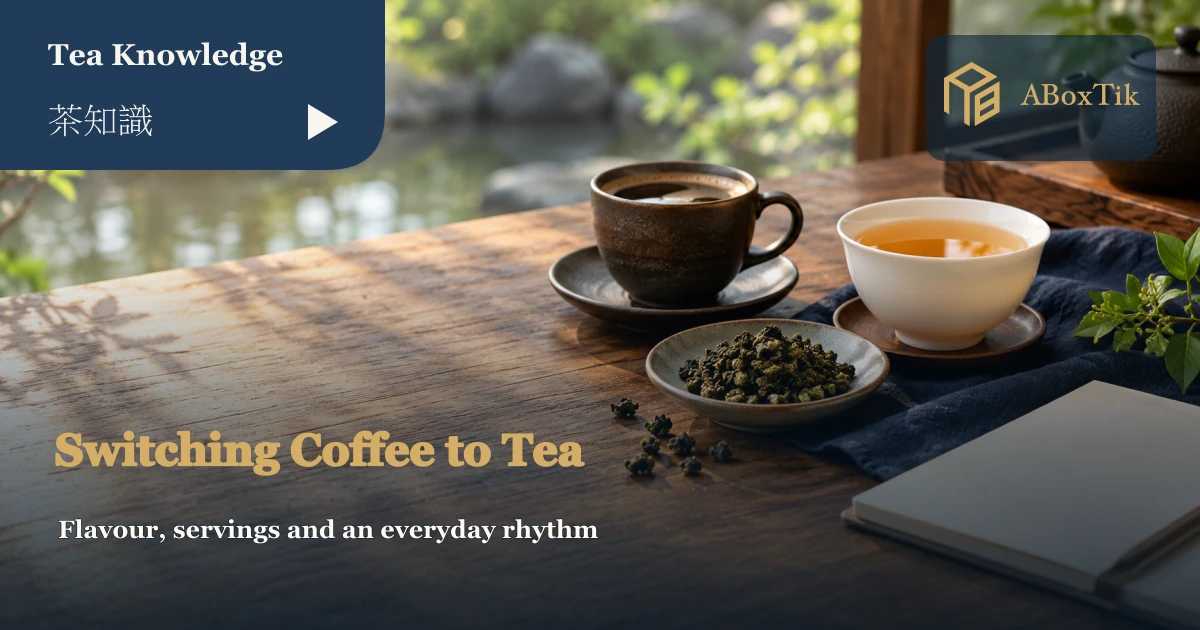
Keep the familiar cup on the desk and leave a little room for a new aroma. Moving from coffee to tea can begin with curiosity rather than a dramatic declaration.
Switching coffee to tea starts with two separate questions: what flavour would make the change enjoyable, and what drinking pattern would suit the day? Tea contains caffeine too. Changing the name of the drink does not automatically reduce the amount consumed.
A fondness for roast, flowers or a fuller mouthfeel can provide a useful starting point. The first tea does not have to defeat a favourite coffee. It only needs to offer something worth returning to. This guide connects flavour preferences with practical serving choices and a simple observation card.
Decide what switching coffee to tea should change
Perhaps the aim is variety, fewer automatic refills, or a quieter afternoon routine. Each calls for a different decision. A flavour experiment can begin with light and roasted tea styles. Reducing caffeine requires looking at the whole day, including serving sizes and other drinks, rather than choosing by the colour of the liquor.
Complete one short sentence before shopping: “I want to keep ___ and change ___.” Keeping a warm drink while reducing the number of refills is a workable goal. Keeping a break from the screen while finishing the drink earlier is another. Clear aims make it easier to choose a useful format instead of accumulating unopened boxes as evidence of good intentions.
The six tea categories offer a map, but there is no entrance exam. Begin with one or two styles in manageable quantities. That gives each tea a fair hearing, keeps comparisons understandable and leaves room in both the cupboard and the budget for preferences to develop.
Use coffee preferences as a bridge into flavour
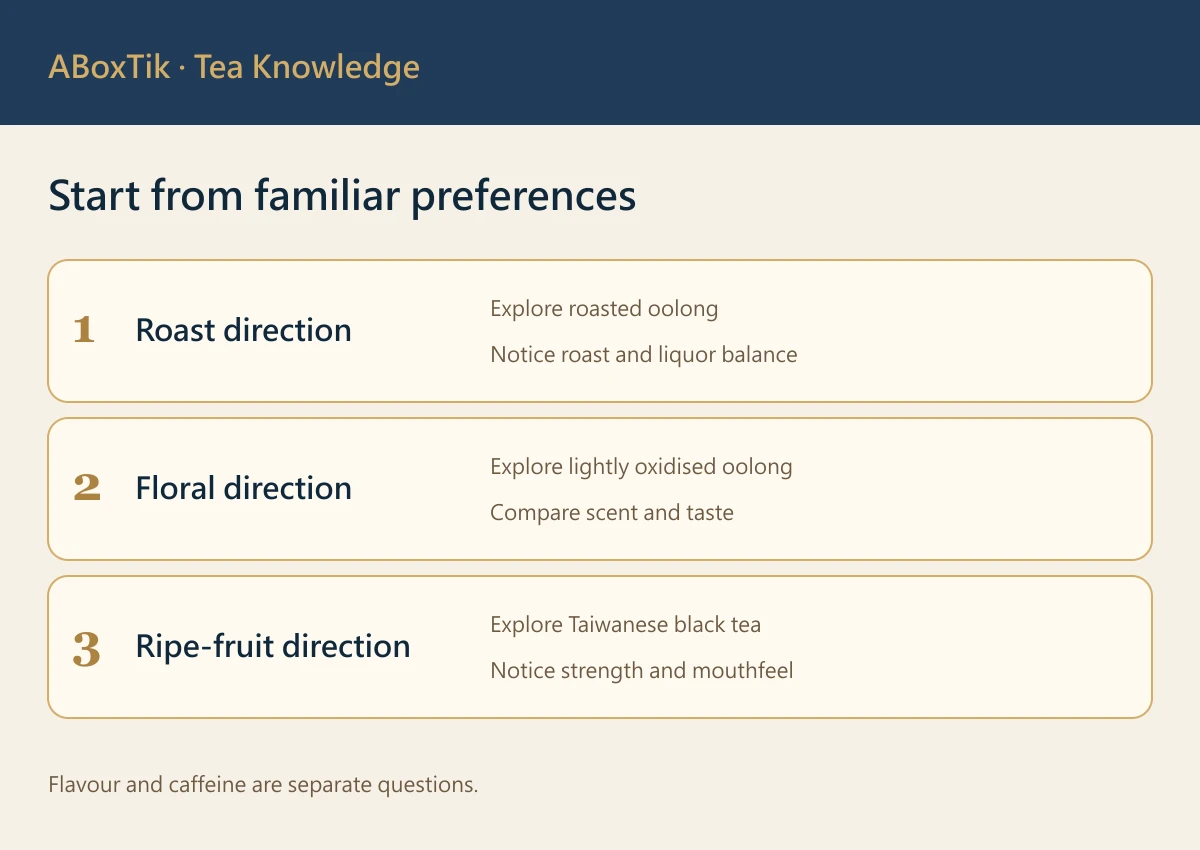
A liking for toasted or nutty impressions may make roasted oolong an interesting place to start. Floral, lighter impressions can point towards lightly oxidised oolong or pouchong. Someone looking for ripe-fruit notes and a more pronounced liquor might explore Taiwanese black tea. These are editorial tasting directions, not chemical equivalents between coffee and tea.
| A familiar preference | A tea direction to explore | What to notice |
|---|---|---|
| Roast and a grounded aroma | Roasted oolong | Balance between roast and liquor |
| Flowers and freshness | Light oolong or pouchong | Whether aroma and taste both appeal |
| Ripe fruit and a distinct tea flavour | Taiwanese black tea | Strength and texture |
Try the aroma-observation approach and write ordinary words: toast, white flowers or ripe fruit. There is no need to appoint a coffee relative for every tea aroma. Allowing a drink to have its own vocabulary is part of discovering it.
For more detail, explore Red Jade black tea and Jin Xuan. Batches within a category still vary. Origin, cultivar and processing information on the actual package are more useful for the next purchase than an impressive adjective remembered without context.
Compare the serving and the whole day
The FDA notes that sensitivity and caffeine clearance vary, and that caffeine amounts differ among specific products and container sizes. Both coffee and tea contribute caffeine. Avoid treating an entire tea category as reliably low in caffeine or assuming that a natural source cannot affect sleep.
Keep the record simple: drink, cup size, finishing time, refills and any reliable caffeine information supplied. Repeated infusions still count as tea consumed. Dividing the same leaves between several cups does not make those cups disappear from the daily picture.
For regular consumers who want to cut back, the FDA suggests gradual reduction. One practical change is replacing an automatic refill with water or another clearly labelled drink. Pregnancy, breastfeeding, medication or a medical condition calls for individual advice from a qualified professional, rather than a tea-based workaround.
Make the first brew easy to repeat
Start with the package instructions and a vessel that lets the liquor drain away from the leaves. A tea bag can work well too; check the suggested water volume for that particular portion. Repeatable preparation makes the next adjustment much easier to understand than a fresh handful of leaves chosen by mood every morning.
Use the brewing troubleshooting guide if the result is overly strong or astringent. Adjust leaf quantity or infusion to improve flavour, while remembering that a lighter taste does not provide a precise caffeine calculation. A defined intake requirement needs dependable product information.
A workday setup need not resemble a tea exhibition. A mug, removable filter and somewhere for the wet leaves may be enough. Save small-pot tasting for a time when there is room to enjoy the process. Convenience is a legitimate part of choosing a daily tea.
Separate flavour notes from personal responses
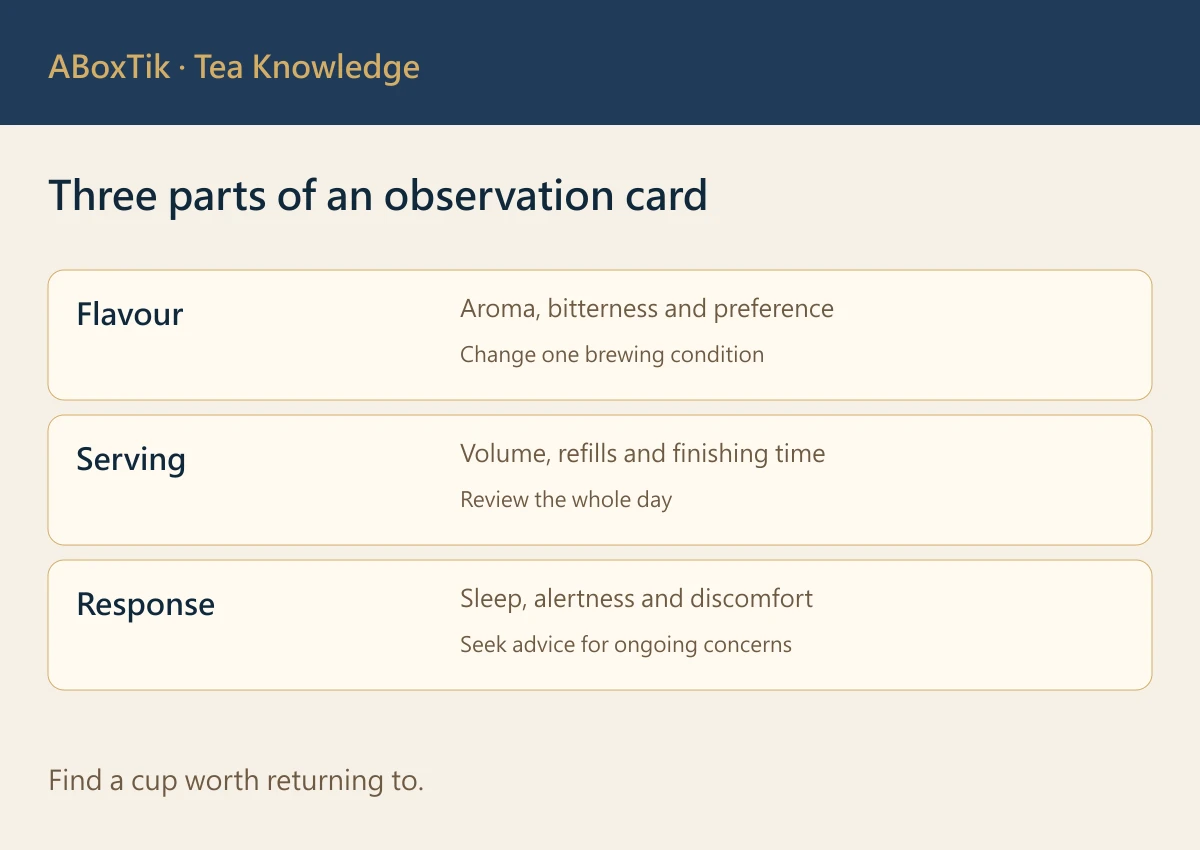
An observation card helps keep two things apart: whether the drink tastes good and how the day feels. It is a personal record rather than a diagnostic instrument. An enjoyable aroma should not erase discomfort, and a poor night should not automatically be attributed to the last cup without considering the wider day.
| Record | Include | Useful next step |
|---|---|---|
| Flavour | Aroma, bitterness, strength and preference | Adjust one brewing variable |
| Serving and timing | Volume, refills and finishing time | Review the whole day |
| Personal response | Sleep, alertness and discomfort | Seek advice for persistent concerns |
Compare a few broadly similar days, keeping the cup and routine reasonably consistent. Note travel, unusual stress or lost sleep too. Everyday life is not a laboratory; context is more helpful than forcing a neat conclusion from an untidy week.
Palpitations, anxiety or ongoing sleep problems deserve attention beyond trying another tea. Reduce or stop the relevant intake and seek suitable professional advice. The purpose is to make tea an enjoyable choice, rather than to find a prettier vessel for something that continues to feel uncomfortable.
Shop for room to adjust
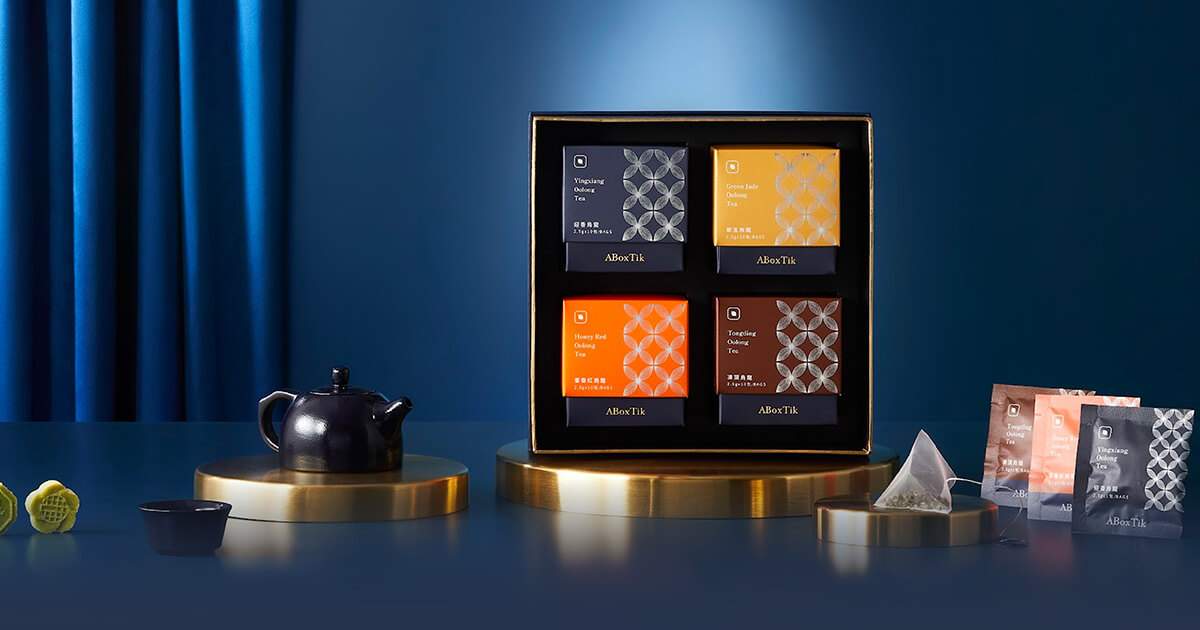
Check tea type, net weight, portion size and instructions before deciding on appearance. A Taiwanese tea selection can provide several styles if its actual contents suit the goal. For a desk routine, compare the portions and brewing requirements in the tea bag category.
A large purchase is not proof of a successful transition. Choose a realistic drinking occasion first, then a suitable pack. Follow the storage guidance after opening and keep the tea name and opening date. Those small details make a later purchase easier to explain and repeat.
When choosing for someone else, ask what they want to keep and what they hope to change. A shared drink works better as a conversation than a lecture. Explore Taiwanese tea styles together and let interest, rather than an obligation to switch, guide the next cup.
For an ordinary workday, make the change easy to notice rather than ambitious. Keep the mug and the usual break, but write down which drink actually filled it and how much was consumed. Record other caffeinated drinks as well if caffeine is the reason for switching. At the next purchase, bring those notes instead of relying on a tea colour as a shortcut. The aim is a drink that fits the routine and a record clear enough to discuss if questions remain.
Follow ABoxTik
Let a new aroma find its place
At ABoxTik, a useful recommendation begins with a clear description of the tea and attention to the person drinking it. A first cup needs no perfect verdict. One interesting detail is enough to suggest a next step.
Compare the actual styles in our Taiwanese tea gift boxes, or visit About ABoxTik to learn about our approach to selection.
Related reading
Sources
Sources checked 19 October 2026.