
Tea Knowledge
Taiwan Tea for British Afternoon Tea: A Pairing Guide
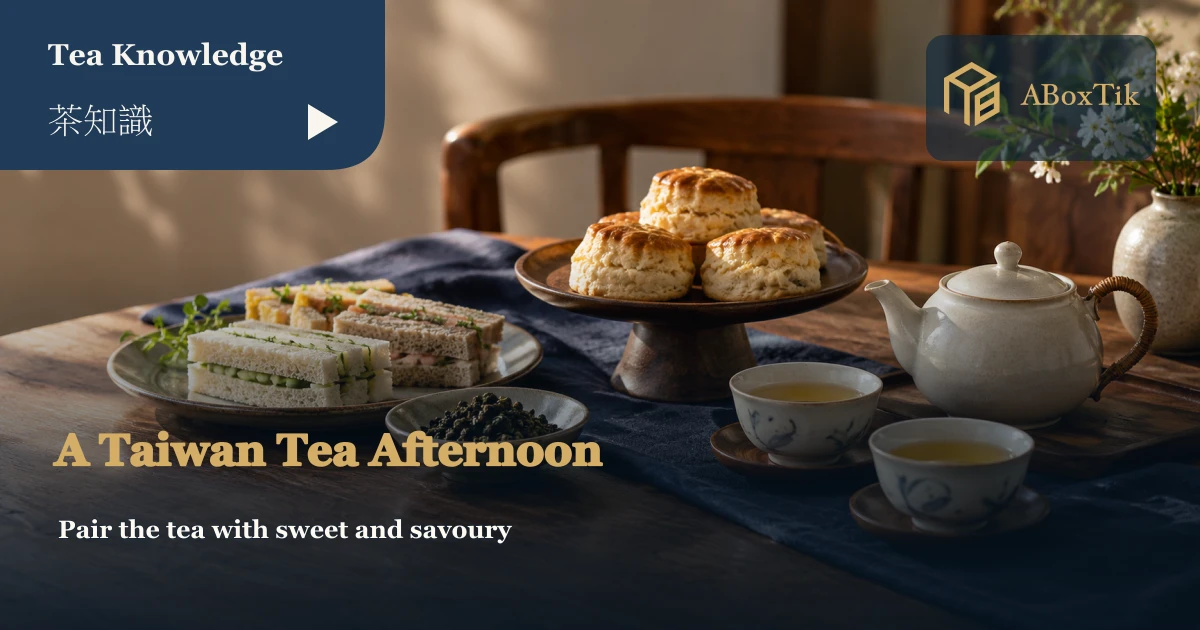
When two table traditions meet, there is no need to argue about purity; save a sip of tea for the next bite.
Pairing Taiwanese tea with British afternoon tea can begin with a food’s sweetness, salt, buttery richness and aroma, then move between light oolong, roasted oolong and Taiwan black tea. One tea need not serve every item. Choose one savoury bite and one sweet bite, alternate in small sips, and find a combination you genuinely want to continue.
This is a table practice for scones, sandwiches and small sweets, not a rulebook for either culture. Taiwanese tea can bring its own style to afternoon tea, and people who love jam or prefer no spread both deserve an easy seat.
Read the food on today’s table before guessing from a tea name
The same scone changes when it is plain, filled with raisins or served with different spreads. Sandwiches may be quiet or strongly salty and herbaceous; icing, butter and fruit on small cakes change what the next sip asks for. Name the main taste first, and tea has something real to meet.
British afternoon tea culture offers history and setting. Here, divide the plate into sweetness, richness, salt and aroma. The point is not to grade a pastry, but to notice which element is most active in this bite. Write two words beside each food, then compare two tea directions rather than opening five packets and eating six desserts.
Begin with one savoury bite and one sweet bite instead of filling the table with every possible pairing. Write the actual filling or topping beside the food name. A plain scone and a scone with a generous layer of jam can ask different things of the tea. Keeping those details visible makes the next gathering easier to plan, and leaves more room for conversation than for washing up.
Light oolong: begin with gentle savoury food and fine aroma
When food is not too forceful, begin with a lightly aromatic oolong and see whether both the tea and food remain recognisable. This is an editorial starting point, not a universal answer for savoury food; season, finished tea and actual brewing change the result. Light and roasted styles makes the contrast easier to understand.
Take a small bite of a gentle sandwich, then a sip of warm tea. Notice whether the aroma becomes clearer or disappears behind the filling. Strong herbs or sauces may call for tasting separately before another tea is chosen. A Taiwanese tea start and Jinxuan provide helpful entry points, while the product’s own brewing guidance should still lead.
Roasted oolong: observe baked notes and buttery texture together
Scones, nuts and baked aromas make roasted oolong a useful comparison. Similar roasted associations can echo each other, or they can make the whole mouthful feel too heavy. Pairing is not evidence that two things were born to marry; it is a way to test the amount and strength that suit this table today.
Try the scone without jam first, then repeat with a small amount of spread. That isolates a change instead of adding butter, jam and another sweet all at once. Bitterness and strength reminds us that stronger tea is not automatically better with richer food. Snack and tea pairing can extend the experiment while keeping actual ingredients in view.
Taiwan black tea offers another route for ripe fruit and sweets
Taiwan black tea can be compared with sweets in small portions by noticing aroma, sweet-and-tart impressions and the presence of the liquor. Cultivars and making differ; Taiwan Tea No. 18 is a concrete entry point, not proof that all black teas smell alike or suit milk.
Sip the tea alone, eat one bite of dessert, then return to the tea. Does sweetness make it seem more astringent? Is the aroma still clear? Describe the change before deciding whether you like it. A pairing that feels less comfortable than expected is still useful information for the next table.
If milk is wanted, confirm the product guidance and trial it in a small separate cup. Give plain tea and milk tea their own places rather than changing the entire pot for everyone. Freedom at a tea table is a good host too.
Arrange a small table with two teas and two foods
A small two-tea, two-food table is enough: pair a gentle savoury item with light oolong, and compare roasted oolong or Taiwan black tea beside a buttery, baked or fruity sweet. Use similar cups, follow each tea’s instructions and let each person choose the order.
| Food feature | Tea to compare first | Alternating question |
|---|---|---|
| Gentle savoury food | Light oolong | Can both aromas be recognised? |
| Butter and baked notes | Roasted oolong or black tea | Does it feel too heavy? |
| Jam or fruit sweetness | Black tea or light direction | How does sweetness alter the tea? |
Aroma notes records hot and cooling changes, and steeping time preserves settings. Arrange water, a dish for used bags or leaves and readable tea-name cards. A small home tea station offers useful dry-and-wet organisation.
A companion can keep the tea names hidden during the first round if that feels enjoyable. Taste tea alone, take a small bite, then return to the same tea. Describe what changed before revealing the label. The exercise is not a contest to identify the expensive cup; it is a way to notice which combination makes the table feel inviting.
Keep choice and portions easy while hosting
Confirm numbers and dietary needs, then serve food as needed without turning appetite into a politeness test. Someone may want only tea, or may begin with savoury food. Taiwan tea hospitality provides cultural context without making one sequence compulsory for every gathering.
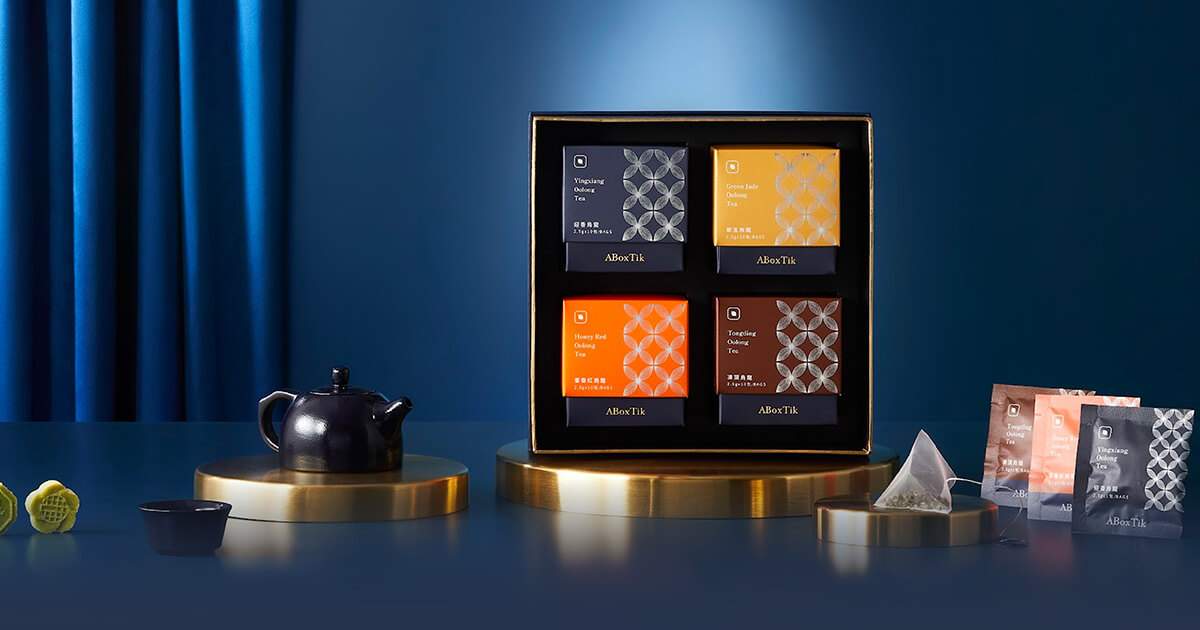
Compare the actual contents of a multi-tea selection or easy-to-share tea bags before deciding on format. Plan storage for remaining dry tea too, so today’s gathering does not become tomorrow’s table of half-open bags. Let each guest keep one pairing to try again next time; the table can grow its own version slowly.
Before guests arrive, decide where used tea bags, serving spoons and spare hot water will go. Give each tea a readable name and leave drinking water nearby. These details make a small gathering easier to host without adding another formal rule. The most thoughtful pairing may be the one the host can serve calmly while remaining part of the conversation.
Follow ABoxTik
Let Taiwanese tea take a natural seat at today’s afternoon tea
ABoxTik’s preferred table does not need many rules to show care. Make food, tea names and movement around the table clear, then leave choices with the people sharing it.
Continue with Taiwanese tea terroir and craft. Save a cup for the next bite and a little space for a new pairing at the next gathering.
Related reading
- Compare light and roasted tea styles
- Put pairing impressions into aroma notes
- See Taiwanese tea selection details
Sources
Sources checked 21 October 2026.