
Tea Mixology
Oolong Tea Latte Design: Strength and Milk Proportion
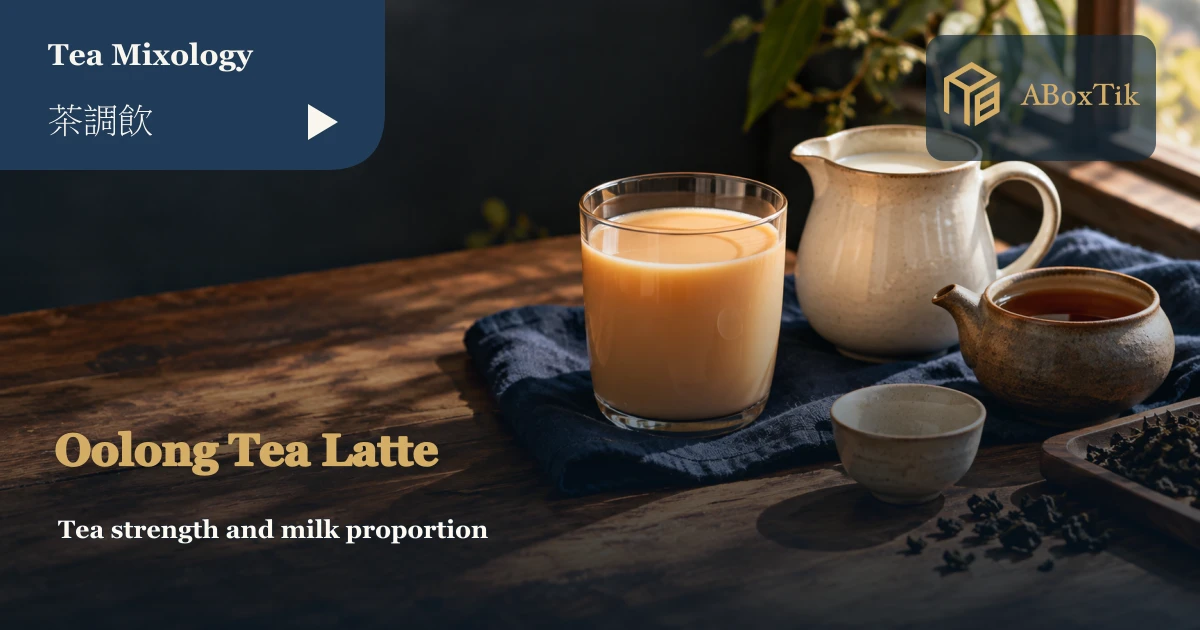
Let tea speak clearly before milk joins the conversation.
This oolong tea latte design guide organizes tea concentration, milk proportion and sweetness into a small-sample comparison. The proposed method is ready for your own trial and records; choose a tea-led or rounder direction before preparing a larger drink.
Begin with the brewing guidance on the tea you own. Make a repeatable tea base, then compare small cups. A calm sequence gives each adjustment somewhere to stand.
Treat an oolong tea latte as a design exercise
An oolong tea latte begins with a choice: should tea lead, or should milk make a rounder frame? Set a direction first, then record the actual additions in each small comparison cup.
Water temperature affects tea expression, so use a water-temperature guide and a steeping-time guide to make the first base legible. Label three samples A, B and C; your afternoon needs no mystery jury.
Choose the tea base by aromatic direction
Floral, fresh or creamy-associated oolong can be a starting point when you want a lighter aromatic direction. Roasted, ripe-fruit or deeper oolong can be a starting point when you want to explore a warmer outline. These are comparisons, not promises about the cup.
Jinxuan oolong, light and roasted Taiwanese tea and the tea categories offer useful language. Pick one tea for the first round so the notes do not all start talking at once.
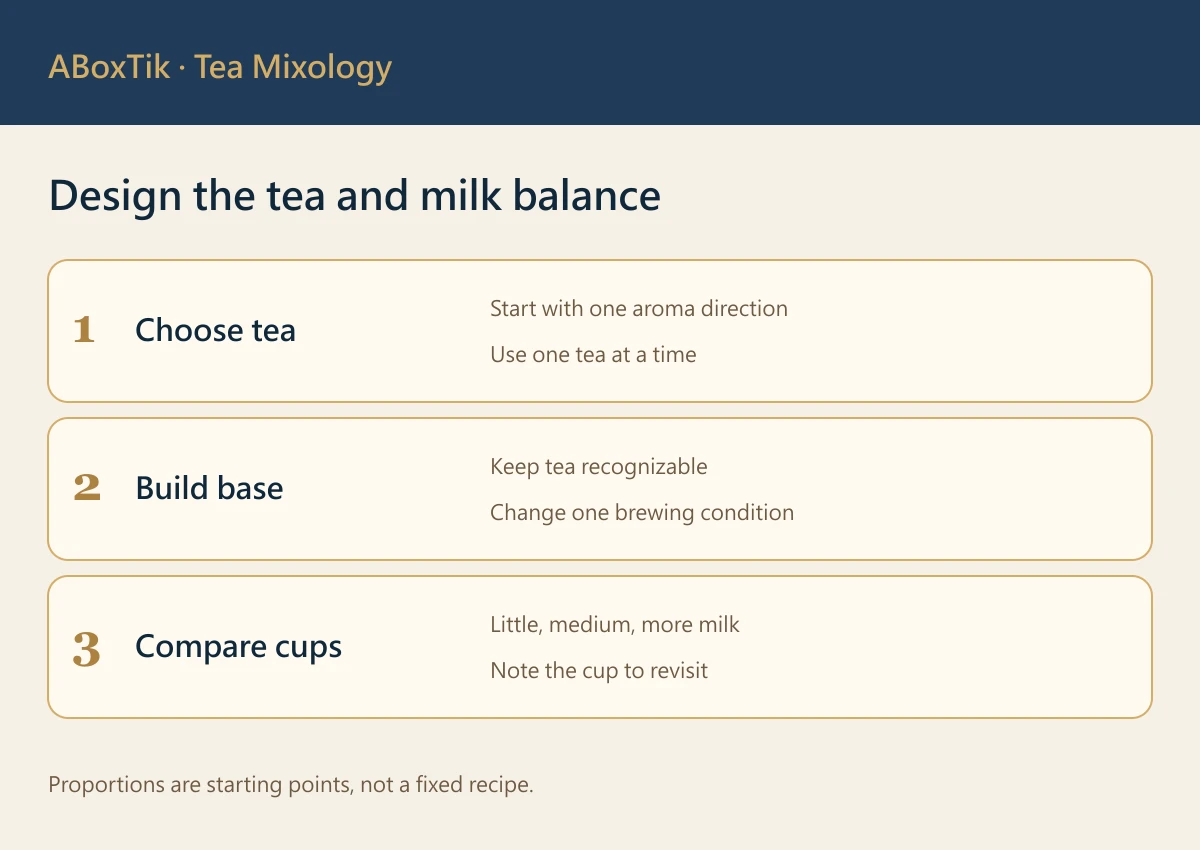
Build a tea base that can still be heard
The useful question about tea concentration is whether the tea remains recognizable after milk is added, not whether the dry leaf was pushed as hard as possible. Make one base from the package direction and one more concentrated comparison by changing only one condition.
If the tea already feels rough before milk, return to brewing rather than asking milk to hide it. Bitterness, astringency and strength and Tea mouthfeel and strength observation help make a vague “too much” more specific.
Compare milk proportion in three small cups
Divide one tea base between three small cups and add a little, a medium amount and more milk. The first may show whether tea aroma stays present; the second may suggest a middle ground; the third can show when milk moves to the foreground. None needs to win.
Taste the milk or plant drink on its own first. Its sweetness, grain note and body are variables too. Tea mixology principles can help keep the experiment orderly without turning it into a claim.
Add sweetness and ice last
Compare unsweetened tea-and-milk samples before introducing a sweetener. Otherwise it becomes hard to tell whether sweetness, dairy character or tea concentration shifted the direction. Leave one cup plain and change one variable in another.
Hot and iced serving also change what you notice. Warm cups can make aroma easier to observe; ice introduces dilution as it melts. Record what changed rather than predicting a universal finished drink.
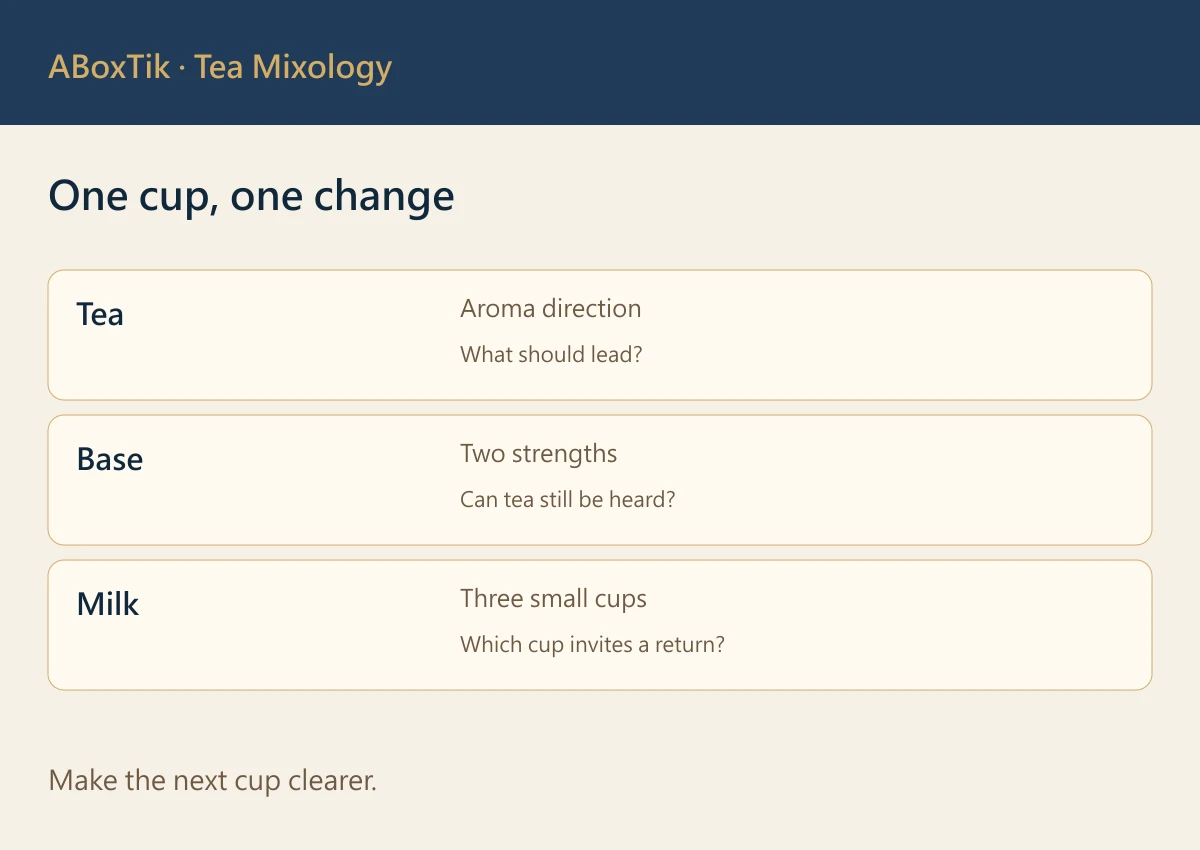
Use a small design card
| Decision | Comparison | Question |
|---|---|---|
| Tea direction | Floral, fresh, roasted or ripe-fruit | Which part of tea should lead? |
| Base | Package-guided and one concentrated sample | Can tea still be recognized? |
| Milk | Small, medium and fuller additions | Which voice stays present? |
| Finish | One change at a time | What changed? |
A note such as “clearer tea next time” is enough. Use the oolong tea latte design guide to choose a single next change and record what happens in the cup.
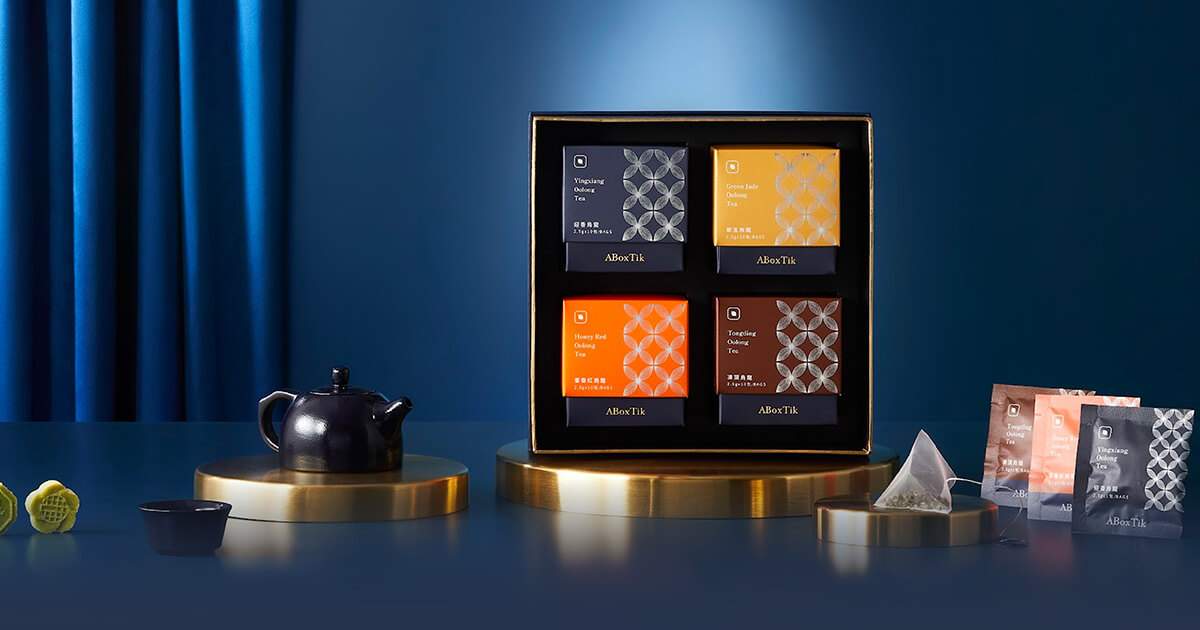
For later comparisons, Taiwanese tea styles and Classic Taiwanese Tea Four-Box Set give a measured place to begin.
Give each small sample a useful job
Before adding milk, taste a small amount of the prepared tea on its own and write one aromatic direction plus one impression of strength. This gives the comparison a reference. If you skip the reference, a quieter aroma after milk can be difficult to interpret: perhaps the base was already subtle, perhaps milk has become dominant, or perhaps the serving temperature changed. A short note keeps those possibilities separate.
Choose one milk or plant drink for the first round and retain its package information. Switching between two drinks with different sweetness and body while changing tea strength creates several questions at once. Keep the tea base and milk choice steady while comparing the additions. When you have a preferred direction, a later round can explore a different milk. The sequence is more useful than having the largest collection of ingredients on the table.
Use the same small measure for each addition and record the amounts actually used. The guide intentionally leaves the final proportion to the trial; the measured record belongs to the cup you really prepared. This matters when a friend asks how to repeat it. “The middle cup” identifies a preference today, while the written tea and milk amounts let tomorrow’s preparation begin somewhere concrete.
Leave enough of the original tea base to revisit it. Compare the aroma of the base with the mixed sample, then ask whether the change is welcome. Tea does not need to dominate every drink. A rounded milk-led cup may be exactly what someone wants; the useful distinction is choosing that result rather than losing the tea without noticing.
Plan the second round before making a large drink
A practical second round starts with the strongest unresolved question from the first. If milk seems to hide a tea you otherwise enjoy, compare two tea-base concentrations while keeping the milk addition fixed. If the tea is clear but the finish feels too heavy, keep the base and compare two smaller milk additions. Write the single question at the top of the card so the experiment does not quietly become three different recipes.
For an iced design, record when the ice enters and when you taste. A glass tasted immediately and the same glass revisited later may differ because of dilution and temperature. Compare samples at similar stages rather than claiming one is permanently more balanced. A warm design can use the same principle: allow comfortable handling, take a small sip, then note the condition of that particular tasting.
Sweetness deserves its own round. Retain an unsweetened reference, add a small measured amount to the comparison, and taste both before increasing anything. The question is whether sweetness clarifies the direction you want. It should not become an automatic answer whenever the tea base needs attention. There is room for a drink that remains unsweetened, too.
Before serving a guest, ask whether dairy or a particular plant drink suits them and make the ingredients clear. Offer a small portion first and leave any extra sweetener separate. A simple invitation—“Would you like to try the tea-led version or the rounder one?”—gives a useful choice without a speech. These are design steps to test and record, rather than a claim about an already-tested finished recipe.
Tea, one considered cup at a time
Leave room for both tea and milk
At ABoxTik, we enjoy a tea drink most when it gives the leaf a clear place in the conversation. Start with a small concentrated tea base and a few comparisons; the next adjustment will be easier to see.
Continue with the aroma guide, or set up a quiet comparison with Classic Taiwanese Tea Four-Box Set.
Related reading
- Learn oolong water temperature
- Explore non-alcoholic tea mixology
- Separate bitterness, astringency and strength
Sources
- Tea and Beverage Research Station: Taiwan tea beverage innovation
- Tea and Beverage Research Station: Water quality and temperature
Sources checked 19 October 2026.