
Tea Mixology
Oolong Tea Tonic: A Design Guide and Tasting Worksheet
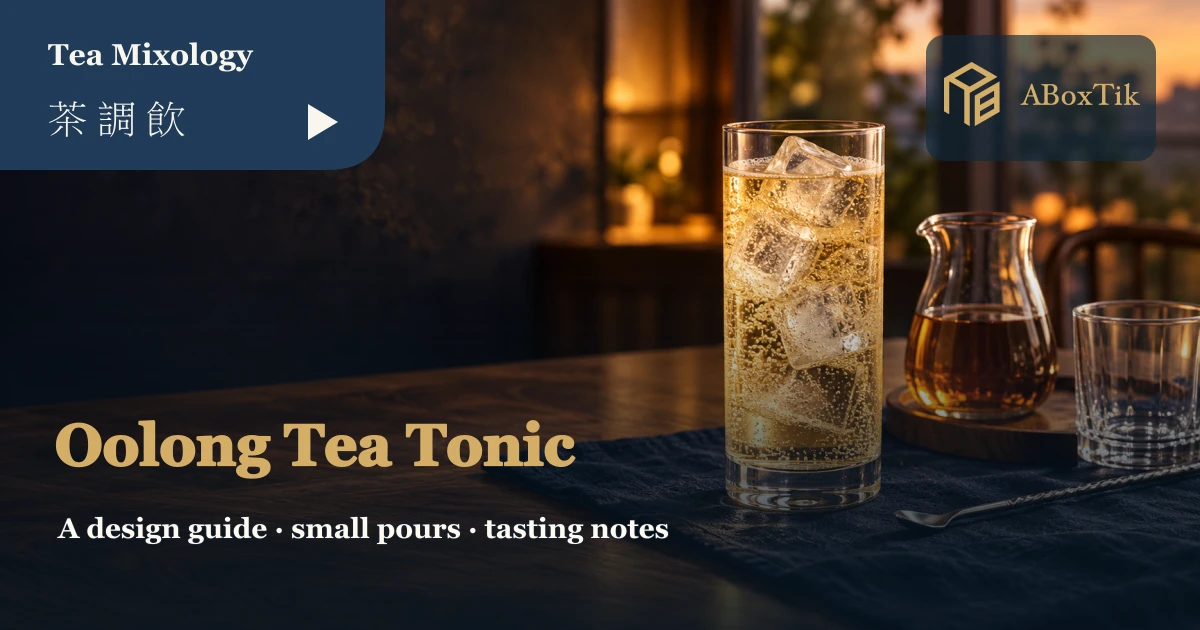
Let oolong speak first and tonic answer. Arrange the bitterness, sweetness and bubbles gradually, so nobody in the glass needs to shout.
An oolong tea tonic combines brewed tea with tonic water. Start with Taiwanese high-mountain oolong prepared and cooled separately, then use small pours to compare how much tea and tonic you enjoy together. Add tonic last and stir gently. Tonic can contribute sweetness, bitterness and its own aroma, so it does a different job from plain sparkling water.
This design guide organizes four decisions: the tea base, the tonic label, liquid proportions and ice. A worksheet leaves space for actual tasting notes. For a version without tonic’s characteristic bitter-sweet direction, see sparkling oolong tea. For a wider look at balancing ingredients, read the non-alcoholic tea mixology guide. Keeping the first glass simple makes the tea easier to recognize.
Read the tonic label before planning the sweetness
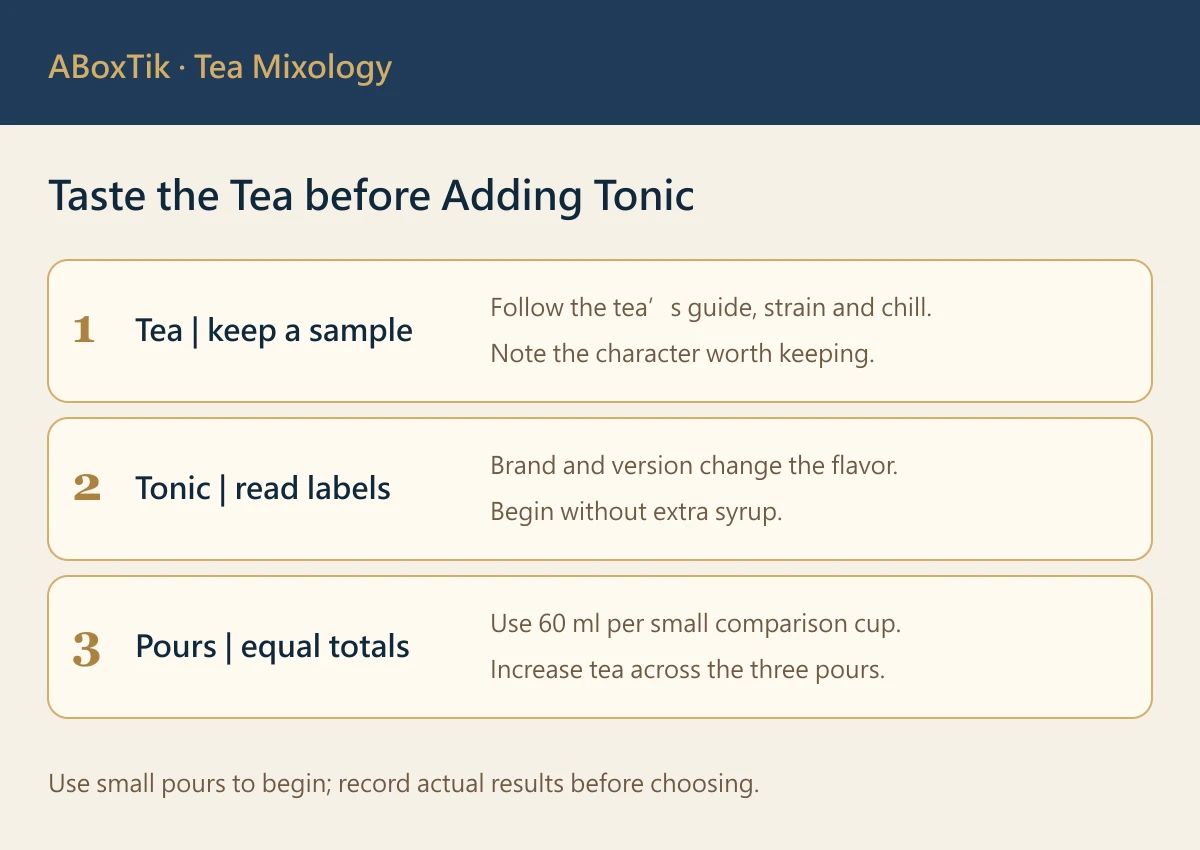
Fever-Tree describes quinine as the source of bitterness in its classic tonic, accompanied by botanical flavors. Schweppes lists different versions and market formulations, including sugar-free choices. Check the ingredients and nutrition information on the bottle being used. A transparent drink is not necessarily unsweetened, and a sugar-free version may still have a sweet taste.
Plain sparkling water mainly contributes water and bubbles; tonic brings a flavor of its own. If bitterness is not usually welcome, begin with a comparison pour containing less tonic. If that direction simply does not appeal, choose sparkling water instead. There is no need to finish an unwanted drink just because its name sounded promising. Changing the tonic brand or version means tasting again rather than assuming that the previous proportions will behave identically.
Keep a small sample of the original oolong
Choose a familiar high-mountain oolong and follow its brewing instructions. Strain out the leaves, cool the tea promptly and refrigerate. Keep a small sample aside to identify the aroma and texture worth preserving. After mixing, ask whether you can still recognize that tea. Cultivar, harvest and roast can all change the character; “high mountain” alone cannot describe the particular tea in the cup.
For context on place names, read about Nantou high-mountain tea regions. For the base, use the oolong water-temperature guide and steeping-time guide. Begin with the product’s own settings. If the tea disappears after mixing, adjust leaf amount or water volume in a later round instead of treating a longer steep as the only available solution.
Arrange three small comparison pours
First compare without ice, keeping every pour at 60 ml total liquid. Use the same batch of tea, the same tonic and the same starting temperatures. The examples below increase tea across three cups. They organize a trial; the tasting result belongs in your own notes. Measure fresh ingredients for each cup rather than repeatedly topping up one glass until the only clear finding is that the glass has worked very hard.
| Comparison cup | Cooled tea | Chilled tonic | Total liquid |
|---|---|---|---|
| A: less tea | 20 ml | 40 ml | 60 ml |
| B: equal portions | 30 ml | 30 ml | 60 ml |
| C: more tea | 40 ml | 20 ml | 60 ml |
Smell, take a small sip, and record three separate questions: can the tea be recognized, is the sweetness comfortable, and would you prefer less bitterness? If tonic masks all three, revisit the base before another comparison. If bitterness alone is the issue, try another tonic version in a fresh round. Identical liquid quantities can give different results when either ingredient changes.
Account for ice and the space in the glass
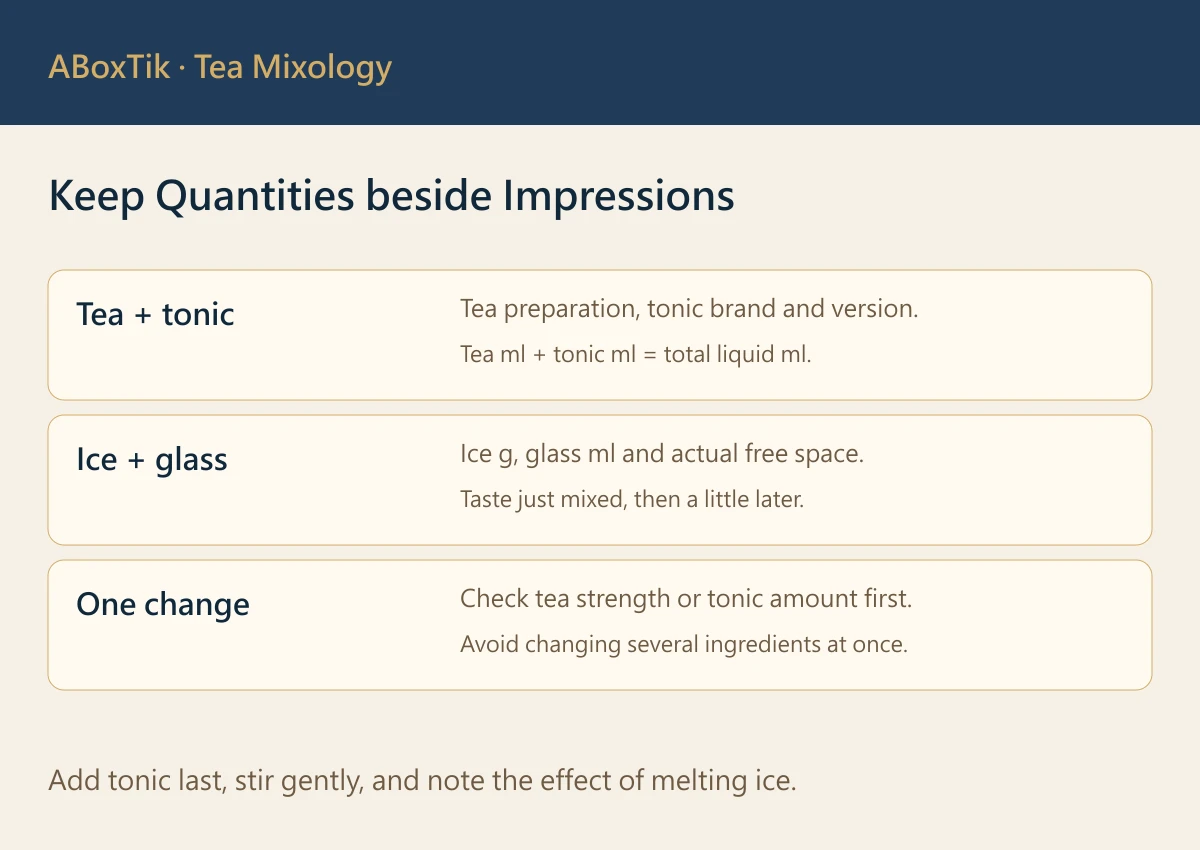
Once a small-pour direction appeals, scale its proportions before introducing ice. Tripling cup B means 90 ml tea and 90 ml tonic, or 180 ml liquid before any ice melts. If 80 g of ice is chosen as a recorded trial condition, prepare a glass of 400 ml or larger and still check the actual room available. Ice shape, stacking and glass shape affect the fit; a printed capacity alone does not promise a spill-free pour.
Add ice and tea first, then pour tonic gently along the glass and stir lightly. Keep carbonated drinks out of a sealed shaker. Prepare the cold ingredients before opening tonic so the glass is ready when the bottle is. If using a home carbonation machine for other drinks, follow that model’s instructions. This tea tonic is assembled in the glass with commercially prepared tonic, rather than being poured into a machine designed only for water.
Leave syrup out of the first round
Tonic may already contain sugar or another source of sweetness. Beginning without syrup or juice makes it easier to separate the tea, sweet impression and bitterness. If citrus is wanted later, make a separate small comparison and record the actual ingredient and quantity. Juice contributes water, acidity and possibly sweetness; even a decorative addition can have lines of its own in this conversation.
If the drink tastes too sweet, a later round can reduce tonic while holding the tea and its preparation steady. If tea character seems weak, compare a slightly more concentrated base. Work on the questions separately instead of adding tea, lemon and sugar together. The tea aroma guide and bitterness tasting guide offer words for keeping observations about the original tea separate from the mixed drink.
Record enough detail for the next glass
| Worksheet field | Your record |
|---|---|
| Tea and lot; leaf amount, water, temperature and steep time | ___ |
| Tonic brand, version and label information | ___ |
| Tea ml + tonic ml = total liquid ml | ___ + ___ = ___ |
| Ice g, glass ml and actual room remaining | ___ |
| Just mixed: tea character, sweetness and bitterness | ___ |
| Later: how does the drink seem as ice melts? | ___ |
| One change for the next round | ___ |
When comparing with a friend, write independently before exchanging notes. If one person likes A and another likes C, there is no obligation to average both preferences into B. Serving two proportions may be the more thoughtful choice. Keep utensils clean, refrigerate the cooled base and take out what is needed for mixing. To use a cold-brew base, follow the cold-brew ratio and refrigeration guide and make a new record instead of transferring conclusions from a hot-brewed, cooled tea.
Give Taiwanese tea a recognizable part
The pleasure of a tea tonic lies in meeting a familiar aroma in a different bitter-sweet setting. Read the ingredients, compare small pours, then decide how ice and any additional flavors belong. When someone asks which is best, hand the choice back gently: “Would you like more tea today, or more tonic?” A useful answer can change from one occasion to another.
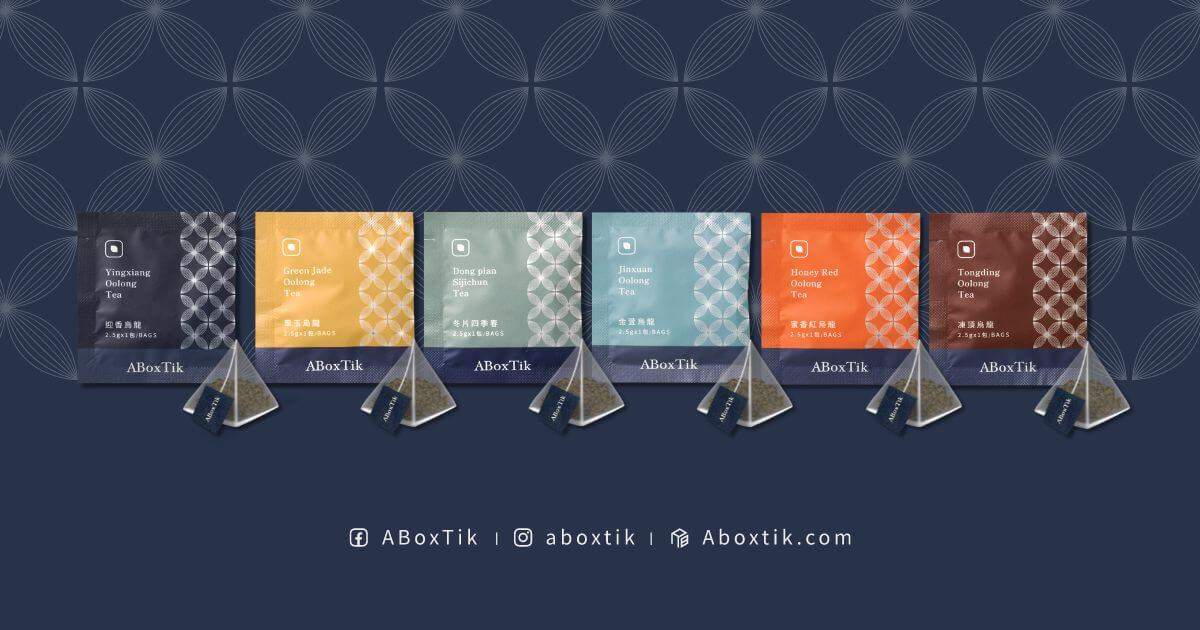
For several pure-tea directions, explore the current choices in the Classic Taiwanese Tea collection. For convenient individual portions, browse the ABoxTik tea collection and follow each selected product’s instructions. The whole-leaf tea-bag guide explains how leaf form and bag space fit into brewing choices.
Related reading
Explore more tea mixology ideas, beginning each new combination with the plain tea.
Sources
- Fever-Tree: Premium Indian Tonic Water
- Coca-Cola: Schweppes tonic and soda-water ingredient information
- Schweppes: Zero Sugar Tonic Water
Checked 2026-10-14. Check the local version on the bottle being purchased.