
Tea Knowledge
Cuifeng, Wushe and Cingjing: A Micro-Terroir Guide to Nantou High-Mountain Tea
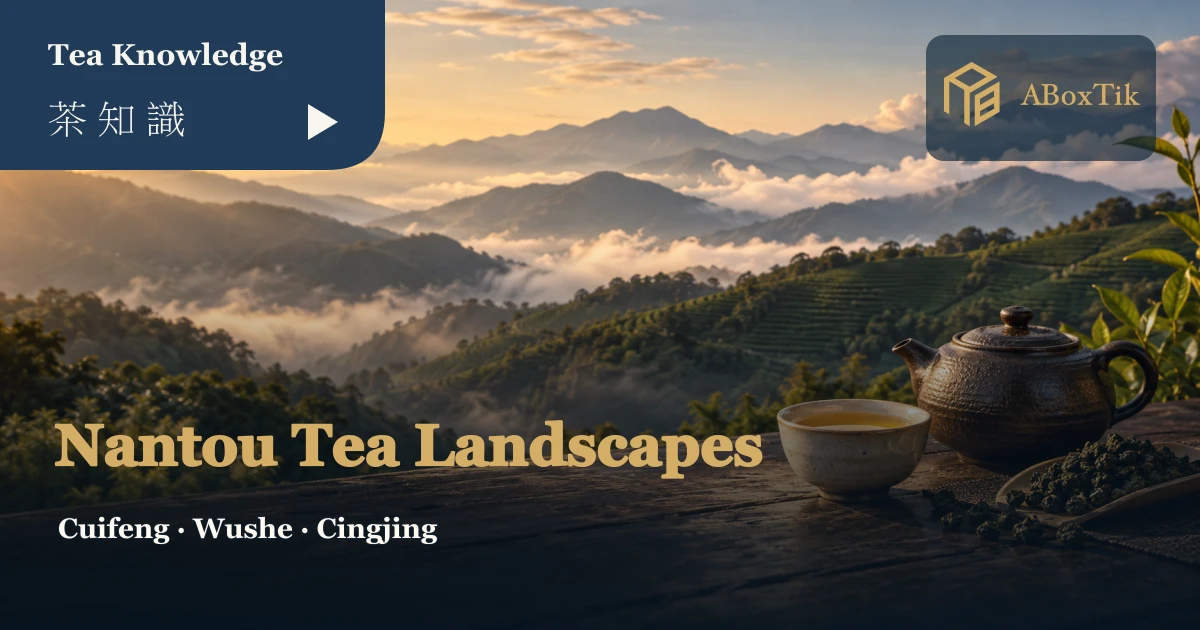
A mountain name is a first introduction. Batch details, making style and a quiet tasting note turn it into something you can actually understand.
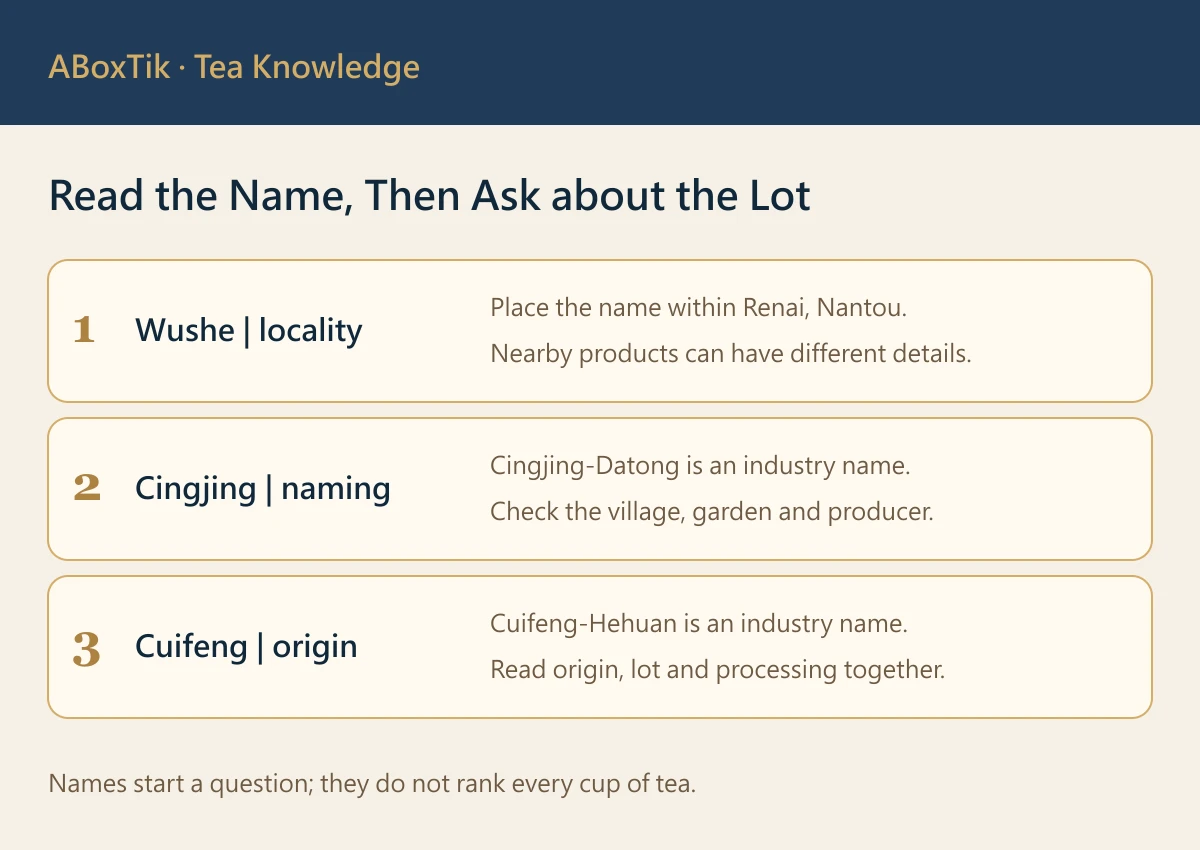
Nantou high mountain tea regions become easier to read when Cuifeng, Wushe and Cingjing are placed within Ren’ai Township. Along the relative mountain-road sequence, begin with Wushe, then Cingjing, then Cuifeng. When a packet carries one of these names, ask for the garden or source, season, cultivar, process and batch. Those five details are more useful than trying to rank mountain names.
The Tea and Beverage Research Station describes Ren’ai as a tea-growing area where Qingxin Oolong and lightly oxidised, semi-ball-shaped teas are common. Ren’ai Township’s agricultural page also names Cuifeng–Hehuan among its high-mountain-tea areas. The two sources use different scales, which is the point: a place name is context, not a complete product specification. Begin with our Taiwan tea regions guide or high-mountain tea overview for the wider picture.
Nantou high mountain tea regions: read the place names first
| Name on a packet | A sensible first reading | Useful next question |
|---|---|---|
| Ren’ai | A broad administrative and tea-area context | Which village or source? |
| Wushe / Cingjing | Mountain settlements and familiar local reference points | Does the name describe leaf origin, a producer or a story? |
| Cuifeng | A more local place and supply-description clue | Is a garden, batch or maker identified? |
Put county and township on the outer layer, then separate locality names from the origin of a particular tea. Cingjing Farm’s official location information links Wushe with Cingjing along Provincial Highway 14A, and lists Hehuanshan, Cuifeng and Cingjing from the other direction. Read together, these descriptions give the relative Wushe–Cingjing–Cuifeng sequence. For a purchase, continue to the actual garden and maker. If the packet gives only one name, treat it as line one of the record. Traceability and origin information helps fill in the rest.
What the regional evidence does and does not say
The official profile of Ren’ai mentions its conditions, the prevalence of Qingxin Oolong, and lightly oxidised semi-ball-shaped tea. It gives a credible regional starting point. It does not make every tea from the area identical. Cultivar, leaf maturity, picking weather, withering, rolling, oxidation, roast and storage all participate in the finished cup.
“High mountain” therefore is not a height contest in a tin. Use it beside how oxidation shapes oolong, an aroma-recording method and a high-mountain tea quality guide. Place provides a setting; the particular tea still needs its own evidence.
Do not turn three names into three fixed grades
Cingjing may appear in a farm, hospitality or regional story. Wushe may act as a broader gateway name. Cuifeng may suggest a more local mountain source. A seller’s wording decides what a particular label means. The label alone cannot prove a garden boundary, fixed elevation, flavour or quality level.
That leaves room for a calmer choice. For fresh-fragrance oolong, compare teas with a similar making and roast direction. For warmer aromas or more body, let roast and storage information carry more weight. Huagang versus Lishan tea offers the same useful habit: separate a place name from batch and process.
Five questions before buying
- What does this name point to? A tea area, village, garden, maker or product series?
- Which season and year is this batch? Treat season as timing, not a guaranteed flavour.
- Is the cultivar stated? Do not infer it from Cingjing or Cuifeng.
- How was it made? Style, oxidation and roast often shape comparison directly.
- Who can clarify it? A batch, maker or responsible seller creates a useful next conversation.
These questions are simply place cards for tea. If a field is missing, leave it blank rather than filling it with a handsome story. Pair them with our Lishan tea guide, tea storage guide and basic brewing method.
Make a comparison fair
First brew each tea according to its maker’s guidance. For a comparison round, keep vessel, water source and volume, leaf weight, temperature and steeping time consistent. The first round lets each tea speak in its intended voice; the second gives differences a fair seat at the table.
Note dry aroma, warm aroma, body and finish. If two teas differ in season, cultivar or roast, circle those differences before crediting the place name for everything. Next time, choose closer conditions if you want to explore origin more carefully. Tea-water-temperature guidance and simple aroma notes make this small experiment easier.
A practical comparison can stay pleasantly small. Choose two teas, prepare the same cups and a modest amount of water, and set a timer before pouring. Taste the first infusion while it is warm, then return after it cools slightly. Write what is present rather than what ought to be there: perhaps one tea feels lighter, another more rounded, or one finish lingers longer. If neither note sounds dramatic, that is perfectly useful too. The aim is not to identify a mountain blindfolded; it is to notice what this tea does on this day.
On another day, repeat the session with the same variables. A second tasting can reveal whether a difference was consistent or simply the result of a rushed afternoon, a changed water source or an overlong steep. Keep the packet, opening date and brewing note together. This modest discipline makes a later purchase question easier: “I enjoyed this clean, floral batch; do you have another tea with similar processing and a clearly stated origin?” A good seller can answer that more precisely than any grand mountain slogan.
Build a personal terroir map
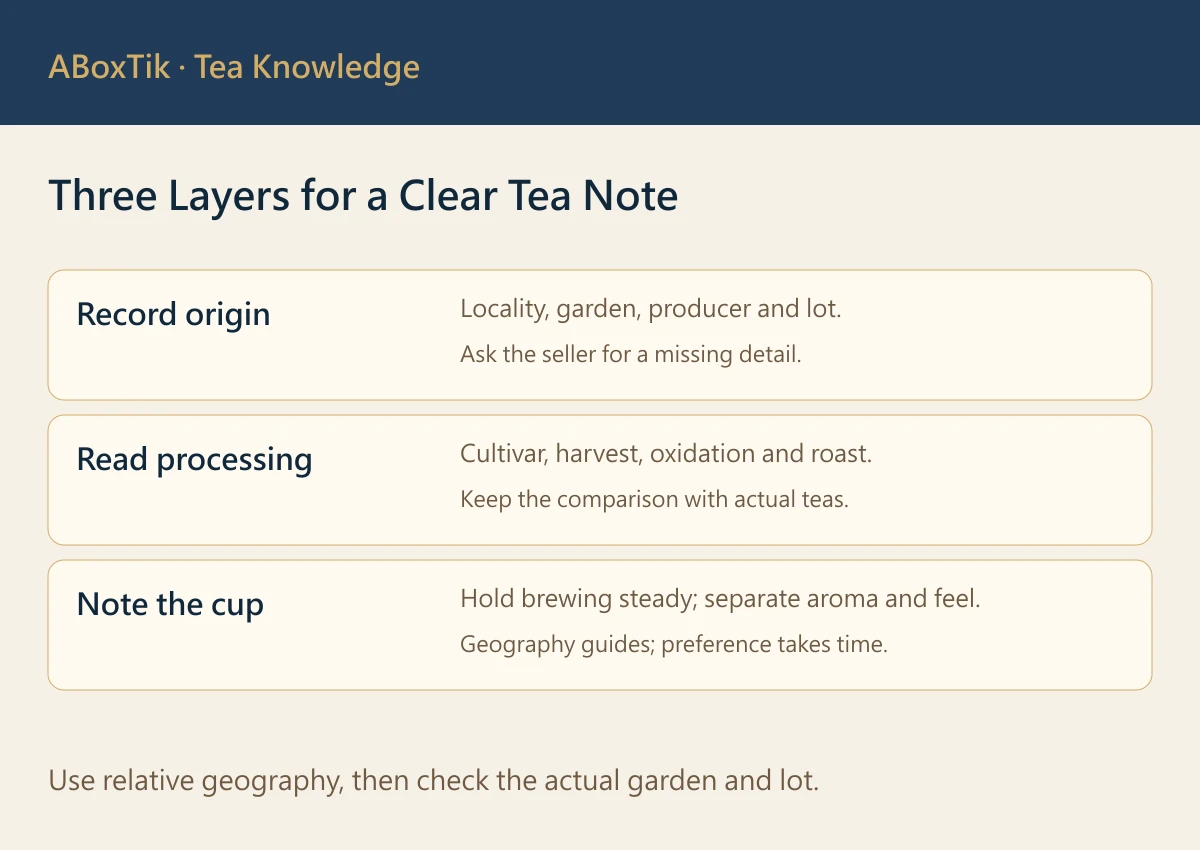
Keep a small card for each tea: name and source, season or year, cultivar, process, opening date and three impressions from the cup. By the second session it is more reliable than memory. By the third, a mountain name begins to feel less distant and more specific.
There is also room for a little surprise. A tea that seemed quiet on the first morning may feel different when brewed another day; a tea admired in a small tasting cup can also feel different in a larger home cup. Neither result disproves its origin. It simply places your preference beside the batch information. A personal map is useful because it includes both: what can be checked on a label, and what you actually enjoyed at the table.
For a gift, ask whether the recipient enjoys floral freshness, a clean finish or a roasted direction instead of declaring a single “best” mountain. Browse tea as a gift, how to choose a tea gift box and the current ABoxTik tea collection with that preference in hand.
From a name to a particular cup
Cuifeng, Wushe and Cingjing make Nantou’s mountain landscape more vivid. A useful way to bring that landscape home is simpler: let the name point the way, let source and batch add detail, and let brewing and notes supply your own answer. Mountain mist passes; clear information and a thoughtful cup can stay.
Tea with ABoxTik
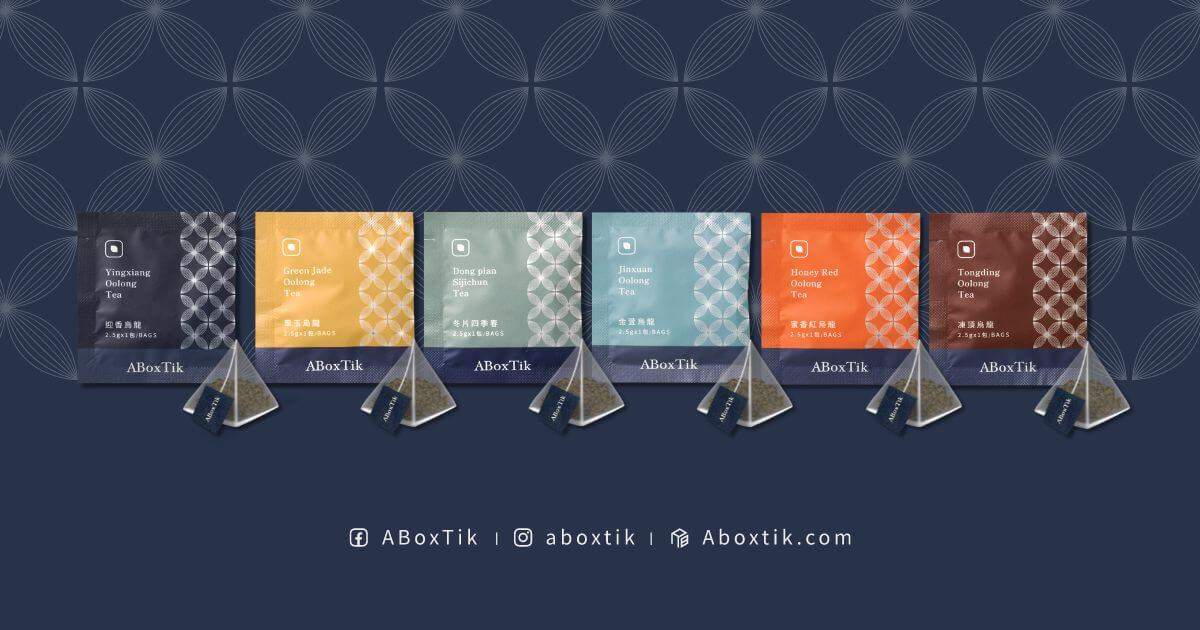
Start with one familiar tea, note one clear impression, then place another style beside it on another day. The current contents of the Classic Taiwanese Tea Gift Set can support that gentle comparison.