
Tea Knowledge
High Mountain Tea Quality: Six Things to Check Beyond Altitude
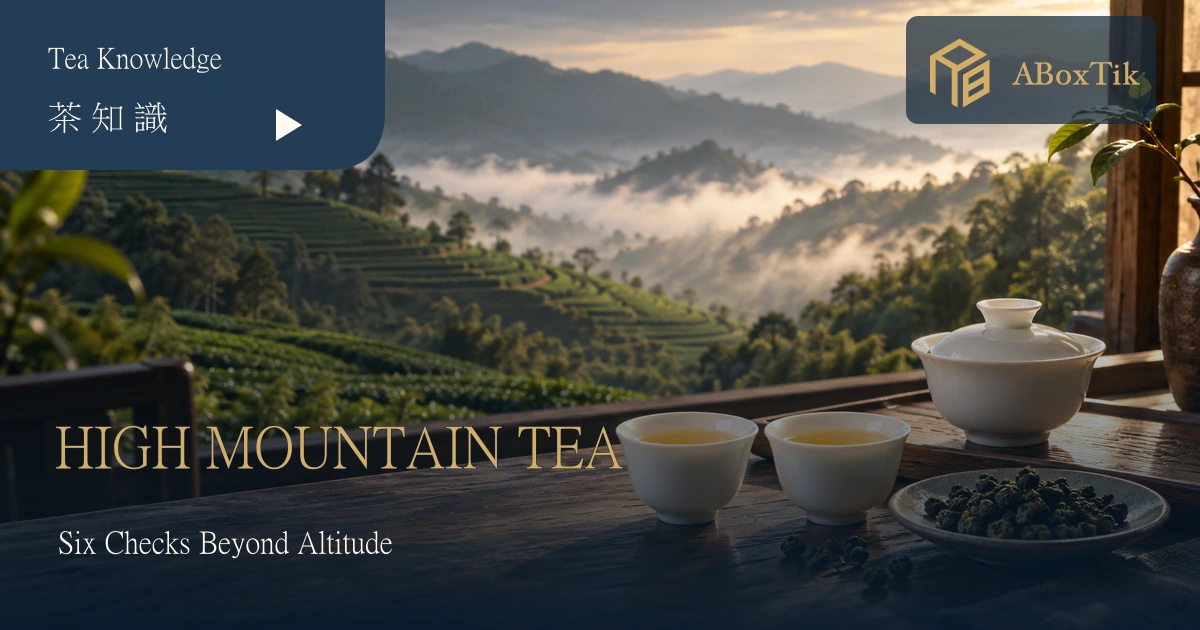
The mist above a tea garden is worth remembering. So are the small details in a cup. There is no need to chase the highest number; a few thoughtful questions can make choosing tea feel more comfortable.
High mountain tea quality cannot be judged by altitude alone. A cool growing environment provides a starting point, but cultivar and garden, harvesting, fresh-leaf handling, processing, storage and the finished cup all matter. A higher garden does not guarantee a better batch, and tea from lower elevations need not be dismissed.
If two similar packages carry different mountain names and prices, uncertainty is understandable. This guide offers six useful checks and a tasting record for the tea actually in hand. For the geography, begin with our Taiwan high mountain tea overview. Here, the focus is what to ask before buying and what to observe after brewing.
Why is high mountain tea appreciated?
Taiwan’s Tea and Beverage Research Station describes how cool conditions, mist and shorter sunshine can influence high mountain oolong leaves and their composition. Its cultivation information also places climate, terrain and soil together. These explanations help us understand a growing environment; they do not turn metres above sea level into a score for every packet.
Even within one mountain area, gardens, cultivars, weather at harvest and processing choices vary. A lightly oxidised tea and a roasted tea also deserve to be understood in their own styles. A darker liquor is not automatically inferior. Read our Alishan tea region comparison or Lishan tea guide for a closer regional view, then return to the information for the particular batch.
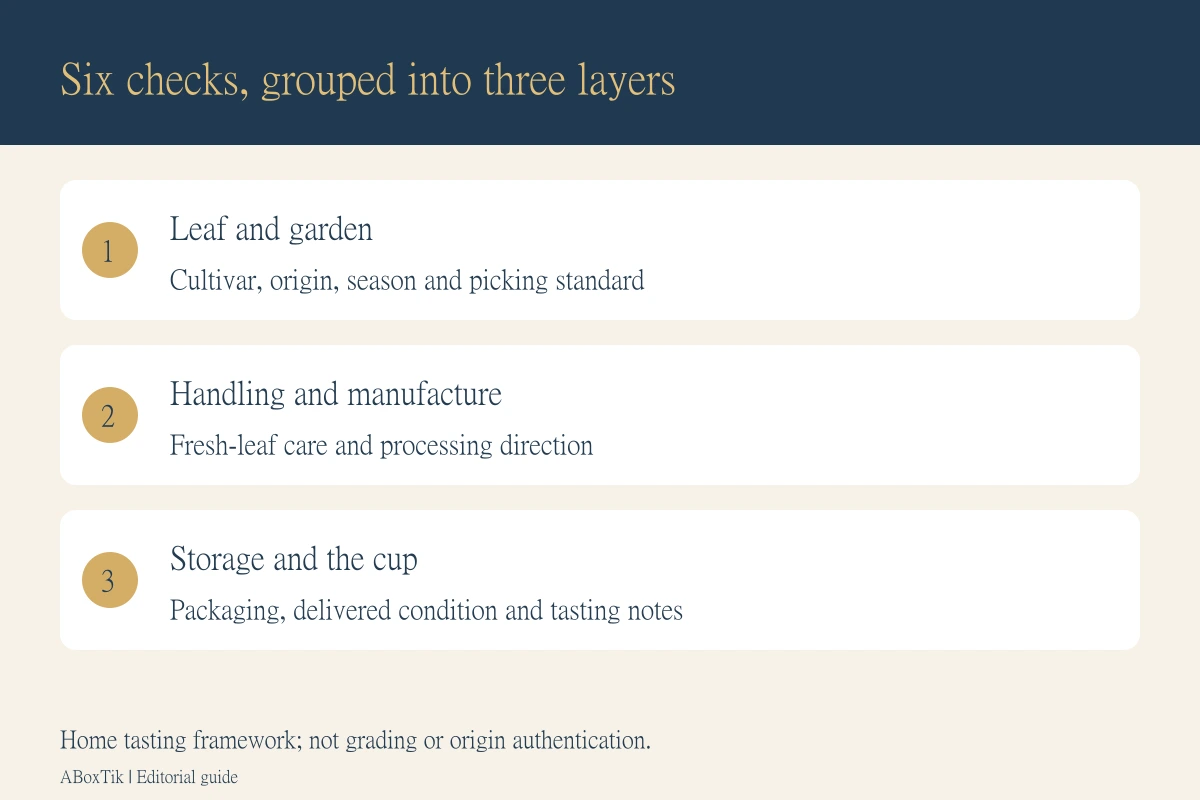
High mountain tea quality: six checks beyond altitude
| Check | What to ask or observe | What it cannot prove alone |
|---|---|---|
| Cultivar and garden | Cultivar, specific origin and producer | A mountain name is not a cultivar or grade |
| Harvest | Season, year, leaf maturity and picking standard | Spring or hand-picked does not always mean better |
| Fresh-leaf handling | Transport, ventilation and the transition to processing | A high garden cannot replace careful handling |
| Processing | Withering, oxidation, drying and roasting direction | Greener or more fragrant does not always mean finer |
| Storage | Seals, opening date and storage advice | A famous origin cannot prevent deterioration |
| The cup | Aroma, flavour, texture and finish together | A preferred flavour cannot establish altitude |
This is ABoxTik’s editorial choosing framework, not an official grading system or an at-home origin authentication method. Every production detail may not be available. Separating known information, unanswered questions and personal impressions is already a helpful step beyond an unexplained “premium” label.
The first three checks: understand the leaf
Begin with cultivar and place. Qingxin oolong and Jinxuan describe plant material; Alishan and Lishan describe regions. These details belong alongside one another rather than serving as substitutes. A cultivar is not a fixed quality grade either. Our Jinxuan oolong introduction explores one starting point, while the Taiwan tea regions guide helps organise the geography.
Next, put harvest season and picking standards back into the batch. Spring and winter are useful context, but actual weather and leaf maturity still matter. Hand and machine harvesting suit different working conditions. Neither label gives a complete verdict. The machine-harvested tea quality article discusses a controlled competition example; its raw material and farming conditions should not be attributed to unrelated commercial products.
The third check often sits outside the packaging story: how fresh leaves move into processing. Official processing information connects raw-leaf condition with the work that follows. If a seller provides batch or post-harvest handling details, read them carefully. A consumer may not receive a complete timeline, and missing information alone does not establish poor tea. Ask for clarification where possible, and leave the remaining uncertainty visible.
The last three checks: follow the tea to the cup
Processing requires more than completing a list of operations. Withering, oxidation and drying respond to leaf condition; roasting contributes another direction of flavour. Our guides to tea withering and oolong oxidation explain parts of that journey. Fresh floral and warmer roasted styles can both be enjoyable without one becoming the universal benchmark.
Storage belongs in the assessment too. The research station’s packaging guidance identifies moisture, oxygen, light, temperature, time and foreign odours as deterioration factors. Good material and skilled manufacture still need suitable care after leaving the producer. Look at the inner packaging and instructions, then consider portions that fit the drinking pace. The tea storage guide offers a practical next step; the outer box alone tells only part of the story.
Finally, pay attention to the cup. Keep dry-leaf aroma, warm aroma and the slightly cooled impression separate. Note strength, texture and finish rather than relying on “very fragrant”. The tea aroma guide provides useful language. If a brew feels too concentrated or astringent, check quantity and time before deciding the tea is at fault. There is also no obligation to like an expensive tea simply because it was expensive.
Compare two teas at home with similar conditions
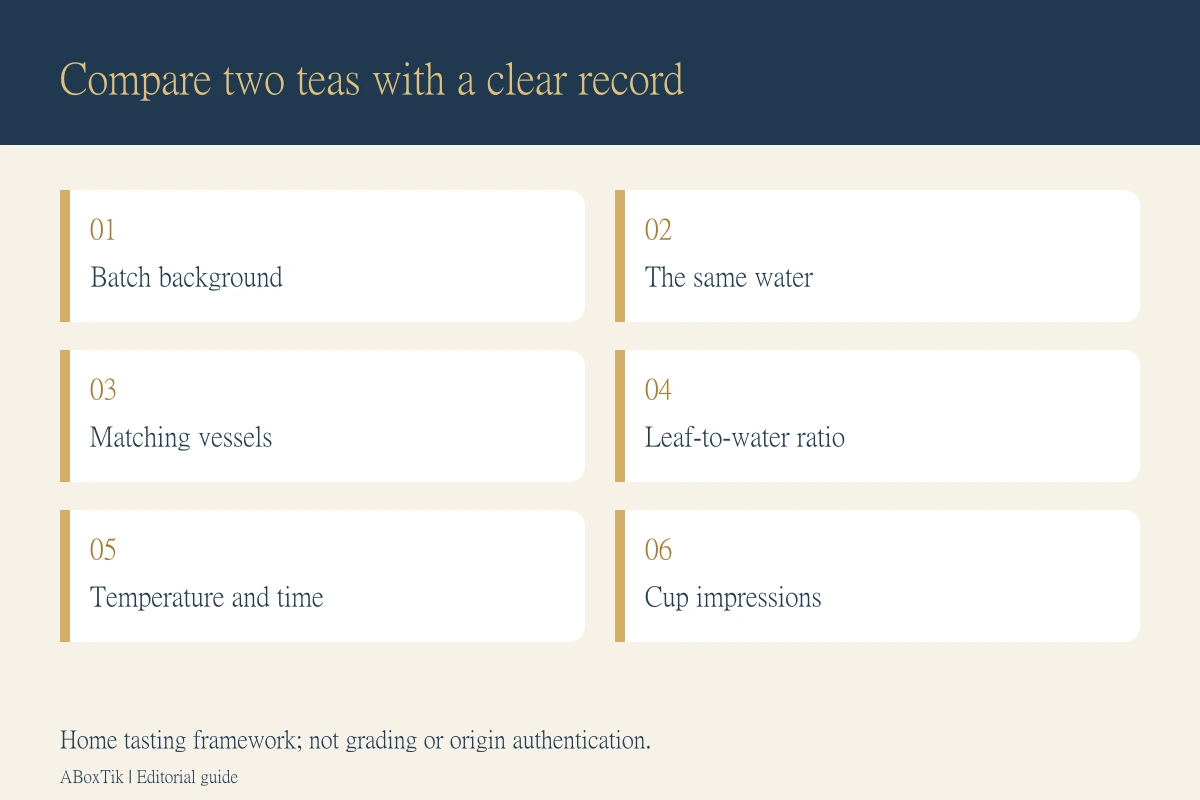
This is a home tasting exercise, not professional grading. Choose teas in the same broad category with similar oxidation and roasting direction. If cultivars or seasons differ, write that down rather than assigning every difference to elevation. For a first comparison, keep water, vessel, leaf-to-water ratio, temperature and time consistent. If the packages recommend different methods, make a separate second round following each tea’s instructions.
- Record the background: name, cultivar, season, batch and opening date. Leave unknown details blank.
- Record the brew: actual leaf quantity, water quantity, temperature and time. Our brewing guide can help establish a starting point.
- Taste before checking price: note aroma, the first sip and the cooler finish to reduce expectation effects.
- Change one variable: shorten time if the tea is too strong, then compare again. Avoid changing the pot and adding leaves at once.
A simple “enjoyed / neutral / try another setting” plus one concrete observation is enough. Personal preference need not become a numeric grade. Two tea samples cannot settle the quality of all high-elevation production. For the price question, read the premium tea price and value guide, keeping net weight, packaging and service distinct.
Common questions when choosing high mountain tea
Is tea from lower elevations always worse?
No. Elevation is environmental context; cultivar, season, processing, storage and preference also matter. ABoxTik’s Dong Pian Sijichun page describes a lower-to-middle-elevation tea with a floral direction. It is another exploration option, not evidence from a comparative experiment against high mountain tea.
Does a powerful aroma mean high quality?
Aroma is one observation alongside flavour, texture and finish. Roast style, concentration and temperature affect the impression. A single descriptive word cannot establish origin, grade or storage condition.
Should a beginner buy the most expensive tea?
There is no need. Start with clear information, a manageable quantity and a tea worth practising with. The six tea categories can help identify a direction before choosing a particular mountain.
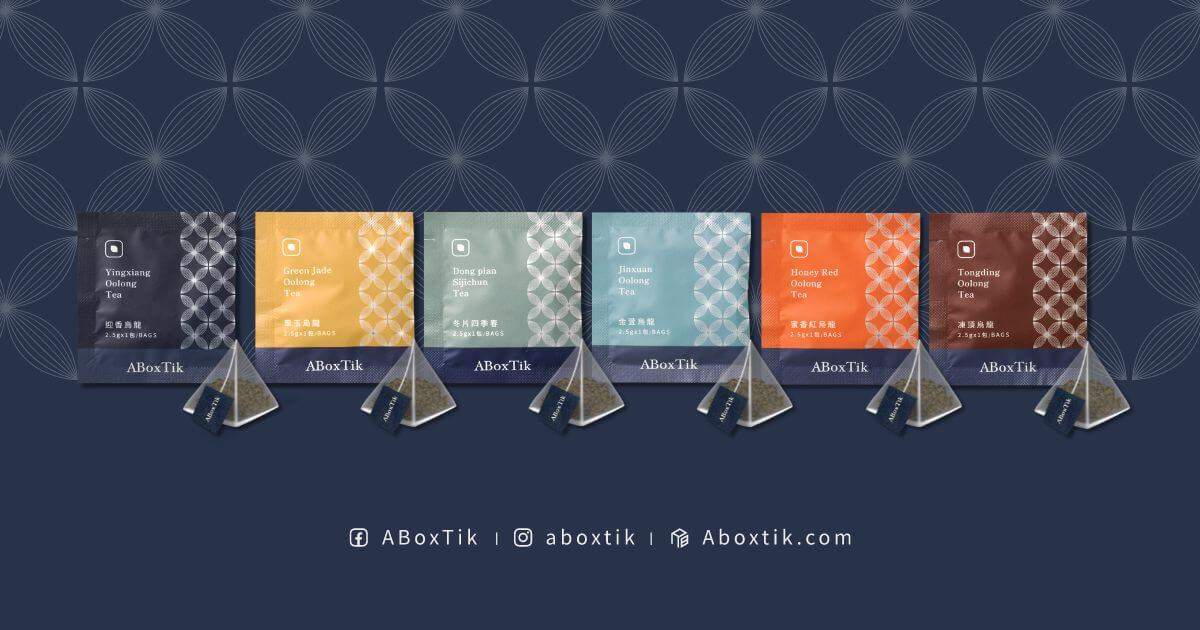
Follow ABoxTik | Let the mountain name open the conversation, and let clear information and a familiar cup guide the choice.
Let altitude describe the place, and daily life guide the choice
Understanding high mountain tea does not require learning every processing term at once. Start with the origin and style of the batch in hand, care for its storage and adjust brewing gently. For several Taiwanese flavour directions, explore the Classic Taiwanese Tea collection. If measuring loose leaves suits the routine, browse Taiwanese loose-leaf tea. Our approach appears in About ABoxTik for a quieter next read. Current product specifications and availability remain on the individual pages.
Sources
- Tea and Beverage Research Station: High mountain oolong (checked 2026-10-03)
- Tea and Beverage Research Station: Taiwanese specialty tea processing (checked 2026-10-03)
- Tea and Beverage Research Station: Tea packaging and storage (checked 2026-10-03)