
Tea Knowledge
Alishan vs Shanlinxi Tea: Compare the Details Before the Mountain
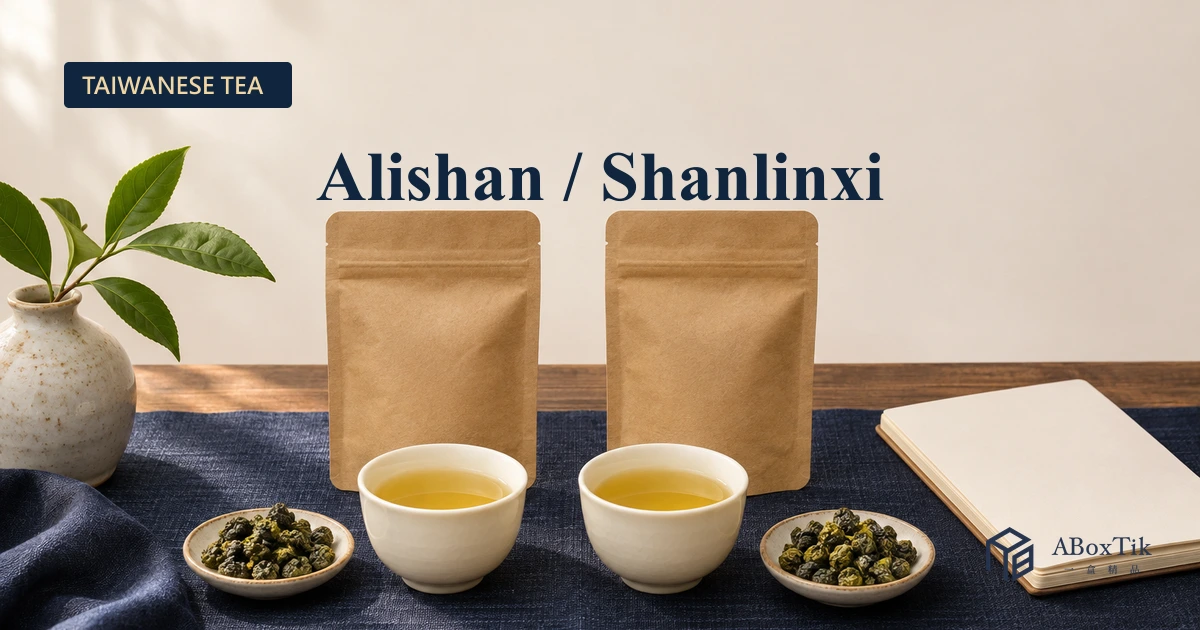
Compare Alishan and Shanlinxi tea by aligning cultivar, harvest year, season, roast and net weight before interpreting the cup. Both names provide regional clues; neither creates a quality ranking on its own. For an everyday high-mountain tea, start with a clearly described product, a usable quantity and a preparation that can be repeated.
Product pages can make both choices sound appealing through flowers, forest impressions and lingering sweetness. Three checks help move the decision forward: whether the information is comparable, whether the preparation is repeatable, and whether the preference remains on a second occasion. This editorial method organises a purchase rather than reporting a regional tasting contest.
Use each regional name to ask a more precise question
Agricultural information places Alishan and the Shanlinxi area of Nantou’s Zhushan within Taiwan’s high-mountain tea landscape. Individual products can provide finer place names or producer details. Read the level of source information actually supplied, then ask about cultivar and processing, instead of silently adding an exact garden to a broad label.
The Alishan regional article and Shanlinxi guide explore the places. The Taiwanese tea style overview is useful when the larger choice is still lighter aroma, roast or another direction. This page concerns two regional products already sitting on a buying shortlist.
Check one: are several conditions changing at once?
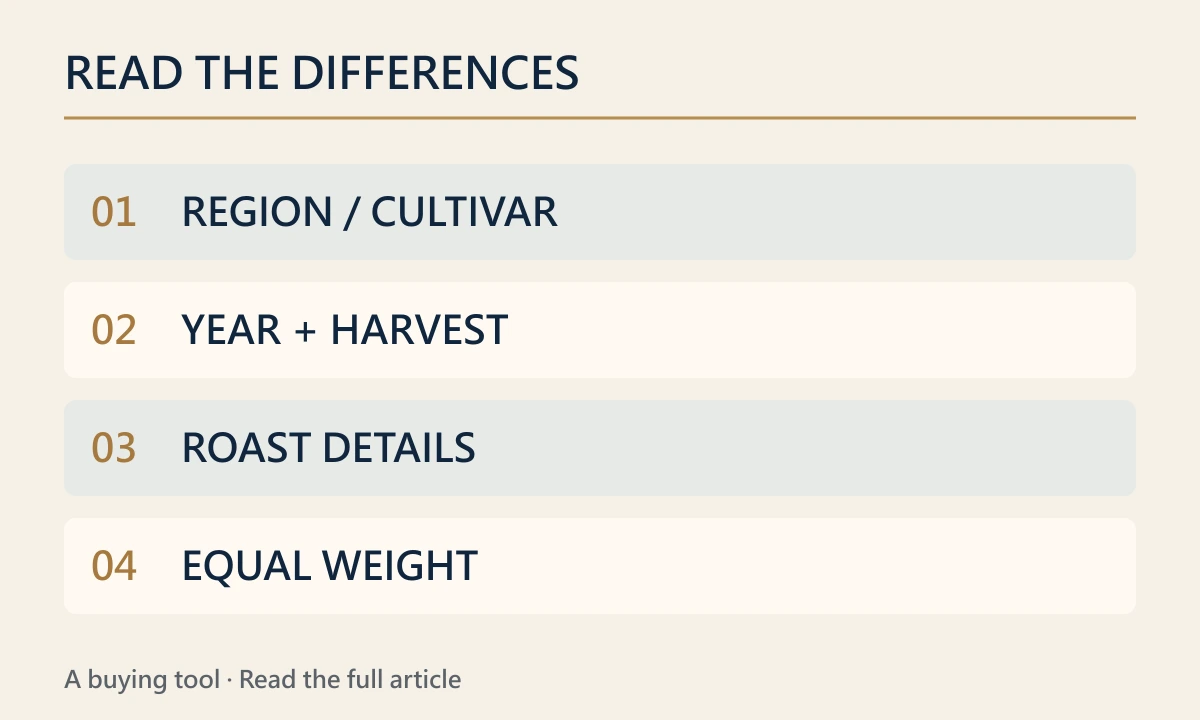
If tea A is Alishan Jin Xuan and tea B is Shanlinxi Qingxin oolong, with different harvests and roasts as well, both can still be considered as purchases. What the comparison cannot do is assign every sensory difference to region. Mark the changing fields first so that the question remains proportionate to the evidence.
For a more focused regional exercise, ask whether two products with closer cultivar, year and processing directions are available. An exact match may not exist. Keep the known differences in the note rather than cancelling the afternoon. A home comparison need not become laboratory research to benefit from a clear description of its conditions.
| Field | Alishan product | Shanlinxi product | If different |
|---|---|---|---|
| Cultivar | Copy the actual information | Copy the actual information | Retain the cultivar difference |
| Year and season | Record both | Record both | Region is not the only variable |
| Roast | Use the product description | Use the product description | Observe roast separately |
| Net weight and format | Grams and preparation format | Grams and preparation format | Align the buying unit |
| Source and batch | Confirmed details | Confirmed details | Ask rather than filling gaps |
Check two: do not estimate equal concentration with a spoon
For the first round, use each product’s instructions, the same water and similar vessels that drain easily. Weigh, measure and time, recording what actually happened. Even two rolled teas need not weigh the same in a spoon. Differences in pellet size and tightness can quietly change the quantity before the kettle is switched on.
Drain both teas, smell, then take small sips. If one is uncomfortably strong, adjust its preparation before calling concentration a deeper mountain character. Record aroma, body, bitterness, astringency and finish separately. The next round then has a specific question, instead of a vague attempt to make the apparently weaker tea catch up.
If both products suit a common setting, a second round can hold leaf weight, water volume, temperature and time constant. Label it as that test. If the instructions differ, retaining their individual recommended methods can still answer which is easier to enjoy in daily use. Research on brewing water provides context, but the home note needs the actual water used, so a water change does not become a supposed regional difference.
Check three: an interesting cup and a regular purchase differ
A new aroma can make a large packet tempting. First write down one enjoyable feature and ask whether the everyday vessel can reproduce the cup. On another occasion, reverse the tasting order and see whether the preference remains. Different results are normal; check conditions and allow room for both novelty and a more repeatable liking.
If both teas appeal, assign different roles: one for an easy weekday cup, another for a slower weekend comparison. If buying only one, quantity and drinking frequency matter too. A lower price per gram does not make unused tea a better purchase. The tea price and value guide helps separate contents, packaging and service in that decision.
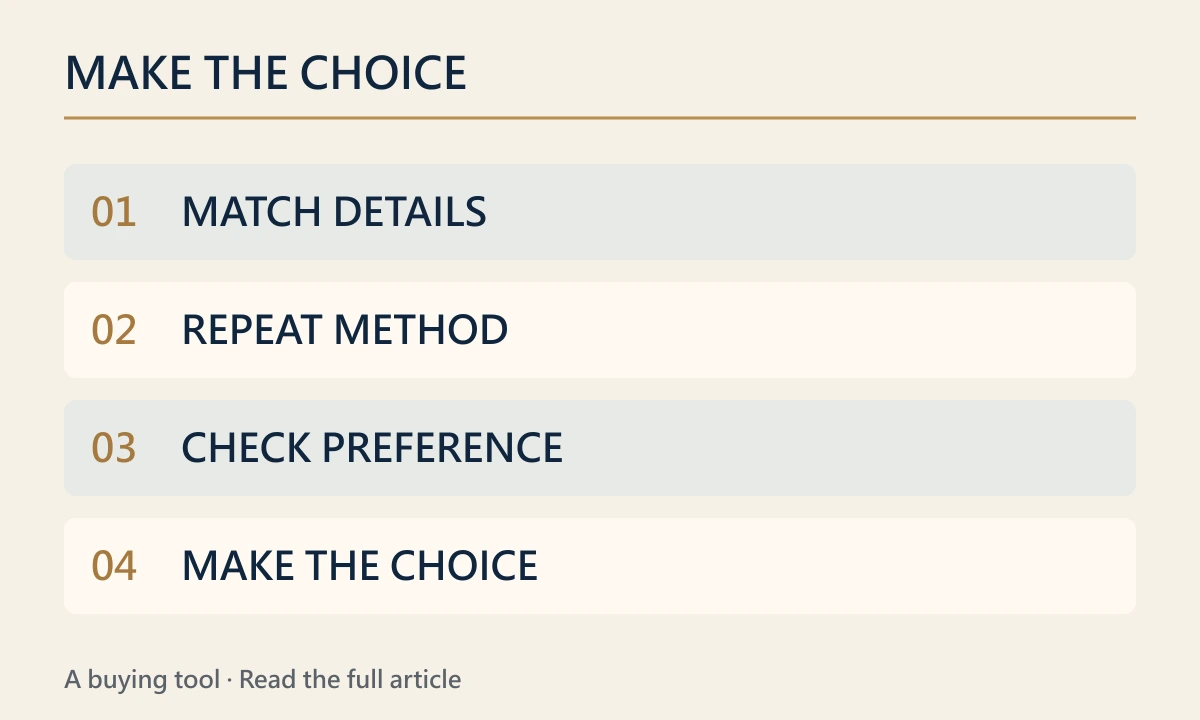
The result of the three checks may be “ask for more details,” “adjust the method” or “both fit different uses.” It does not have to be an Alishan or Shanlinxi victory. Each of those outcomes supports a clearer action than a total score that conceals what was actually compared.
Match certification, stories and gifts to the particular item
If a product supplies an origin-certification mark or lookup information, use the relevant official material to match the user, tea and scope. If a mark is not visible, read the actual source, batch and responsible seller information without inventing certification status. Source documentation and personal flavour preference serve different parts of the purchase.
For a gift, combine one confirmed source detail with a usable brewing note. Avoid promising a fixed flower aroma for every Alishan tea or a bamboo aroma for every Shanlinxi tea. When preferences are unknown, ask about lighter versus roasted styles and loose tea versus bags. That moves the decision from a mountain name towards a format the recipient can use.
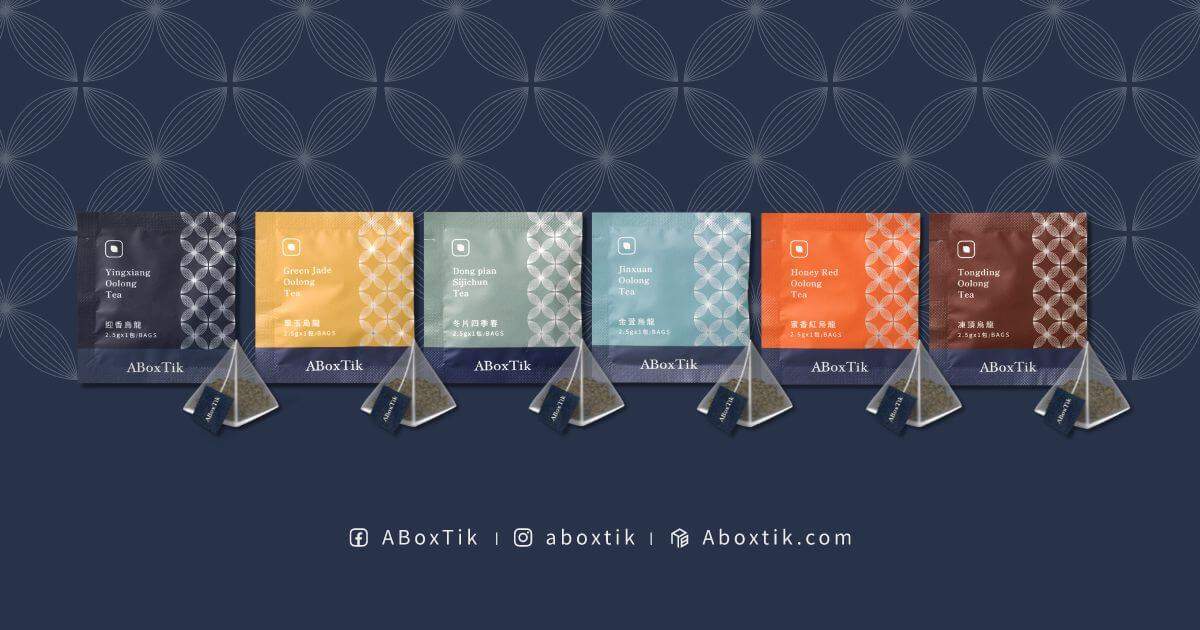
The ABoxTik Taiwanese tea selection provides actual products to explore. For a gift set, check the names and source details of its individual teas. Retain the full product name and specifications so that asking for a similar style next time begins from a shared, identifiable reference.
Common questions about Alishan and Shanlinxi tea
Which region is always more premium?
The regional name alone cannot decide. Read the source, batch, material, processing and actual cup in relation to the intended use.
Can different cultivars still be compared?
Yes, as actual products to choose between. Keep the cultivar difference in the record rather than attributing the outcome only to region.
Does missing a forest aroma mean I am inexperienced?
No. Such words are possible sensory descriptions. Record personal impressions and preparation; vocabulary should help the decision rather than become an entrance examination.
Two mountain names are enough climbing for the cup today. Tea gifts, further reading and the latest selections below keep exploration at a comfortable pace.
Sources
- Tea and Beverage Research Station: Origin Certification Marks
- Agricultural Knowledge Portal: Taiwanese Tea Regions
- Tea and Beverage Research Station: Brewing Water and Temperature
Sources reviewed 17 November 2026. Methods and fictional calculations are editorial tools; product details follow the current listing.