
Tea Knowledge
VIP Client Tea Gifts: Batches, Stories and Personal Fit
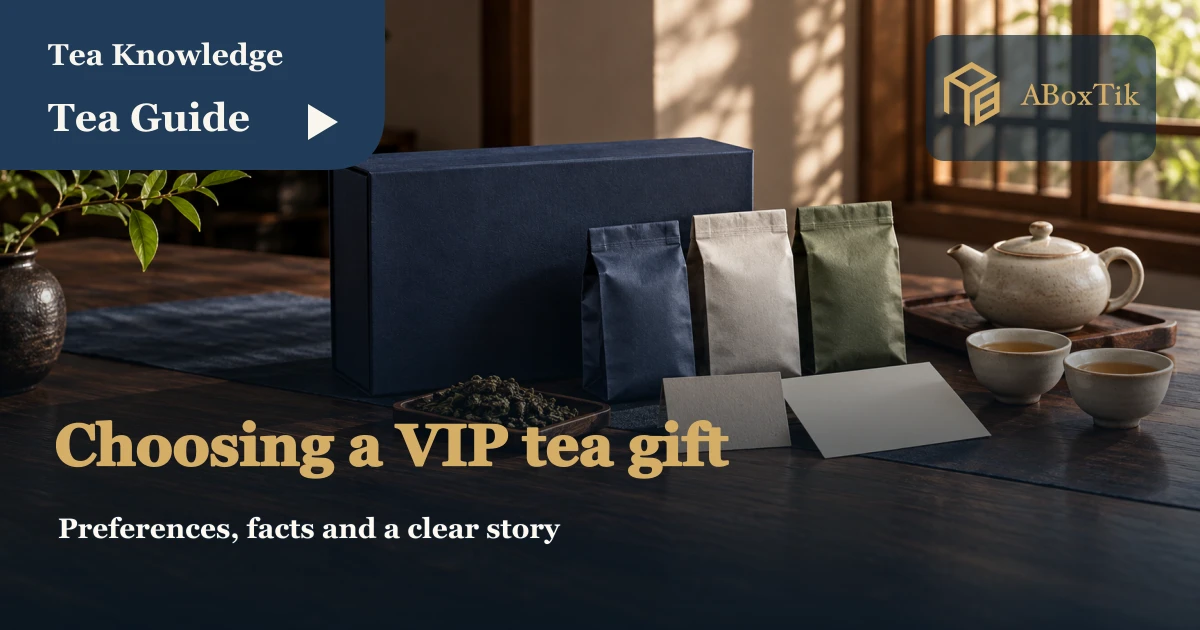
An important client does not need a gift that is difficult to understand. A clear origin, a thoughtful reason and a story that leaves room for conversation can make the first cup feel welcoming.
Choose a VIP client tea gift by matching preferences and use first, then checking the current batch, origin, packaging and delivery conditions. A rare-sounding name cannot replace verifiable information. Build the story around what the supplier can confirm, so the recipient knows what the tea is, why you chose it and how to begin.
This guide provides preference and story-checking cards rather than a ranking by price or rarity. The rare-tea introduction and high-mountain quality guide explain related background. Here the decision is how to select one gift for one particular client.
Start a VIP client tea gift with the receiving situation
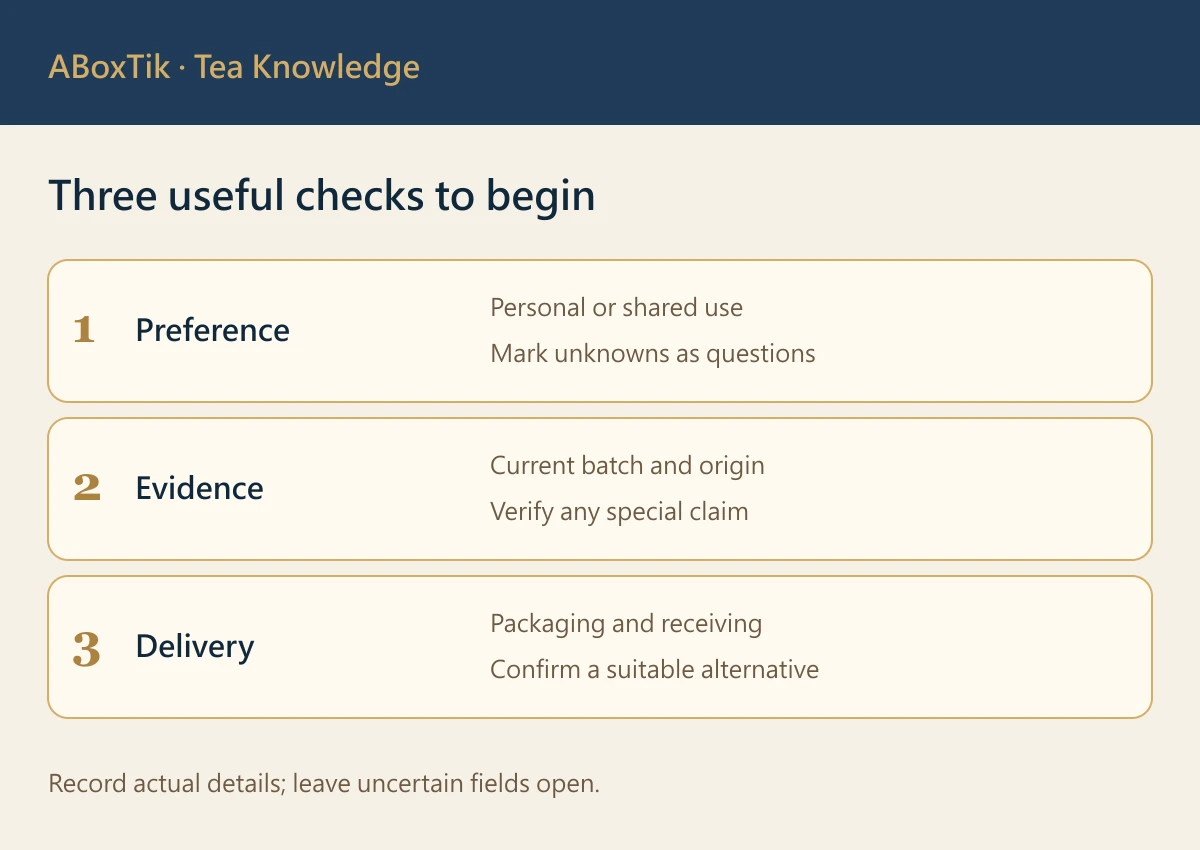
Is the tea intended for one person, an office to share or a formal visit? Each setting changes the useful serving format, information and carrying arrangements. A job title does not reveal drinking habits. Ask a familiar contact about known preferences where appropriate, without requesting unnecessary private information or treating a role as a flavor profile.
Separate known facts from questions: light or roasted preference, tea bags or loose leaves, convenient receiving arrangements and any need for a bilingual card. Mark unknown items as unconfirmed. Location, age and seniority do not automatically answer them. When little is known, a clearly described and accessible format is more honest than inventing an exclusive personal preference.
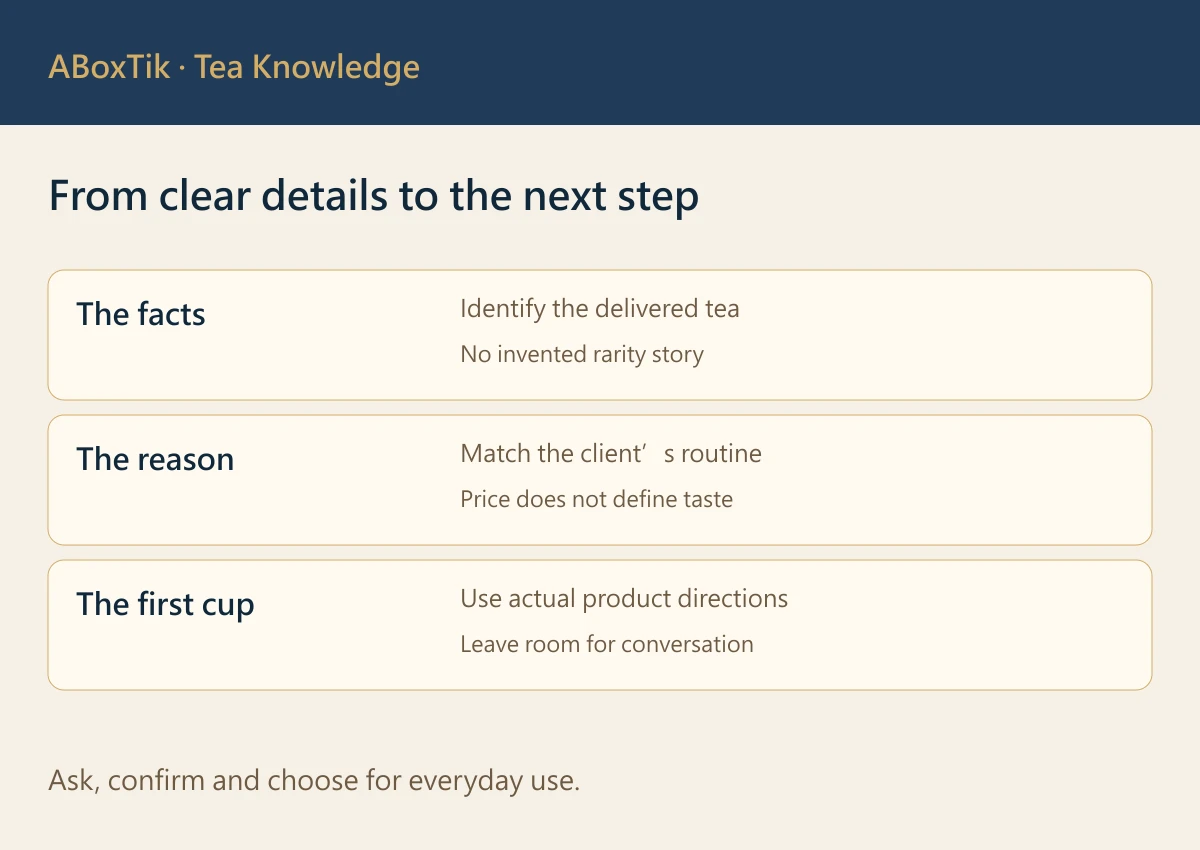
Write one reason for the choice, such as selecting an easy-to-portion format because the recipient usually makes tea in a cup. If the only reason is that it costs the most, revisit the setting. The price and value guide can help organize comparisons without deciding what the client must admire.
Separate batch information from descriptive language
Ask the supplier to confirm the actual product name, available origin details, cultivar or tea category, production information where available, packaging and supply arrangement. Not every product provides the same level of detail. Record what is supported and leave gaps visible. A mountain, year or limited-edition phrase within a name does not independently verify every implication.
If a product claims an award, certification, special batch or limited quantity, request the corresponding evidence and scope, then confirm that it applies to the tea being delivered. Do not transfer an achievement from another product to this box. If the evidence is unavailable, omit the claim from your card rather than making the wording more persuasive.
| Item | Confirmed detail | Evidence and date | If unconfirmed |
|---|---|---|---|
| Tea and origin | __ | __ | Do not invent a location story |
| Special batch or title | __ | __ | Omit the title |
| Packaging and delivery | __ | __ | Wait before committing |
This is a buyer’s worksheet, not a certification system. The Jinxuan introduction supplies cultivar context, while the aroma guide supports descriptive language. General background and evidence for a particular batch should occupy different fields.
Write a three-sentence story with facts at its center
The first sentence identifies the confirmed tea and origin. The second explains why you chose it for this recipient. The third offers a practical starting point for preparation. A short card can still feel warm. If a producer’s story is important, request a publicly usable, verifiable account instead of assigning a region’s common practices to this specific package.
Taiwan’s Tea and Beverage Research Station presents its flavor wheel as a tool for description and communication. In that spirit, invite the recipient to notice a possible flavor direction rather than guaranteeing an identical experience for every drinker. A quiet invitation to try a cup is easier to accept than an instruction to be impressed.
For bilingual cards, keep the same factual scope, tea identity and preparation information in both languages. The English version should not suddenly claim a private reserve or exclusive supply absent from the original. A gentle line about leaving room for a cup on a busy day can add personality without inventing the recipient’s feelings or lifestyle.
Make packaging and brewing part of the original decision
Loose leaves, individual tea bags and mixed selections create different routines. Check the recipient’s likely equipment and the actual product directions. A preparation that needs several tools may be awkward in an office with only a mug. The pyramid tea-bag guide and gaiwan and teapot comparison explain handling choices without declaring one format universally superior.
Check box size, inner packaging, clear tea identification and what information remains when the decorative box is removed. For personalized cards or branding, confirm placement, final wording and the service actually available. The corporate gift branding guide addresses a separate execution stage; it does not promise that every product supports customization at any moment.
Keep original packaging and product directions available after delivery. The tea-storage guide provides further context. Do not shorten the card by inventing a universal storage period. Presentation should help the recipient use the tea, rather than leaving an elegant box whose contents need a second meeting to explain.
Prepare an alternative without turning rarity into a promise
Confirm current quantity, delivery timing and whether stock can actually be reserved before printing claims such as limited. If those points remain open, mark them pending. A story card and an order should identify the same delivered contents. Discovering a batch change after cards are printed creates an avoidable mismatch even when the replacement tea is perfectly enjoyable.
Choose the most important condition for an alternative: flavor preference, serving format or delivery timing. Separate flexible details from requirements, then have the responsible person approve a substitution. The gift-box timeline helps organize process, while quantity planning addresses recipient numbers and spares. Neither replaces the supplier’s actual confirmation for the order.
For delivery across regions, check the actual carrier’s service conditions and the receiving contact before promising a date. This article provides no customs or arrival guarantee. VIP status does not give a parcel teleportation skills; a clear address, receiving window and contact person remain remarkably useful forms of consideration.
Leave one easy question after the gift arrives
Separate delivery confirmation from tasting feedback. First check that the package is intact and the contents match. If the client wants to discuss tea later, ask when they tend to enjoy it or whether the serving format is convenient. There is no need to turn a gift into a request for a detailed sensory report.
Treat feedback as a clue for a future choice, not evidence of commercial intent, status or a ranking of taste. If the person likes tea bags, retain that format. If they enjoy a roast direction, ask whether they would welcome something related next time. The light and roasted comparison supplies a conversation map while leaving the choice with the person.
Finally review the evidence card: did you include an unsupported rarity story, overstate availability or leave the recipient unsure how to begin? Clear answers bring the gift back to care rather than spectacle. Accurate language and room for personal preference can give a thoughtful tea gift a longer life than an elaborate claim.
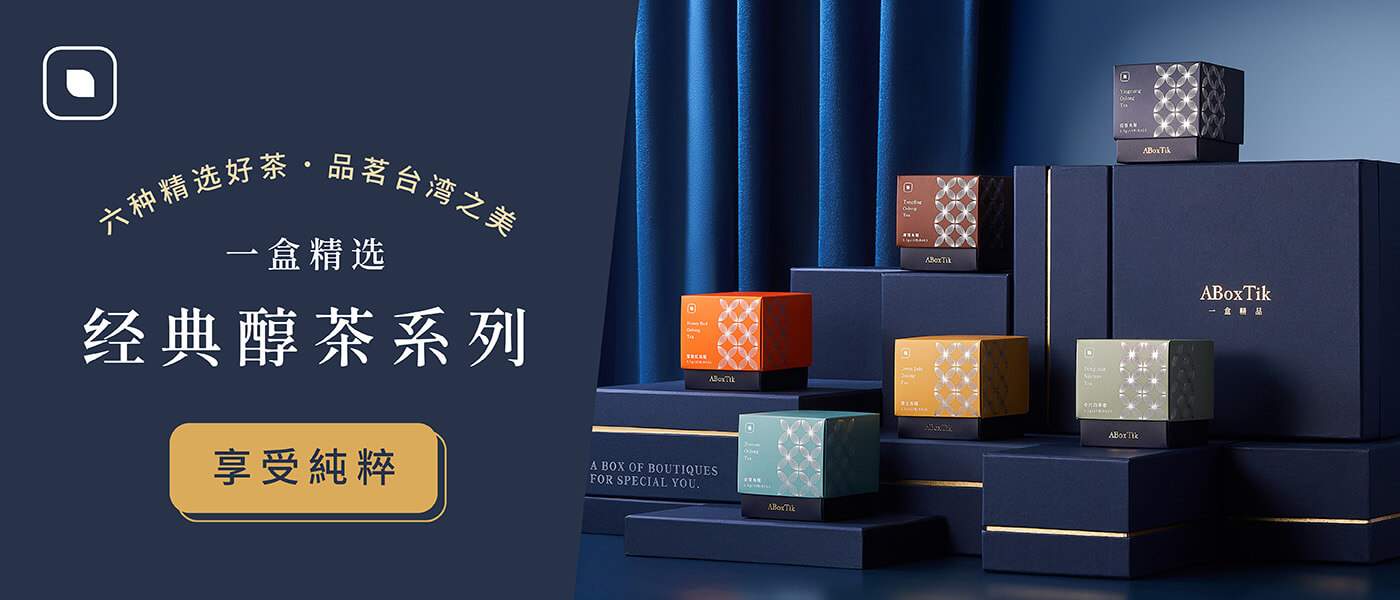
Follow ABoxTik | Explain the choice, then leave the next cup to the recipient.
Begin an important tea gift with one truthful reason
ABoxTik starts with clear flavor information and actual use. Review the current specifications of the classic Taiwanese tea four-box selection or the two-box tea-bag gift. If considering Jinxuan oolong, confirm the contents through the current product page and supplier response.
Complete the preference card, then the evidence card, and only then write the three-sentence story. When every sentence connects with the tea actually delivered, the gift needs fewer extravagant adjectives. Whenever the recipient has time to open it, the first cup can have a clear and comfortable beginning.
Related reading
- Rare-tea buying context explains the vocabulary.
- Price and value supports comparison.
- The corporate gift timeline organizes delivery conditions.
Sources
Sources checked 16 October 2026.