
Tea Knowledge
First Taiwanese Tea Tasting: Five Styles to Explore
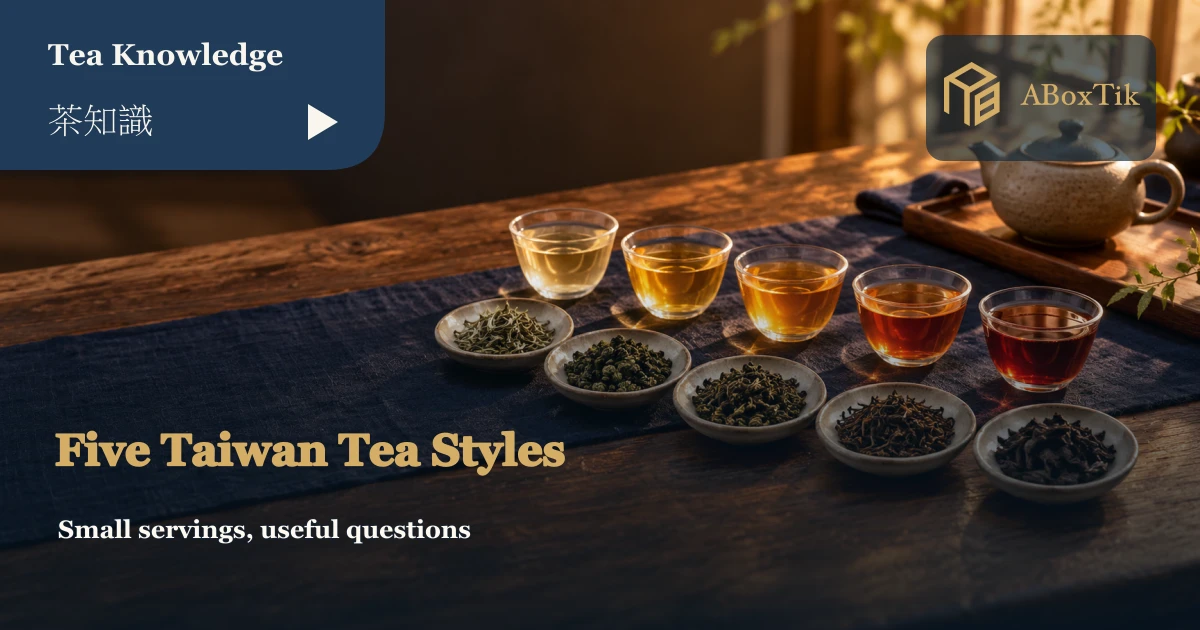
A first Taiwan tea tasting can be welcoming without bringing the whole mountain to the table.
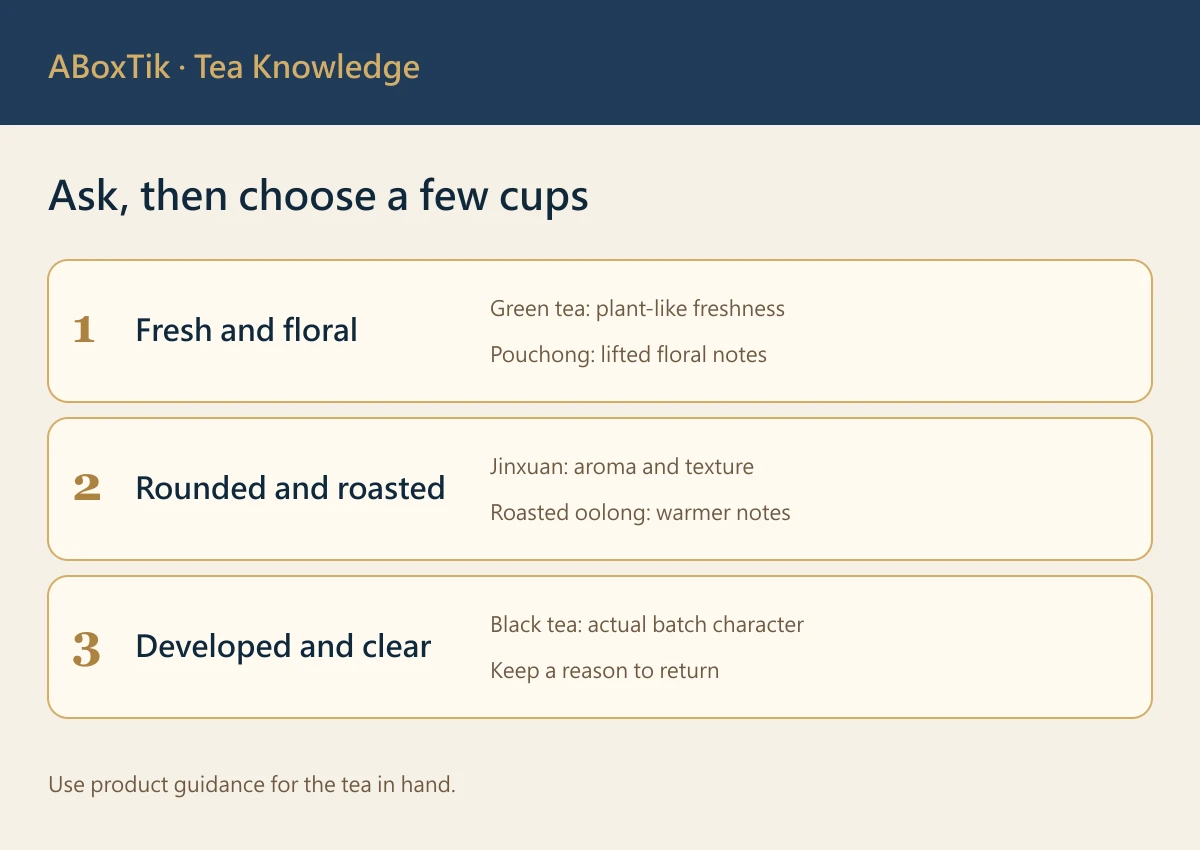
For a first Taiwanese tea tasting, begin with five understandable directions: fresh green tea, floral pouchong, rounded Jinxuan, roasted oolong and developed black tea. Choose two or three small servings according to the guest’s interests. These styles open a conversation rather than prescribe a taste for any nationality.
Ask whether a lighter or stronger cup, flowers or warmer notes sound appealing. Give the tea name and a simple brewing explanation, then let the actual cup do some of the introducing. There is no final exam at this tea table.
Choose a flavour direction before teaching every tea name
Origin, cultivar, process and product name can all arrive in one introduction. Offer a familiar direction first, then add the name and source that the packet actually confirms. The guest can connect the words with a cup rather than trying to memorize a map before drinking.
Tea categories explains processing, while Taiwan tea regions covers geography. Keep those questions separate. A tea can have a cultivar name and an origin name without either one being a complete description of flavour.
Ask what the person already enjoys: freshness, flowers, roast, ripe fruit or a fuller texture. If they are unsure, offer two small choices and see where the conversation goes. Their passport need not fill out the preference card for them.
This five-style map is an editorial way to begin comparing. Material, processing, batch and preparation still affect each cup. Follow the actual product guidance and leave room for a preference that surprises both the host and the guest.
Fresh green tea: a first look at plant-like character
For someone curious about freshness, young leaves or a bright plant-like direction, Taiwanese green tea can be a useful first comparison. Ask for the first familiar association, then ask whether the liquor feels light or has a fresh savoury impression. There is no need to nominate one plant that everyone must find.
Green tea processing background provides background for a northern Taiwanese green tea. Read the actual origin, cultivar and processing information rather than treating a shared tea name as a promise of identical flavour. Introduce the confirmed source in one sentence and personal aroma associations in another.
If the first cup feels astringent, review preparation before deciding that the guest dislikes all green tea. Bitterness, astringency and strength can turn “not quite for me” into a specific observation. A later brew can change one condition within the product guidance and ask the question again.
Floral pouchong: give aroma an understandable place
Pouchong can introduce a clear, lifted floral direction. Smell first, then taste and notice what changes as the cup becomes comfortably warm. A floral association describes an impression; it does not automatically mean flowers were added. The actual ingredient list answers the ingredient question.
Tea-region geography adds place and craft, while an aroma sequence distinguishes dry leaf, cup aroma and impressions during drinking. If a friend says only “fragrant,” that is already a useful opening. Ask whether the impression is lifted or warm rather than asking them to name a rare flower.
A first introduction need not involve a full specialist set. A clean, odour-free vessel with a practical way to separate leaves from water can begin the conversation. More information about the region or making can follow when the guest wants it. Let curiosity determine the length of the explanation.
Rounded Jinxuan: describe the impression, then the cultivar
Jinxuan can be a starting point for someone who enjoys a gentler, rounded impression. Some batches may suggest creamy or floral associations, but the cultivar does not require every cup to present the same note. Keep the sensory association separate from actual ingredients and read the product information.
Jinxuan as a cultivar explains one kind of name. Tea mouthfeel and strength observation helps make “soft” or “rounded” more specific. Ask whether the tea has weight on entry and whether it seems to move evenly through the mouth. Everyday words are enough.
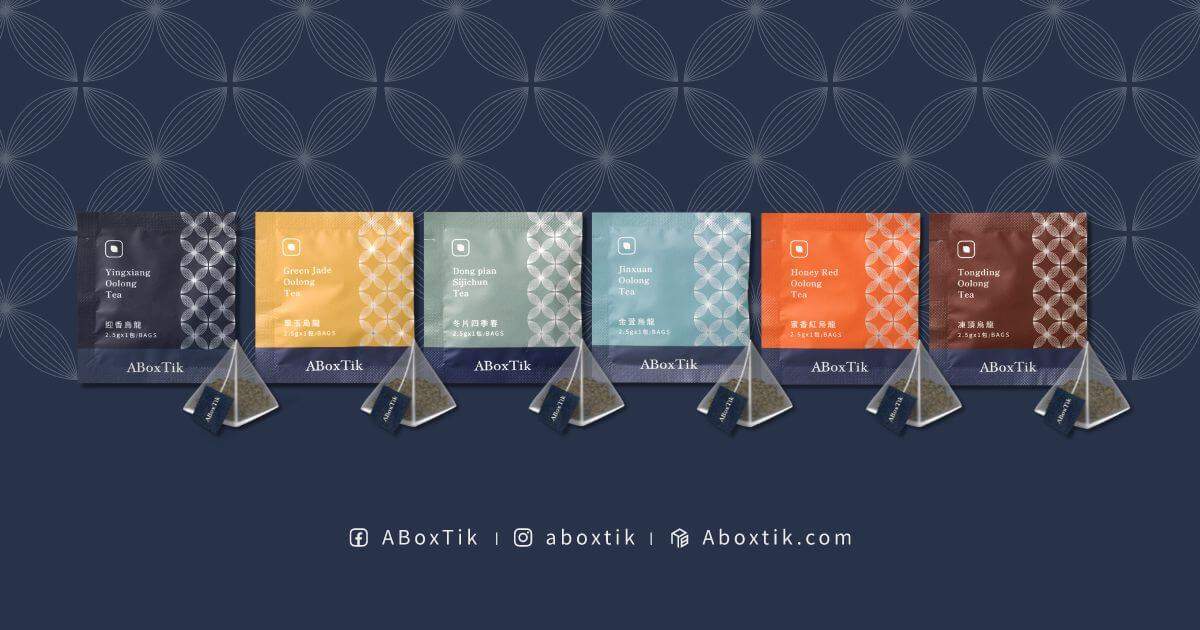
For a gift, think about how the recipient will prepare the tea. Whole-leaf tea bags and two-box tea-bag gifts offer formats to compare. Check the current contents rather than assuming every mixed set includes Jinxuan. A clear brewing note helps the friendly first cup become a second cup at home.
Roasted oolong and black tea: compare two warmer directions
For someone interested in roast, grain or warmer aromas, select a roasted oolong as another direction. Light and roasted Taiwanese tea helps explain the contrast. Roast intensity is not a quality ranking, and actual material, processing and preparation remain part of the result.
A Taiwanese black tea offers a separate comparison: perhaps ripe-fruit, sweet-aroma or another cultivar-specific outline. Red Jade is one cultivar example, not a description of every Taiwanese black tea. “This batch reminds me of…” leaves a useful opening for another person’s association.
For a guest who drinks coffee, ask whether roast or fuller texture is the part they enjoy. Do not assume that liking coffee automatically requires a deeply roasted tea. A light floral tea may be an enjoyable discovery too. The person trying the tea keeps the right to choose the unexpected cup.
Arrange a small tasting that stays comfortable
| Direction | Starting style | A useful question |
|---|---|---|
| Fresh | Green tea | What plant-like or fresh impression arrives? |
| Lifted | Pouchong | Do aroma and the sip connect? |
| Rounded | Jinxuan | Is aroma or texture the attraction? |
| Roasted | Roasted oolong | Do the warmer notes feel comfortable? |
| Developed | Taiwanese black tea | Which cup invites another sip? |
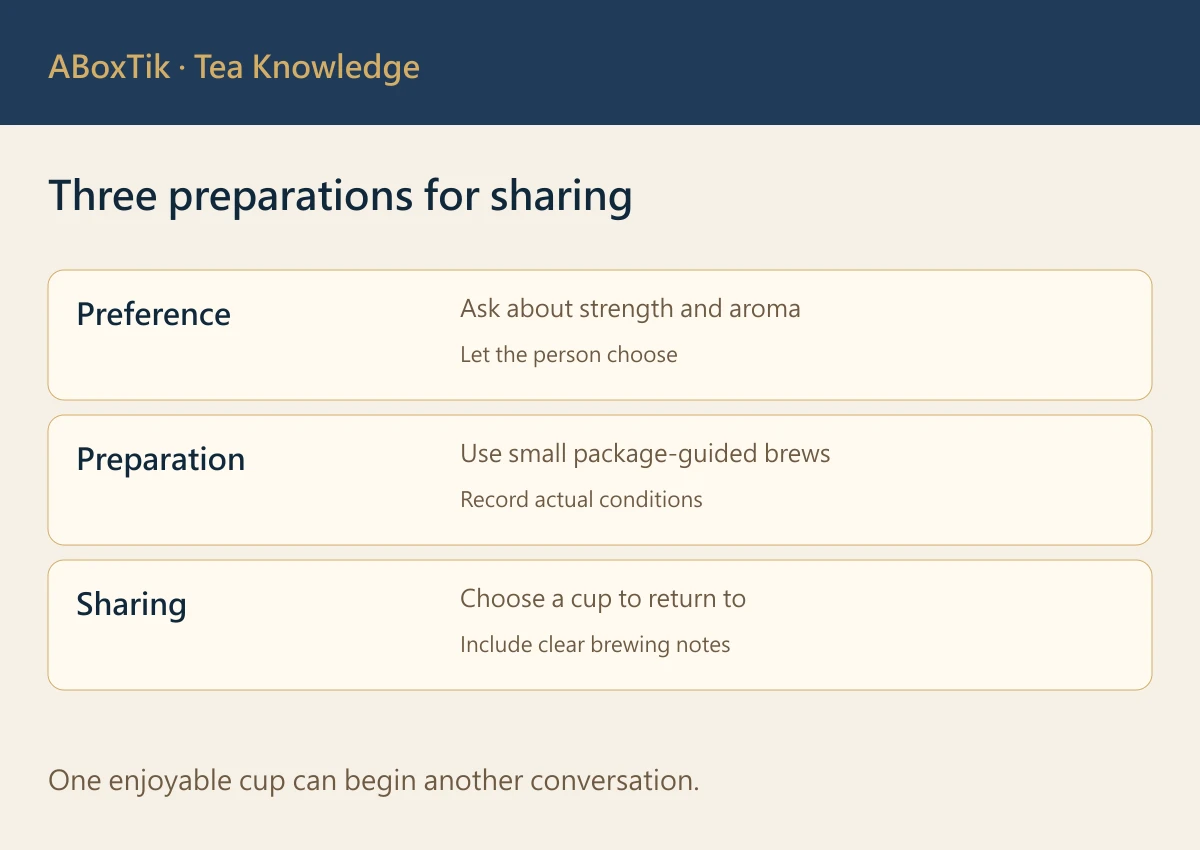
Two or three teas are enough for a first round. Prepare each according to its packet, label the cups simply and keep a note of the conditions. Beginning with a lighter impression before a more forceful one can be useful, but tasting order can also change an impression. Reverse the order another time if a cup was difficult to understand.
Introducing Taiwanese tea in English provides language tools. The present guide concentrates on which styles to start with. At the end, invite the guest to choose one cup they would like again and supply that tea’s simple brewing and storage guidance. The useful knowledge travels home with the leaves.
Small servings also make it easy to pause or leave a cup unfinished. Keep water available and let the conversation breathe. If choosing a Taiwanese tea selection or a mixed tea-bag gift, read the current contents and serving format.
Write the preferred tea and the reason in a short note: “floral aroma, lighter brew” is enough. A follow-up tasting can explore one neighbouring direction rather than restart the entire map. The first round succeeds when a person has an understandable way to choose the next cup, not when every tea has been given a score.
Follow ABoxTik
Let the first cup invite the next shared moment
At ABoxTik, we think a first Taiwanese tea tasting can be informative and easy at the same time. Open with a familiar flavour direction, then allow a friend’s own impressions to add the detail.
When comparing Taiwanese tea gifts, consider the tea, equipment and simple preparation together. A cup someone wants to brew again is a very good beginning.
Related reading
Sources
- Tea and Beverage Research Station: Taiwan tea flavour wheel
- Tea and Beverage Research Station: Sensory assessment introduction
Sources checked 19 October 2026.