
Tea Knowledge
Tea for People Sensitive to Bitterness
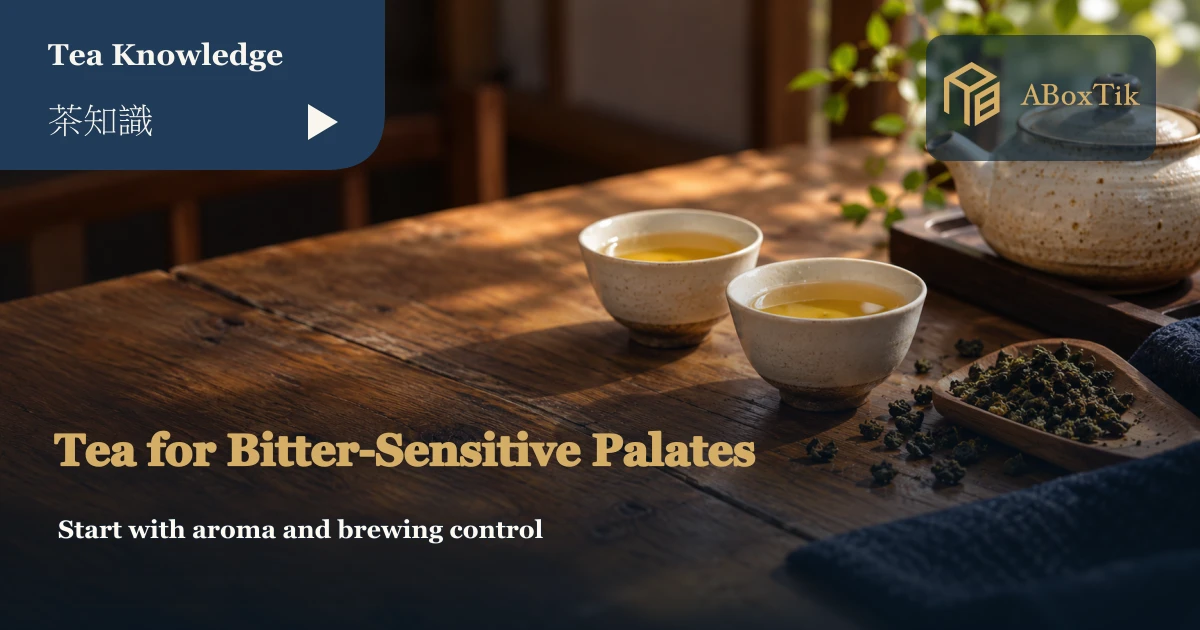
Disliking bitterness does not require an apology. Finding a sip worth returning to is a good beginning.
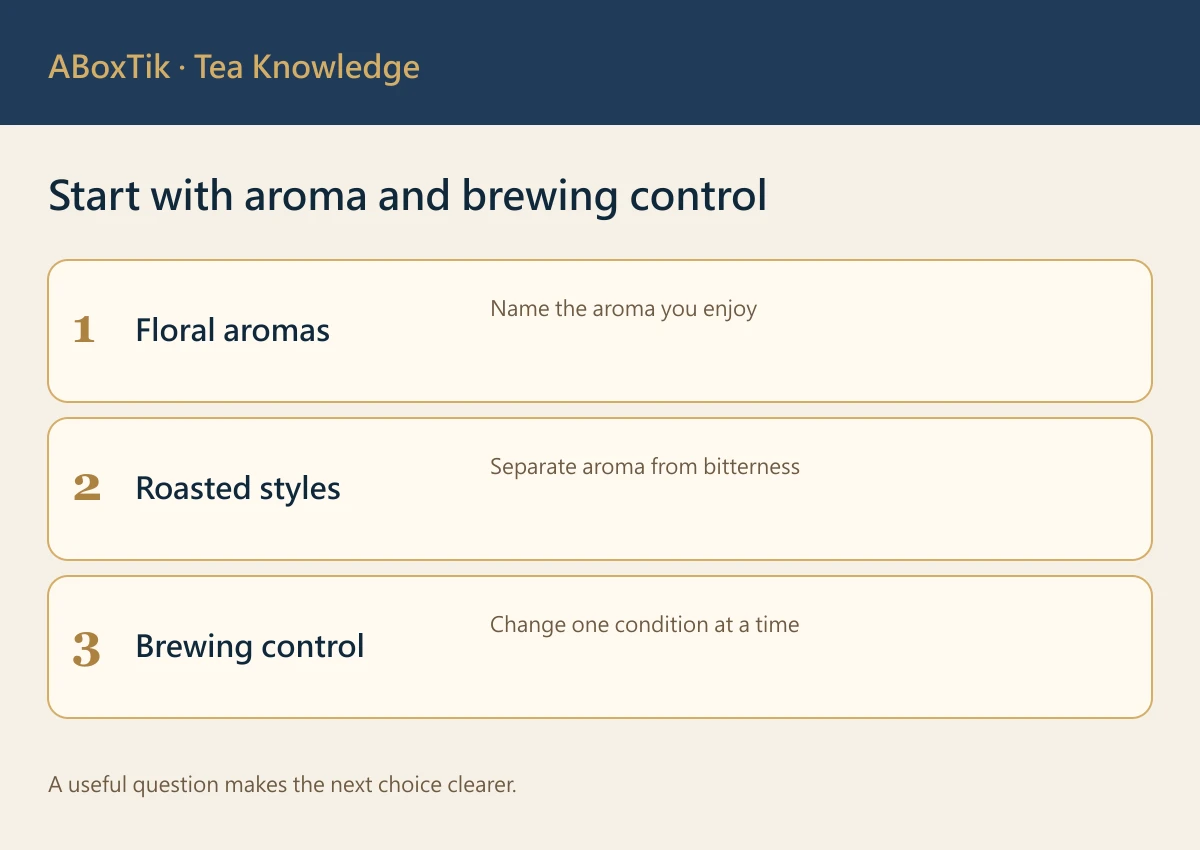
If bitterness is unwelcome, begin with preferred aromas—fresh floral, gentle aromatic or warm roasted—and try small portions at a comfortable strength. Tea name, colour and price cannot guarantee a bitterness-free cup. Follow the product guidance first; if it feels too forceful, use a fresh portion and alter one condition next time.
This is a buying route rather than a complete fault-finding guide. For a tea already causing confusion, see observing bitterness, astringency and strength. Today, replace “perhaps tea is not for me” with a few answerable choices. The cup has not entered anyone in an endurance contest.
Begin by naming the feeling you would rather avoid
Is the problem a bitter taste, a dry tightening sensation or simply an overly strong cup? Someone may enjoy the aroma while disliking a lingering dry finish. A clearer description gives a seller a better chance to help than treating every unwelcome sensation as the same fault.
“Lighter on the palate, with a noticeable aroma” is a useful request. observing bitterness, astringency and strength and the aroma sequence offer more vocabulary, but a first purchase does not require training the nose to recite a flavour wheel.
Ask for a gentler batch or a small tasting and its recommended preparation. That relates the answer to an actual tea, unlike asking which name can promise never to taste bitter under any conditions.
A floral direction: a light aromatic starting point
If fresh floral impressions appeal, compare actual pouchong or light oolong teas. This narrows an aromatic preference; it does not establish that every light tea remains free of bitterness at every concentration. Smell and taste deserve separate observations.
Smell the dry leaves and the prepared liquor, then sip at a comfortable temperature. Note whether aroma, strength or finish appeals. Light and roasted styles can organise a two-cup comparison without requiring a collection from every region.
If the first cup is too forceful, follow suitable guidance and make another with a fresh measured portion, changing only the steeping time. You are finding a usable setting rather than deciding the fate of an entire tea category after one sip.
A gentle aromatic direction: understanding Jinxuan
Jinxuan is a cultivar name. Individual teas may be introduced through milk-like, light floral or rounded impressions. Confirm the cultivar, ingredients and actual batch information. A milk-like aroma association is not evidence that milk was added; the ingredient list answers that separate question.
Ask for preparation guidance and a modest portion, then try the tea in the vessel you normally use. If the smell appeals but the cup feels too full, adjust strength first. A commonly used gentle description does not oblige you to enjoy every batch at every setting.
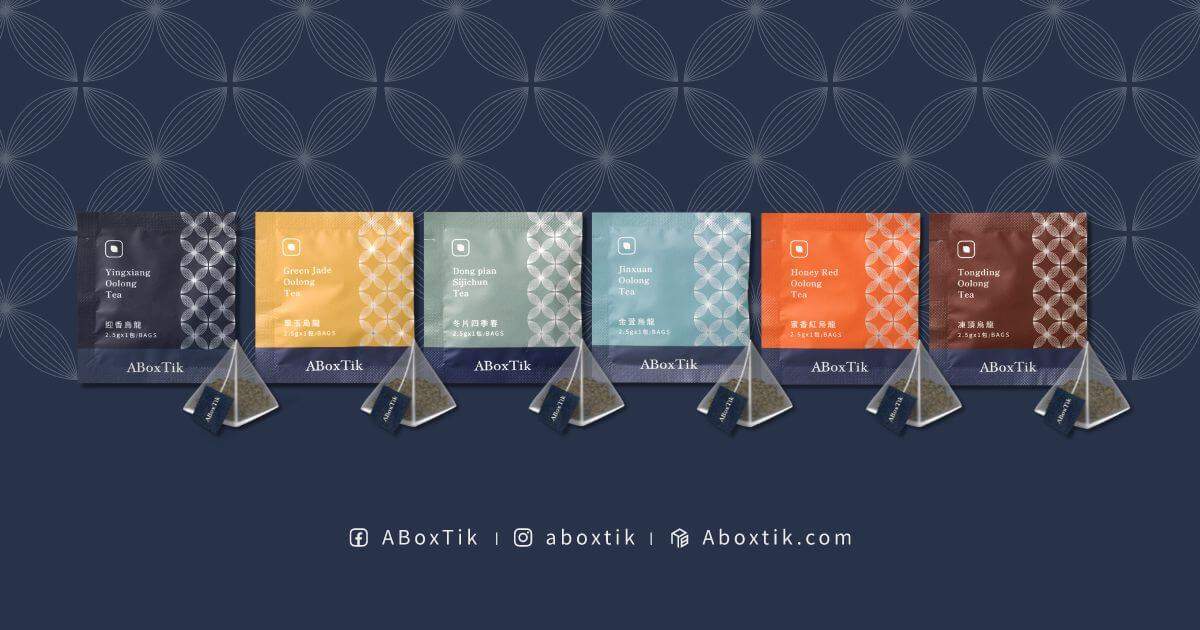
Yingxiang, Cuiyu and Jinxuan provides a cultivar comparison. Two genuinely different directions are easier to learn from than several packets with attractive names and no clear practical distinction.
A roasted direction: warm aromas without assumptions
If grain-like, toasted or warm aromatic impressions appeal, a roasted oolong can be worth trying. Roast character is not the same thing as bitterness, and it does not remove every source of bitterness. Material, manufacture and preparation still work together.
Compare it with a light tea in small cups. Ask which aroma invites another smell, then which cup feels more comfortable to drink. Different answers can reveal a precise preference: perhaps the roast is appealing, but the next preparation should be lighter.
Oxidation and roasting explains the background. Buying need not begin with the deepest roast or the strongest brew. Start with clear provenance, leaf format and directions so the first attempt has something reliable to follow.
A selection card that does not turn tasting into tolerance
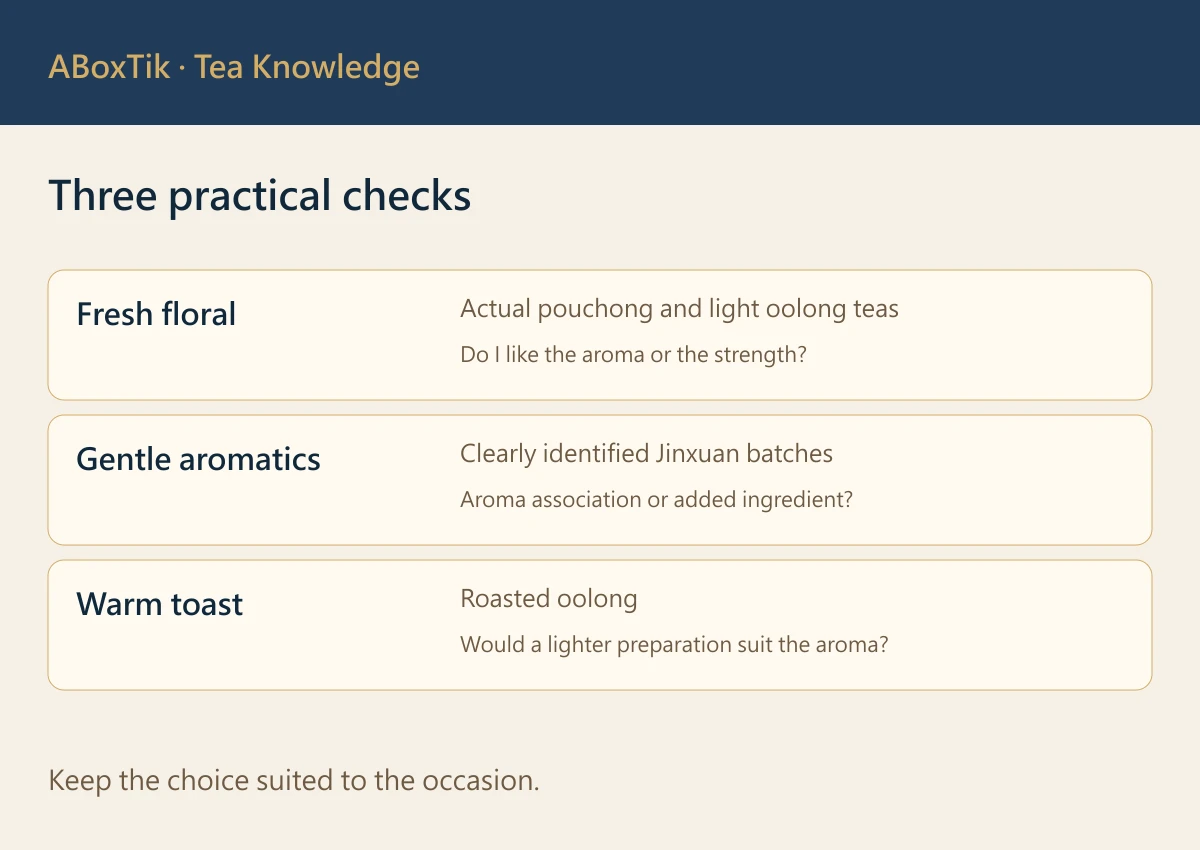
| Preferred direction | Compare | Separate these questions |
|---|---|---|
| Fresh floral | Actual pouchong and light oolong teas | Do I like the aroma or the strength? |
| Gentle aromatics | Clearly identified Jinxuan batches | What is an aroma association, and what is an ingredient? |
| Warm toast | Roasted oolong | Would a lighter preparation suit the aroma? |
| Still uncertain | Two modestly sized samples | Which invites another sip? |
Prepare each tea with suitable guidance. For a strength comparison within one batch, use fresh leaf and change one condition. Timing and basic brewing and pouring steps establish a starting point; changing temperature, leaf amount and vessel together obscures the reason for a different result.
It is fine to stop drinking a cup you dislike. Bitterness need not become an entrance requirement, and finishing an unwelcome tea is not the goal. Find a comfortable direction first and decide later whether another style interests you.
Buy a manageable amount and keep the useful preference
When comparing bags and loose leaf, consider the actual utensils and how leaves will be removed. Whole-leaf tea bags are convenient portions; loose leaf allows measured adjustment. Format alone does not predict bitterness. A method that lets you end steeping reliably is more practical.
Read current contents and portions in the two-box tea bag set or the four-box tea selection, then keep the tea according to storage guidance. The cupboard need not become a wholesale warehouse in the first week.
For the next cup, fill three blanks: “I like ___ aromas; I would like the strength ___; next time I will change ___.” This is fairer to your own palate than concluding you know nothing about tea, and more useful when choosing a tea you may drink regularly.
Tea, one box at a time
A comfortable first cup leaves room for curiosity
At ABoxTik, we begin with a real preference. Floral, roasted or gently aromatic descriptions offer entrances; the actual invitation is the sip you would like to repeat. There is no need to reshape a palate into a standard answer.
Explore the two-box tea bag selection and use the tea gift box guide to clarify your own routine. A modest portion and a gradual adjustment can make the preference easier to remember than the tea name.
Related reading
- Compare light and roasted styles
- observing bitterness, astringency and strength
- View the two-box tea bag set
Sources
- Tea and Beverage Research Station: Taiwan specialty tea flavour wheel
- Tea and Beverage Research Station: brewing water and temperature
Sources checked 20 October 2026.